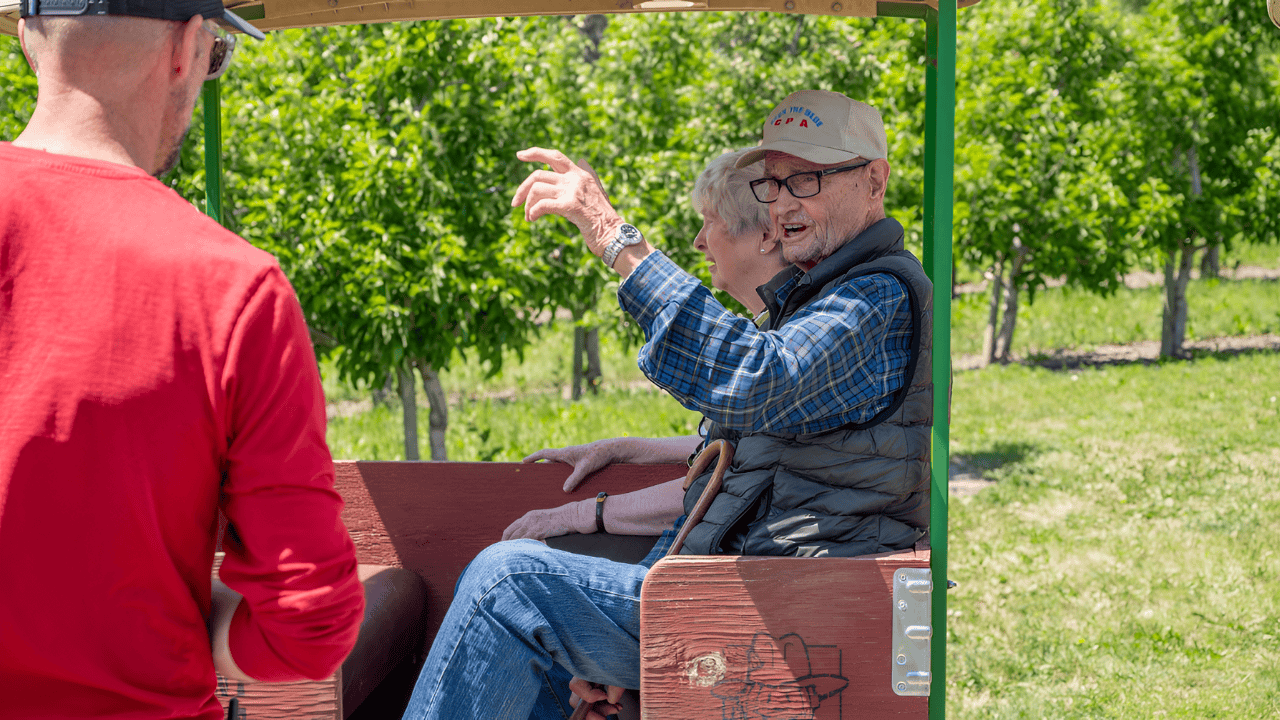
Baby Boomers command a record 31% of U.S. household wealth, totaling $85 trillion—nearly double their 19% share in 1989—while Gen Z holds just $6 trillion despite making up 20% of the population. Across the Atlantic, 57% of young Europeans aged 18 to 35 feel moderately or strongly lonely. This stark divide prompts a closer look at the practices that built Boomer prosperity and stability amid younger generations’ struggles with debt, disconnection, and burnout.
Mastering Budget Discipline

Baby Boomers adhered strictly to living within their means, forgoing purchases they could not immediately afford. This discipline contrasted sharply with modern habits, where Americans waste an average $273 monthly on unused subscriptions, often juggling four to five streaming services. That adds up to $3,276 yearly, a form of financial leakage Boomers avoided through vigilant tracking and deliberate choices.
Climbing the Homeownership Ladder
In the 1970s, Boomers bought homes amid inflation, riding decades of rising property values to build substantial equity. Today, only 33% of 27-year-olds own homes, down from 40% of Boomers at that age, with the median first-time buyer now aged 40. Boomers also control 54% of U.S. stocks, valued at $25 trillion, compared to Millennials’ 8% share worth $3.9 trillion, gains rooted in early real estate and steady accumulation.
Harnessing Patient Investing

Boomers favored long-term strategies like buy-and-hold investing and pensions over speculative trends such as cryptocurrency. Research confirms this approach outperforms active trading, as consistent market exposure through compound interest yields superior returns. Many stayed with one employer for decades, letting pension benefits grow automatically without chasing market fads.
Prioritizing Real Human Connections
Boomers emphasized face-to-face interactions and phone calls, practices now backed by science showing voice conversations trigger unique neurological benefits unavailable via text. Among young Americans, 35% say loneliness impairs daily life, and 61% report it takes a moderate mental health toll. Boomers grasped that true bonds demand physical presence, eye contact, and time investment—elements digital efficiency overlooked.
Cultivating Repair and Ownership Habits
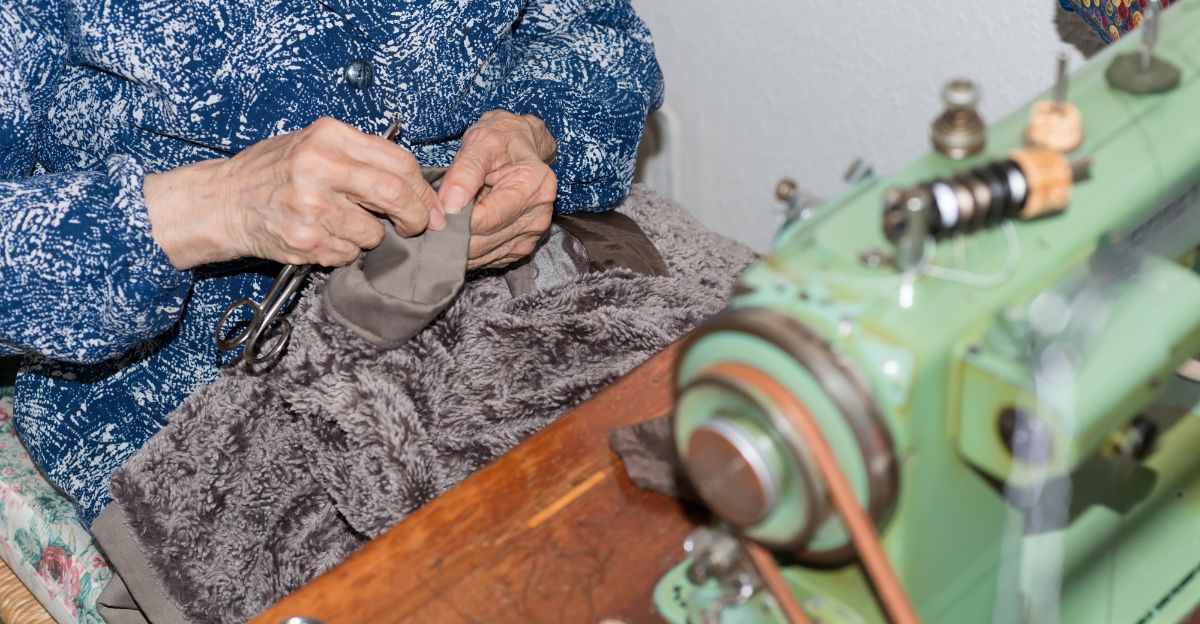
Rather than discarding broken items, Boomers repaired appliances, sewed clothes, and maintained possessions, sidestepping today’s planned obsolescence where products fail just after warranties end. This skill set fostered financial security and independence. They also owned physical media like DVDs, CDs, and books, ensuring access without relying on subscriptions that can vanish due to licensing changes or service disruptions.
Building Community Safety Nets
Boomers thrived in tight-knit neighborhoods where residents knew each other, shared tools, and provided mutual support, reducing stress and enhancing security. Digital hyper-individualism has eroded this, contributing to isolation crises. Boomers recognized physical communities as essential infrastructure, offering aid no online network can match.
Avoiding Debt Traps

Debt for Boomers meant mortgages as investments, not lifestyle crutches; they paid credit cards monthly and saved before buying. Millennials now carry median debt of $128,000 at similar life stages, versus Boomers’ $60,000, amid record credit card highs and buy-now-pay-later schemes that hinder wealth building.
Embracing Screen-Free Mental Resilience
Evenings for Boomers meant books, conversations, and relaxation without screens—habits shielding mental health. Teens averaging over six daily screen hours face triple the depression rates and double the anxiety of low-screen peers. Boomers’ intuitive avoidance of constant digital input protected well-being long before studies quantified the risks.
Setting Firm Work Boundaries
Boomers clocked out at 5 p.m., ignored weekend emails, and used commutes as decompression rituals. Remote work’s always-on culture has blurred these lines, spiking burnout. Younger workers now seek coaching to recreate those separations for better sleep and longevity.
Preserving Privacy and Skills
Boomers shunned oversharing online, a stance proven wise amid rampant data breaches and identity theft. They also honed manual skills like car repairs and sewing, breeding self-reliance absent in WiFi-dependent lives. Simple joys—picnics, board games—delivered unmonetized happiness, unlike subscription-driven entertainment linked to rising anxiety.
As Boomers retire with unmatched assets, younger cohorts grapple with financial strain and social disconnection, data increasingly affirming the value of Boomer methods: patience over haste, ownership over access, community over screens. This reckoning highlights timeless principles amid evolving challenges, urging a blend of old wisdom with new realities for sustainable progress.
Sources:
Fortune, Baby Boomer Wealth Gap Report, September 2025
Axios, Youth Mental Health and Loneliness Survey, September 2025
CDC, Screen Time and Mental Health Outcomes Study, July 2025
UCSF, Adolescent Screen Time and Depression/Anxiety Research, October 2024
Financial Health Network, Subscription Spending and Consumer Debt Analysis, 2025