
Your grandparents didn’t buy apps or guilt-trip themselves over downtime. In the 1970s, California’s Dr. John Travis introduced wellness as radical simplicity—crossword puzzles, walks, naps, family dinners rooted in mindfulness, not consumerism, according to BBC Culture.
Today’s wellness industry has flipped the script. We’re buying solutions while abandoning the free practices that actually worked. Did we trade genuine stress relief for the illusion of it?
89% of Workers Are Lying About Sick Days

Modern workers feel guilty for being sick. Research shows 89% work through illness due to manager pressure and shame. The 1970s generation took sick days without apology. They rested without calculation.
Today’s hustle culture weaponizes every moment, turning rest into a career risk. The human cost? Burnout, exhaustion, and a generation afraid to take a break.
Gen Z Reads Less Than Any Generation in History
Close to 35% of Gen Z students actively dislike reading, according to Forbes. Reading for pleasure reduces psychological distress and builds cognitive resilience, according to a 2022 study by Taylor & Francis.
Newspapers disappeared. Leisure reading vanished. Now, researchers worry about cascading consequences: fewer critical thinkers, reduced interpretation skills, and a generation relying on AI instead of developing their own ideas.
We’ve Demonized the One Thing Our Brains Need
Boredom drives creativity. Our minds solve problems during downtime. Dr. Sandi Mann explains that mind-wandering activates problem-solving networks, yet modern culture treats idle time as failure. We fill the silence with podcasts and scroll to escape restlessness.
The 1970s generation appreciated boredom as a form of meditation. Today, we’re anxious, distracted, and creatively bankrupt because we’ve eliminated the mental space where imagination thrives.
Wellness Went from Free to Expensive Overnight

The original wellness movement cost nothing. It required presence. An estimated 2,000 meditation apps launched between 2015 and 2018, each promising stress relief through screens. We buy subscriptions to solve problems created by the very subscriptions we purchase.
The 1970s version? Put on a record. Take a walk. Sit with family. Free. Grounded. Revolutionary. Researchers call it the wellness-industrial complex—a system that appropriates practices once freely accessible and sells them back as products.
1. Crossword Puzzles Over Brain Games

A NEJM Evidence study found crossword puzzles superior to computerized brain training for cognitive protection. Participants doing crosswords showed better results on memory tests, reduced brain shrinkage, and delayed cognitive decline by an average of 2.54 years compared to app users.
Crosswords engage retrieval memory, verbal knowledge, attention, and executive function simultaneously—a complex cognitive workout that gamified apps cannot replicate.
2. Aimless Walks Without Tracking

Just 20 minutes of walking in natural settings can drastically reduce cortisol and heart rate, according to research cited by Harvard Health in Frontiers in Psychology. Modern walkers track steps, optimize pace, and gamify movement through Strava, missing the grounding effect of purposeless wandering.
The 1970s generation walked to think, to breathe, to escape. No destination required. No metrics.
3. Naps Without Shame

NASA research proves what 1970s workers knew intuitively: naps restore. A 20-minute midday nap increases alertness and cognitive performance by 34%, reduces sleepiness, and improves productivity for hours afterward. Yet 89% of modern workers feel guilty about requesting naps.
Remote workers hide under fake calendar meetings. Workplaces treat rest as laziness. The irony? Poor sleep tanked workplace output so dramatically that exhausted employees cost companies billions annually.
4. Letting Emotions Pass, Not Dissecting Them
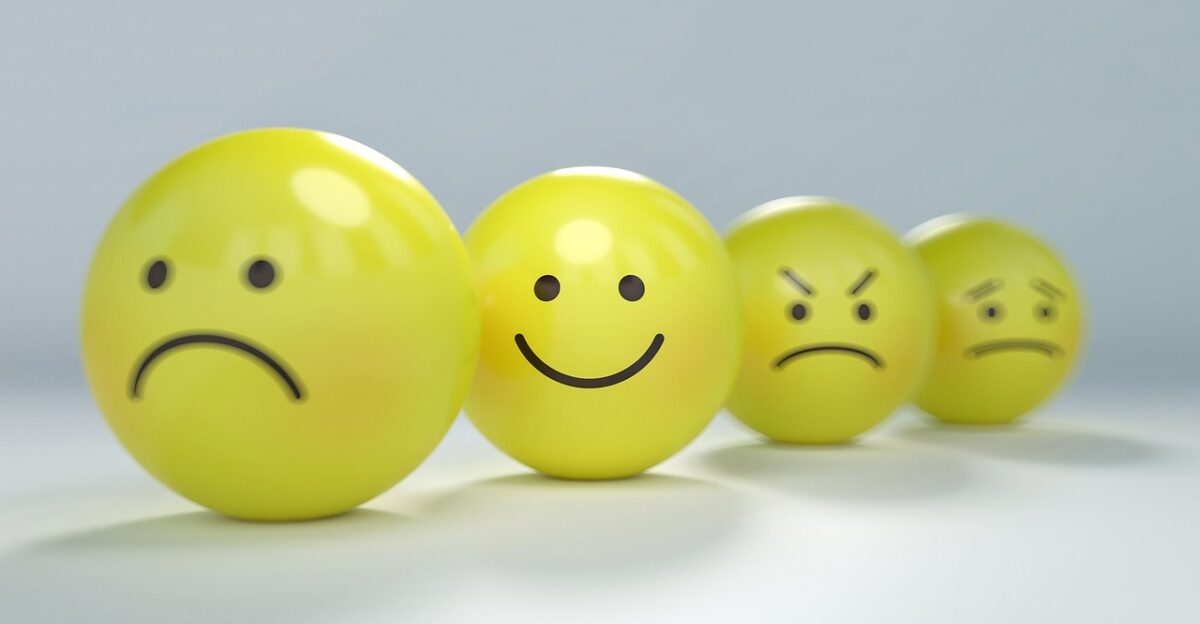
Emotion regulation research confirms that constant introspection can amplify distress rather than resolve it. Modern generations intellectualize every feeling, diving deeply into analysis when simply acknowledging emotions without judgment would ease stress faster.
The 1970s approach was different: acknowledge the feeling, let it move through you, continue living.
5. Taking Sick Days Without Career Anxiety

Workers now face pressure from presenteeism—organizational cultures that reward showing up despite illness. One in four have been explicitly pressured to work sick. Two in five worry colleagues assume they’re faking.
The 1970s understood that being sick meant staying home. Modern workplaces often unknowingly communicate that your health matters less than your presence.
6. Reading Newspapers for Reflection

A 2022 longitudinal study found recreational reading buffers against frustration, leading to reduced psychological distress over time. 60% of Gen Z never read newspapers, and 43% seldom read for leisure. The consequence extends beyond individual well-being to societal capacity for critical thinking.
The 1970s reader sat with complexity. Today’s Gen Z scrolls for fast answers. One builds wisdom. The other builds anxiety.
7. Family Dinners as Stress Medicine

Frequent family meals correlate with reduced depression, lower substance use, decreased disordered eating, and higher self-esteem in adolescents, according to NIH research. A 2022 American Heart Association survey found 91% of parents notice measurably lower stress when families dine together.
The 1970s family dinner wasn’t optional. It was survival. Modern families replaced it with individual meals and digital isolation.
8. Full Albums Without Skipping

UK research found listening to a full album—start to finish, no skipping—is more effective for stress relief than gardening, exercise, or napping. The predictability and intentionality create meditative engagement. You surrender to the artist’s vision rather than curating the “perfect vibe.”
The 1970s record player demanded patience. Today’s playlists demand constant decision-making. One calms. The other exhausts.
9. Appreciating Boredom as Creative Fuel

Mind-wandering activates the default mode network, which is responsible for creativity and problem-solving. Dr. Sandi Mann warns that by constantly swiping to escape boredom, we eliminate the mental space where imagination emerges.
Modern brains rarely experience genuine boredom—the consequence is a creativity crisis that is often masked by distraction. The 1970s generation sat with restlessness and emerged with ideas. We scroll our way to blankness.
10. Aimless Driving as Meditation

Photo by Dino Reichmuth on Unsplash
Extended driving offers psychological benefits through undistracted thinking time. The rhythmic, familiar task allows cognitive attention to drift, creating space for problem-solving and emotional processing. Unlike scheduled activities with explicit goals, aimless driving removes destination pressure, permitting the mind to wander productively.
Purposeless motion, combined with open-ended thinking, creates space for insights that structured activities cannot replicate.
We Paid Billions to Forget What Worked for Free
Wellness apps, meditation subscriptions, therapy platforms—the industry extracts data while selling stress solutions. The irony: technology creates anxiety while simultaneously selling relief through digital platforms, perpetuating the cycle.
The 1970s movement cost nothing. Put on music. Walk outside. Sleep. Sit with family. Zero subscriptions. Zero tracking. Zero data harvesting. Yet we’ve convinced ourselves that authentic wellness requires payment, apps, and expert guidance.
Side Hustles Replaced Leisure, Guilt Replaced Rest

Hustle culture, which has gained momentum since the 1990s, teaches that work is identity and rest is failure. Gen Z leads workplace napping at 58% while losing 74 annual hours to exhaustion. Side hustles replaced leisure time. Guilt replaced restoration.
The 1970s understood boundaries. Modern culture obliterated them. Reclaiming wellness means reclaiming permission to be without producing.
Without Readers, Society Loses Its Capacity to Think Critically

The 2024 National Assessment of Educational Progress reveals a consistent decline in literacy. When students avoid reading, they lose their interpretation skills, tolerance for complexity, and critical thinking. Forbes warns that while AI provides answers, without readers developing their own questions, societal creativity diminishes.
The 1970s reader engaged with nuance. Today’s Gen Z seeks fast answers. This shift threatens the collective capacity for complex problem-solving in a world that demands exactly that skill.
We’ve Replaced Joy with Performance

The 1970s approached rest as restoration. Modern culture treats it as theft. Parents skip reading aloud. Friends avoid aimless hangouts. Every moment must justify itself through productivity. Lower satisfaction. Higher turnover. Greater burnout.
The science is clear: rest isn’t laziness. It’s survival. Yet we’ve convinced ourselves otherwise, at immense human cost.
Your Grandparents’ Stress Relief Costs Nothing

Science now validates what the 1970s practiced instinctively. Crosswords protect cognition. Walks reduce cortisol. Naps restore focus. Reading builds resilience. Family dinners ease distress. Boredom sparks creativity. Albums soothe nerves. Sick days prevent burnout.
The path forward requires rejecting consumerist wellness and reclaiming access to what’s free. No apps. No subscriptions. No guilt. Just presence, time, and trust that rest is revolutionary.
Sources:
BBC Culture – “Before Goop: How the Wellness Craze Originated in 1970s California”
Frontiers in Psychology – “20 Minute Contact with Nature Reduces Stress Hormone Cortisol”
NEJM Evidence / Columbia-Duke COG-IT Trial – “Crossword Puzzles Superior to Computerized Brain Training for Cognitive Protection”
PNAS – “Nature Experience Reduces Rumination and Subgenual Prefrontal Cortex Activation”
American Heart Association 2022 Survey – “91% of Parents Say Their Family is Less Stressed When They Eat Together”
National Album Day UK Research – “Listening to Full Albums More Effective for Stress Relief Than Exercise”