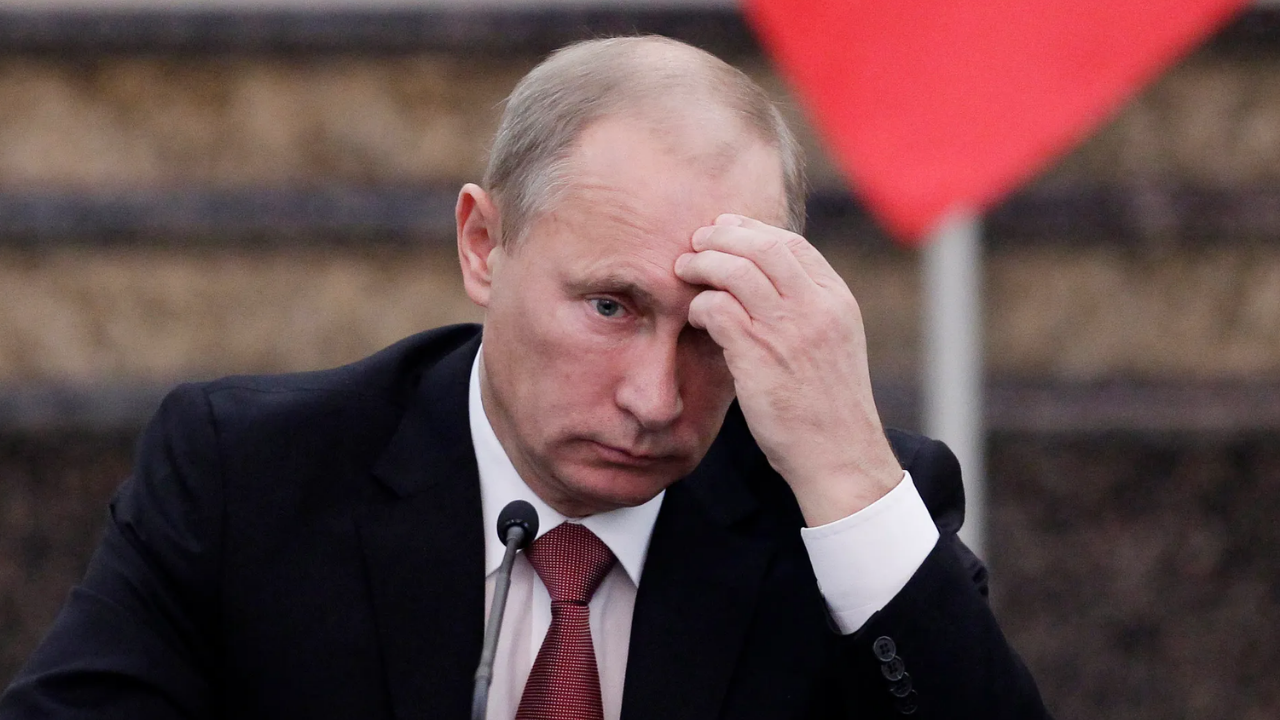
As tensions rise in Europe, one question stands at the forefront: why has Russian President Vladimir Putin consistently expressed concern about NATO’s military presence and influence? The answer is rooted in Russia’s security competition, historical context, and shifting geopolitics.
With NATO’s expanding reach and growing technological capabilities, the question of defense and deterrence has become even more crucial, stirring deep anxieties in Moscow.
Expansion Anxiety
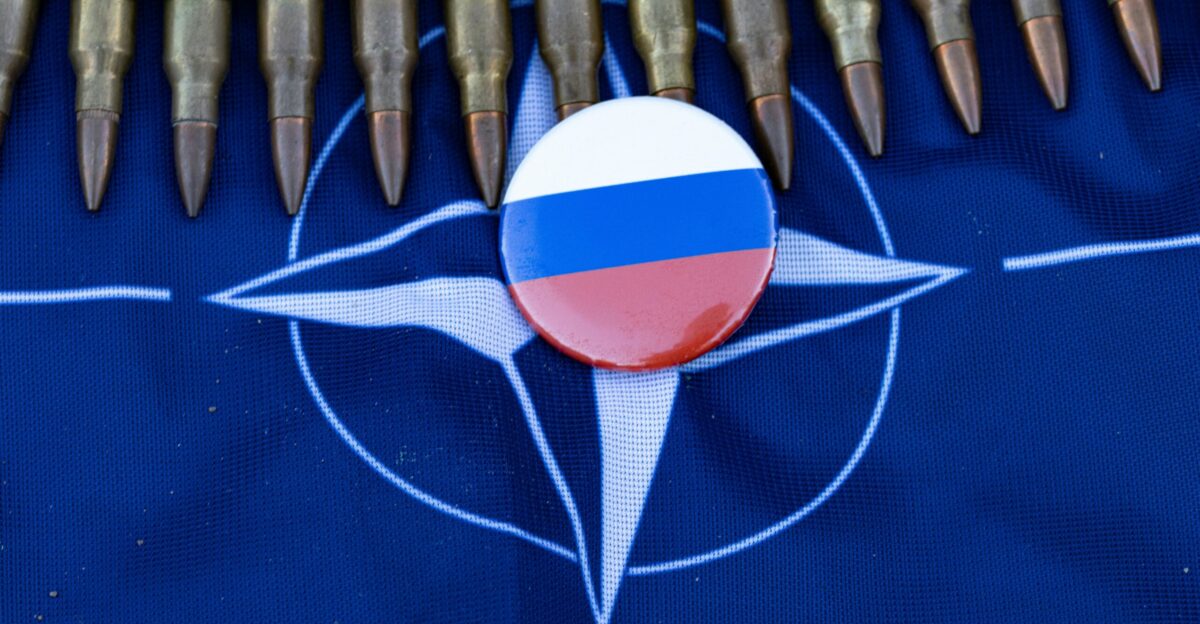
NATO’s steady push eastward has kept Russia on edge. Every new member, especially post-2014, brings the alliance closer to Russia’s borders, fueling fears of encirclement.
Despite NATO’s expansion being voluntary for nations seeking security, Russia sees it as a growing threat, particularly after NATO’s role in Ukraine and Georgia in the 21st century.
Technological Edge
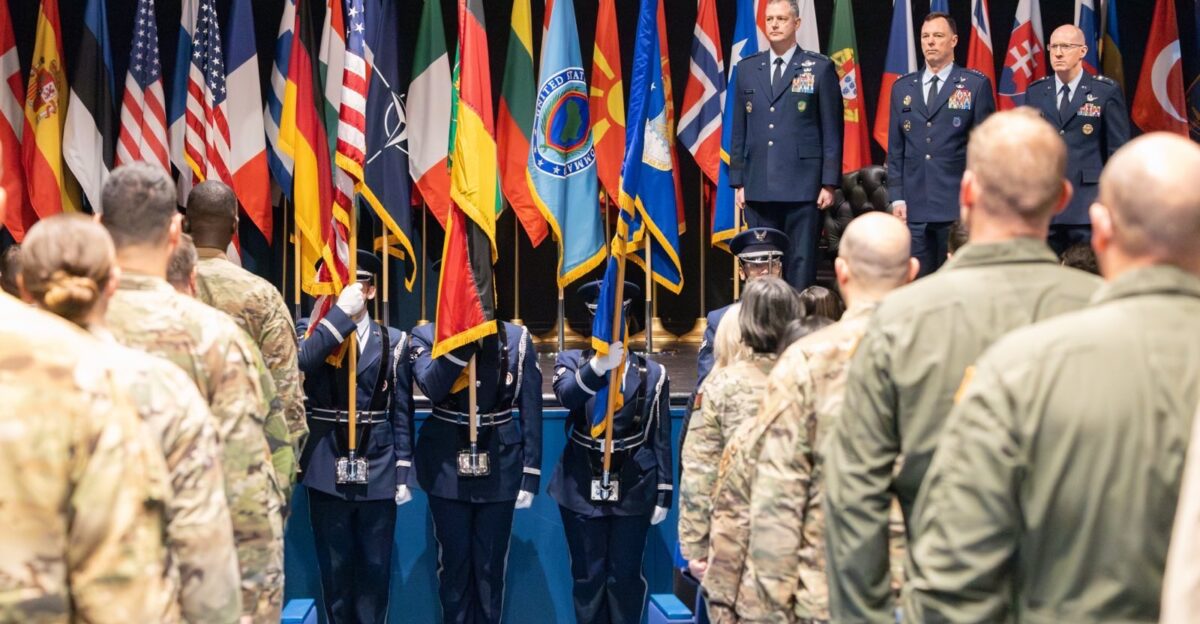
NATO’s military edge is undeniable, with its sophisticated cyber defense systems, cutting-edge surveillance technologies, and precision-guided munitions.
These advancements bolster NATO’s strategic deterrent, creating an imbalance in military capabilities. Russia, however, has responded with countermeasures, such as hypersonic missiles and advanced electronic warfare systems, to level the playing field.
United Front
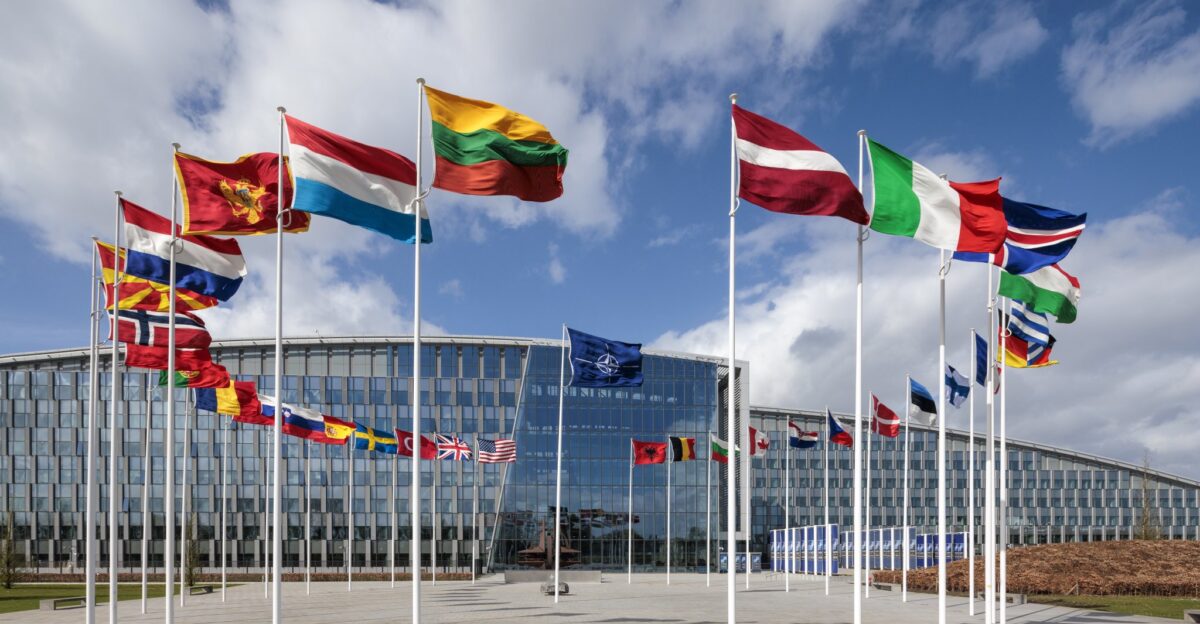
Article 5 of NATO’s founding treaty asserts that an attack on one member is an attack on all, underscoring the unity of the alliance.
This collective defense mechanism is a formidable deterrent, but the decision to act rests with individual nations, meaning NATO’s response can vary depending on the situation.
Historical Lessons
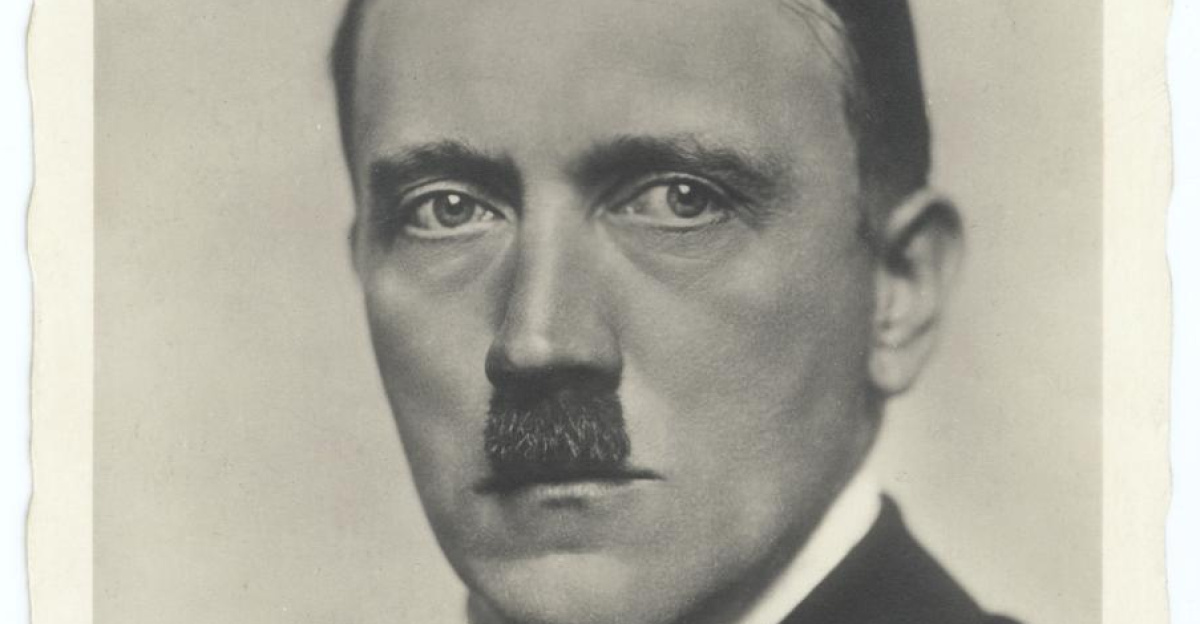
Russia’s distrust of Western military power has deep roots in history. The traumatic invasions by Napoleon in 1812 and Hitler’s Operation Barbarossa in 1941 shaped Russia’s security strategy.
These events, which resulted in millions of casualties, continue to inform Moscow’s defensive posture, emphasizing the need for vigilance against potential foreign threats.
Economic Might

NATO members hold a significant economic advantage, contributing 43% of global GDP in 2022 and spending over $1 trillion on defense.
This financial muscle supports NATO’s military ambitions, ensuring sustained technological development and operational capabilities. By comparison, Russia’s economic power remains far smaller, making military competition more challenging.
Modernization Drive
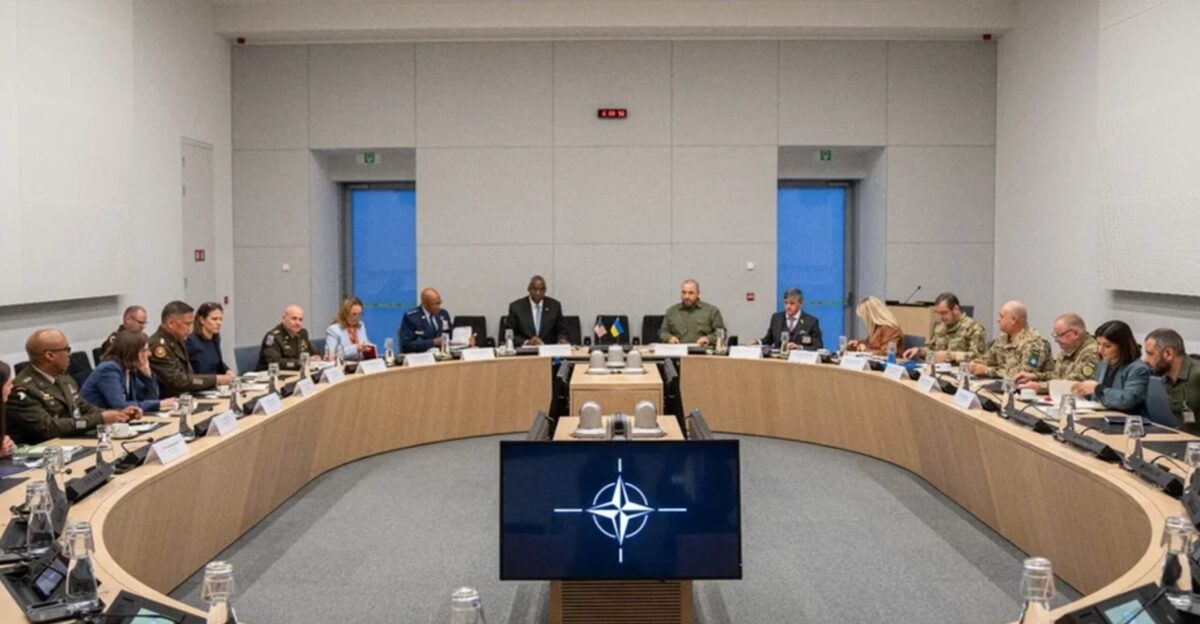
NATO has fast-tracked its modernization agenda, investing heavily in cyber defense, infrastructure, and advanced military technology.
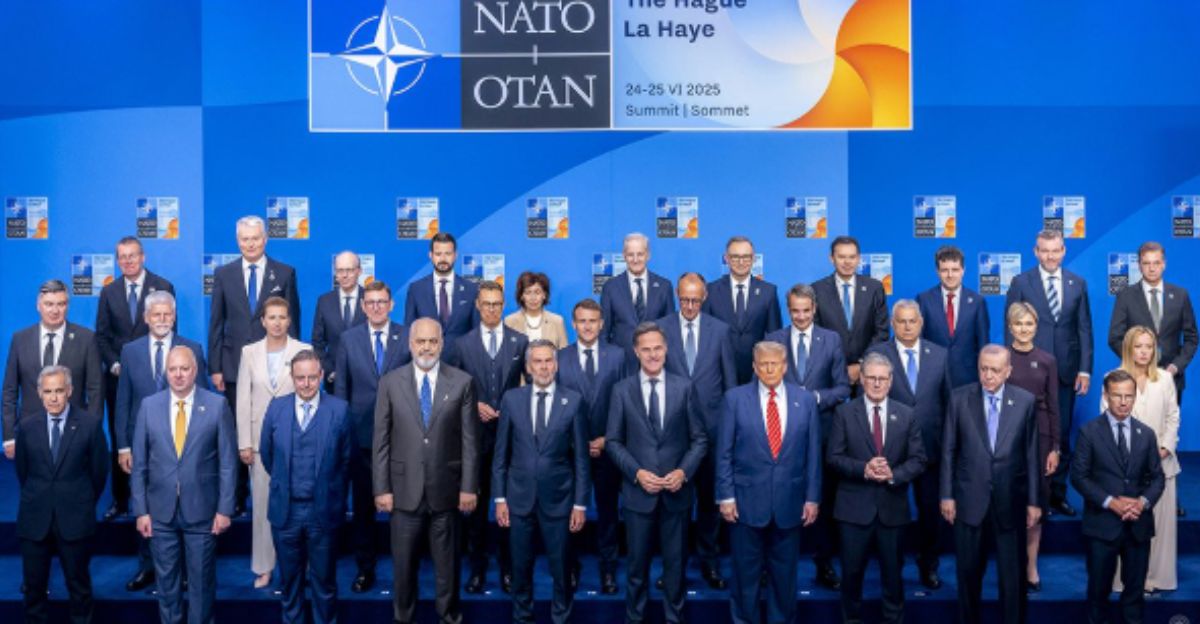
At the 2025 Hague Summit, the alliance committed to boosting defense spending to 5% of GDP by 2035, signaling a long-term strategy focused on maintaining technological superiority and readiness for future threats.
Forward Deployments
NATO’s military presence in Eastern Europe has intensified, with multinational battlegroups deployed in nations such as Estonia, Latvia, and Poland.
These deployments, part of the Enhanced Forward Presence program, serve as a visible deterrent against Russian aggression, offering reassurance to NATO’s eastern members who face direct threats from Russia.
Intelligence Networks
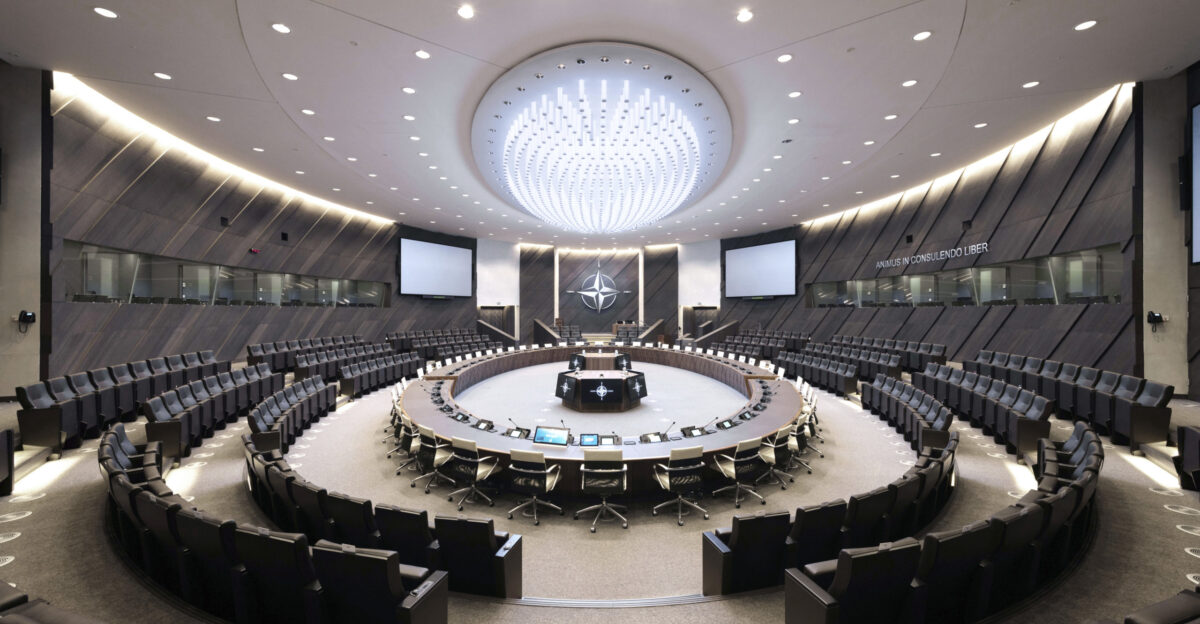
NATO’s intelligence-sharing capabilities are a key advantage in its defense strategy. Through cooperation with the Five Eyes alliance and integrated intelligence mechanisms, NATO has developed a robust network for gathering and analyzing critical security data.
This collaborative effort strengthens its threat assessment and response strategies.
Visible Alliance Commitment
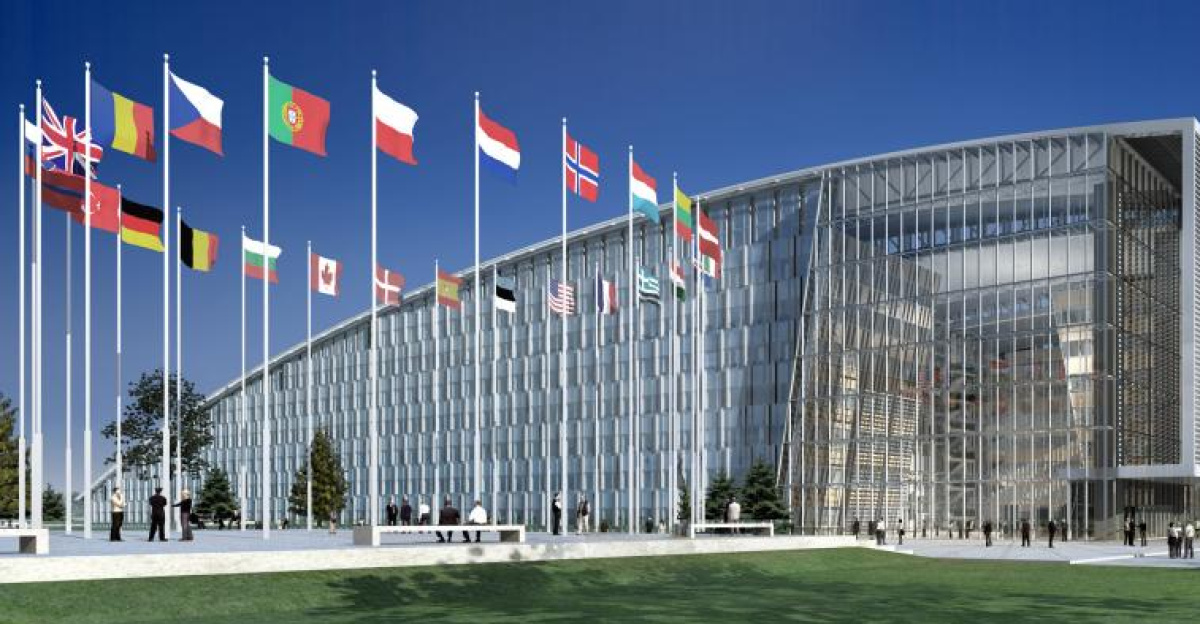
The visible presence of NATO forces along Russia’s borders is a powerful message. This forward deployment isn’t just about military readiness; it’s a statement of solidarity with member states, designed to deter any potential Russian aggression and reassure countries that NATO stands ready to defend its allies.
Military Modernization and Spending
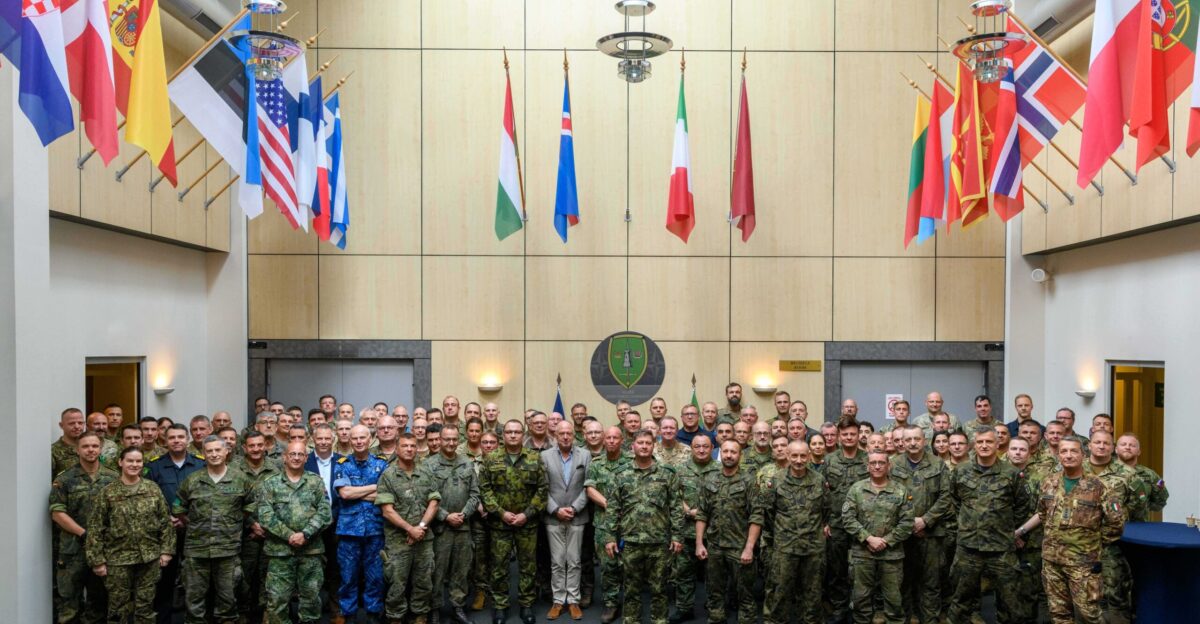
Since 2022, NATO has ramped up its defense spending, mirroring similar trends in Russia. With military budgets increasing significantly, both sides are locked in a race to develop and deploy advanced weapons systems.
This military buildup raises concerns among analysts about the potential for an escalating arms race.
Geopolitical Competition
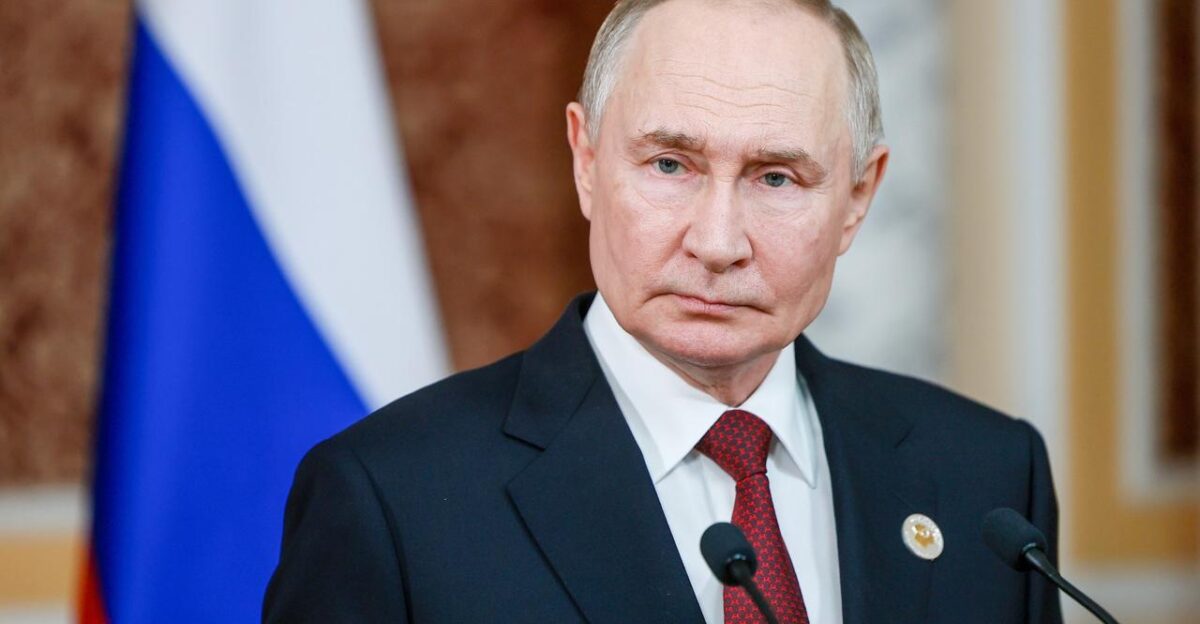
NATO’s growth mirrors the shifting geopolitical landscape in Europe. As the alliance strengthens, Russia’s influence in Central and Eastern Europe has waned.
In response, Russia has sought stronger ties with countries like China, India, and Iran, creating a counterbalance to NATO’s expanding influence.
Historical Parallels
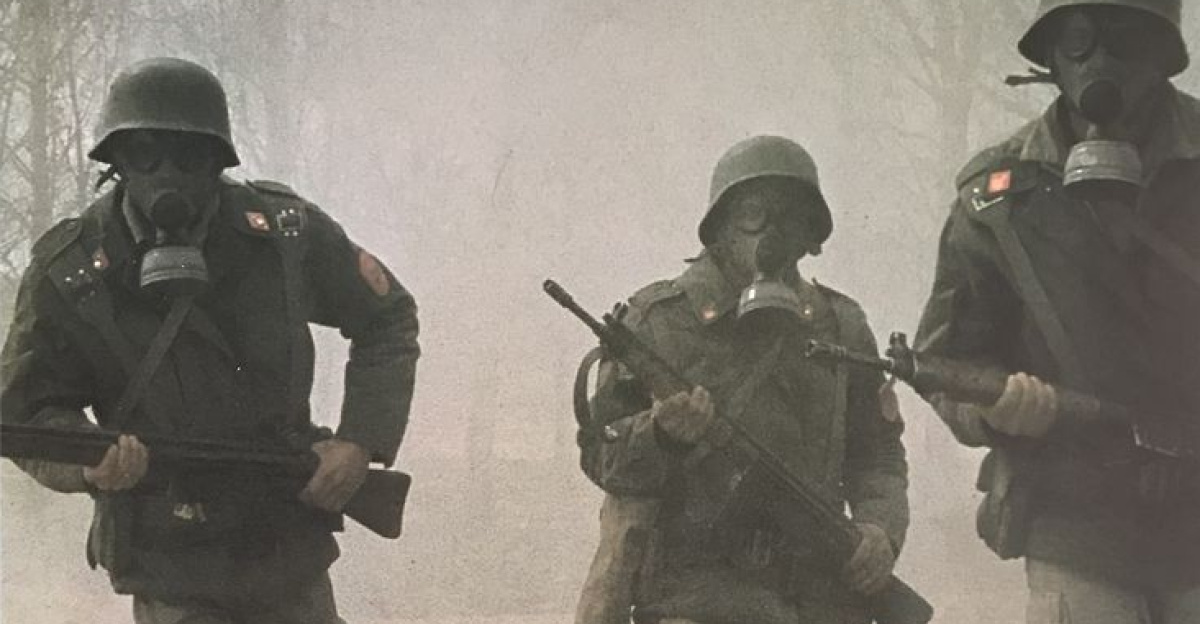
Today’s tensions between NATO and Russia reflect Cold War dynamics, with both sides entrenched in ideological and military competition.
The current standoff recalls the strategic rivalry of the 20th century, where mistrust and military buildup fueled a global arms race that lasted for decades.
Economic Priorities
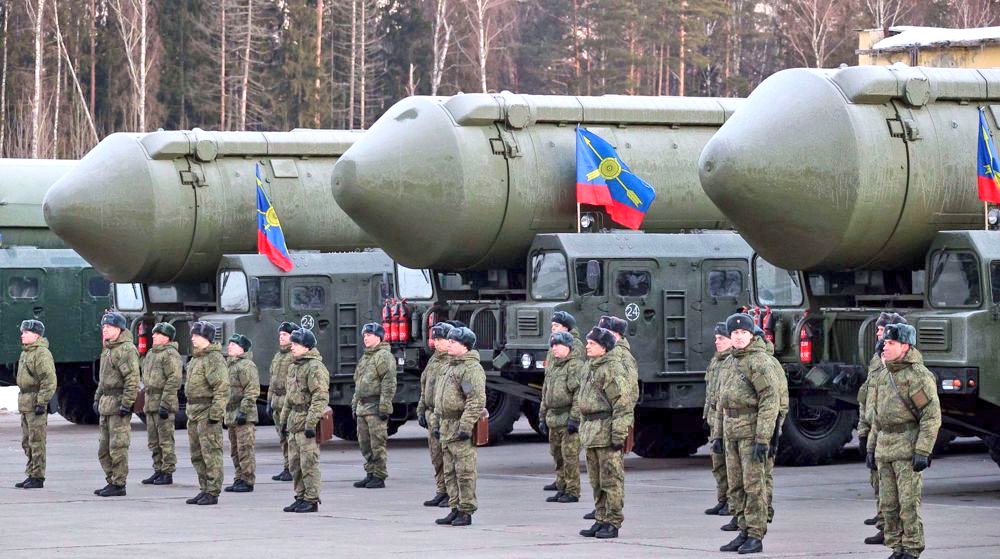
As Russia invests more into its military, the cost is evident: by 2025, military spending will consume 37% of Russia’s federal budget, while the nation’s GDP only accounts for a fraction of NATO’s economic output.
This heavy expenditure on defense comes at the expense of critical social and infrastructure programs, straining Russia’s economy.
Cyber Capabilities
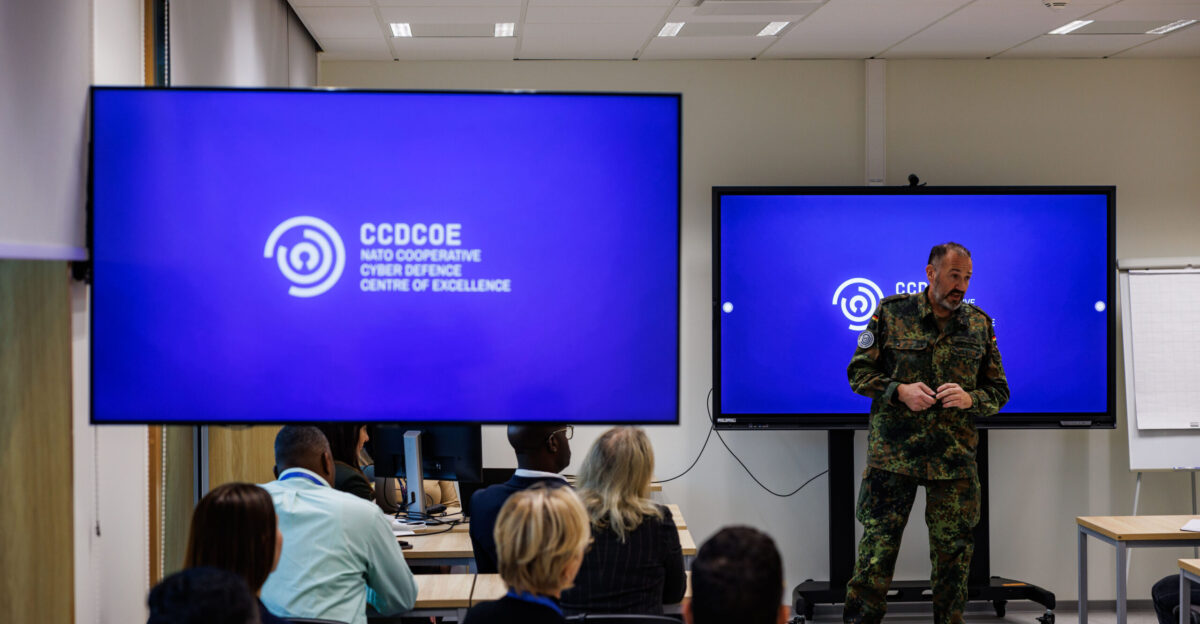
NATO’s investment in cyber defense has become central to its strategic objectives. With the rise of cyber threats, the alliance has prioritized securing critical infrastructure and maintaining dominance in cyberspace.
This includes the creation of specialized defense centers and protocols designed to counter cyber warfare, a growing front in modern conflict.
Alliance Consensus
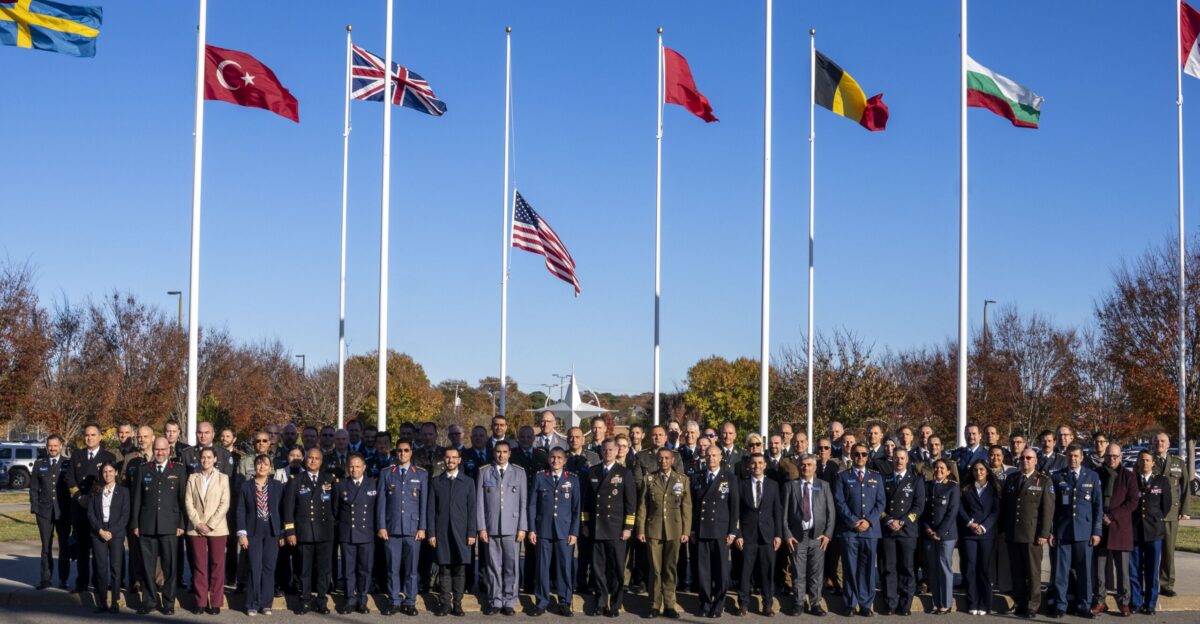
Despite occasional disagreements among NATO members, the alliance has demonstrated its ability to reach consensus on key security issues.
This political unity enables NATO to present a solid front against external threats, enhancing its credibility as a collective defense organization.
Deterrence Doctrine
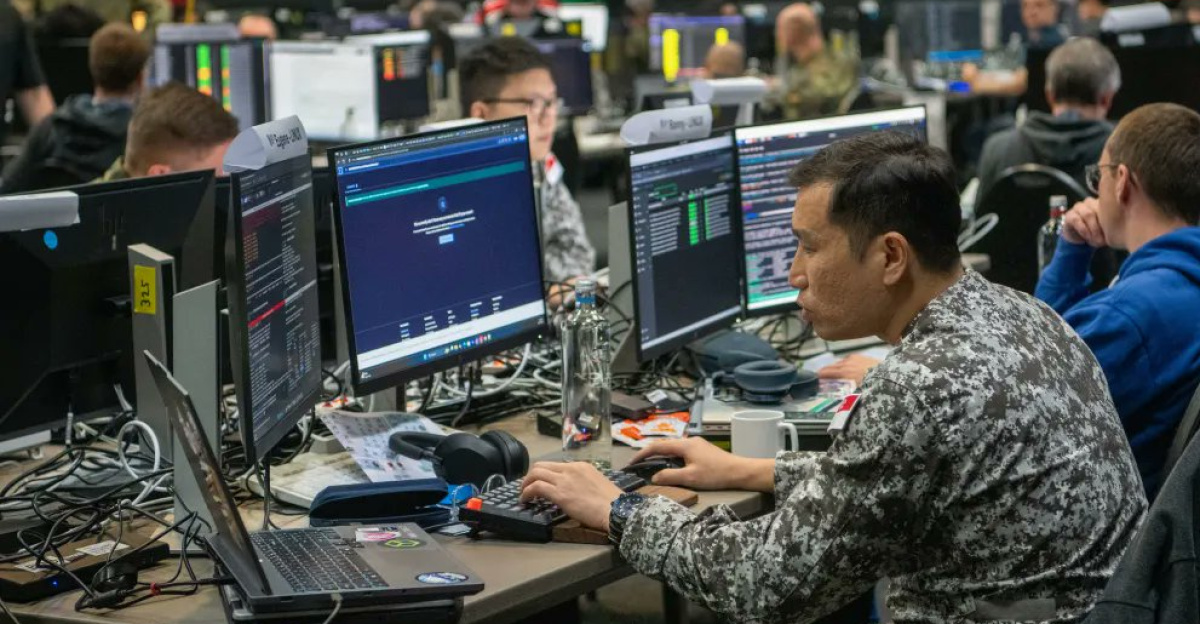
NATO’s deterrence strategy has evolved to address contemporary threats, including cyberattacks, hybrid warfare, and rapid-response operations.
This updated doctrine emphasizes the need for flexibility in dealing with non-traditional threats, reflecting the changing nature of warfare in the 21st century.
Putin’s Public Statements
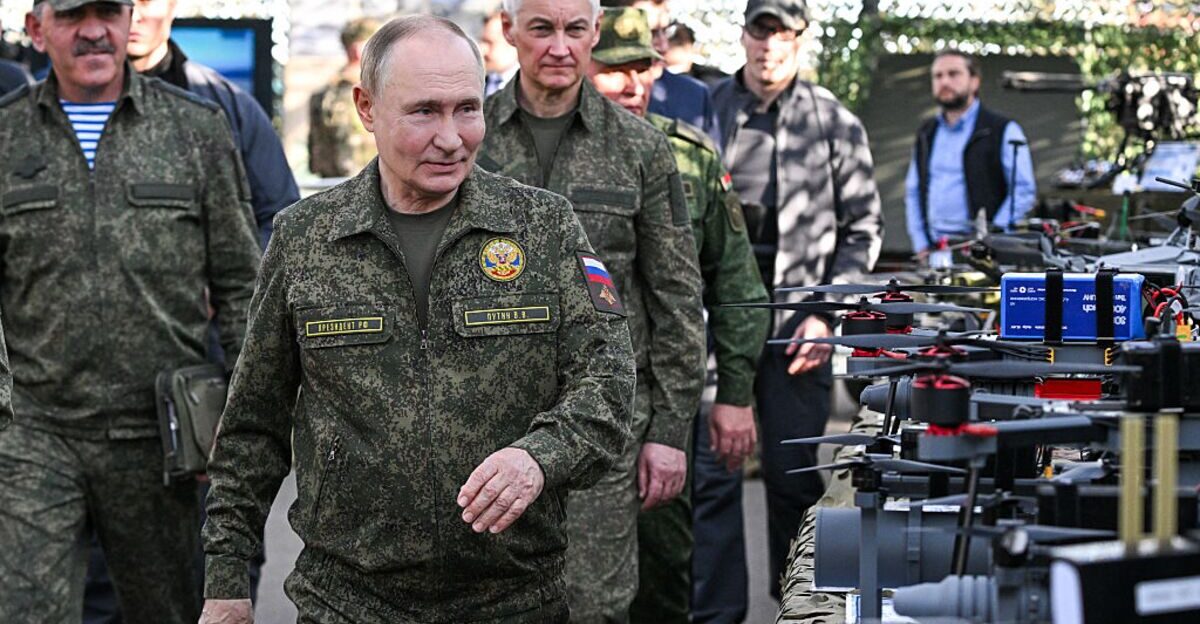
Vladimir Putin’s public statements often highlight his concerns about NATO’s proximity to Russia’s borders. His rhetoric reflects a long-standing Russian fear of encirclement and a desire to push back against what he sees as an expansionist alliance.
Strategic Assessment
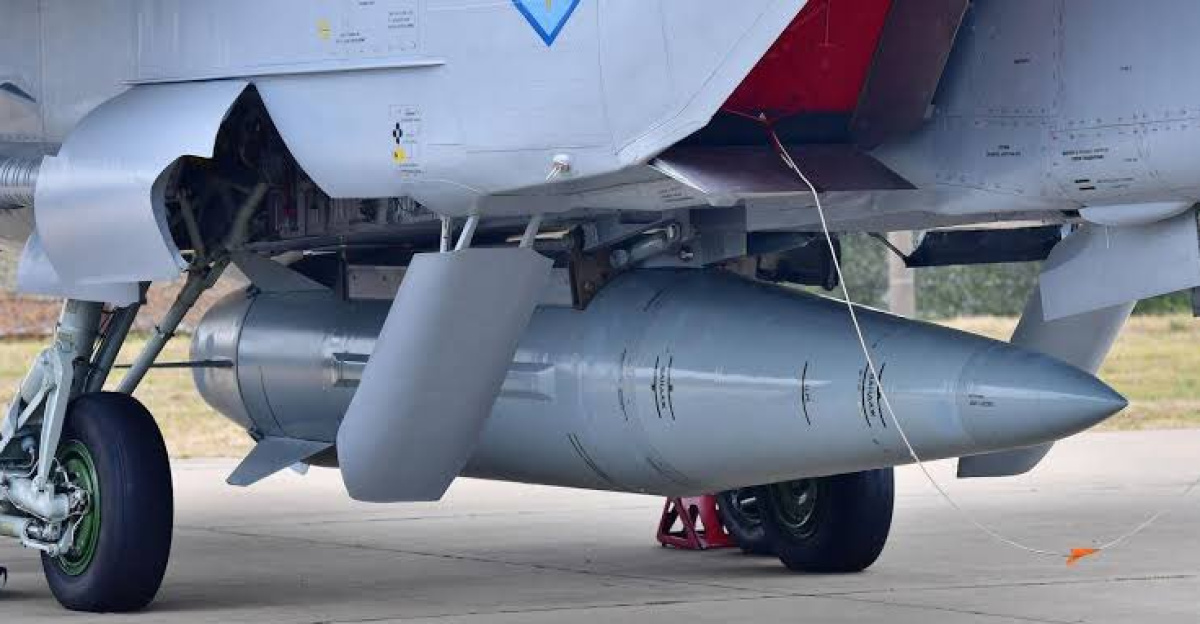
Military experts recognize NATO’s technological superiority, particularly in cyber and advanced weapons systems. However, Russia has also adapted, focusing on countermeasures like hypersonic missiles and electronic warfare to neutralize NATO’s advantages, creating a tense military balance.
The Balance of Power
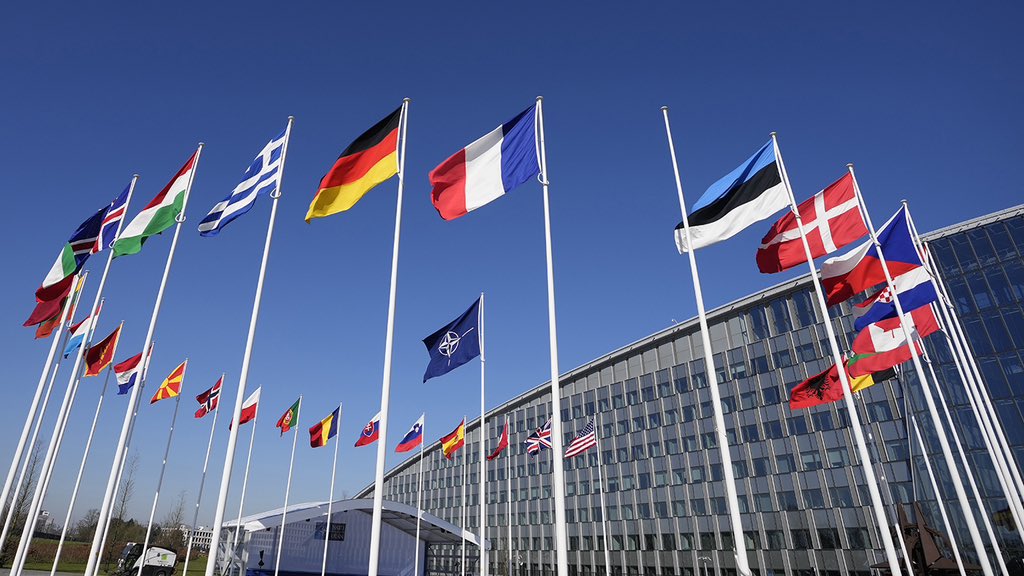
The balance of power in Europe remains in flux, as NATO continues to modernize its forces and expand its reach. Russia’s actions, including its invasion of Ukraine, have galvanized NATO unity and accelerated the alliance’s expansion.
The ongoing competition will shape the future of European security for years to come.