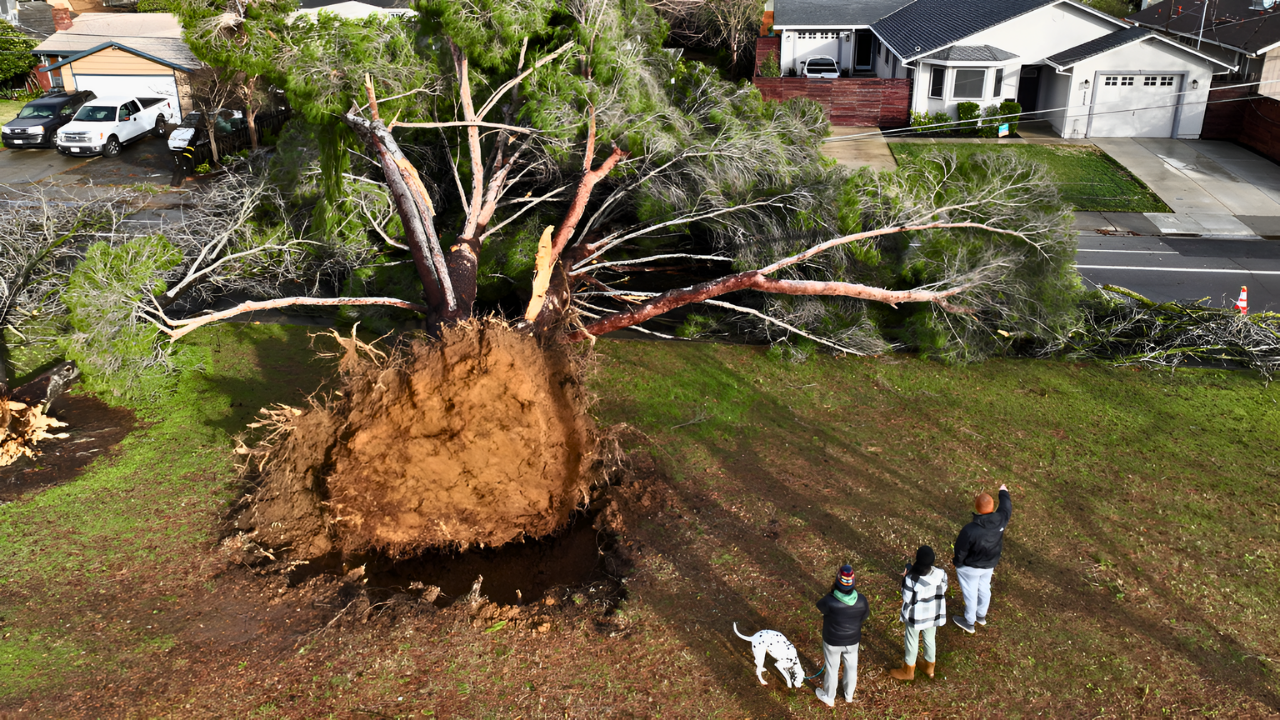
Oak trees pose major structural risks to American homes despite their popularity. The U.S. has about 90 oak species. People love oaks for their strength, long lives, and beauty. However, their extensive lateral root systems spread far beyond what homeowners expect.
Oak roots extend 2-3 times wider than the tree’s canopy. A 40-foot oak canopy has roots that spread 80-120 feet from the trunk. This underground network puts multiple neighborhood properties at risk, even if the tree isn’t on your land.
Damage Patterns and Prevention
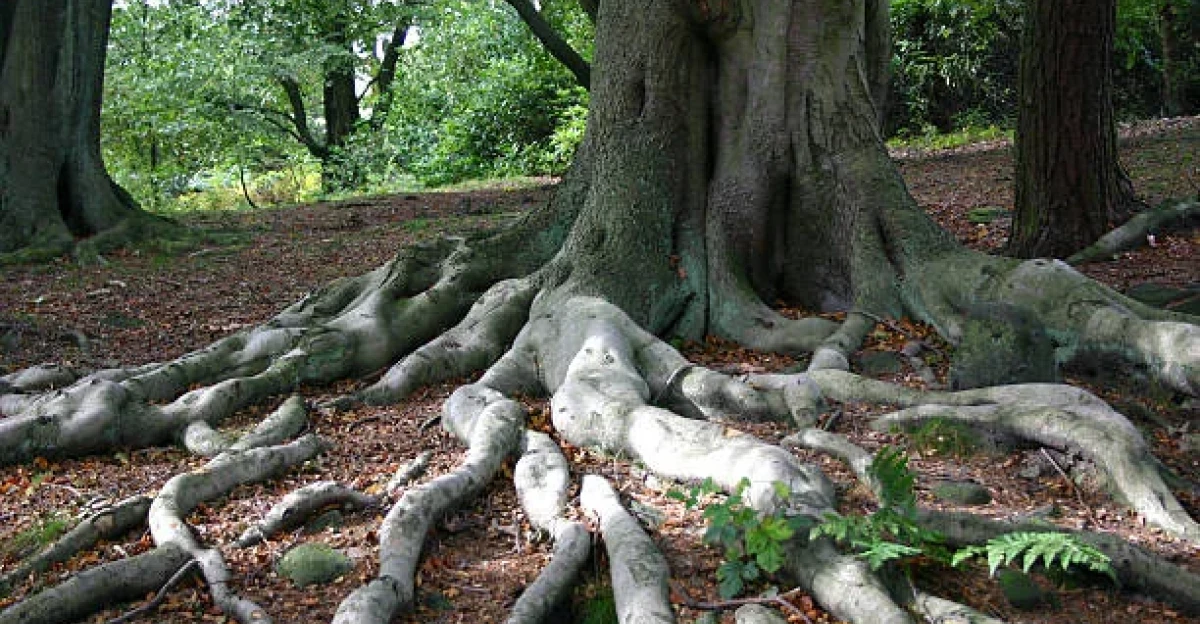
Oak roots damage foundations in two ways: direct pressure and soil drying. The roots grow horizontally, searching for water and nutrients. They push against concrete, cracking and fracturing it. They also remove moisture from soil under foundations, causing settling and shifting.
Homeowners notice stair-step cracks in brick or block foundations. Doors and windows stick or won’t close properly. Floors become uneven. Keep oak trees 25-30 feet from your foundation. Install root barriers if an oak exists near your home. Monitor your foundation regularly for new cracks, especially with mature oaks nearby.
2. Silver Maple
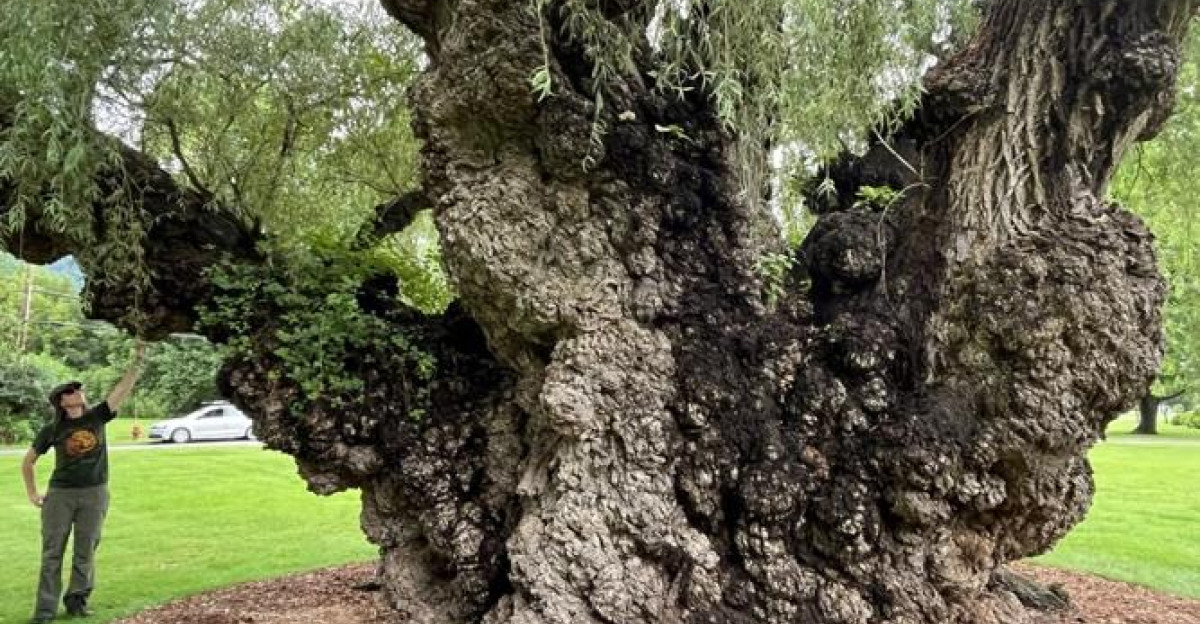
Silver maples are highly problematic for urban and suburban infrastructure. These trees grow quickly with attractive, shimmery leaves that flutter beautifully. However, they conceal a serious threat: massive, rapidly growing, and extremely shallow root systems.
Silver maple roots clog water lines and break sidewalks. The root system competes fiercely with grass and vegetation for nutrients. Roots often emerge above ground, creating tripping hazards. These surface roots demonstrate how closely the root network approaches the soil surface, making it extremely hazardous to nearby infrastructure.
Sidewalk and Foundation Damage
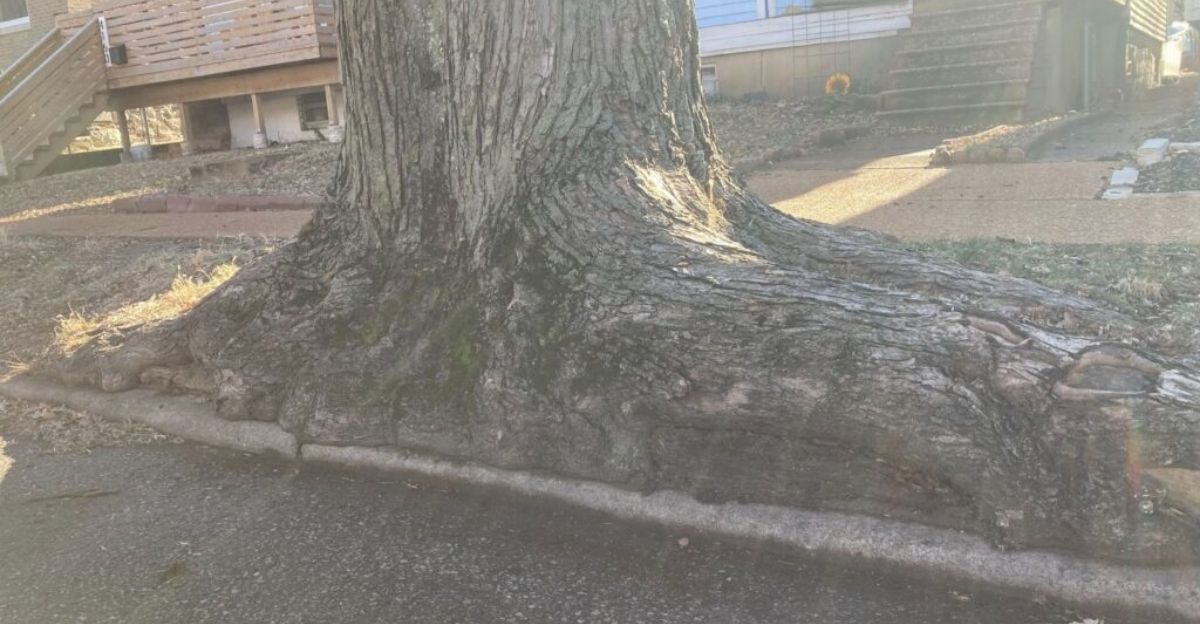
Silver maples create extensive surface root networks that aggressively compete with urban infrastructure. Mature silver maples crack driveways, buckle sidewalks, and damage foundations through relentless root expansion. Damage occurs progressively: roots initially cause minor surface upheaval.
Then they create trip hazards. Eventually, they infiltrate foundation cracks and underground pipes. One mature silver maple costs homeowners thousands in repairs to sidewalks, driveways, and foundations. If you have a silver maple nearby, monitor it for early signs of root damage. Intervention becomes more challenging once serious damage has developed.
3. Norway Maple
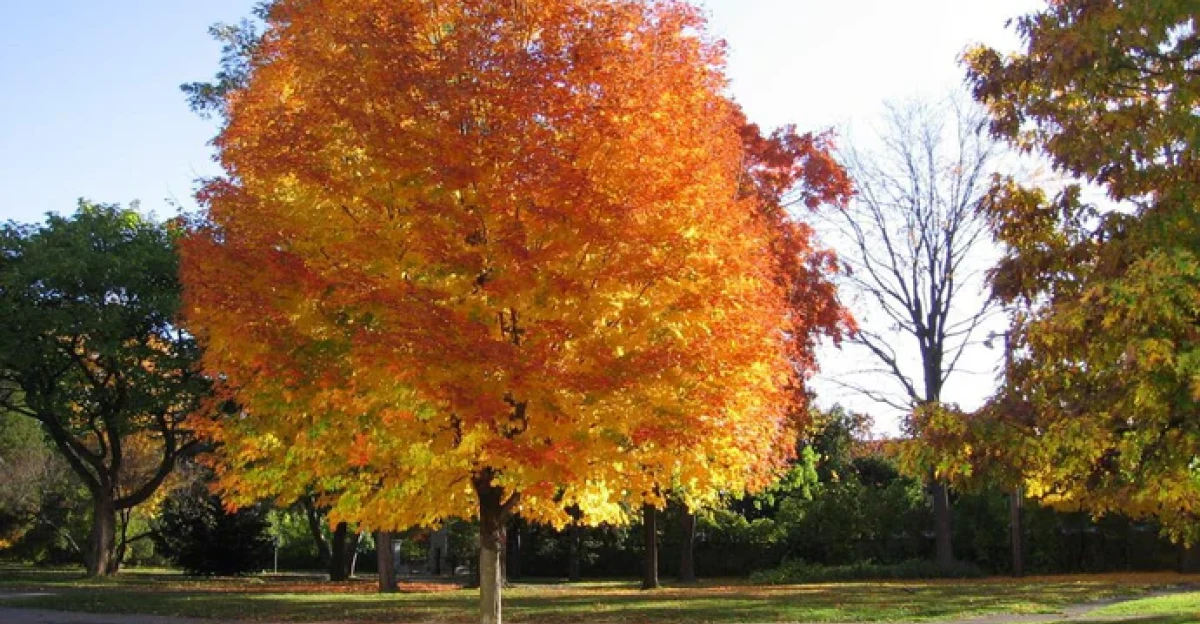
Norway maples develop moderately aggressive root systems that frequently damage nearby concrete structures. Their roots explore the soil beneath foundations. What makes them concerning is their shallow root system. The roots of the weeds compete directly with those of the lawn grass for nutrients and water.
These fast-growing trees establish extensive root networks that emerge at the soil surface as they mature. They actively exploit cracks and weaknesses in concrete. Roots grow horizontally rather than deeply, staying in constant contact with sidewalks, driveways, patios, and foundations. Unlike deep-rooted trees, Norway maple roots pose a threat to all ground-level infrastructure.
Property Damage and Risk Management
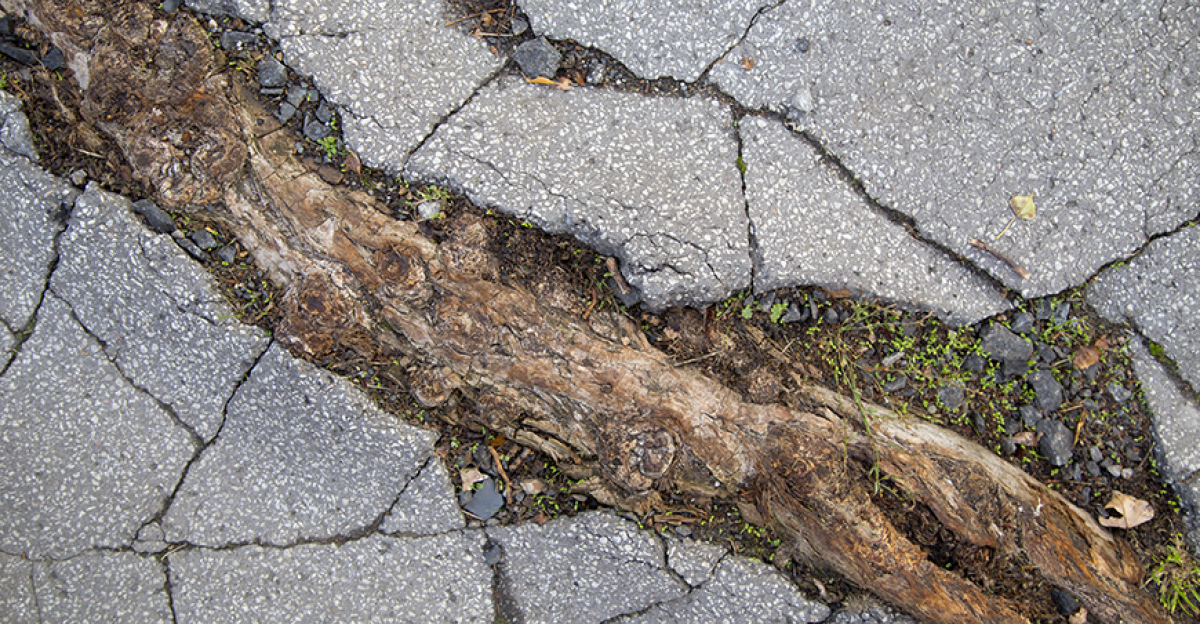
Norway maple damage appears in multiple ways: cracked and heaved sidewalks, displaced pavement, foundation cracks, and damaged underground utilities. Even young trees cause visible concrete damage within 10-15 years of planting. Avoid planting Norway maples within 25-30 feet of your home, foundation, or sidewalks.
If one exists on your property, inspect it regularly to catch damage early. Root barriers redirect root growth away from structures, but require professional installation and maintenance. Sometimes, tree removal is the most practical solution, especially with significant structural damage present.
4. Poplar Trees
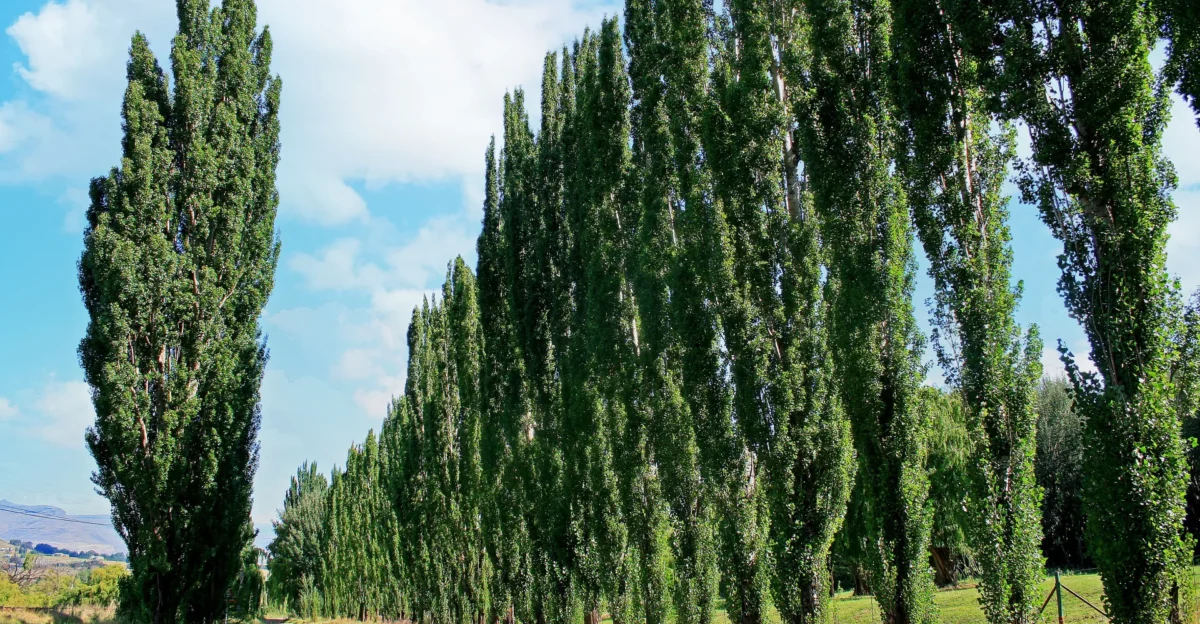
Poplar trees exhibit rapid growth and invasive root systems, posing significant concerns for residential foundations and infrastructure. These fast growers establish themselves quickly in urban environments, often near homes and businesses. Their towering height and rapid growth appeal to many for quick shade or privacy screens. However, their roots pose a serious threat to property stability.
Poplar root systems spread extensively and grow aggressively. They mix shallow and deep roots. Unlike some trees that avoid compacted soil, poplars take advantage of every expansion opportunity. Old foundations, especially those with poplar roots, suffer from damage. Roots find small cracks and imperfections, then grow into them, widening the damage over time.
Foundation Infiltration and Long-Term Damage
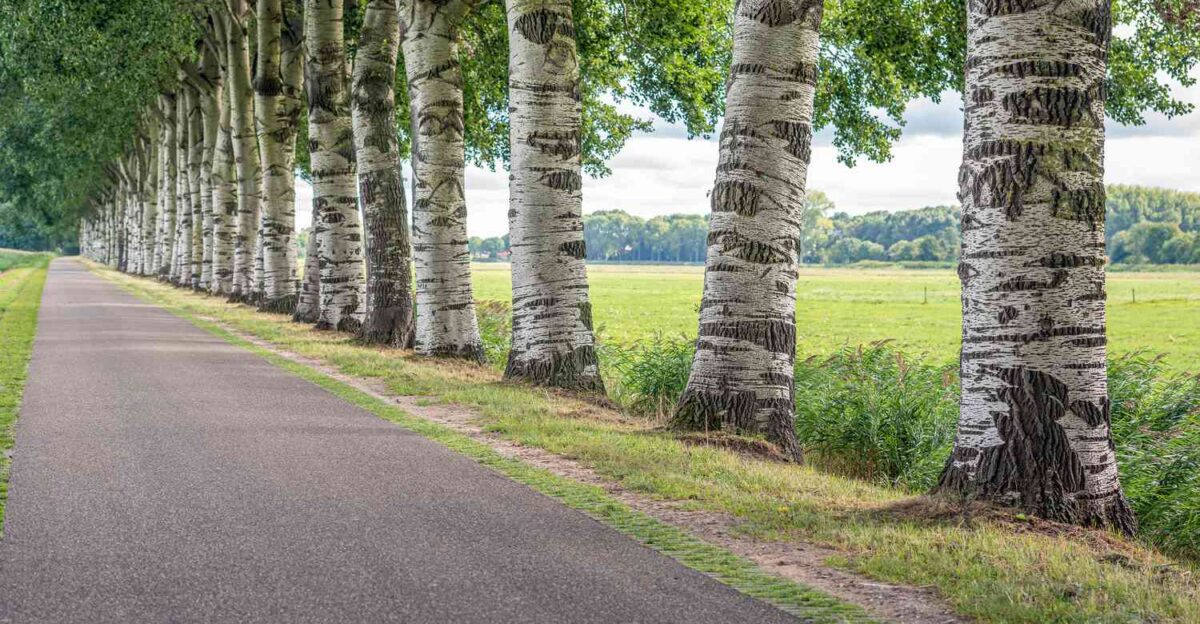
Poplar roots seek moisture and may encroach beneath foundations, destabilizing and causing soil to settle. Aggressive poplar growth exacerbates existing foundation problems, such as cracks or settlement. Common damaging species include Eastern cottonwood and Lombardy poplar, both of which are frequent in urban settings. Homeowners with poplars need proactive protection.
Install root barriers at planting time, though this helps less with established trees. Monitor foundations regularly, as poplar roots may remain dormant and then suddenly become aggressive, especially during dry periods when they seek water. Have foundation inspectors evaluate potential issues if poplars stand within 40 feet of your home.
5. Weeping Willow
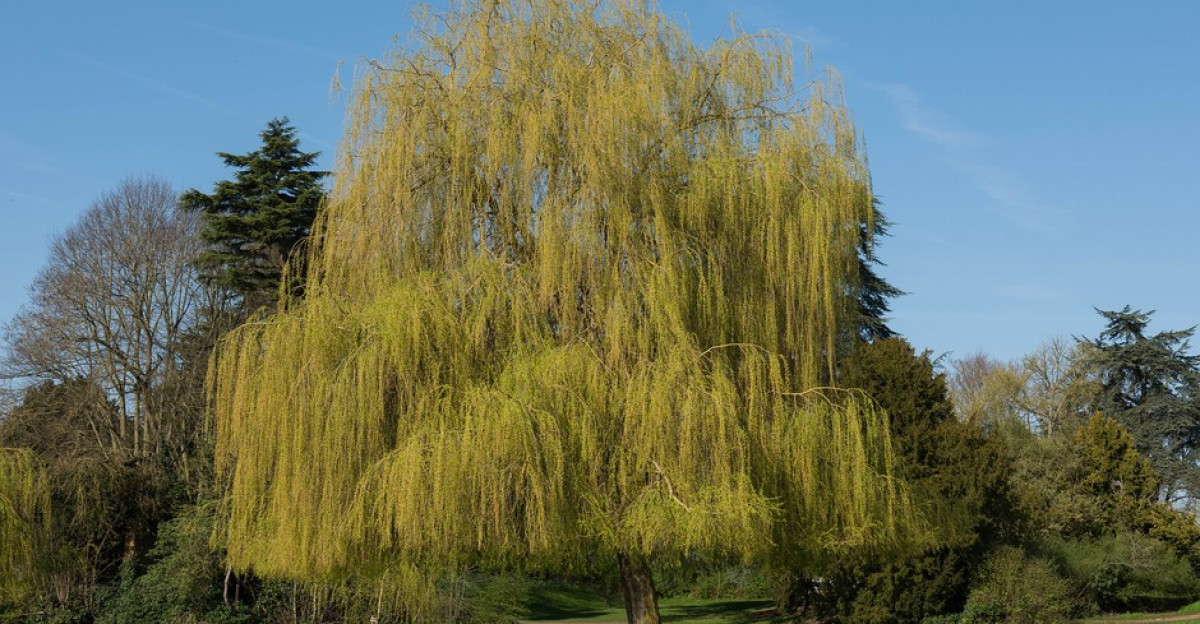
Weeping willows have notorious invasive root systems that extend deep into the soil, aggressively seeking water sources. These large shade trees attract people with their graceful drooping branches and waterfront associations. However, their roots rank among the most aggressive of any common tree species.
Willow root systems ruin underground water lines and crack poured pavement, as documented by many experts. Roots actively seek water, making them especially dangerous near underground utilities, drainage systems, and foundation cracks. Septic systems and wet yard areas attract willow roots, which relentlessly grow toward these moisture sources regardless of structural damage.
Water Damage and Utility Threats
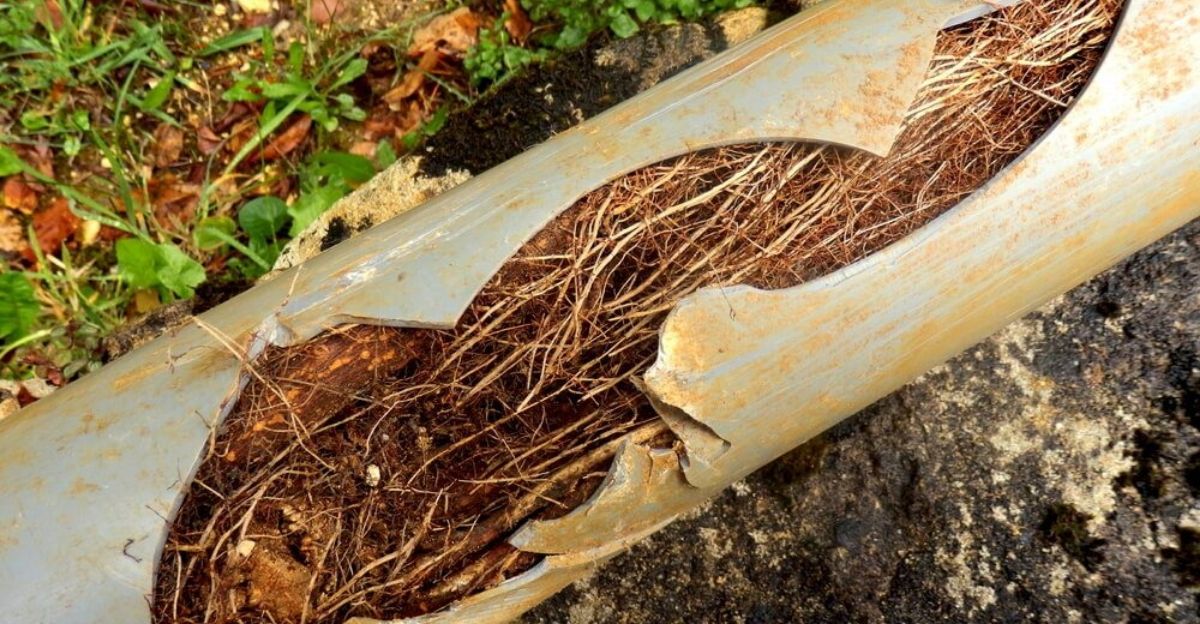
Willow roots invade and clog sewer lines, drainage pipes, and water lines. This damage causes expensive repairs requiring excavation and pipe replacement. Roots commonly crack poured concrete, creating safety hazards and structural damage. Weeping willows also grow exceptionally wide, often spanning 50-60 feet, with low-hanging branches that require significant property space.
They’re susceptible to disease and pests, which adds to their maintenance costs. If you have a willow on your property, keep it at least 50 feet away from your house, septic system, well, and drainage infrastructure. This tree’s aggressive nature makes it suitable only for large properties.
6. Ash Trees
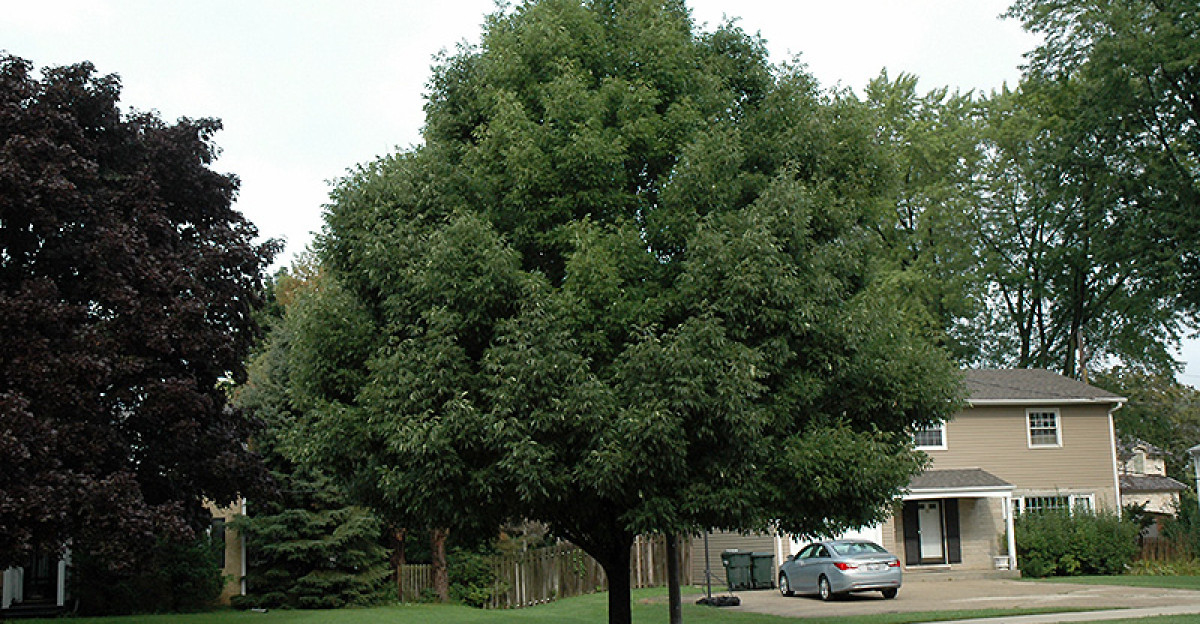
Ash trees, particularly white ash, grow quickly with lateral, invasive roots that are notorious for causing future foundation problems. These trees become popular in residential landscapes for their rapid growth and attractive appearance. However, their aggressive root systems make them poor choices for properties with nearby structures.
Lateral ash root spread is especially problematic because roots grow outward from the trunk rather than downward. This places them in direct contact with concrete surfaces, sidewalks, driveways, and foundation systems. As these trees mature over 15-20 years, their expanding root system becomes an increasingly serious threat to nearby infrastructure.
Structural Risk and Management Strategies
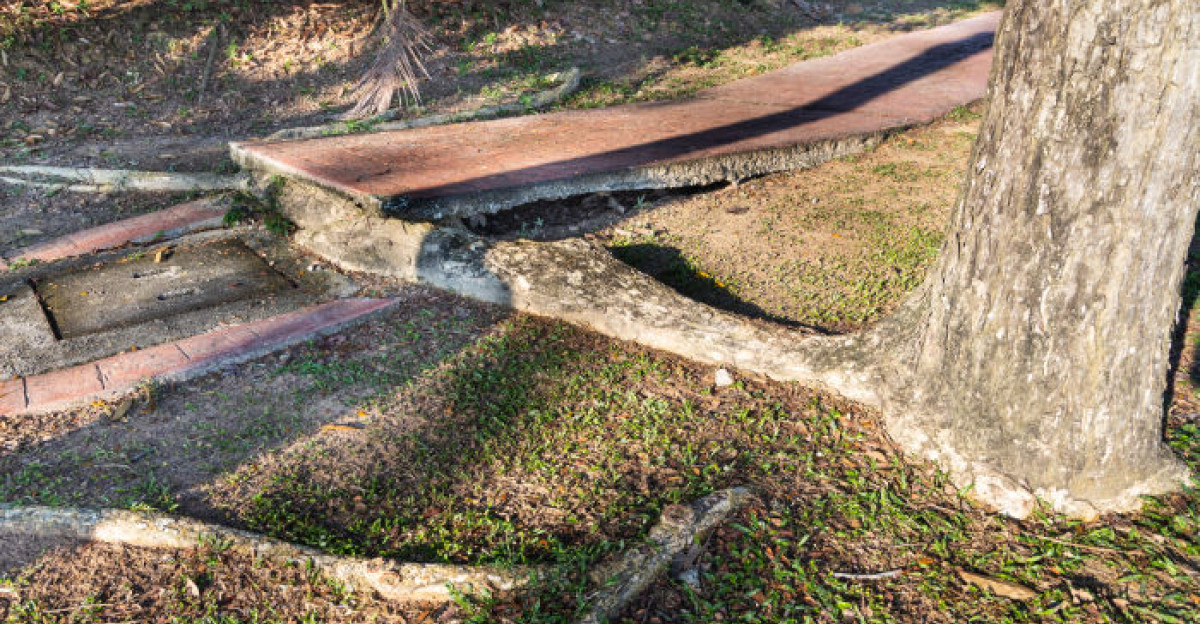
Ash roots damage foundations in two ways: direct pressure and soil displacement. As roots expand, they crack concrete and push against foundation walls, causing settlement and structural movement. Roots also extract significant soil water, potentially causing one foundation section to move more than another.
Plant ash trees 30 feet minimum from your home’s foundation, septic systems, and major utilities. If an ash tree already stands near your home, monitor it closely for signs of damage. Prepare to install root barriers or remove the tree if damage becomes severe. Fast growth and aggressive roots mean even 20-25-year-old trees may show damage today.
7. Black Locust
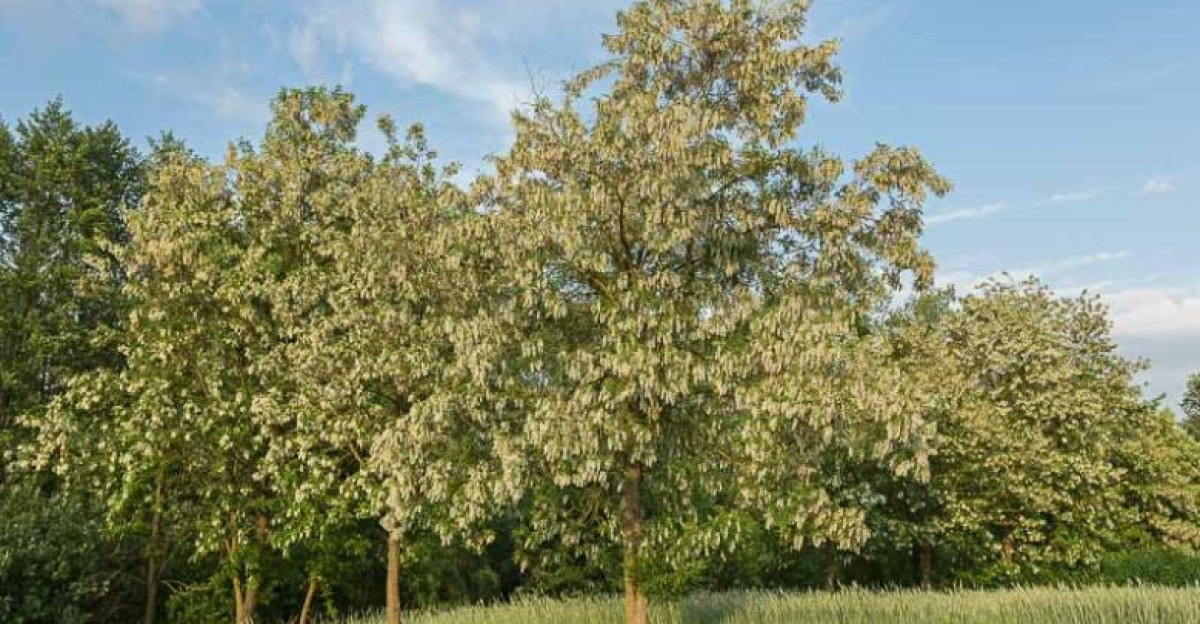
Black locust (Robinia pseudoacacia) is a fast-growing Eastern U.S. tree presenting unique homeowner challenges. This tree is extremely difficult to control once established. It reproduces both through seeds and through aggressive cloning, where new trees sprout from the roots of existing trees.
This reproduction method makes black locusts particularly problematic in residential settings. Removing one tree doesn’t solve the problem because new shoots continually emerge from the remaining roots. Black locust represents a persistent structural threat that’s extremely difficult to manage once established on a property.
Long-Term Property Impact
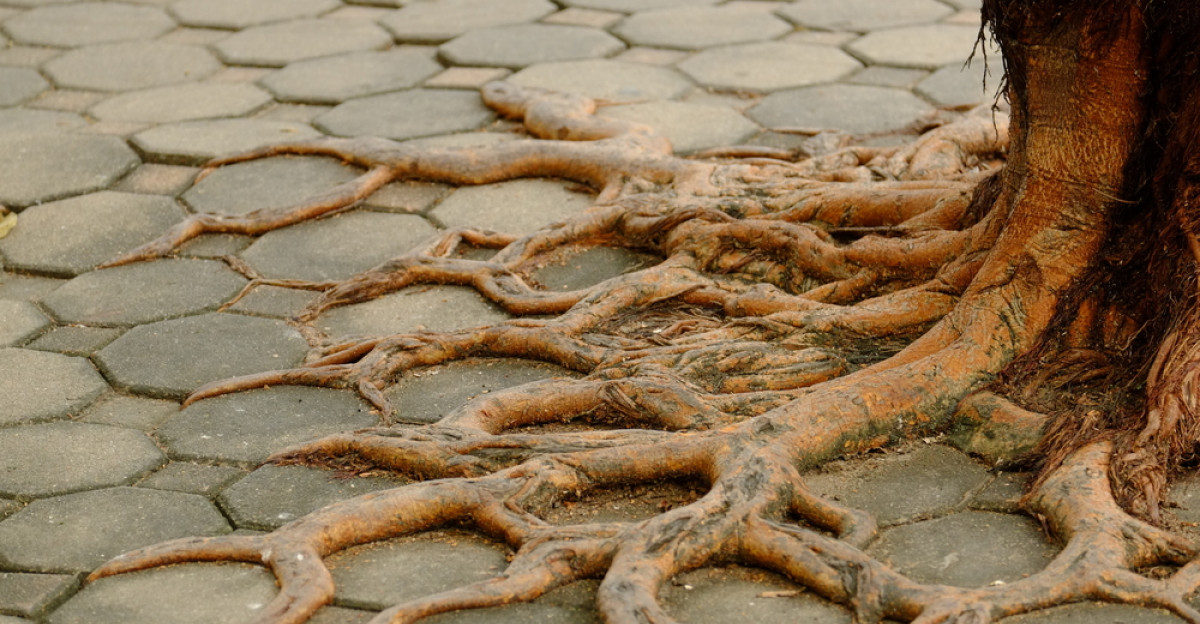
Black locust roots damage foundations through extensive lateral spread and by exploiting existing cracks and weaknesses in concrete. Trees grow rapidly and develop strong root systems actively seeking water and nutrients. The combination of rapid growth, difficult-to-control reproduction, and aggressive root systems makes the black locust a tree best avoided in residential landscapes.
Professional removal is highly recommended over DIY removal, as incomplete removal can perpetuate the problem. Monitor your property for new growth emerging from the root system even after removal. Black locust stumps and roots produce new shoots for years. Professional management costs significantly less than the ongoing expenses of foundation damage and property deterioration.
8. Boxelder
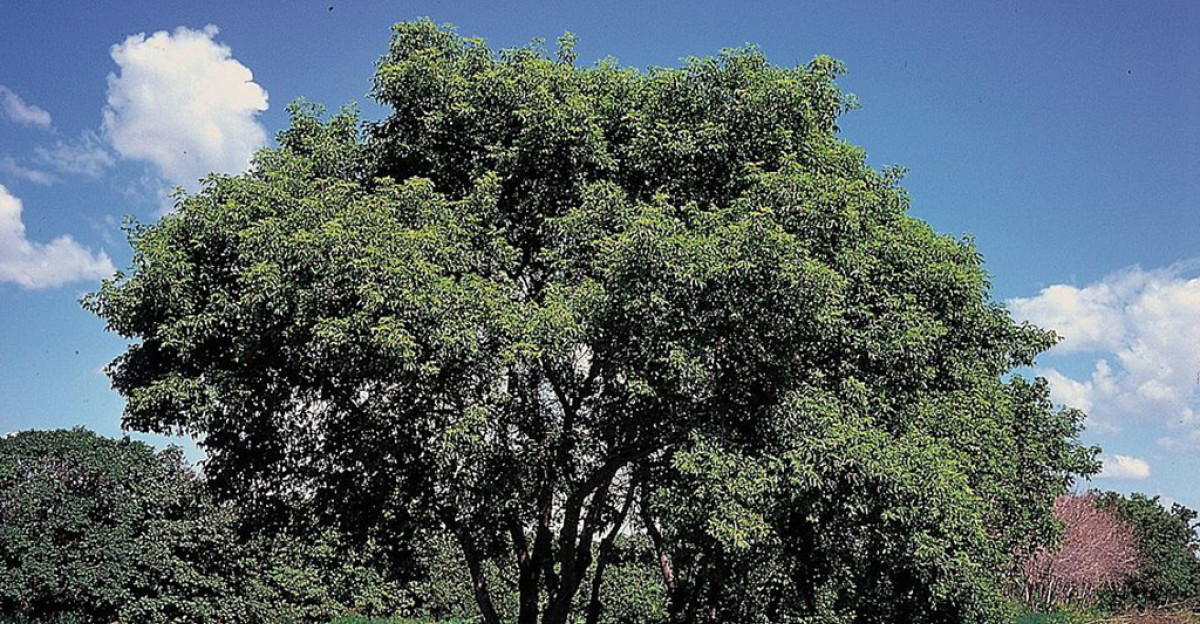
Boxelder trees are undesirable in yards, streets, and urban areas for multiple reasons. They attract boxelder bugs, have short lifespans, and have brittle wood that is prone to dropping branches. According to the U.S. Forest Service, they grow in a wide variety of conditions and pop up spontaneously in many areas.
However, their most significant problem is their very shallow root system. Like Norway maples, boxelders have shallow roots that lift sidewalks and foundations rather than shrinking soil and causing settling.
This heaving action creates uneven surfaces, cracked pavement, and direct upward pressure on foundation walls and slabs. Roots expand outward and upward, creating visible disruptions to the concrete and soil surface.
Sidewalk and Foundation Damage
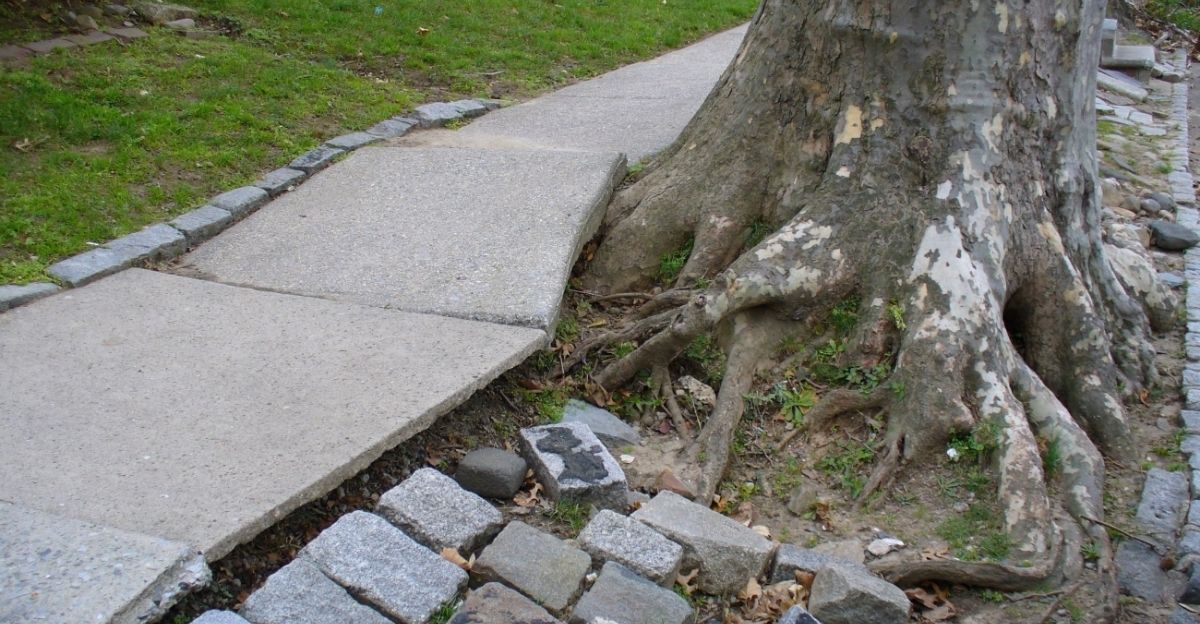
Boxelder root heaving is particularly concerning for sidewalks and patios. As shallow roots expand, they push concrete upward, creating trip hazards and unsightly buckled pavement. Boxelder root damage typically shows as cracking and settlement. Some foundation areas push upward while others remain stable, creating extremely damaging differential movement.
Many municipalities remove boxelders from public spaces and discourage private planting. If you have boxelders near structures, monitor them closely. Their shallow roots make them easier to manage than deep-rooted species. Root barriers work more effectively. However, their poor long-term stability and short lifespan often make removal and replacement with appropriate species the most practical solution.
9. Cottonwood and Eastern Cottonwood
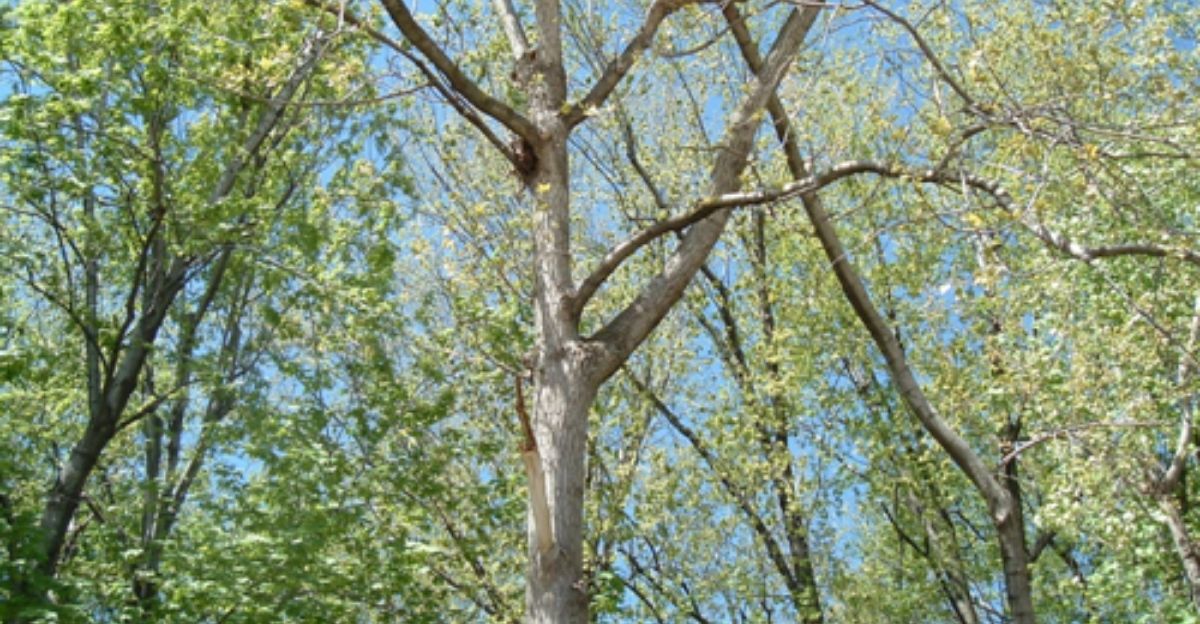
Cottonwood trees, particularly Eastern cottonwood, are large, fast-growing trees with aggressive water-seeking root systems. These trees naturally grow along waterways and in moist areas. They maintain this preference throughout their lives, actively seeking underground water sources regardless of damage. Cottonwood roots spread extensively and behave aggressively when moisture is detected.
A single mature cottonwood draws enormous amounts from the surrounding soil, drying out foundations and utility structures. Their rapid growth and massive size enable them to develop large root systems very quickly compared to slower-growing species.
Extensive Root Spread and Damage
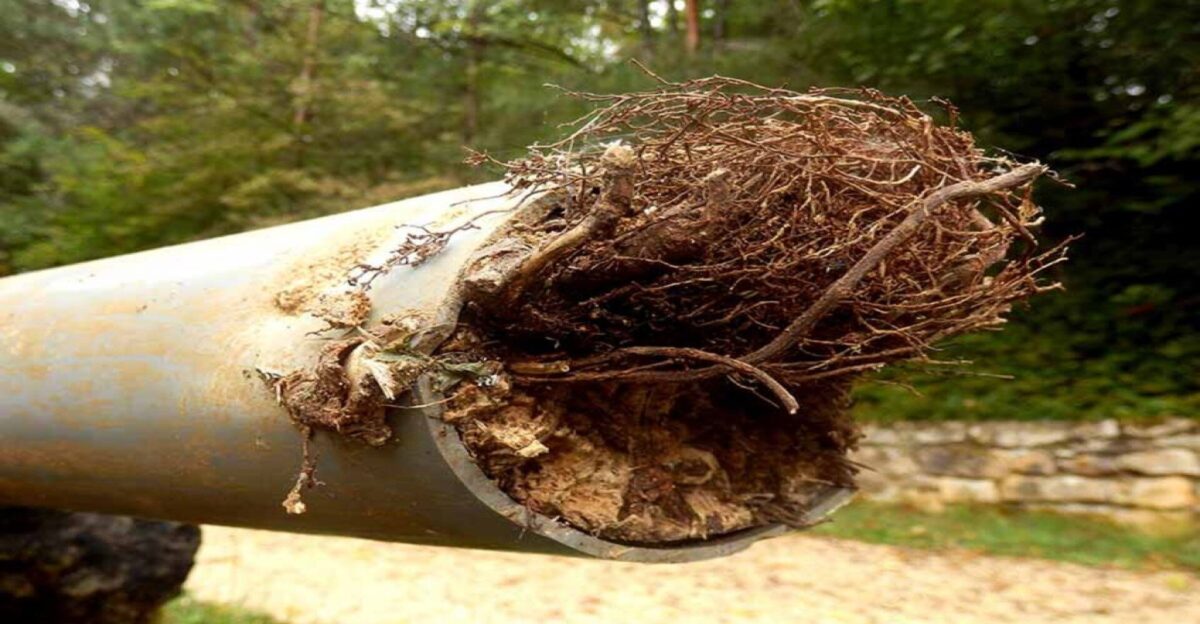
Cottonwood roots commonly invade and clog water lines, septic systems, and drainage infrastructure. Their natural affinity for water means that roots relentlessly pursue any underground moisture source, including leaking pipes that they penetrate and further damage.
Cottonwood roots regularly crack and heave sidewalks and driveways. They cause serious foundation damage through soil displacement and moisture extraction. Keep cottonwoods 50-60 feet from your home, septic system, wells, and drainage infrastructure.
If a cottonwood already stands near your home, professional evaluation of its root depth and spread is recommended before serious damage occurs. Their size and rapid growth mean even young cottonwoods quickly become serious problems. Removal is often most practical.
10. Sweetgum
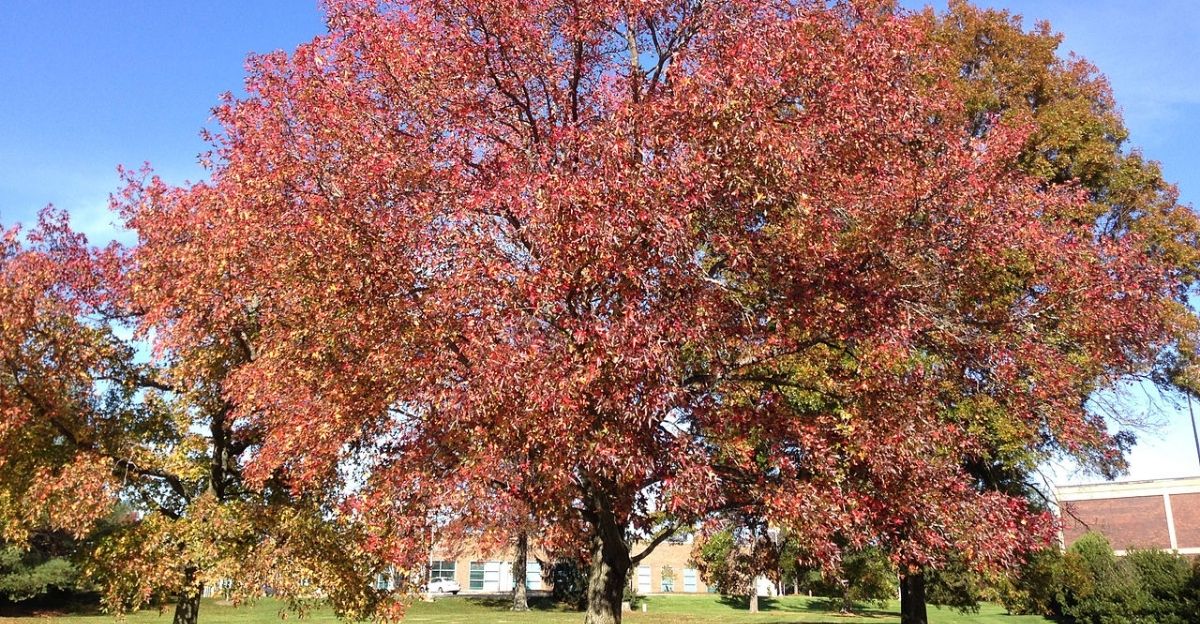
Sweetgum trees (Liquidambar styraciflua) are native southeastern U.S. trees chosen for landscaping despite significant problems. These trees have aggressive root systems actively seeking water and nutrients. They regularly damage underground utilities, foundations, and pavement.
Their roots are particularly problematic in relation to sewer lines and septic systems. Beyond root damage, sweetgums create additional problems: spiky seed pods litter yards year-round. They require significant maintenance and are prone to storm damage due to weak branch structure.
However, the most serious concern remains their root system, which extends far from the tree and damages distant structures.
Long-Term Property Considerations
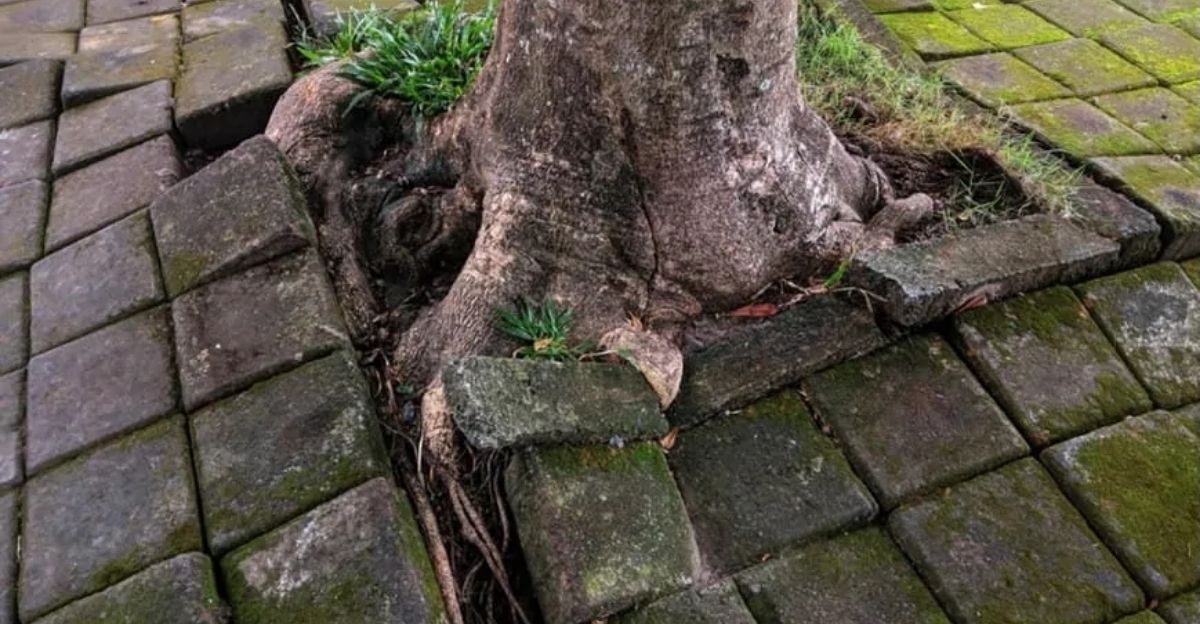
Sweetgum roots typically spread within the top 24 inches of soil, making them particularly dangerous for sidewalks, shallow patios, and pool structures. Their aggressive nature means that roots don’t grow around obstacles, but instead exploit cracks and weak points in concrete and foundation material.
If sweetgums are already established on your property, monitor sidewalks, driveways, and your home’s foundation regularly. Root barriers offer some protection for critical infrastructure, but they require professional installation and regular maintenance.
For properties with space constraints or where trees are close to structures, removal and replacement with non-invasive species is often the best option.
Sources:
Tree Journey, 9 Trees That Can Damage Your Foundation & How To Fix, 2025
American Climbers, Tree Roots Foundation Damage MetroWest MA, 2025
Progressive Tree
How Tree Roots Affect Sidewalks, Pipes, and Foundations in the Chicago Area
2025
MSU Extension, Reducing Damage Caused by Tree Roots, No date provided
Southern Living, 12 Trees That Will Ruin Your Yard
2025
GreenThumb Ottawa, Can a Tree Roots Damage Foundations, 2025