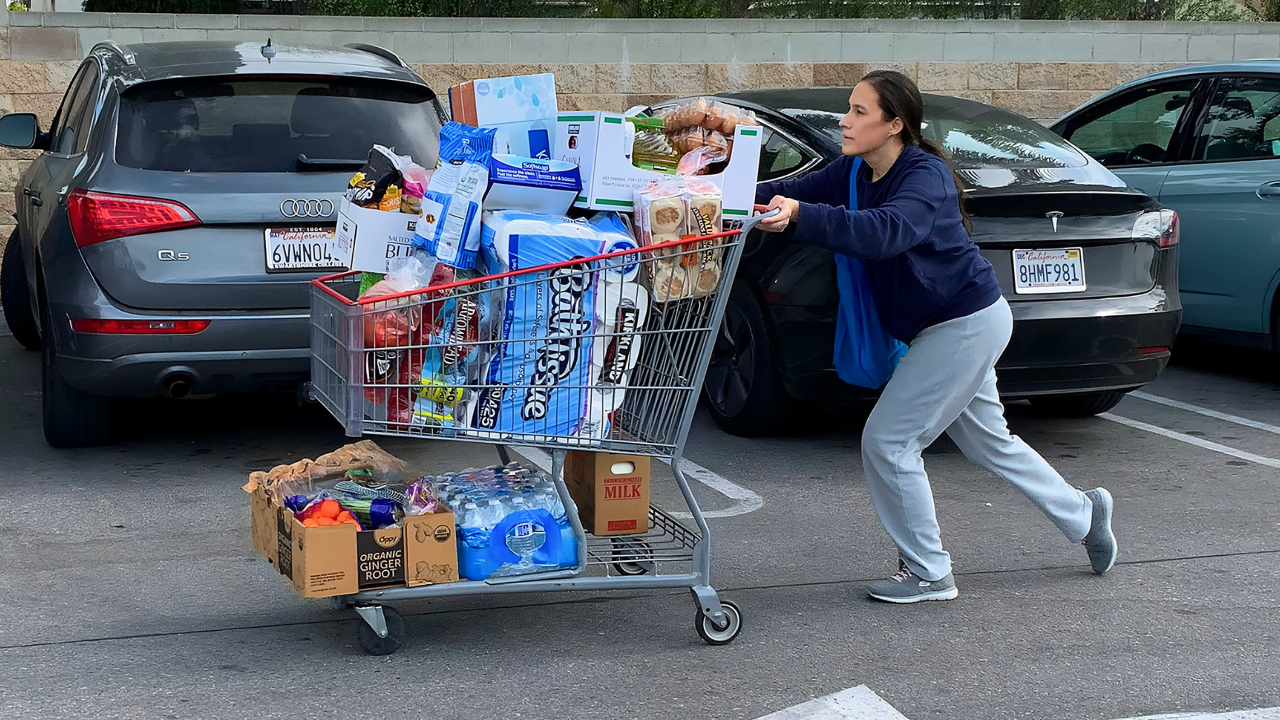
Your shopping cart holds secrets about income levels, exposing how lower-middle-class families view certain grocery staples as rare treats while affluent shoppers bypass them for superior options. These choices highlight not just budgets but priorities in time, quality, and perceived value.
Pre-Marinated Meats: Convenience at a Premium
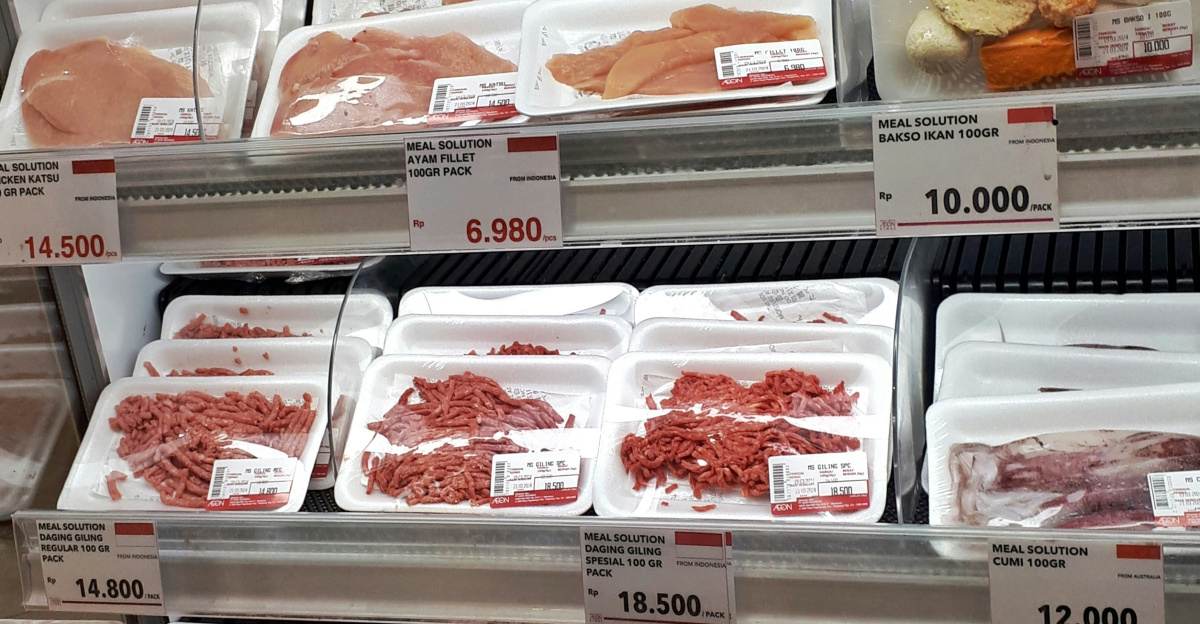
Pre-marinated chicken breasts and pork chops deliver fast, tasty meals for harried households, often costing double the price per pound of plain cuts. A USDA report from August 2024 notes bagged fryer chicken at $1.56 per pound, compared to $2.91 for marinated breasts, factoring in labor and packaging. Lower-middle-class buyers embrace this ease amid daily pressures, while wealthier ones select fresh meat to dictate seasoning and ensure top quality, sidestepping the added expense.
Name Brand Cereals: Weekend Rewards

Sugary favorites like Frosted Flakes and Cinnamon Toast Crunch become special-event indulgences in modest homes, evoking simple happiness despite elevated prices from branding and marketing. Generic versions match them in content and quality, per packaging insights, yet branded boxes persist as aspirational picks. Higher-income families shun them for organic granolas or bulk healthy alternatives, prioritizing nutrition over nostalgic appeal.
Flavored Creamers: Daily Café Escape
Bottles of French vanilla or pumpkin spice creamer, priced $4 to $5 each, turn routine coffee into a budget-friendly luxury, mimicking latte-shop vibes at home. Weekly purchases tally $260 yearly. Budget-conscious users find solace in this ritual during tough routines, but affluent drinkers opt for black coffee or premium beans, eliminating the ongoing outlay.
Frozen Appetizers: Party Quick-Fix
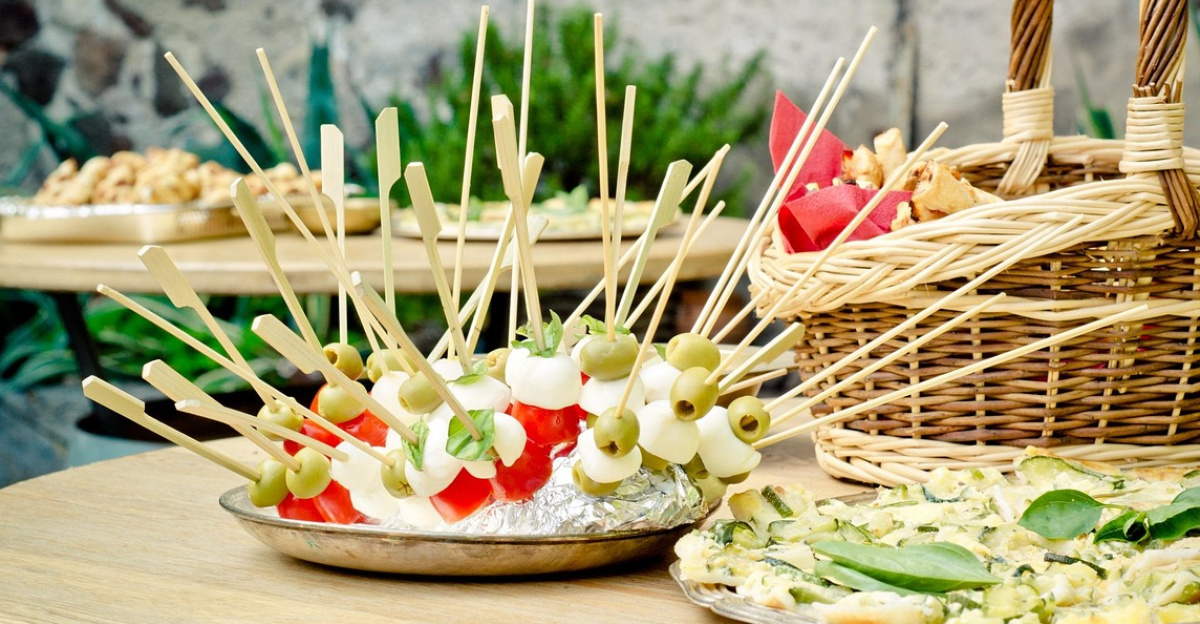
Boxes of mozzarella sticks or jalapeño poppers, around $6 to $7 for a dozen pieces, offer restaurant-style snacks with little prep, ideal for family events or kid treats. Homemade versions cost far less using basic ingredients, yet time constraints make the premium appealing for stretched schedules. Wealthier households prepare fresh or hire catering, viewing frozen options as inefficient symbols of economic trade-offs.
Premium Ice Cream and Beyond: Indulgence Indicators
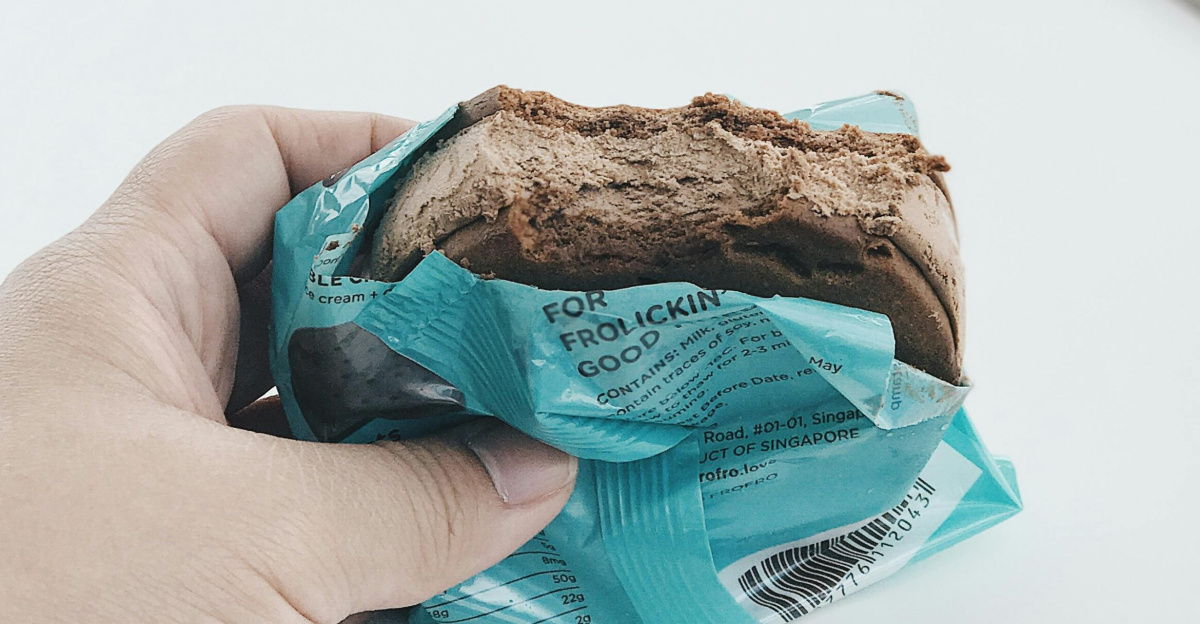
Pints from Ben & Jerry’s or Häagen-Dazs, $5 to $8 apiece, provide emotional uplift for celebrations or stress relief, accumulating $312 annually with weekly buys. Affluent buyers skip store brands for artisan parlors or homemade batches. Similar patterns emerge in juice boxes ($1 to $2 each, pricier per ounce than bulk with high sugar), pre-shredded cheese (double block prices, plus anti-clumping additives harming melt and taste), flavored sparkling water ($4 to $6 per case, versus home systems like SodaStream at pennies per liter), and frozen skillet kits ($8 to $12 for servings outpacing raw ingredient costs).
Grocery choices mirror class dynamics, where convenience premiums burden time-poor families while resource-rich ones invest in control and freshness. Recognizing these patterns empowers smarter spending, potentially easing financial strain without sacrificing small joys. As costs rise, rethinking such splurges could bridge the divide, fostering choices aligned with long-term well-being.