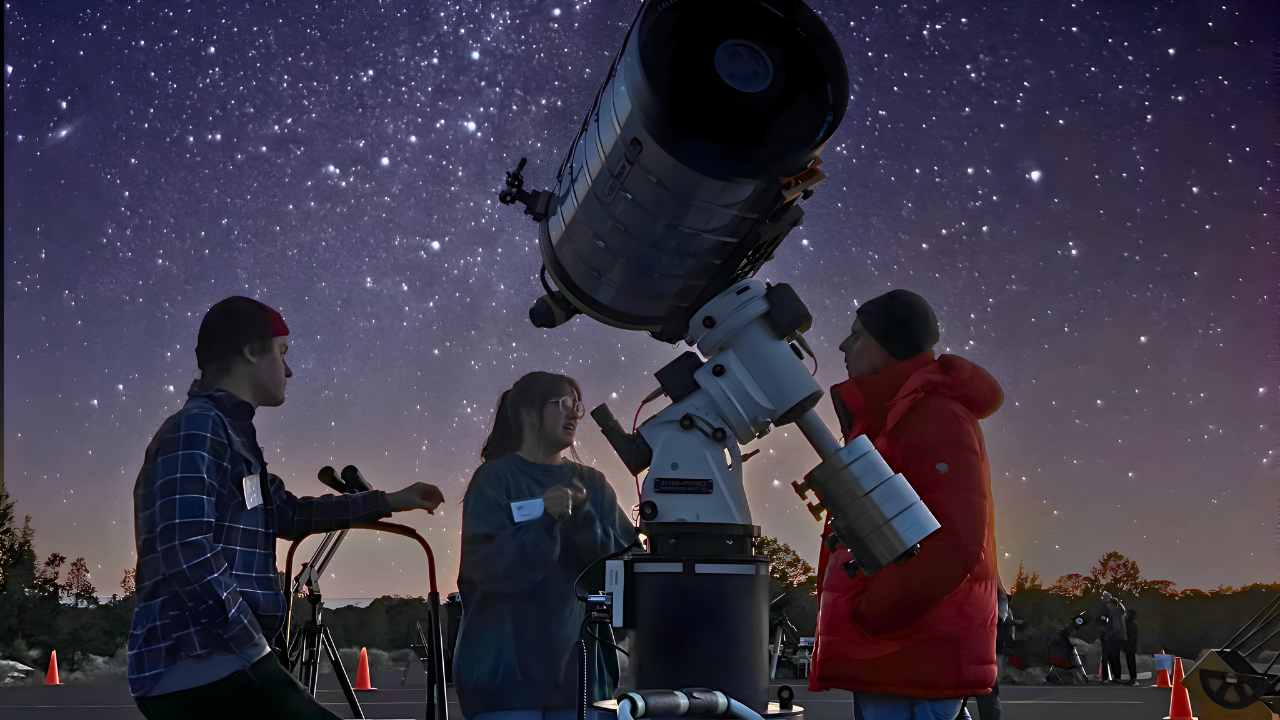
November’s night sky is bursting with cosmic events that promise wonder for everyone, from casual skywatchers to seasoned stargazers. This month brings ten major spectacles, from blazing meteor showers and glowing supermoons to dazzling star clusters and rare planetary alignments.
Each event offers a reason to pause, look up, and connect with the universe above. With a little patience, some warm layers, and perhaps a pair of binoculars, November 2025 invites you to witness nature’s grandest light show right from your own backyard.
1. Mercury’s Morning Show
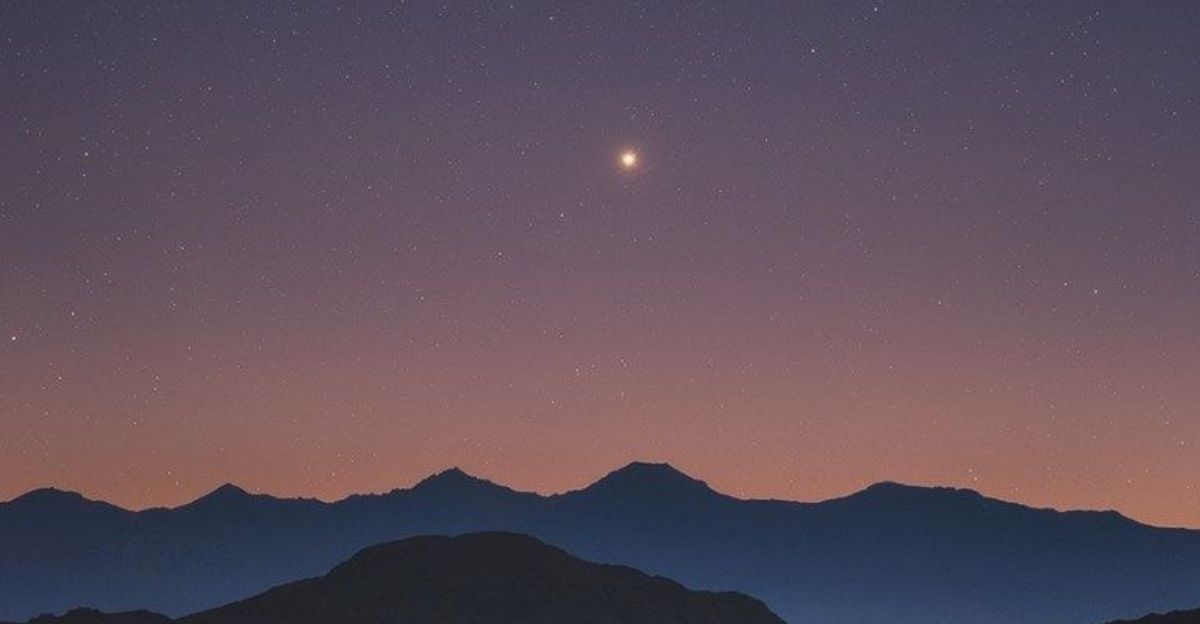
When November begins, Mercury greets early risers with a rare show. On November 1st and 2nd, the tiny planet will be at its highest point just before sunrise, shining low in the eastern sky. This is your best, and perhaps only, chance this year to see Mercury without a telescope.
The soft orange glow of Mercury lasts only about half an hour, so bring coffee, find a clear horizon, and enjoy this fleeting planetary cameo.
Tips for a Perfect Mercury View
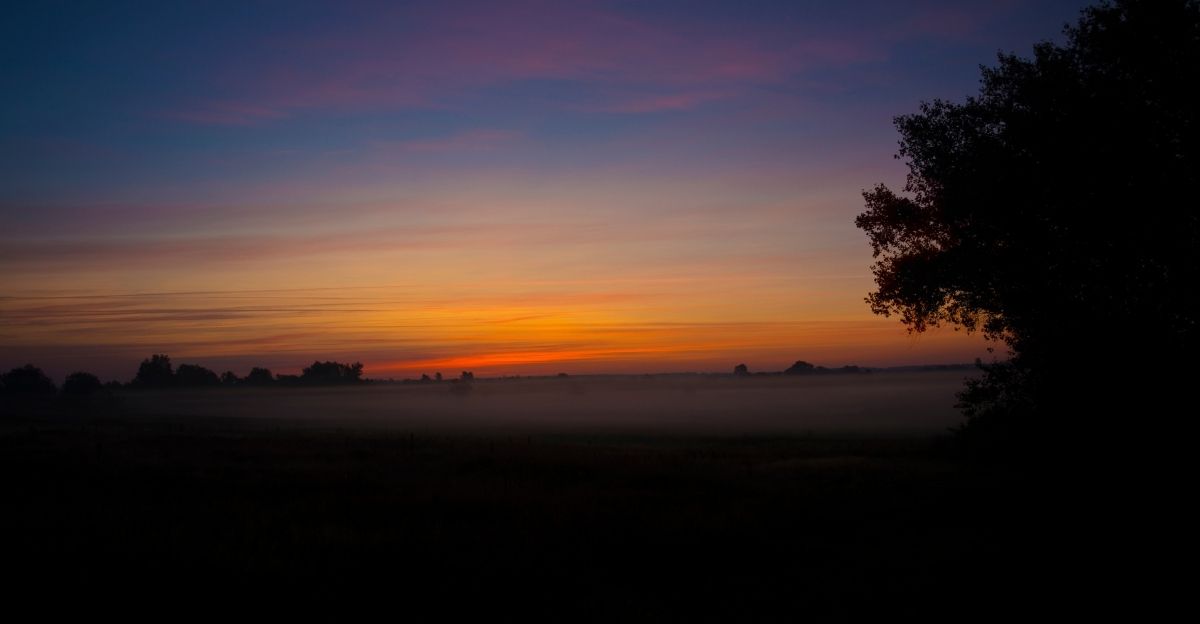
You’ll need a flat, open view of the eastern horizon on those crisp early mornings. Mercury appears around 30 minutes before sunrise, so timing is everything. Check local sunrise times and arrive early to let your eyes adjust to the darkness.
No telescope is required, just a keen eye and patience. Use binoculars for a sharper view if you can. Even beginners find spotting Mercury rewarding.
2. Southern Taurid Meteor Swarm
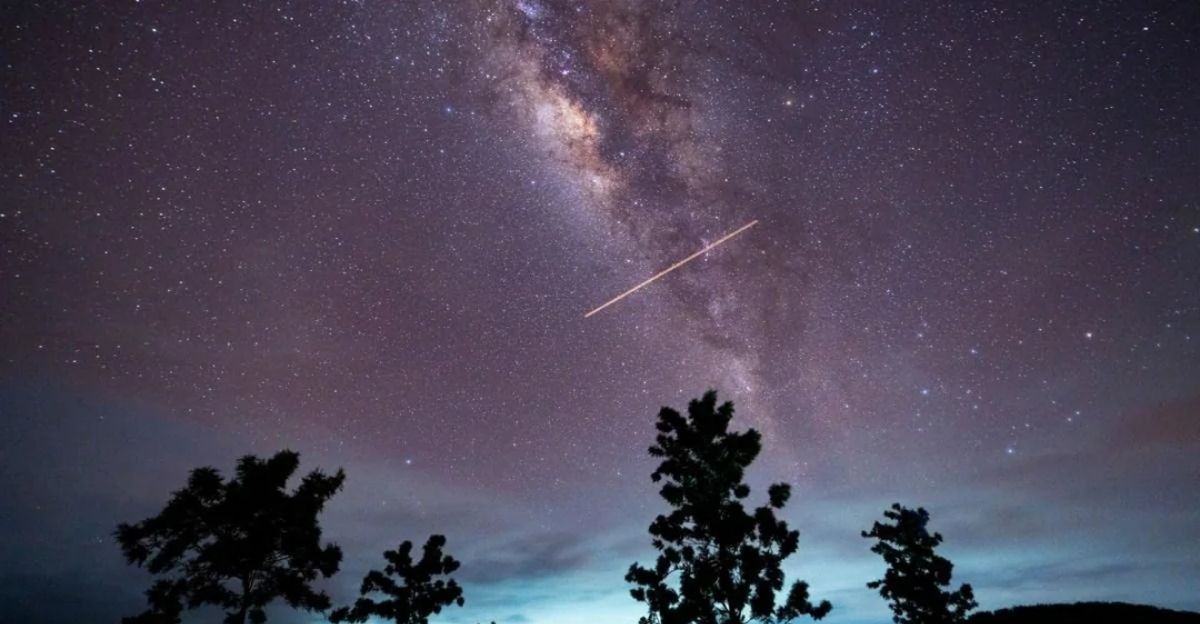
On November 4th and 5th, look up to witness one of the prettiest firework displays nature offers, the Southern Taurid Meteor Shower. These meteors are known for slow, bright streaks that sometimes explode into rolling fireballs. They come from ancient pieces of Comet Encke that burn up beautifully in Earth’s atmosphere.
Why This Year’s Taurids Are Special
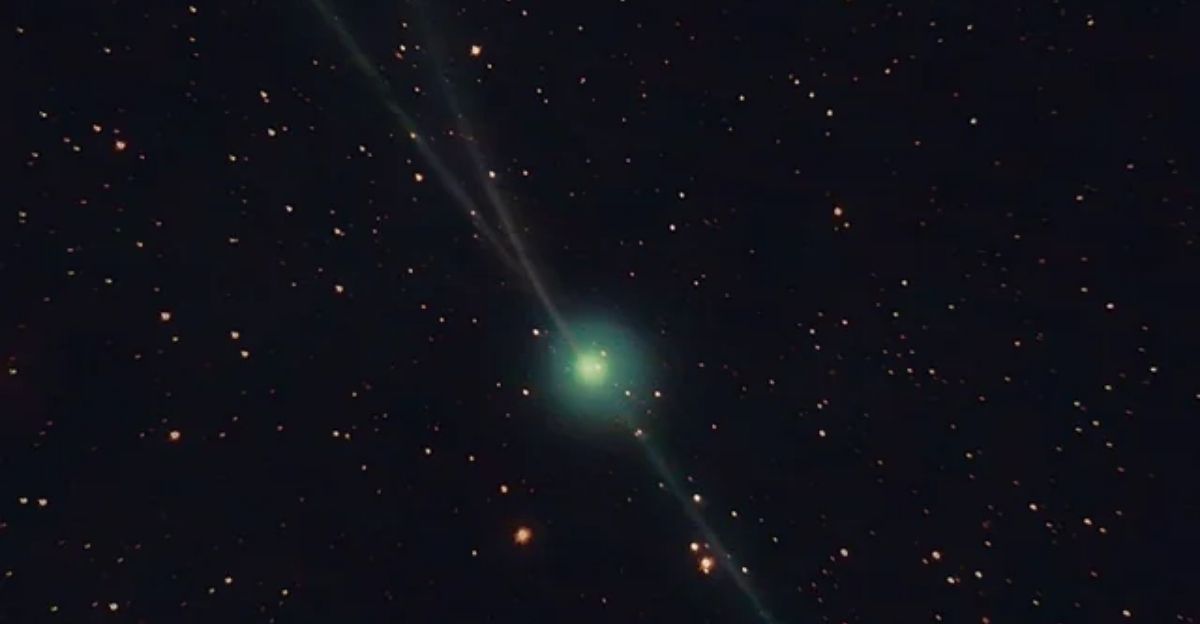
Experts predict 2025 as a swarm year, meaning Earth passes through a thicker part of Comet Encke’s debris trail. That means many more fireballs light up the night compared to normal years.
Some Taurids shine brighter than Venus, leaving colorful trails that last for seconds. Plan to observe after midnight when skies are darkest.
3. November’s Super Beaver Moon
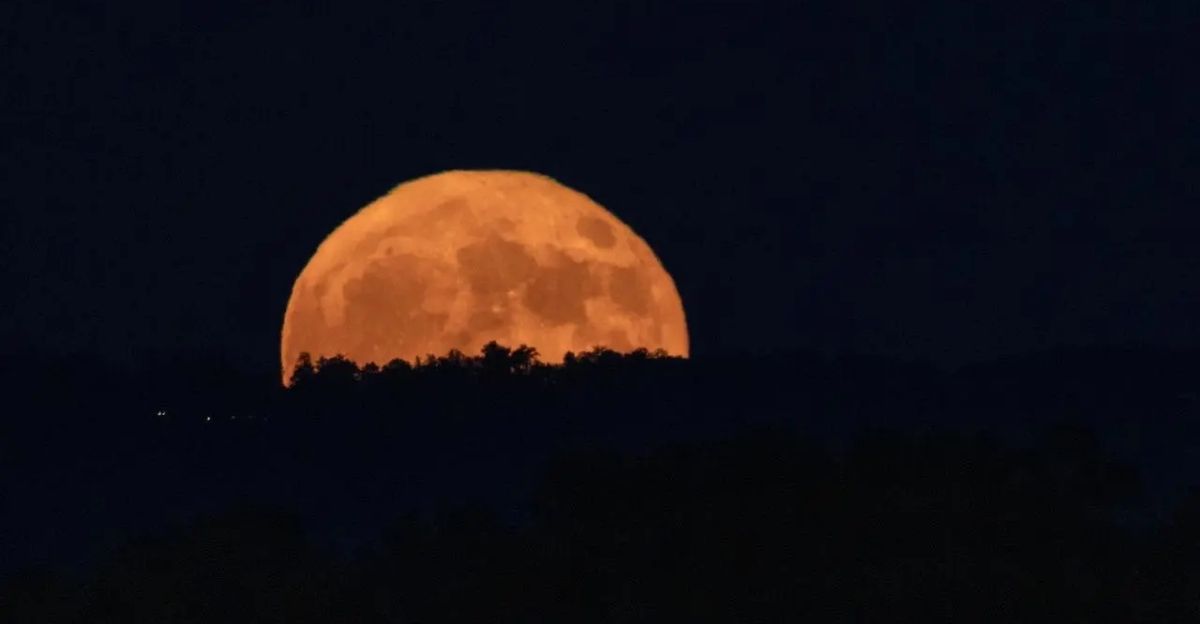
On November 5th, the Beaver Moon rises huge and golden on the horizon, a supermoon, the largest of 2025. The name comes from Native American traditions marking the time beavers prepare for winter.
This supermoon will appear up to 14% larger and nearly 30% brighter than usual. Many stargazers and photographers will be out as it lights the sky well into dawn.
The Science of the Supermoon
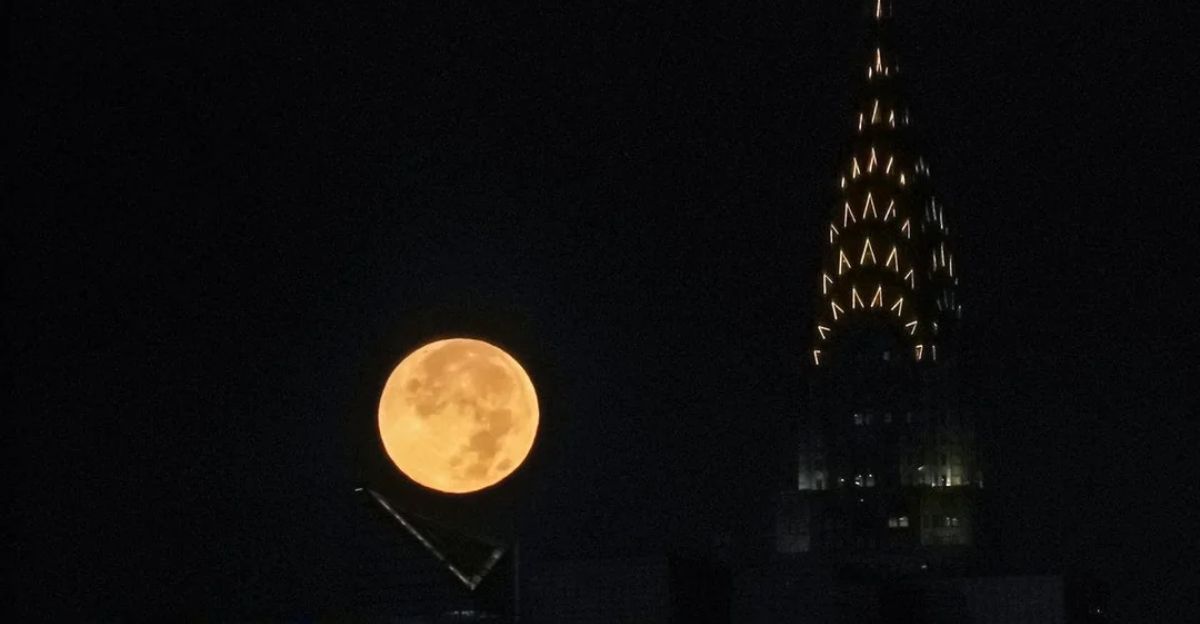
A supermoon happens when the Moon swings closest to Earth in its orbit, a point called perigee. That closeness makes it look bigger and brighter to our eyes.
This is the best night this year for taking dramatic lunar photos or moonlit walks. To see the Moon at its most dramatic, watch it rise near the horizon, it looks giant thanks to the moon illusion.
4. Moon Meets the Pleiades
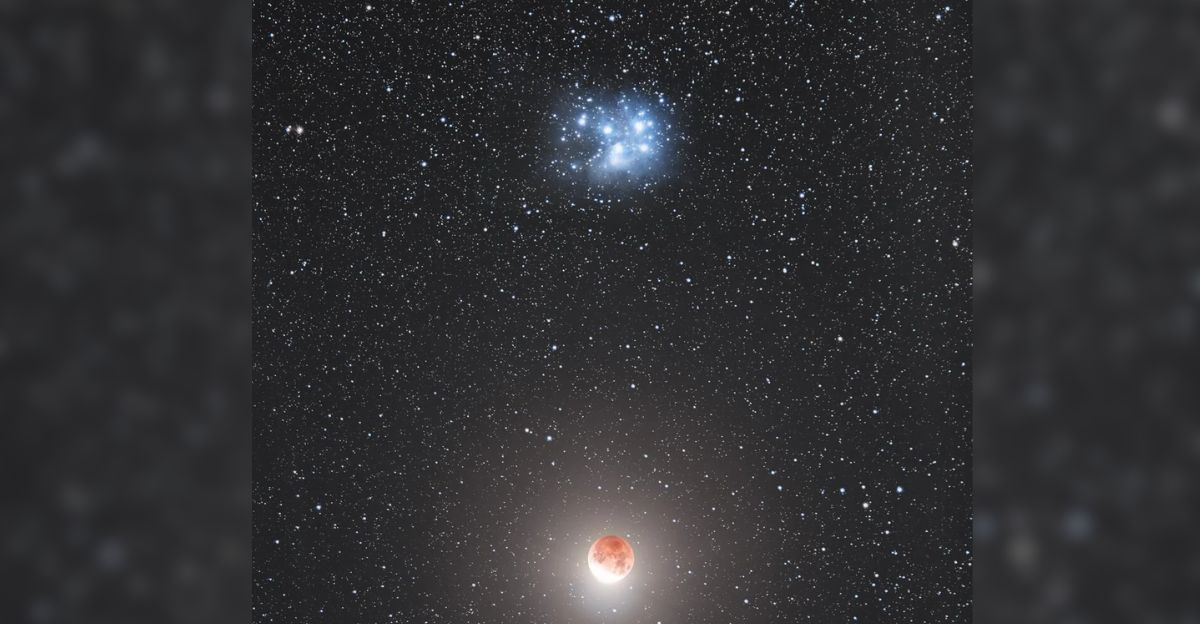
The Moon glides close to the famous Seven Sisters star cluster, the Pleiades, coming within less than one degree in the night sky on the 6th of November. This elegant pairing is easy to see with binoculars or even the naked eye.
The bright lunar glow, brushing against the delicate cluster of blue stars, creates a mix of ancient beauty and modern wonder.
The Story of the Seven Sisters
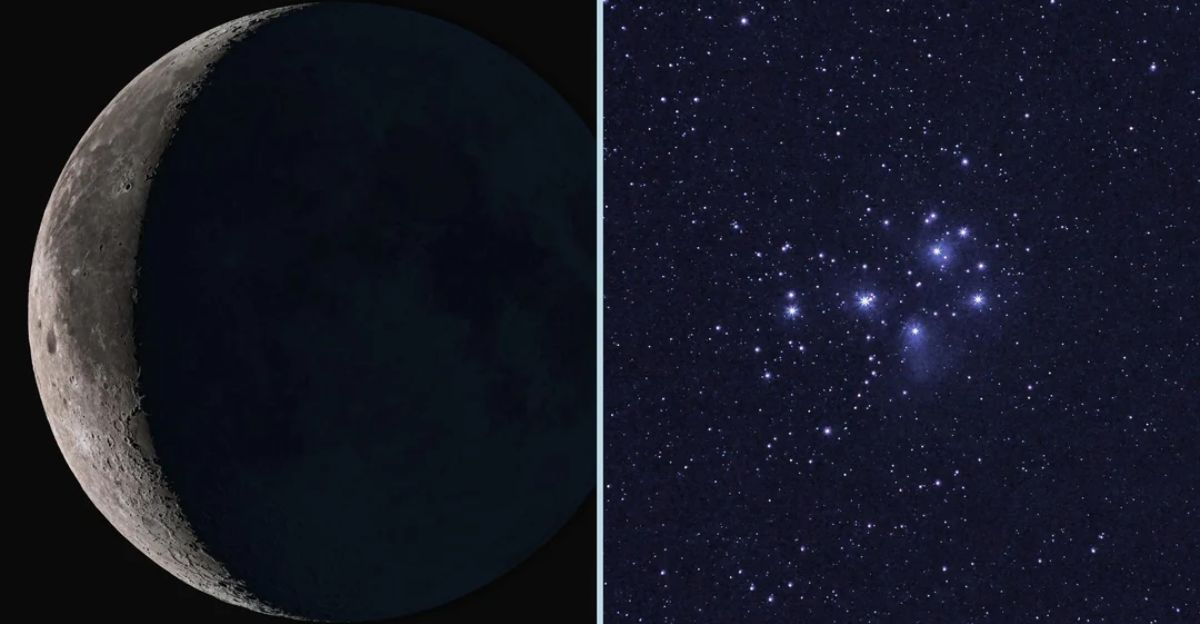
The Pleiades cluster inspired legends from Greece to Japan. Its stars are young, hot, and dazzling blue, about 440 light-years away. For one night in November, they sit beside the glowing Moon, offering a chance to reflect on star stories shared for millennia.
Greek myths call them the daughters of Atlas and Pleione. Pausing to see them beside the Moon reminds us that myth and science both find magic in the night sky.
5. Northern Taurid Meteor Display
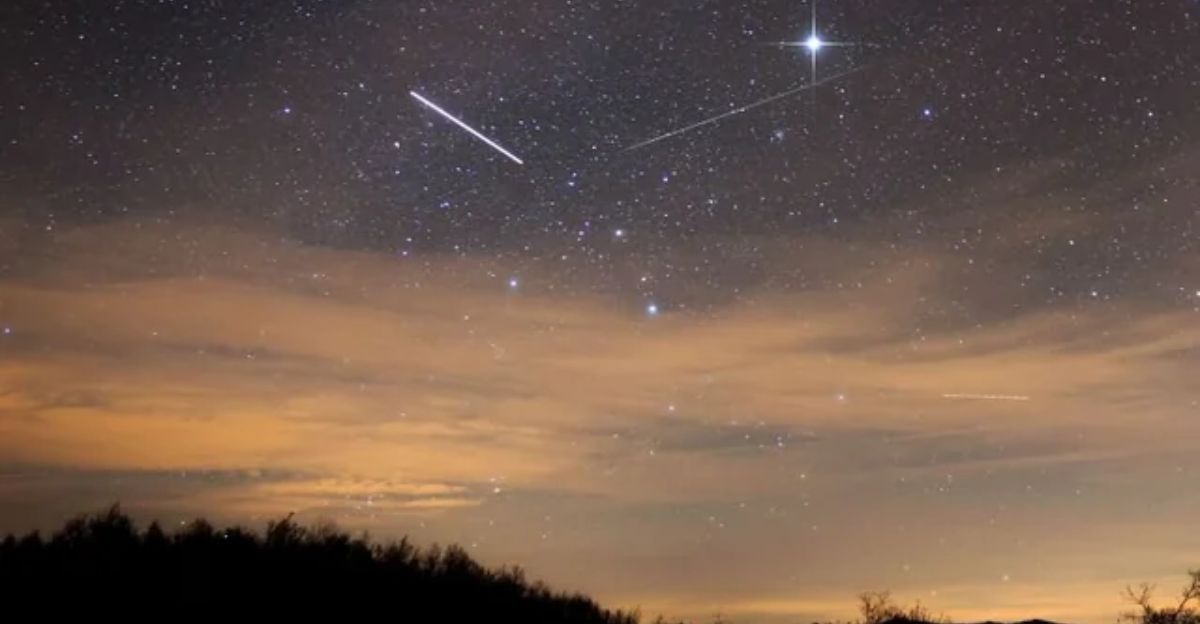
On November 11th and 12th, the Northern Taurid Meteors take their turn. Though fewer in number, only around five per hour, the meteors are strikingly slow and vivid, often leaving golden trails that linger.
Each is a tiny fragment of Comet Encke heating up as it falls into Earth’s atmosphere. Relax outdoors around midnight for your best chance to see them.
Understanding the Northern Taurids
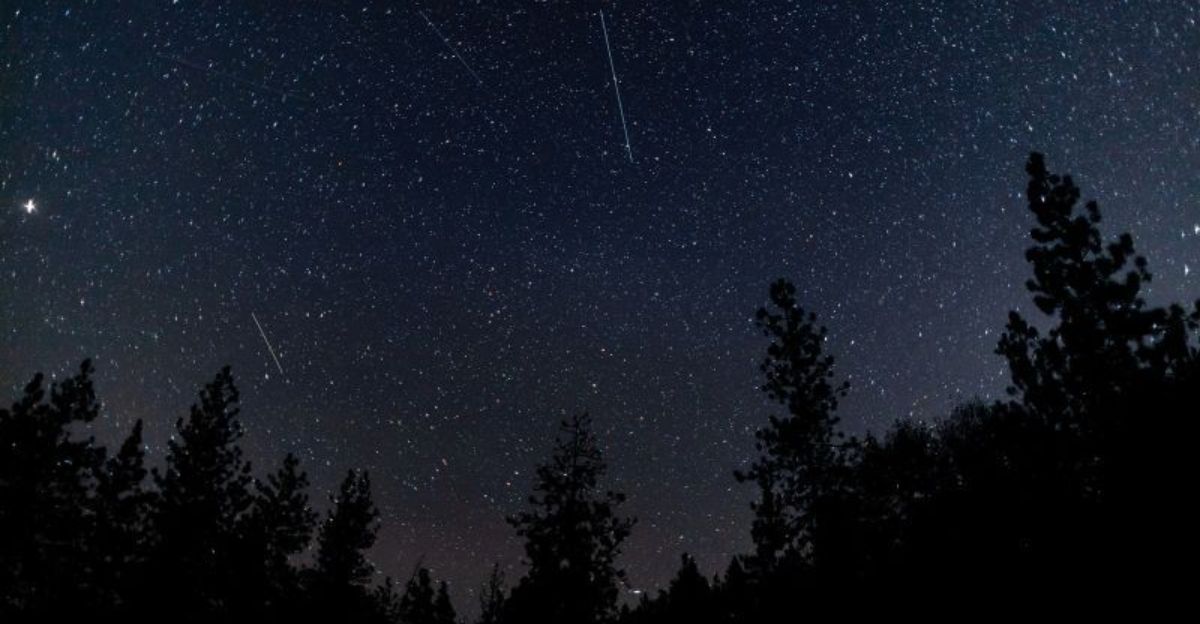
While the Southern and Northern Taurids share the same parent comet, they arrive weeks apart. This year’s Northern branch could still show off a few dramatic fireballs.
Their speed and long paths make them easy to distinguish from quick meteor showers like the Leonids. With clear skies and patience, stargazers can enjoy these golden sparks tracing the cool November air.
6. The Leonid Meteor Shower
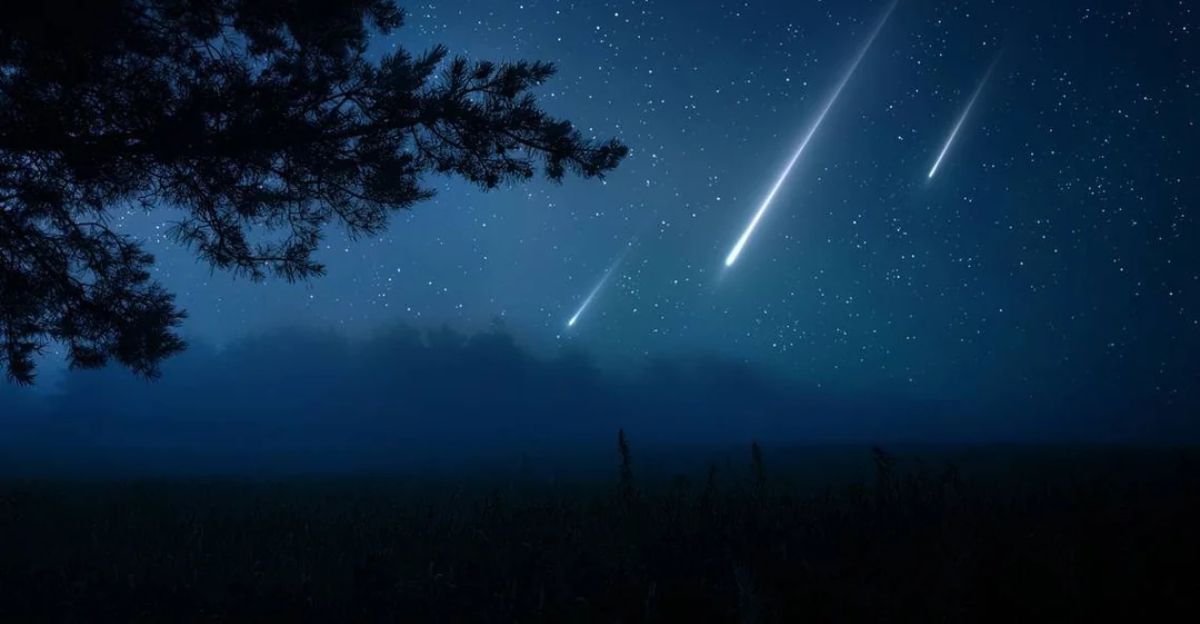
The Leonids peak overnight on November 17th and 18th, sending up to 15 meteors an hour streaking across dark skies. They come from dust left behind by Comet Tempel-Tuttle and are famous for their high speed, shooting stars that appear and vanish in seconds.
Though this year won’t produce a meteor storm, the Leonids still deliver a beautiful show.
Observing the Leonid Legacy
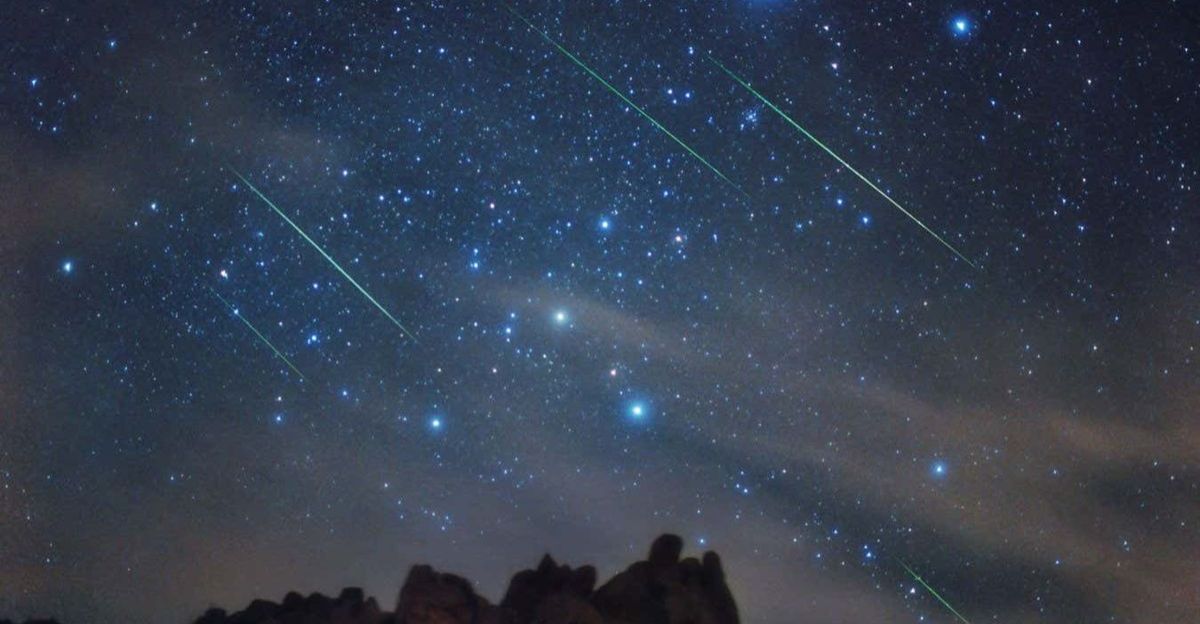
During rare years, the Leonids have unleashed thousands of meteors per hour, creating true storms, one in 1833 stunned observers across North America.
While 2025’s display will be calmer, the Leonids remind us of space’s power and unpredictability. For best viewing, head away from city lights between midnight and dawn. Let your eyes adjust, lie back, and watch history’s shooting stars trace the sky.
7. The Micro New Moon
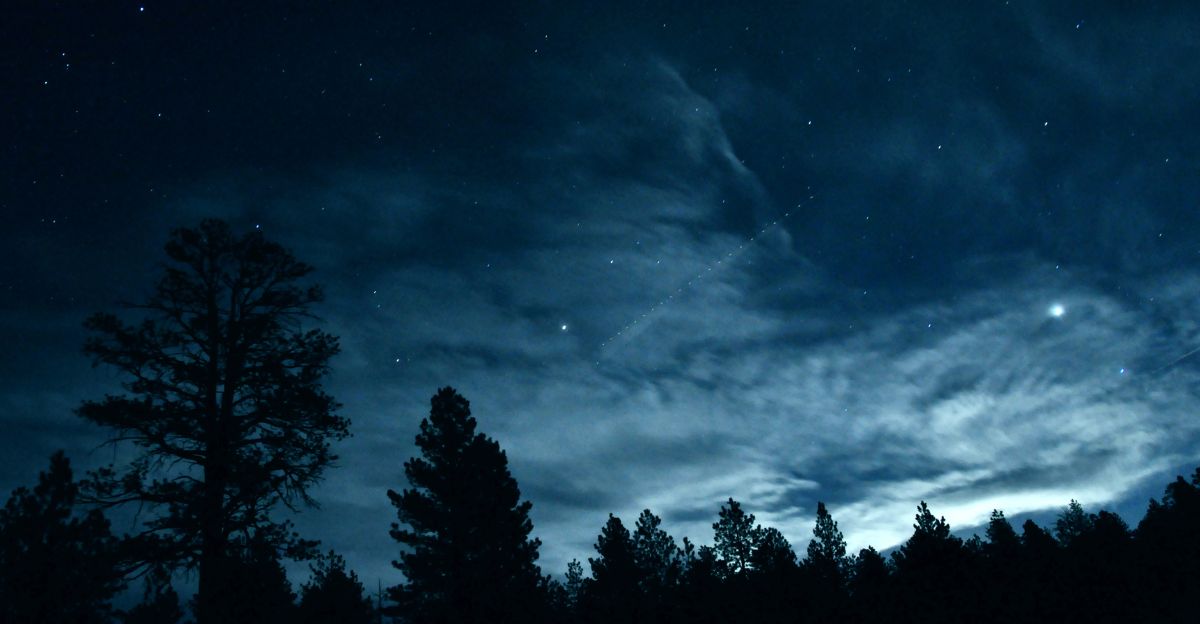
When the Moon is farthest from Earth it becomes a micro new moon on the 20th of November. On this night, the Moon vanishes completely from view, creating the darkest skies all month. Without moonlight, stargazers can finally see the faintest cosmic sights.
How the Moon’s Absence Helps Us See
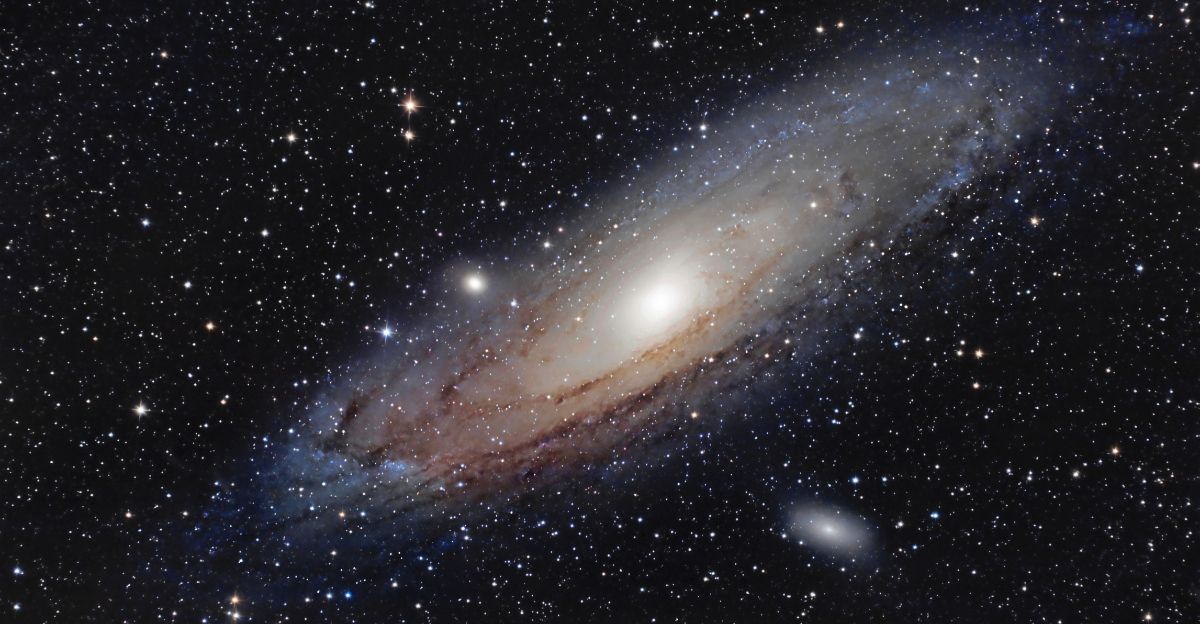
With no lunar reflection, the contrast in the sky sharpens. Amateur astronomers can chase dim wonders like the Andromeda Galaxy or the Orion Nebula. It’s a great night to escape city lights and be reminded that our world floats in a sea of brilliance.
8. Uranus at Opposition
On November 21st, Uranus reaches opposition with the Sun, meaning Earth sits directly between them. That alignment makes the planet look its brightest all year, visible all night in the constellation Aries. Though faint to the naked eye, Uranus shows up as a tiny, steady blue-green point through binoculars.
How to Spot Uranus
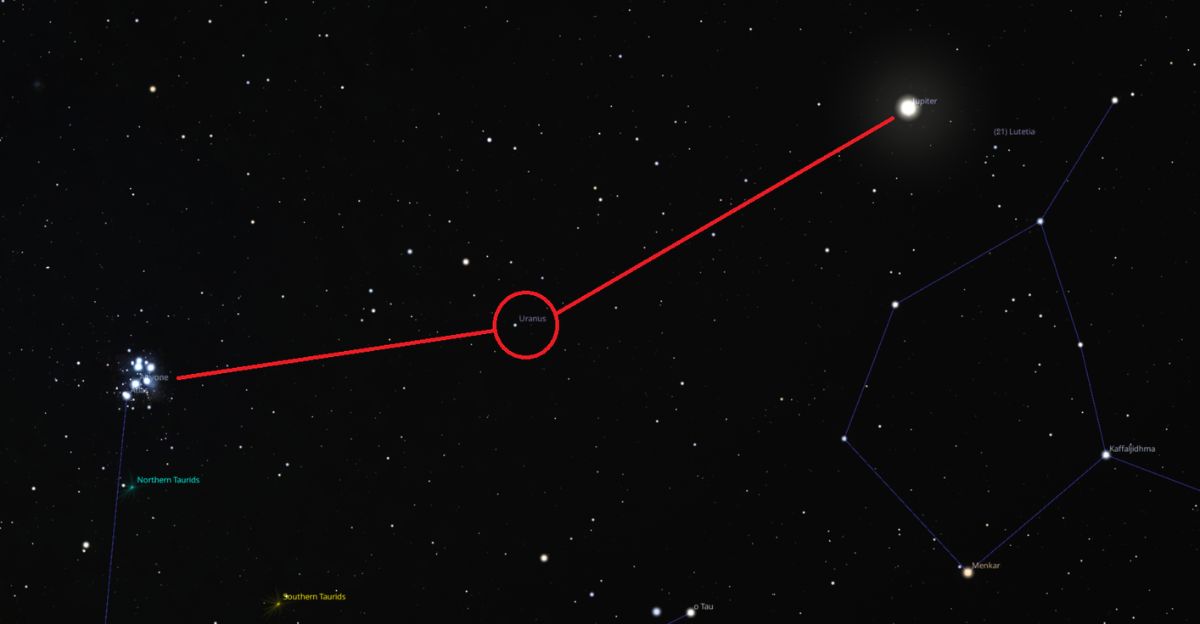
Look for bright Jupiter in the east to help orient yourself. Uranus lies nearby, slightly dimmer but distinct in color. A small telescope reveals its disk, softly tinted cyan.
The calm steadiness of its light differentiates it from twinkling stars. November’s long, clear nights make viewing ideal for both first-timers and seasoned astronomers.
9. Hyades Cluster Shines
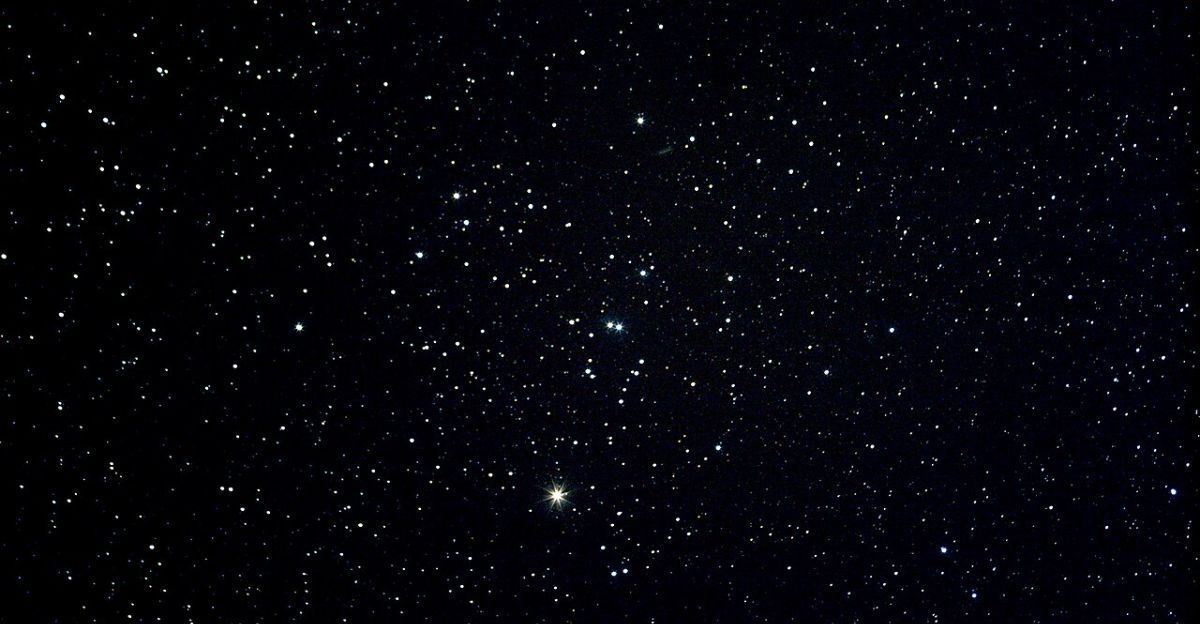
By November 27th, the Hyades star cluster is perfectly placed high in the evening sky. This V-shaped group forms the face of Taurus the Bull, anchored by the bright orange giant Aldebaran. Just 150 light-years away, it’s the nearest open cluster to Earth. The stars of Hyades stand out clearly, even from suburban locations, making it a delightful sight for beginners with binoculars.
What Makes Hyades Special
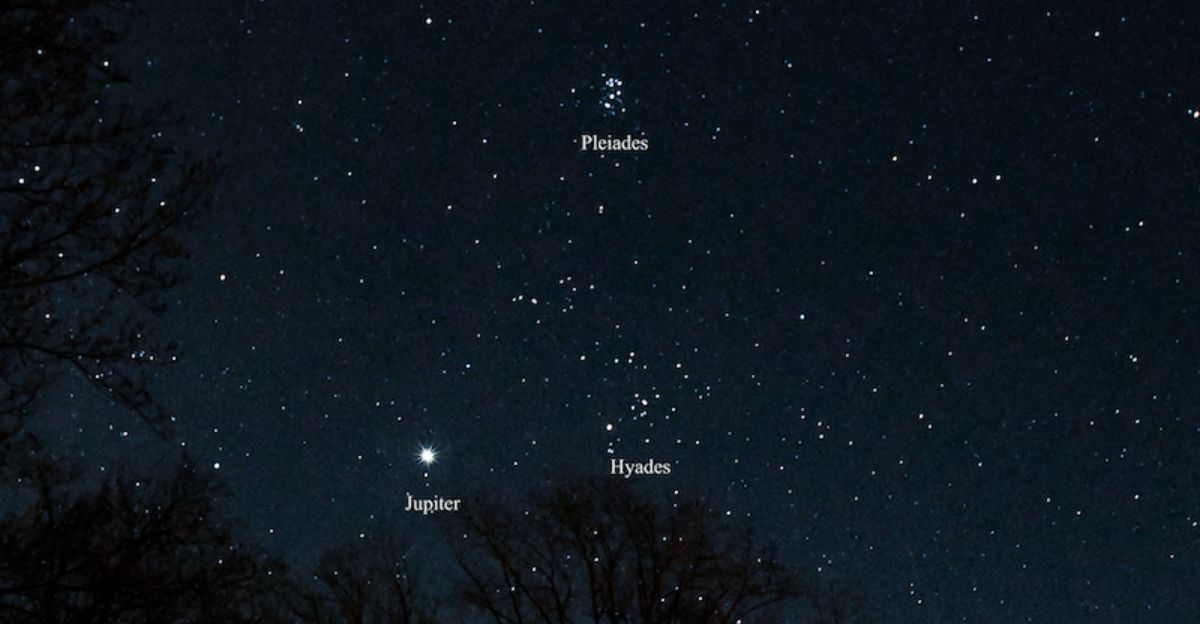
Scientists study the Hyades to understand how stars age and move together through space. Their even spacing and steady glow make them a cosmic classroom visible to the naked eye. Late November gives the clearest view of this peaceful star group.
10. Return of the Winter Constellations
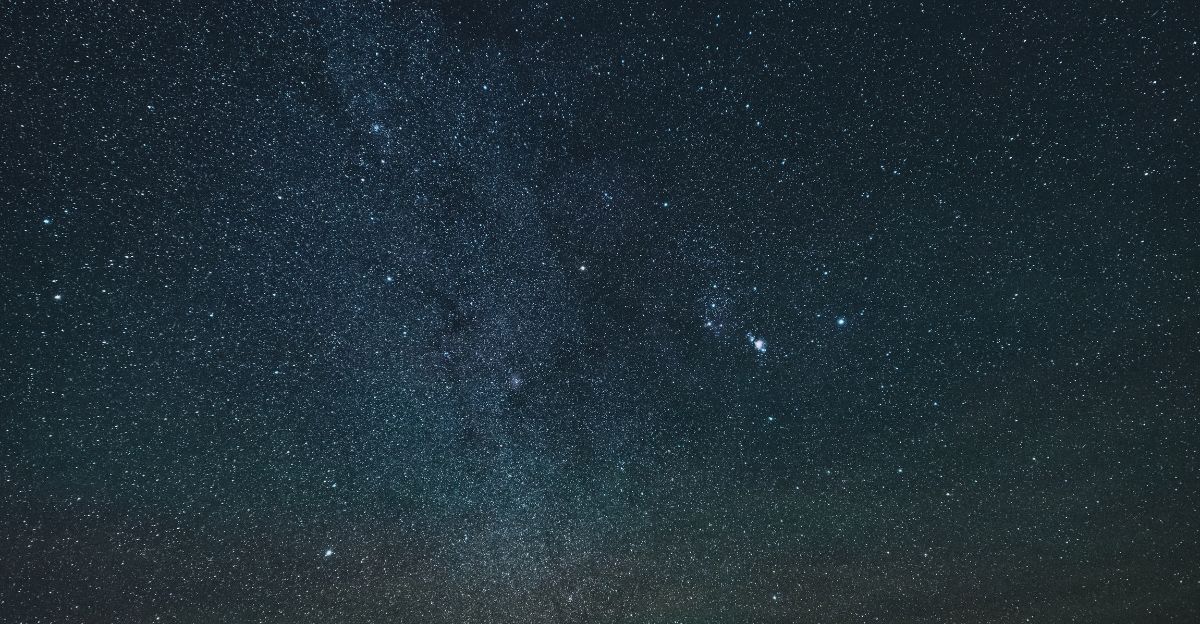
As nights grow longer, the winter constellations rise early. Orion the Hunter shines with his belt of three bright stars, while Taurus charges ahead nearby. These old favorites signal the coming winter and guide stargazers to nearby treasures like the Pleiades and Hyades. Each year, their reappearance feels like meeting old celestial friends again.
How to Explore the Winter Sky
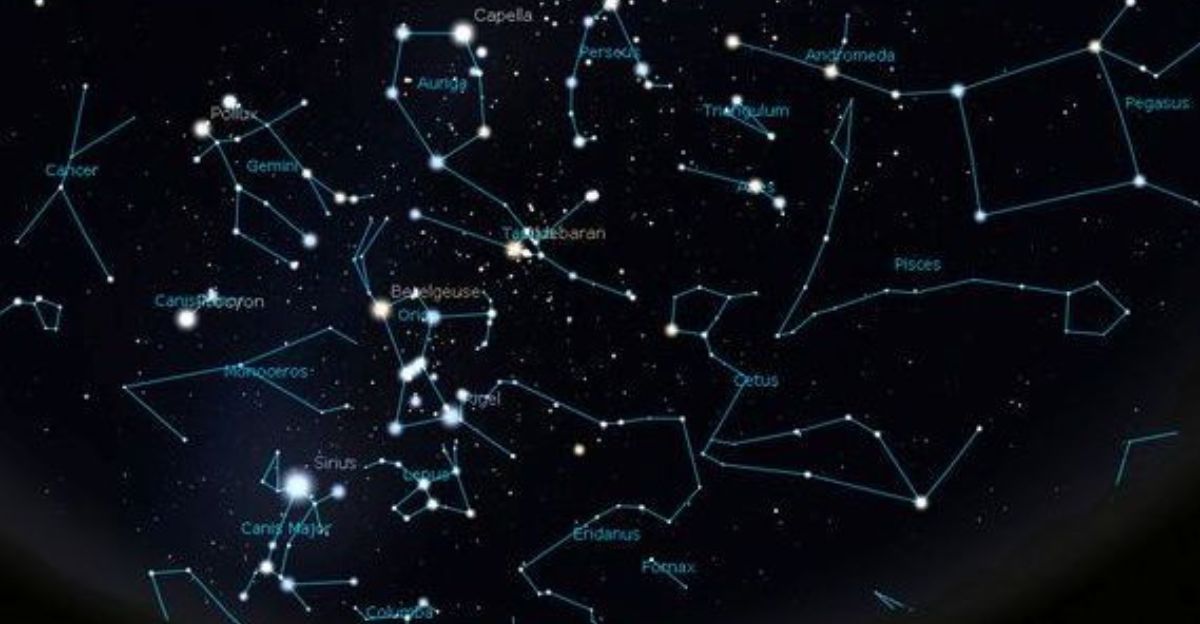
Look east just after twilight, and you’ll find Orion’s Belt pointing straight to Taurus and onward to the Pleiades cluster. Use a stargazing app or old-fashioned star map to trace them. The winter constellations create some of the most recognizable patterns in the sky.