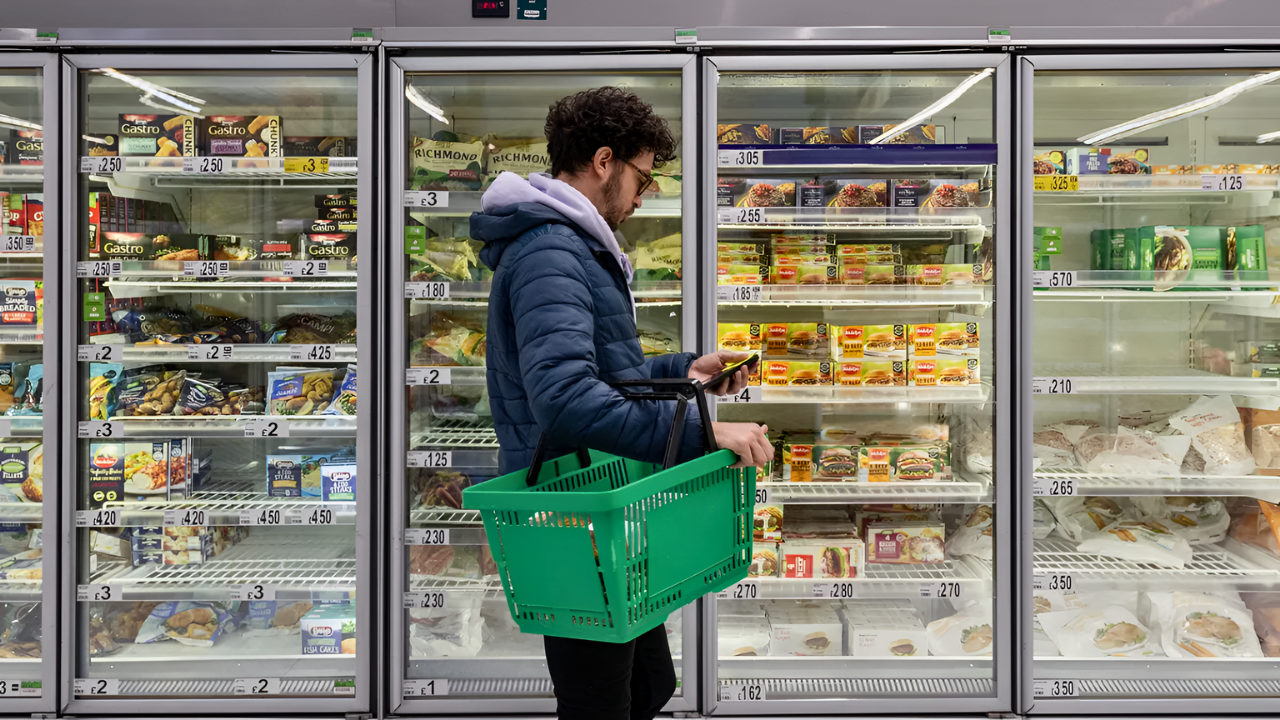
Your cart rolls past a wall of cereal boxes—bright colors, mascots, bold claims stacked five shelves high. You reach for one, then another aisle, then another brand entirely.
But by the time you reach the checkout, something invisible has already happened: most of what’s in your basket traces back to the same small group of corporate owners.
The labels are different. The shelves look crowded. Yet the power behind them is startlingly concentrated—and what comes next makes that impossible to ignore.
1. Coca-Cola – The Undisputed Beverage Giant
Coca-Cola is often associated with one red can. In reality, it is a $50-billion-per-year beverage empire controlling nearly half of the U.S. non-alcoholic drink market.
Water, juice, coffee, sports drinks, energy drinks—Coca-Cola owns or influences them all. Its 2020 acquisition of Fairlife marked a strategic shift beyond soda and into nutrition.
That move signaled something larger: Coca-Cola was no longer selling drinks. It was buying entire consumption categories.
How Beverage Dominance Is Built
Coca-Cola’s power wasn’t accidental. Founded in 1886, the company spent more than a century acquiring brands, locking down distribution, and securing exclusive placements.
When one company controls what fills vending machines, restaurant fountains, stadium coolers, and grocery shelves, it shapes consumer behavior before choices are made.
Coca-Cola doesn’t just sell beverages—it influences what’s marketed, which products survive, and how entire drink categories are priced. The real leverage isn’t the logo. It’s omnipresence.
2. Kraft Heinz – The Processed Food Fortress
The 2015 merger between Kraft and Heinz created a $26-billion processed food powerhouse. Even after announcing a corporate split in September 2025, the brands remain everywhere.
Heinz ketchup, Kraft Mac & Cheese, Ore-Ida fries, Philadelphia cream cheese, Jell-O, and Planters nuts all originate from the same parent structure.
Legal restructuring doesn’t remove shelf dominance. It simply changes paperwork while grocery aisles remain unchanged.
Why Shelf-Space Is Power
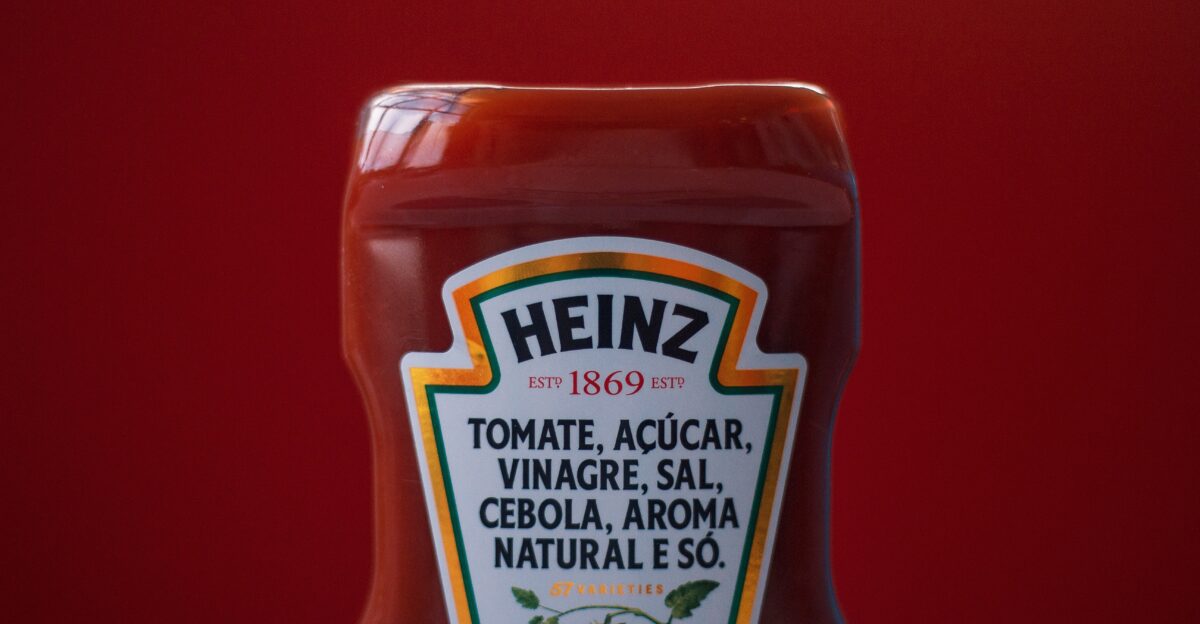
Kraft and Heinz began as separate companies in the 1800s. Together, they became something untouchable. Their strength lies in scale: logistics, pricing leverage, and long-standing retailer relationships.
Grocery stores don’t negotiate ketchup in isolation. They negotiate portfolios. When one supplier can fill multiple aisles with reliable sellers, the incentive to diversify shrinks.
That’s how processed food dominance is maintained—not through novelty, but through operational gravity.
3. Mars Inc. – Candy, Coffee, and More
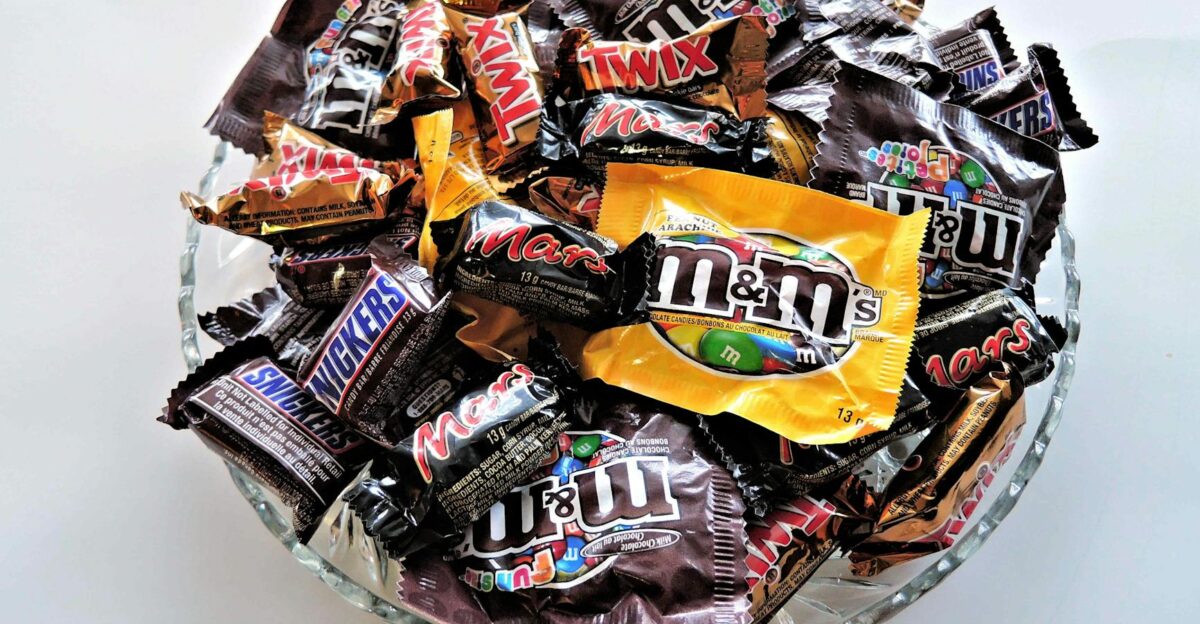
Mars is privately held, rarely discussed, and enormously powerful. Its 2008 acquisition of Wrigley reshaped the candy and gum market. In 2025, its acquisition of Kellanova expanded that reach into breakfast cereals.
Mars now spans candy, coffee, pet food, and cereal—categories that rarely compete with each other, allowing the company to dominate without internal friction.
With roughly $45 billion in annual revenue, Mars operates as one of the world’s most influential food companies.
Everywhere Without A Logo
Most consumers don’t realize how often they buy from Mars. Chocolate bars, gum, coffee pods, pet food, and now cereal all funnel upward to the same parent.
Mars owns M&M’s, Snickers, Wrigley gum, Keurig coffee, Pedigree, Whiskas, and now Frosted Flakes and Rice Krispies. A typical household unknowingly spends hundreds annually across Mars brands.
Its invisibility is intentional. The less the parent name is known, the less resistance it faces.
4. PepsiCo – Snacks and Drinks Combined
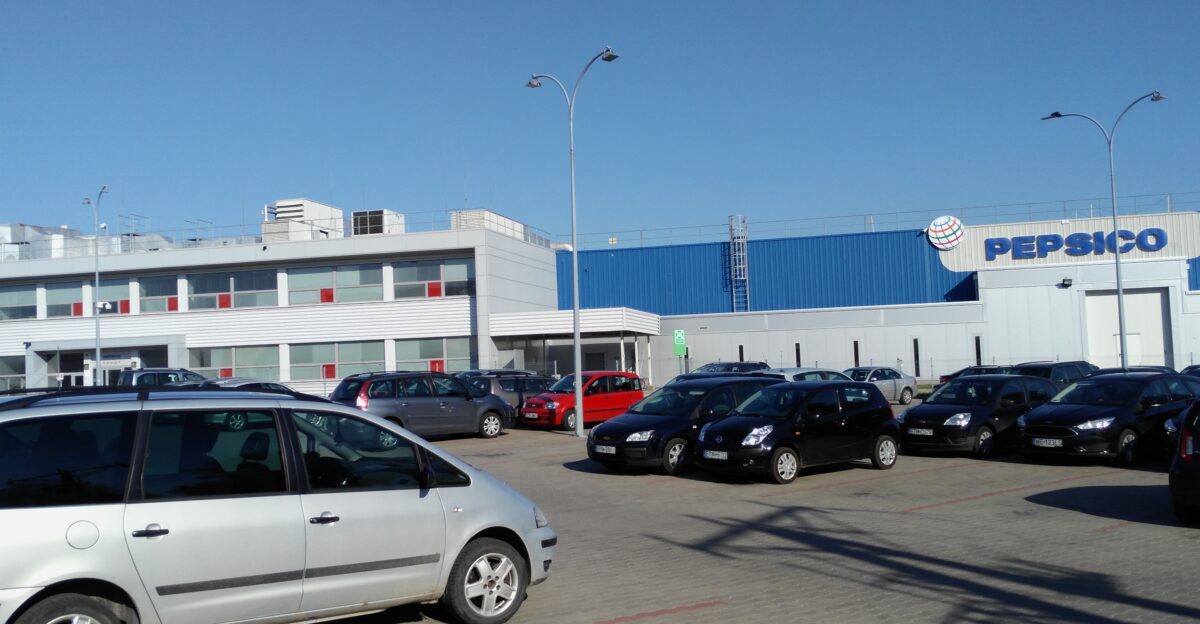
PepsiCo differs from Coca-Cola in one critical way: it dominates both beverages and snacks. With roughly $90 billion in annual revenue, PepsiCo controls Pepsi, Gatorade, Tropicana, Aquafina, Quaker Oats, and Frito-Lay brands like Doritos and Lay’s.
This dual-category control gives PepsiCo structural leverage. It doesn’t just compete in aisles—it links them, creating advantages regulators rarely address.
The Power Of Bundling
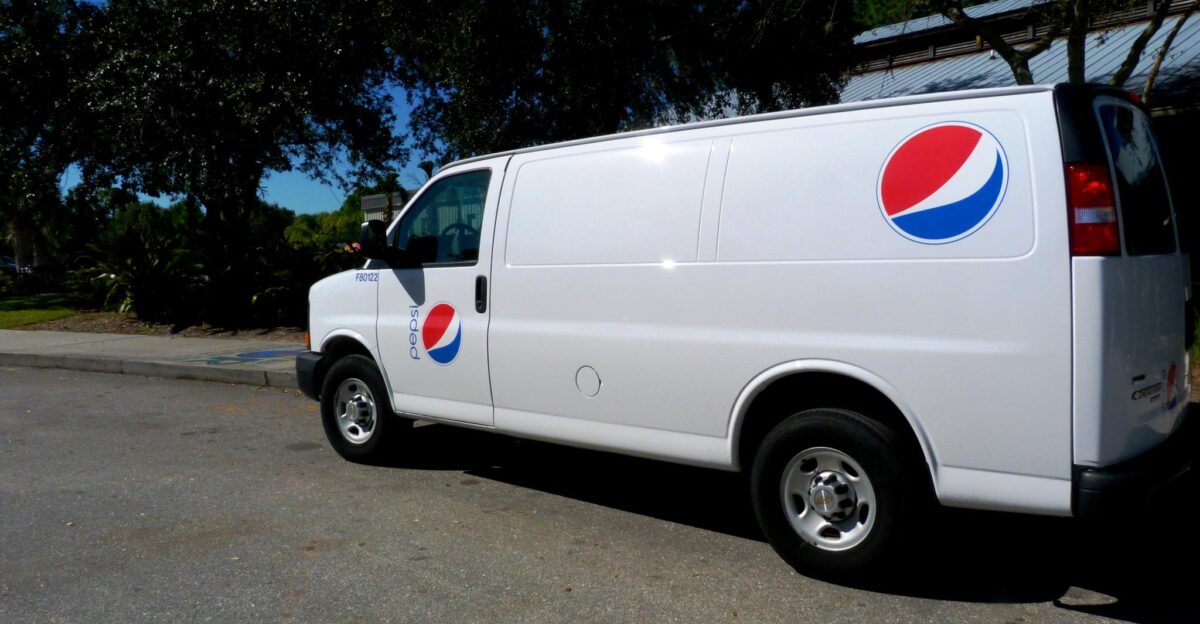
PepsiCo’s advantage lies in bundled negotiations. Retailers can’t easily refuse a company that supplies both drinks and top-selling snacks.
A store might accept less favorable soda pricing to secure strong chip margins—or vice versa. Smaller competitors lack that flexibility.
On paper, PepsiCo appears diversified. In practice, it creates a self-reinforcing ecosystem that crowds out rivals who operate in only one category.
5. Mondelēz International – Global Candy Control
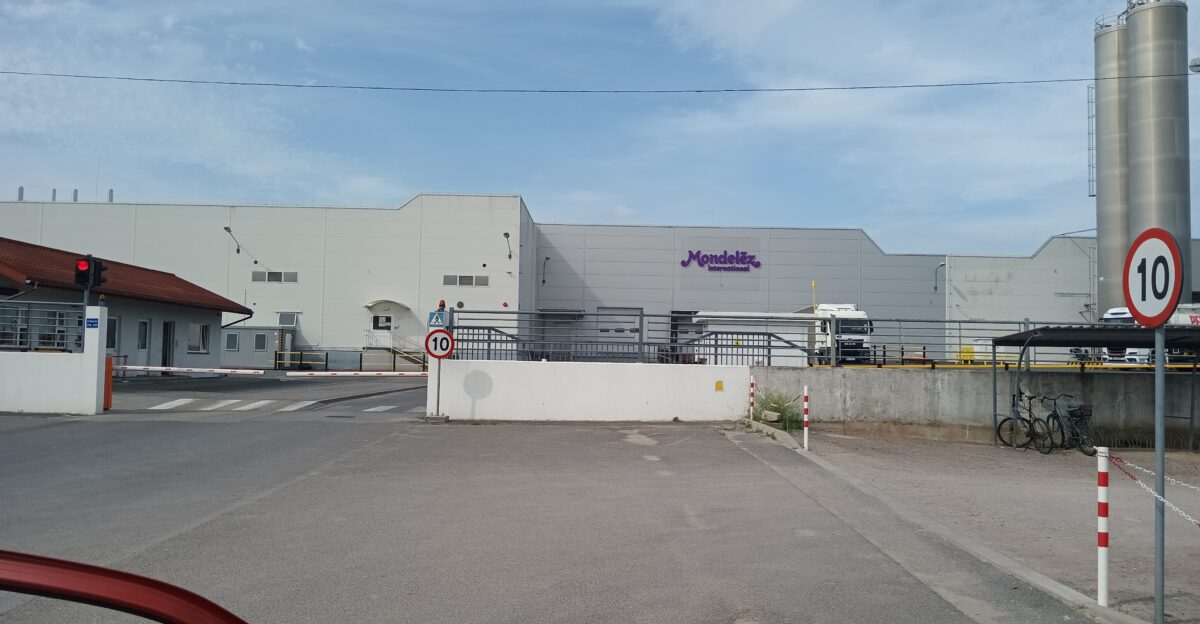
Mondelēz operates in over 150 countries and controls about 15% of the global candy market, generating roughly $36 billion annually.
It owns Cadbury, Toblerone, Milka, Oreo, Chips Ahoy, Trident, and Dentyne. Most consumers recognize the brands, not the corporation.
That separation is deliberate. Mondelēz doesn’t need brand loyalty to itself—only to the products under its umbrella.
Invisibility As A Strategy
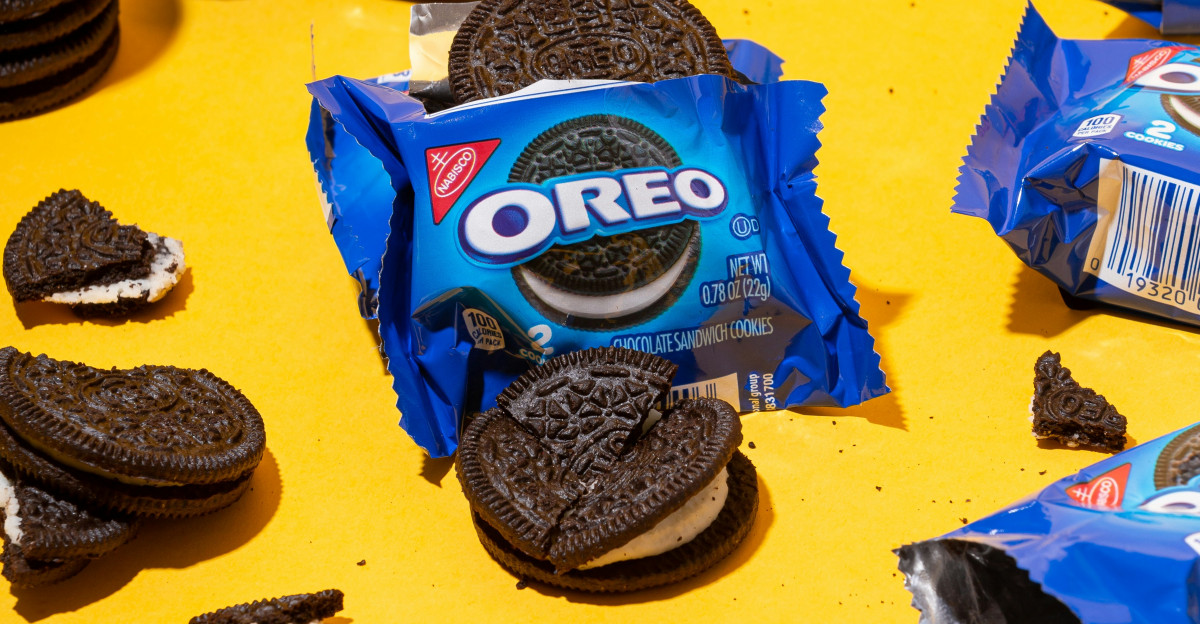
Mondelēz thrives by letting brands feel independent. Oreo doesn’t feel corporate. Cadbury feels heritage-driven. Toblerone feels niche.
Yet all profits flow to the same multinational parent. This structure reduces consumer pushback while preserving centralized supply chains and marketing efficiencies.
Mondelēz demonstrates how megacorporations scale globally without becoming visible targets.
6. General Mills – The Morning Gatekeeper

General Mills controls more than 100 brands and generates roughly $20 billion annually. It dominates breakfast through Cheerios, Lucky Charms, Trix, Cocoa Puffs, and Nature Valley, while also owning Pillsbury, Green Giant, Betty Crocker, Yoplait, and Häagen-Dazs.
Its reach extends beyond food into restaurants and historical industrial ventures. Few companies shape daily routines as deeply—or as quietly—as General Mills.
How Breakfast Became Centralized
Founded as a flour mill in 1866, General Mills helped invent modern food branding and cereal marketing. Betty Crocker became one of the first mass-market mascots.
Today, a significant share of American breakfasts come from one company. Cereal, yogurt, pastries, ice cream—General Mills doesn’t just sell breakfast. It defines it.
7. Nestlé – The World’s Largest Food Company
Nestlé generates approximately $95 billion annually, making it the largest food company on Earth. Founded in Switzerland in 1866, it operates across nearly every country and category.
In the U.S., Nestlé owns Nescafé, Perrier, DiGiorno, Lean Cuisine, Purina, Vitaminwater, and Orgain. Its portfolio spans indulgence, convenience, and health—often simultaneously.
Global Scale, Local Issue
Nestlé rarely feels dominant because its brands feel local. A frozen pizza doesn’t feel Swiss. Bottled water doesn’t feel multinational.
That perception allows Nestlé to maintain enormous scale without consumer resistance. From pet food to protein powder, Nestlé’s influence crosses income levels and dietary identities—all while remaining largely invisible.
8. Unilever – Multi-Aisle Control
Unilever generates about $65 billion annually and operates across food and personal care. In groceries, it owns Hellmann’s, Knorr, Lipton, Ben & Jerry’s, and Magnum.
What makes Unilever distinct is cross-aisle leverage. The same company negotiating mayonnaise shelf space also supplies soap, shampoo, and deodorant—creating bargaining power few competitors can match.
Negotiating Store Categories
Unilever doesn’t negotiate product by product. It negotiates categories. Retailers dealing with Unilever aren’t choosing mayonnaise alone—they’re managing relationships across frozen food, beverages, seasonings, and personal care.
This bundled leverage creates structural advantages that persist regardless of branding trends or consumer preferences.
9. Conagra Brands – Convenience at Scale
Conagra generates roughly $12 billion annually and specializes in frozen and packaged meals. Its brands include Marie Callender’s, Healthy Choice, Birds Eye, Slim Jim, Chef Boyardee, Reddi-wip, Egg Beaters, and Peter Pan.
These are autopilot purchases—products chosen quickly, often without scrutiny. That’s where Conagra excels.
Why Convenience Wins
Frozen meals and packaged foods face less branding pressure than premium categories. Conagra dominates where time-strapped consumers default.
By owning the freezer aisle, Conagra captures consistent demand without constant reinvention. It proves that megacorporate power doesn’t require prestige—only repetition and reach.
10. J.M. Smucker – Quiet Omnipresence
Founded in 1897, J.M. Smucker generates roughly $8 billion annually and owns Smucker’s, Jif, Folgers, Crisco, Uncrustables, Milk-Bone, and Meow Mix.
Smucker’s strength lies in staples. Jam, peanut butter, coffee, and pet food anchor daily routines. Most households unknowingly buy multiple Smucker products every week.
Lower revenue doesn’t mean lower influence. Smucker proves that ubiquity, not size, is what secures a permanent place at the American table.
Sources:
“Food Monopoly Mega Merger: Huge Farms, High Prices.” The Guardian and Food & Water Watch, 14 Jul 2021.
“Behind the Brands: Food Justice and the ‘Big 10’ Food and Beverage Companies.” Oxfam International, Feb 2013.
“Grocery Goliaths: How Food Monopolies Impact Consumers.” Food & Water Watch, Dec 2013.
“2024 Annual Report and Form 10-K.” PepsiCo Inc., 2025.