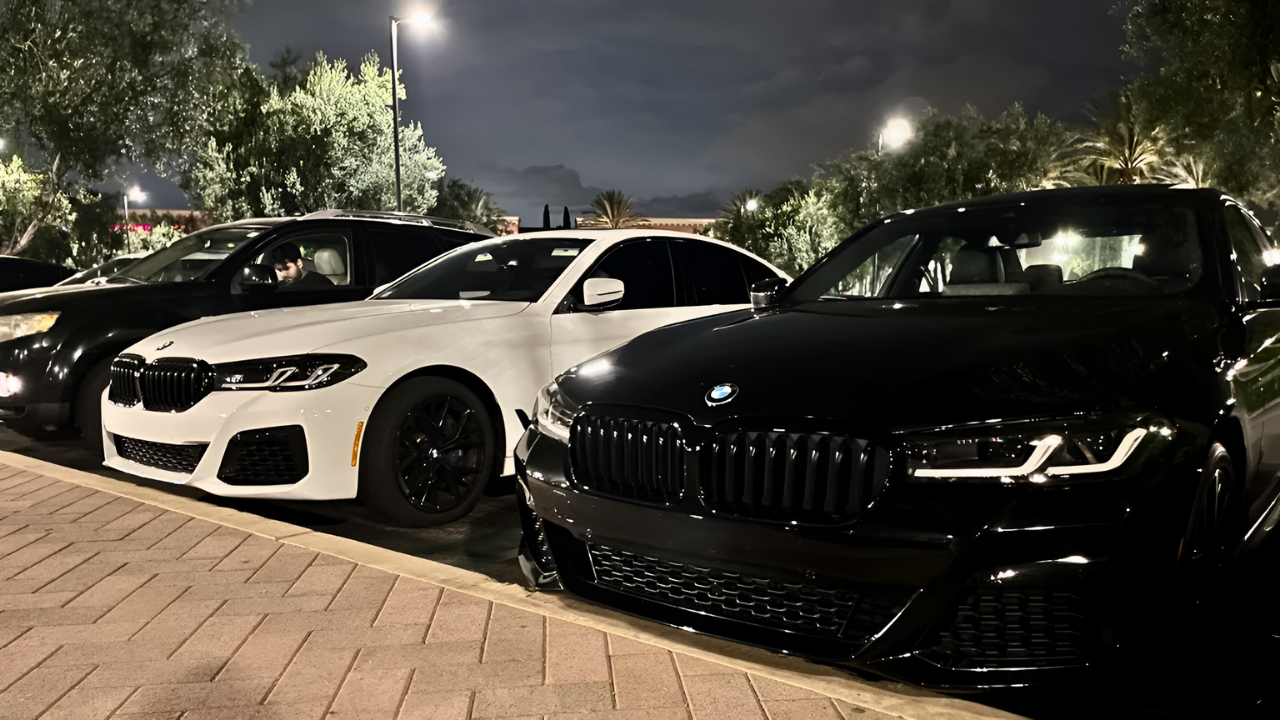
Buying a luxury car might feel like a smart indulgence, but financially, it often isn’t. A new $120,000 BMW i7 can lose more than $80,000 in value over just five years. According to research by iSeeCars, luxury vehicles are losing their worth much faster than regular models. The study looked at 800,000 used car sales between March 2024 and February 2025 and found that while the average car loses 45% of its value after five years, many luxury cars lose between 60% and 77%. That means owners of vehicles like BMWs, Teslas, and Maseratis are watching tens of thousands of dollars disappear as their cars age.
High-end electric vehicles (EVs) are especially affected. Once hailed as the future of driving, many are now flooding the used market with heavy depreciation. For buyers, that means prestige comes at a steep cost—and for sellers, it’s a sobering reminder that even top-tier brands aren’t immune to market change.
Why Luxury Models Drop So Fast
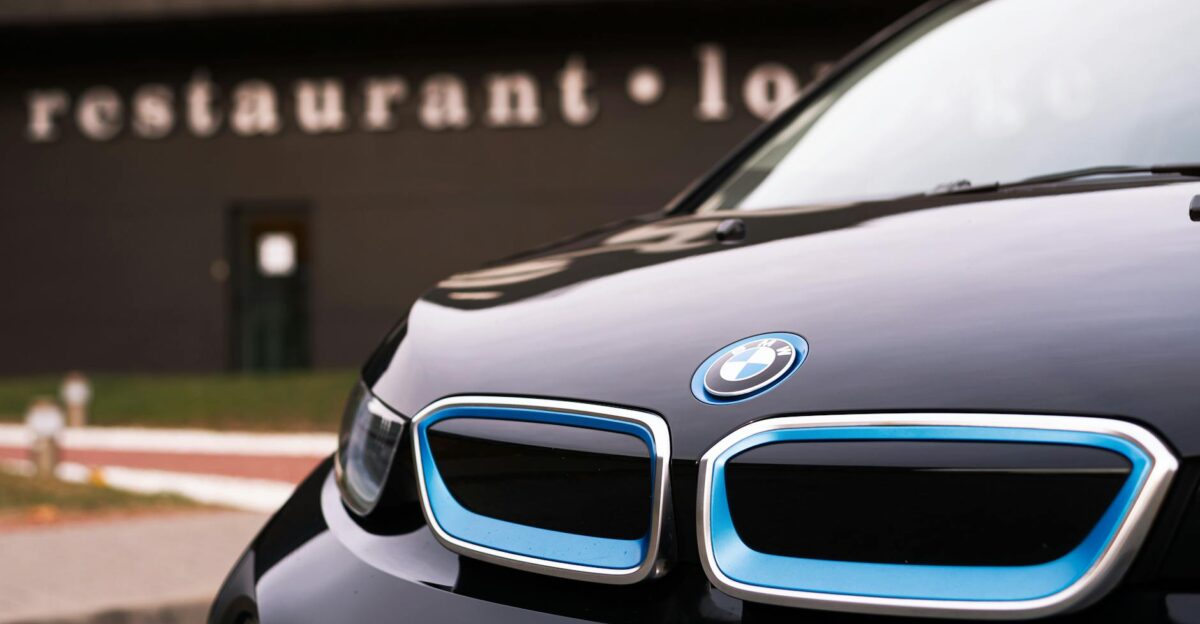
Luxury cars start with high prices, and that makes their losses look even harsher. When a $100,000 vehicle loses 70% of its value, that’s a $70,000 drop. Several factors drive this steep decline. One is technology. As newer models arrive with better features, batteries, and software, yesterday’s innovations quickly seem outdated. Electric cars in particular suffer from fears about battery life, limited charging infrastructure, and repair uncertainty.
Dealers also tend to slash prices on older high-end vehicles, especially ones with higher mileage. This causes the resale market for used luxury cars to weaken, as new buyers prefer the latest tech and fresh warranties. Complex mechanical systems and costly maintenance requirements also scare off used-car shoppers, leaving owners with heavy losses when it’s time to sell.
The Biggest Losers
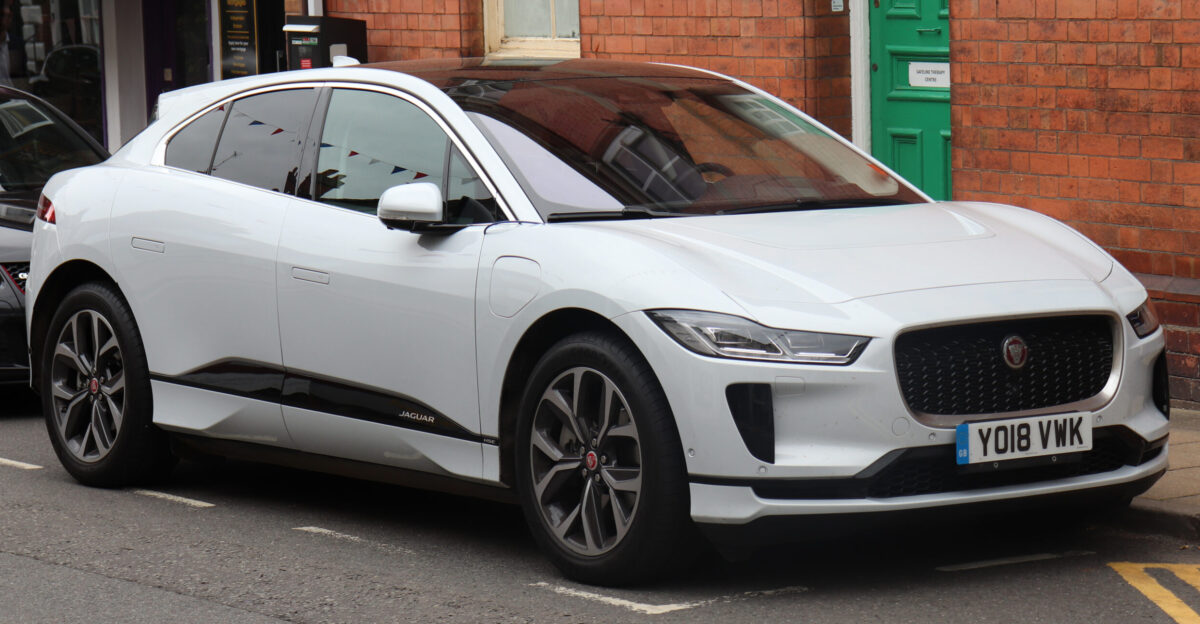
The worst offender in the latest rankings is the Jaguar I-PACE, which loses about 72% of its value in five years, dropping from $71,900 to just under $20,000. Buyers have become wary of its battery reliability and limited service network. Close behind is the BMW i7, which plummets from $105,600 to $24,500, a painful $81,411 loss. Other BMWs also feature heavily on the list: the i5 drops to under $18,000, the iX falls to around $34,000, and the classic 7 Series loses more than $65,000 from its initial price.
Tesla, once the symbol of cutting-edge EVs, also struggles with depreciation. The Model S loses 65% of its value, falling from $80,000 to about $28,000, as older batteries and fast-moving software updates leave used versions looking dated. The Maserati Ghibli, another luxury staple, loses almost $71,000, mostly due to high repair costs and competition from brands like Ferrari and Porsche. And even large gas-powered SUVs like the Infiniti QX80 see their value tumble, thanks to poor fuel economy and expensive servicing.
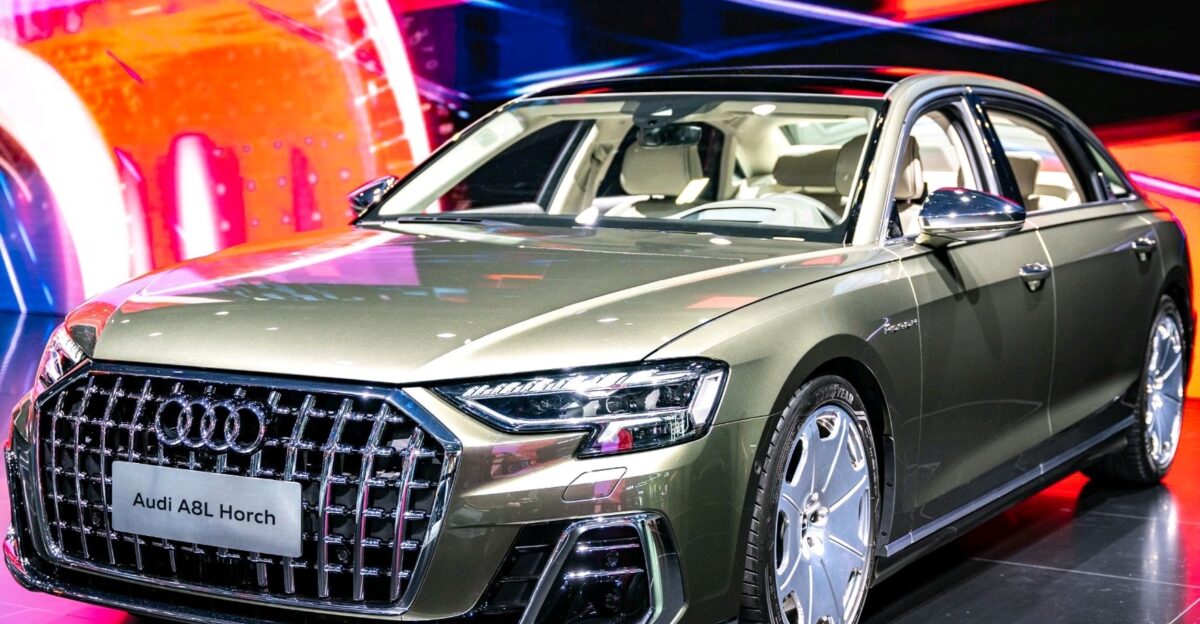
Non-luxury electric cars also face similar trends, the Nissan Leaf, for instance, loses 64% of its value, showing that EVs in general risk quick obsolescence as battery technology evolves. Other expensive models with deep losses include the Maserati Levante, Tesla Model X, Cadillac Escalade ESV, Land Rover Range Rover, and Audi A8 L. Across the board, the reasons stay the same: complex systems, reliability issues, and the relentless pace of new technology.
What Buyers Can Learn
These rapid drops in value reveal an uncomfortable truth: luxury car buyers often pay for innovation that’s quickly surpassed. Warranties expire, components wear out, and each new generation of vehicles promises longer range, better safety systems, and smarter infotainment, making even recent models seem old-fashioned. Meanwhile, mainstream brands, which focus more on practicality than cutting-edge tech, tend to hold their value better because their parts are cheaper, repairs are simpler, and their appeal is broader.
For anyone considering a six-figure car, these findings serve as a warning. Losing $50,000 to $80,000 within five years is not rare for vehicles in this price range. Electric luxury cars currently face the highest risks, but even traditional gas models depreciate faster than most buyers expect. One way to lessen the financial hit is to buy a certified pre-owned model. These cars cost less upfront and have already gone through their steepest depreciation phase while still offering warranty protection.
In the end, shoppers must weigh the rewards of driving a high-end machine against the reality of its fading value. Prestige and comfort are appealing, but they may come with a hidden cost, watching your investment vanish faster than the average car on the road.
Sources:
iSeeCars Used Car Market Analysis Study, iSeeCars, March 2024–February 2025
BMW EV Depreciation Analysis: i4, i5, i7, and iX vs Gas Models, BMW Blog, July 2025
This Car Loses 72.2% Of Its Value After Just Five Years, Carscoops, March 2025
13 Of The Worst Depreciating Cars In 2025, SlashGear, November 2025
Mercedes-Benz and BMW Depreciation Research Study, CarEdge, October 2024