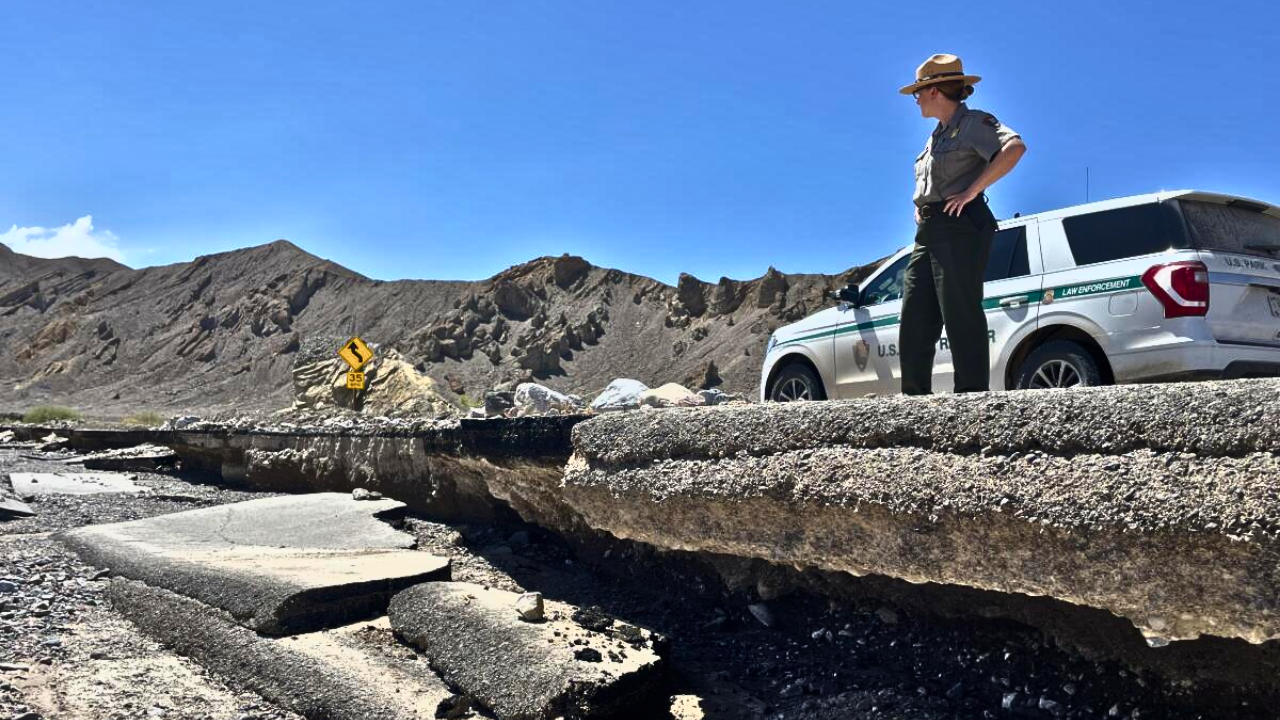
Death Valley’s wildlife beats the odds in a place defined by extremes. The hottest, driest, and lowest landscape in the contiguous United States is home to more than 400 animal species, from desert bighorn sheep on high ridges to tiny fish surviving in near-boiling, oxygen-poor water. Across 3.4 million acres and elevations that run from salt flats below sea level to peaks over 10,000 feet, animals here have evolved some of the most specialized survival strategies on Earth.
Life in the harshest of habitats
The park’s biodiversity includes 56 mammal species, 36 reptiles, about 300 bird species, five amphibians, and six kinds of fish. That variety reflects a patchwork of habitats: bare valleys, rocky canyons, mountain slopes, springs, and seeps. Each zone supports wildlife tuned to its particular stresses of heat, dryness, or cold.
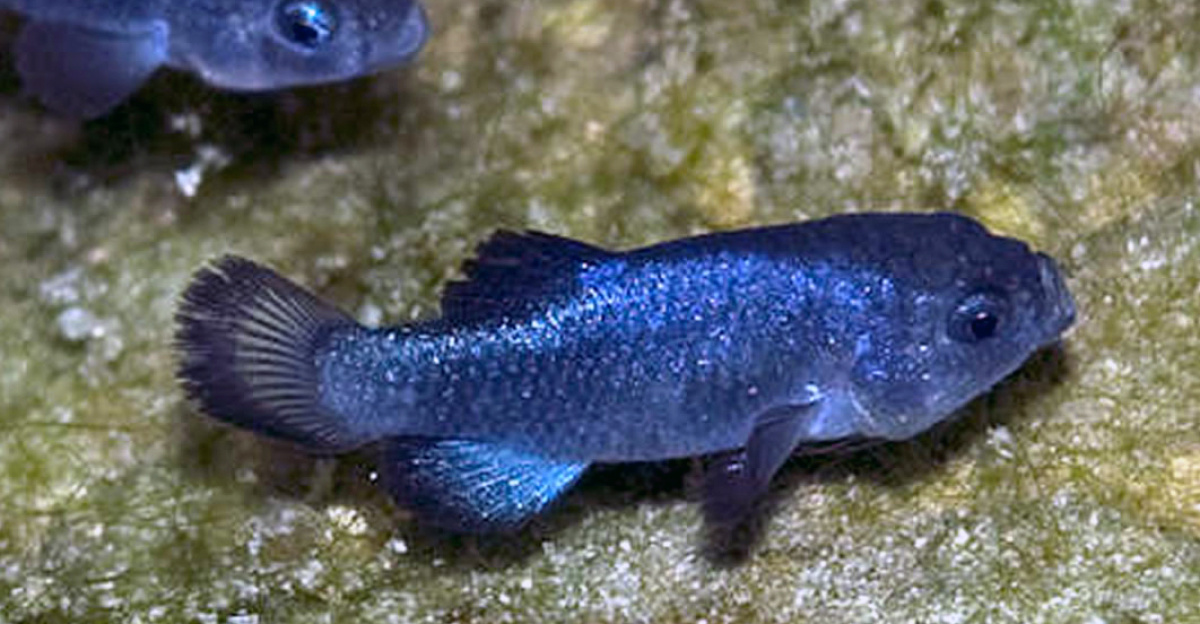
At the center of this story is the Devil’s Hole pupfish, often described as the rarest fish on the planet. This inch-long blue fish lives naturally in only one water-filled limestone cavern, Devil’s Hole, a detached unit of the park. Fewer than 100 pupfish typically occupy this confined habitat at any one time, making it one of the scarcest vertebrates known. Its survival has depended on enduring warm water of about 92–93 degrees Fahrenheit with very low oxygen, conditions that would kill most species. For thousands of years, the pupfish has persisted on a shallow rock shelf, feeding and spawning in a space smaller than many living rooms, while conservationists now support a backup population in captivity.
Masters of mountains and dry ground
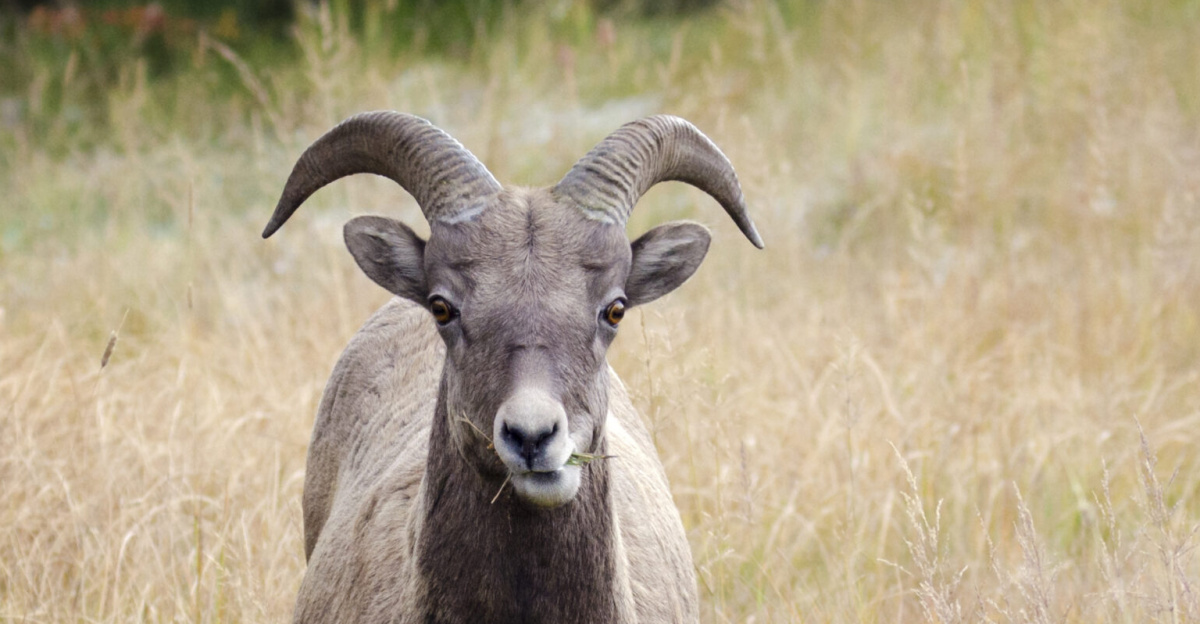
On the surrounding ridges, desert bighorn sheep stand out as the park’s largest native mammals. These powerful animals navigate cliffs and talus slopes using concave, elastic hooves that grip rock and allow rapid, agile climbing. They occupy the Panamint, Cottonwood, and Grapevine ranges, where permanent water is scarce and vegetation sparse. Bighorn sheep can go long stretches without drinking, drawing moisture from shrubs and other plants and relying on physiological adaptations to conserve water.
Another long-lived specialist is the desert tortoise, a threatened species in the Mojave portions of the park. Tortoises store water in their bladders and retreat to burrows during the hottest, driest periods, sometimes for months. Individuals can live 50 to 100 years, but face pressures from habitat loss, increased predation on young tortoises by ravens, and shifting conditions linked to climate change. Biologists focus on protecting nesting areas and restoring native plant communities the tortoises depend on.
On the valley floors, kangaroo rats illustrate a different strategy. These small nocturnal rodents rarely, if ever, drink liquid water. Instead, they extract moisture from the seeds they eat and produce highly concentrated urine to minimize loss. Powerful hind legs let them leap distances of up to nine feet to escape predators. Below ground, they construct multichamber burrow systems for sleeping, nesting, and seed storage, helping them regulate temperature and humidity.
Predators, prey, and the desert food web
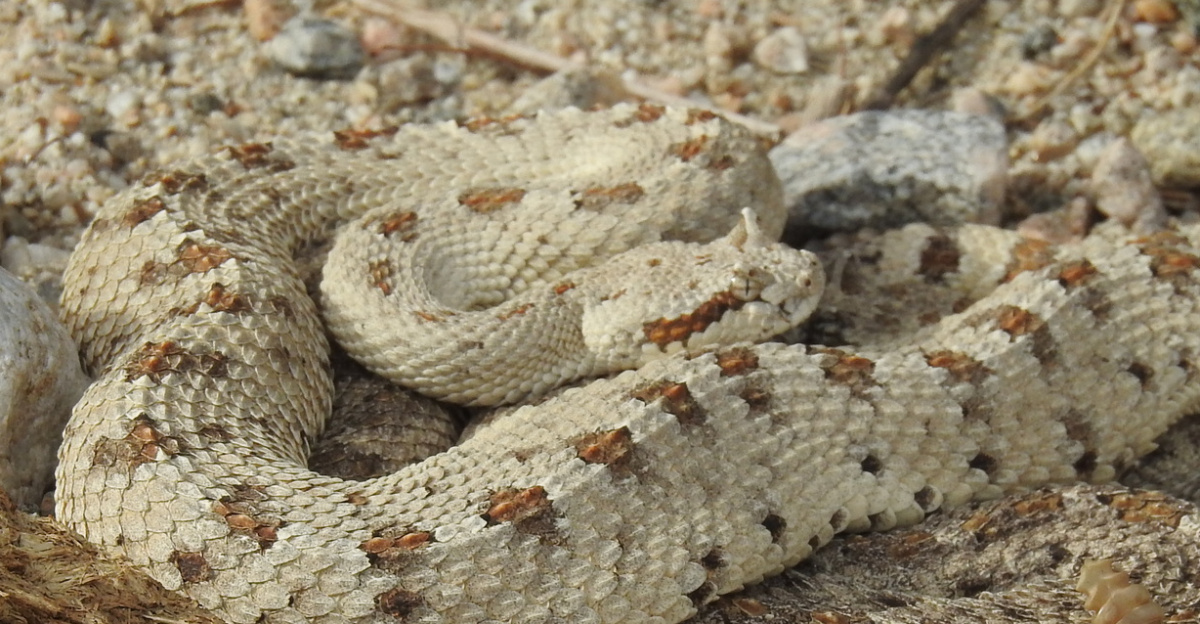
Several of Death Valley’s best-known animals are hunters that anchor the park’s food web. The sidewinder rattlesnake, a small pit viper of sandy flats and dunes, has evolved a sideways form of movement that keeps only two points of its body on the scorching ground at once. This motion allows it to cross loose sand quickly, sometimes at speeds reported up to 18 miles per hour. Horn-like scales above its eyes help protect them when the snake partially buries itself, while heat-sensing pits and venomous fangs make it an effective nocturnal predator of rodents and lizards.
Greater roadrunners, ground-dwelling cuckoos seen year-round, can sprint up to roughly 20 miles per hour, using their long tails as rudders to pivot rapidly. They hunt by day, feeding on insects, lizards, small snakes, and bird eggs. To save energy, they let body temperature drop slightly at night, then bask in the morning sun to warm up.
Coyotes roam from valley bottoms to foothills, switching between solitary hunting, pairs, or small groups depending on prey size. They eat rodents, rabbits, carrion, and almost anything else they find, helping regulate smaller animal populations and cleaning up carcasses. Higher in the mountains, elusive mountain lions act as the park’s apex predators. Hunting mainly at night and alone, they prey on desert bighorn sheep and mule deer and have increasingly been observed killing feral burros. Recent research suggests this predation on wild donkeys can reduce grazing pressure on native vegetation and desert wetlands, subtly reshaping the park’s food web.
Smaller residents and hidden specialists
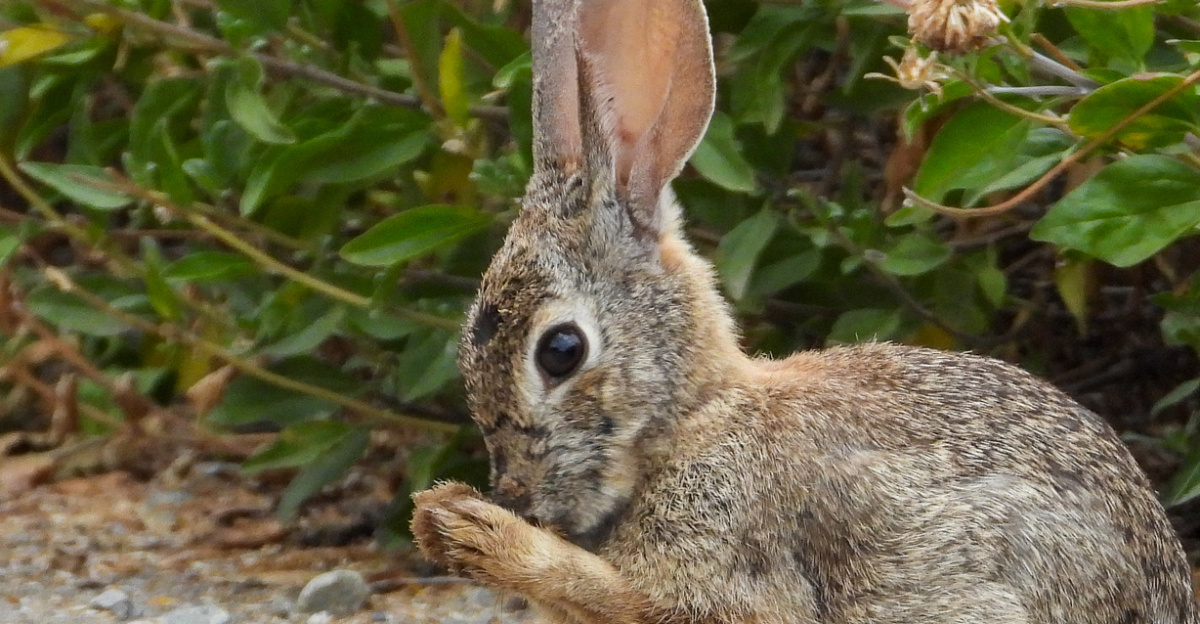
Many of Death Valley’s creatures are easy to overlook. Desert cottontails rest by day in shallow scrapes or abandoned burrows and emerge at dawn and dusk to feed on grasses and herbs. Their large ears help shed excess heat, and they in turn serve as important prey for snakes, hawks, coyotes, and bobcats.
Banded geckos spend daylight hours under rocks or in burrows, emerging at night with eyes adapted for low light to hunt insects and spiders. Their eyes can reflect light much like a cat’s, making them visible in the beam of a flashlight. Common ravens, highly intelligent and opportunistic, scavenge across the park and sometimes raid tortoise nests, linking them directly to the success of a protected species.
In wetter pockets, five amphibian species complete rapid life cycles in temporary pools formed by rare rains, breeding, metamorphosing, and dispersing in a matter of days before the water disappears. At higher elevations, mule deer browse on shrubs and forbs, sharing mountain landscapes with bighorn sheep. Desert iguanas offer another example of extreme heat tolerance: they remain active above ground during the hottest hours of the day, withstanding body temperatures over 115 degrees Fahrenheit while they forage when many other animals are sheltering.
Protecting a fragile community
The park’s wildlife depends on a dense network of interactions. Herbivores such as tortoises, bighorn sheep, mule deer, and cottontails shape plant communities and, in turn, sustain predators from coyotes and mountain lions to raptors and snakes. Scavengers like coyotes and ravens recycle nutrients from carcasses. Even nonnative species such as feral burros are now woven into the system, with native predators beginning to influence their numbers.
Land managers and scientists work to maintain this balance through protections for listed species, habitat restoration, and close monitoring of sensitive populations like the Devil’s Hole pupfish. Captive breeding, nest protection, and research on predator-prey dynamics all form part of a broader effort to keep the ecosystem functioning.
Future challenges include rising temperatures, changes in precipitation, competition for water beyond park boundaries, and fragmentation of surrounding habitats. How Death Valley’s animals respond, and how effectively managers support that resilience, will help determine whether this extreme landscape continues to harbor such an exceptional array of life in the decades ahead.
Sources:
“Death Valley Wildlife Overview.” National Park Service official documentation
“Endangered Devils Hole Pupfish.” U.S. Fish and Wildlife Service species recovery program
“Biologists Try to Dig Endangered Pupfish Out of Its Hole.” Berkeley News, 2014
“Desert Bighorn Sheep Habitat and Mountain Adaptation.” Wikipedia Desert Wildlife documentation
“Dipodomys Deserti (Desert Kangaroo Rat) Information.” Animal Diversity Web scientific database
“Crotalus Cerastes (Sidewinder) Thermoregulation and Behavior.” Animal Diversity Web herpetological research
“Greater Roadrunner Species of Death Valley National Park.” iNaturalist species guide
“Threatened Desert Tortoises Good at Weathering Wildfires.” Wildlife Conservation Society, 2023
“Mountain Lion Predation on Wild Donkeys Rewires Ancient Food Web.” Animal Ecology in Focus, 2022