
If long, punishing gym sessions don’t fit your life, you’re not failing at fitness, you may just need a different strategy. Many people who stay in decent shape do it through small movements all day long, not dramatic workouts.
Over a full day, these small actions can burn a surprising number of calories and support heart, brain, and metabolic health.In other words, a day spent walking, standing, and moving can matter as much as a single intense workout. This does not mean the gym is useless, but it does mean you don’t have to live there.
1. Make Walking Your Default

People who naturally stay lean often have one thing in common, they walk a lot, without calling it exercise. They walk to the bus stop, around the office, through the grocery store, or while talking on the phone.
Walking works because it is low‑impact, easy to repeat, and fits into almost any schedule. Instead of treating walking as a special event, think of it as your default way to get from A to B. Take the longer route, get off one stop early, or hold walking meetings when you can. Over weeks and months, those extra steps quietly build a stronger, more resilient body.
2. Turn Housework Into a Hidden Metabolism Booster

Cleaning the kitchen, cooking dinner, mowing the lawn, or doing laundry may not feel like real exercise, but your body does not care what you call it. These everyday chores are all part things that can significantly raise how many calories you burn in a day.
Instead of looking for ways to avoid chores, see them as a chance to move. Scrub vigorously, carry your groceries instead of using a cart when safe, or garden for an extra 10 minutes. These tasks help keep your home in order and your metabolism quietly humming along.
3. Sit Less, Stand and Move a Little More

Long stretches of sitting are tough on the body, even for people who exercise. Studies link prolonged sitting with higher risks of obesity, heart disease, and some cancers, regardless of how often someone hits the gym.
You do not need to stand all day, but breaking up sitting time matters. Set a timer to get up every hour, pace while on phone calls, or stand during short tasks like reading emails. These small shifts increase NEAT, give your circulation a break, and can help smooth out blood sugar and fat levels over time.
4. Treat Sleep as a Core Part of Your Fitness Plan

Sleep is not just recovery time; it is a quiet pillar of weight and health control. A major review in the journal Sleep found that adults who routinely sleep too little are more likely to gain weight and develop obesity. Short sleep appears to disrupt hormones that control hunger and fullness, such as leptin and ghrelin, leading people to feel hungrier and crave high‑calorie foods.
For people trying to stay fit without doing more exercise, this matters. Getting seven to nine hours of quality sleep most nights helps your body regulate appetite, blood sugar, and stress hormones. In practice, that might mean setting a regular bedtime, dimming screens earlier, and treating sleep with the same seriousness you might give a workout.
5. Drink Water To Gently Help Control Appetite

Hydration does more than prevent headaches or help you feel alert. It can also play a small but useful role in managing appetite. Water is not a magic fix, and it will not cancel out constant overeating. But making a habit of drinking water throughout the day, and having a glass before meals, may help you feel satisfied sooner.
Pair that with slowing down at mealtimes and noticing taste and fullness. These small practices can help people maintain a comfortable weight without counting every bite, following rigid diets, or spending extra hours in the gym.
6. Base Your Plate on Simple, Whole Foods

Many people who stay fit without obsessing over every calorie share a similar approach to food, they build most meals around whole, minimally processed ingredients. That means plenty of vegetables, fruits, beans, lentils, whole grains, nuts, olive oil, and modest portions of fish or lean meat.
The power of this pattern comes from its balance by eating filling fiber, healthy fats, and satisfying flavors that make it easier to eat a bit less without trying very hard. You do not need to be perfect. Start by adding one extra vegetable, swapping refined grains for whole ones, or cooking one more meal at home each week.
7. Protect Your Mind From Stress

Chronic stress does more than make you feel overwhelmed. It can reshape where your body stores fat, especially around your midsection. Long‑term elevation of cortisol, the stress hormone, is linked with increased abdominal fat and higher metabolic risk. People who appear to stay fit more easily often guard their daily stress‑relief routines as carefully as workouts.
You cannot erase stress, but you can give your body better ways to handle it. Building even 10 to 15 minutes of stress‑reducing activity into most days supports both mental health and your long‑term waistline.
8. Choose Fun That Makes You Move, Not Just Scroll

How you spend your free time can shape your body as much as planned workouts. Research shows that more television time is strongly linked to higher obesity risk, while greater overall physical activity lowers it. You do not need to give up screens entirely, but swapping some scrolling or streaming for active hobbies can quietly make a change.
Gardening, casual sports, dancing in your living room, walking with a camera, or playing with kids or pets can burn hundreds of extra calories over a week. The key is to choose activities you genuinely enjoy, so moving your body feels like fun, not a chore.
9. Eat With Awareness, Not Obsession

Mindful eating is less about strict rules and more about paying attention. It asks simple questions: Am I actually hungry? Am I starting to feel full? Does this food still taste good? For people who want to stay fit without counting every gram of protein or every calorie, this is encouraging.
By slowing down, eating without constant distractions, and checking in with your body, you naturally reduce how often you overeat. You do not have to label foods as “good” or “bad.” Instead, aim to enjoy what you eat, stop roughly when you are satisfied, and notice patterns that leave you feeling sluggish or overly full.
10. Meal Prep for the Week
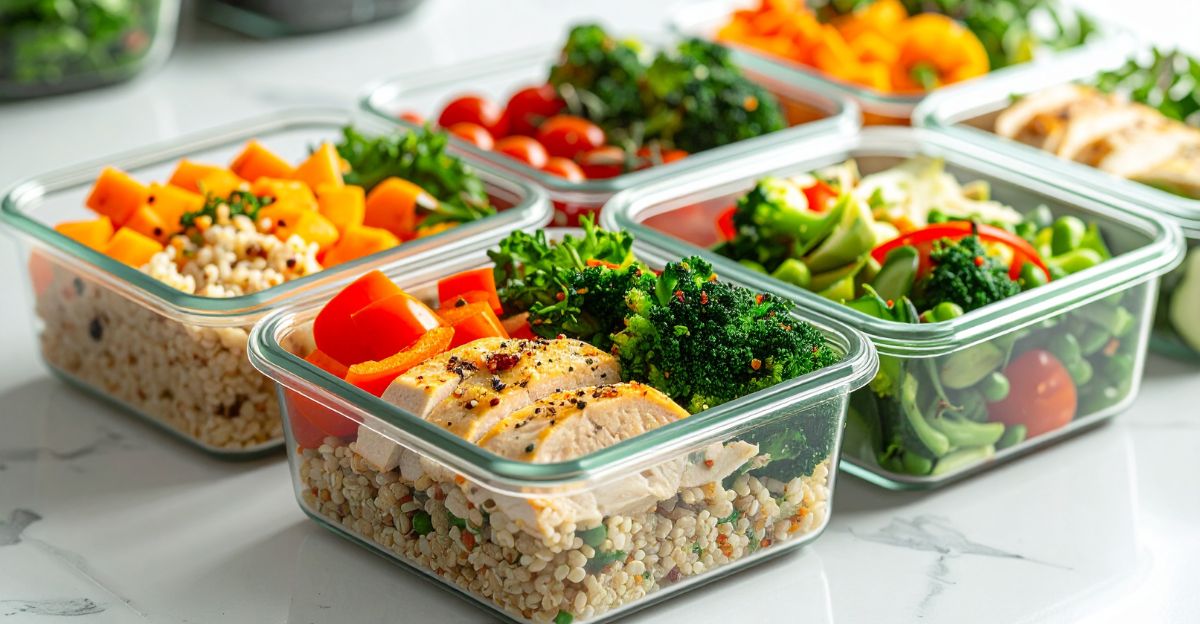
Batch-cooking meals ahead locks in healthy eating without daily hassle. Fit folks swear by it, chop veggies Sunday, portion proteins, grab-and-go all week. Studies show prepped meals cut average intake by 15-20%, aiding weight stability sans diets. Start small with only a few meals per week or even just your lunches, once you get into it, choosing the right food for your health will become a whole lot easier.
The Movement You Don’t Notice But Your Body Does

Moving includes walking to work, standing at a counter, unloading the dishwasher, fidgeting in your chair, or stocking shelves at your job. The Obesity Medicine Association notes that different movements can be as high as 2,000 kilocalories per day.
That is roughly the energy in a full extra day’s worth of food. This helps explain why two people with similar diets and workout routines can have very different weight trajectories. One person’s day is packed with small movements; the other’s is mostly sitting.
Why Daily Movement and Planned Exercise Work Best Together
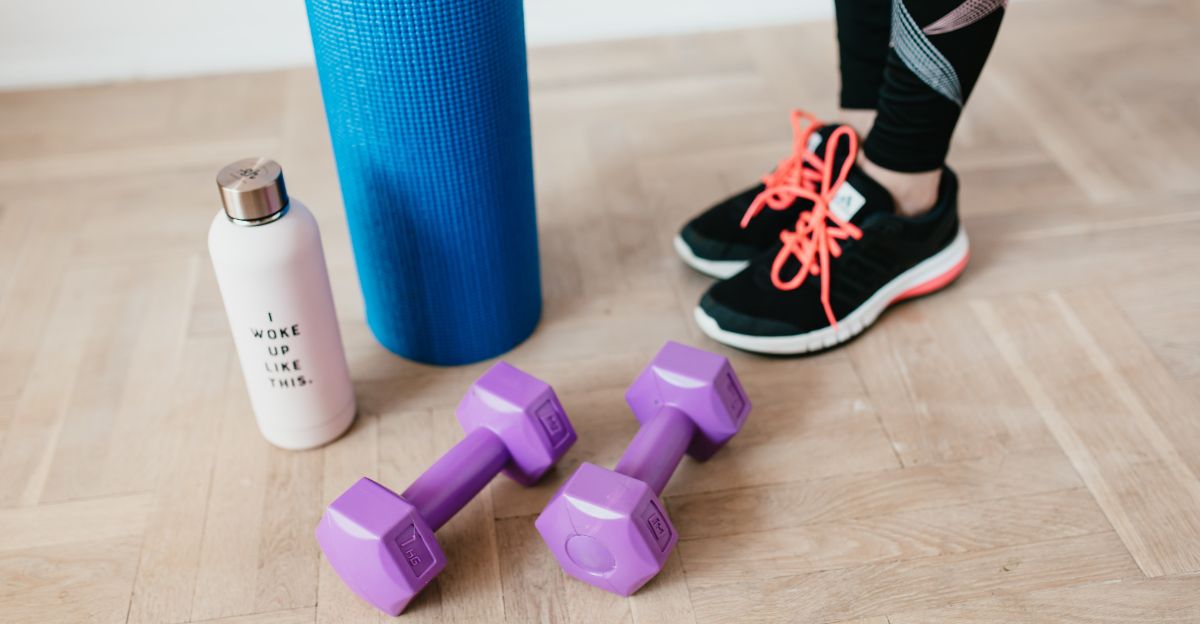
These small movements are powerful, but experts stress that it should complement, not replace formal exercise. A strong workout can’t fully undo the effects of a day spent almost entirely in a chair, yet daily fidgeting and walking will not fully match the benefits of structured strength and cardio training either.
The American College of Sports Medicine recommends at least 150 minutes of moderate‑intensity activity per week, plus muscle‑strengthening work on two or more days, alongside efforts to sit less and move more throughout the day. Together, they support heart health, muscle and bone strength, mood, and weight, without requiring an extreme fitness lifestyle.
Desk Job? You Can Still Move More

A sedentary job doesn’t doom your health, but it does mean you need to be more intentional about moving. Today’s office workers burn roughly 140 fewer calories per day through work activity than people in the 1960s, according to guidance from the Obesity Medicine Association. Over months and years, that gap adds up.
Small tweaks can help reclaim that lost movement. Use a standing desk for part of the day, or alternate between sitting and standing. Take the stairs when you can. Walk to a colleague’s desk instead of sending a message. Suggest walking meetings for one‑on‑one conversations. Set a reminder to stand, stretch, or stroll for two or three minutes every hour.
Tiny Movements That Quietly Add Up

Some of the most powerful movements are the ones you hardly notice. Fidgeting, shifting in your seat, strolling through a museum, wandering a shop, playing with your pet, or laughing a lot. They may look insignificant, but together they can make a real difference.
The message isn’t to obsess over every step, but to give yourself permission to move in small, frequent ways.
Sources:
Mayo Clinic, “NEAT and Everyday Movement”
Obesity Medicine Association, “Why Small Habits Matter More Than Marathon Workouts”
JAMA Internal Medicine, “Walk More Everywhere You Can”
American Heart Association ATVB, “Slow and Steady Walking Can Match Running”