On 17 November 2022, a cream‑embossed letter left Clarence House with an unusually blunt message: foie gras was no longer welcome in any royal residence.
The decision, driven by King Charles III, instantly turned a luxury delicacy into a symbol of ethical red lines at court. But that was just the start. The real surprise is how many other foods the royal family tries to avoid—and why.
How Strict Is the Royal “No” List?
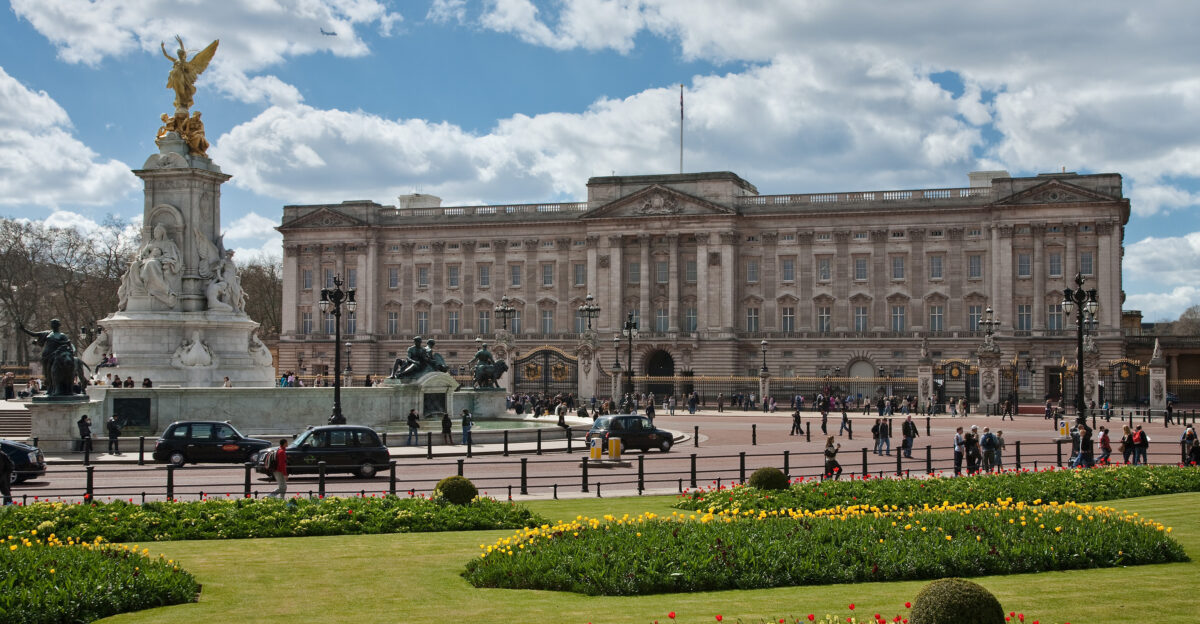
The foie gras letter, confirmed by Buckingham Palace and welcomed by campaigners, revealed that what appears on royal plates is carefully curated, not casually chosen. Former chefs and butlers describe a mix of health precautions, animal‑welfare concerns and public‑image calculations behind every restriction.
Some foods are barred from official events; others are simply strongly discouraged when public duties are on the line.
Who Sets the Rules—and When They Apply
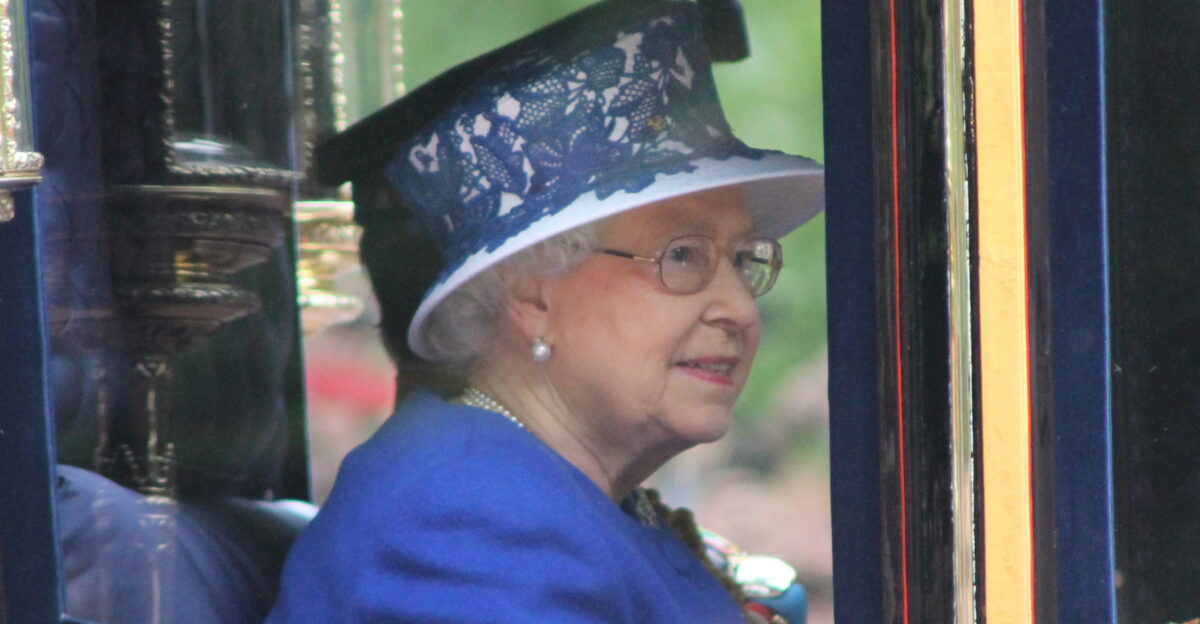
Many dining guidelines trace back to late Queen Elizabeth II’s cautious approach to food on tour, while King Charles III has added his own environmental and ethical priorities.
These rules are most strictly applied at state banquets, overseas visits and high‑profile receptions, where a bout of food poisoning—or even strong breath—could disrupt diplomacy. In private, insiders say, the family sometimes relaxes the rules.
Food #1: Foie Gras
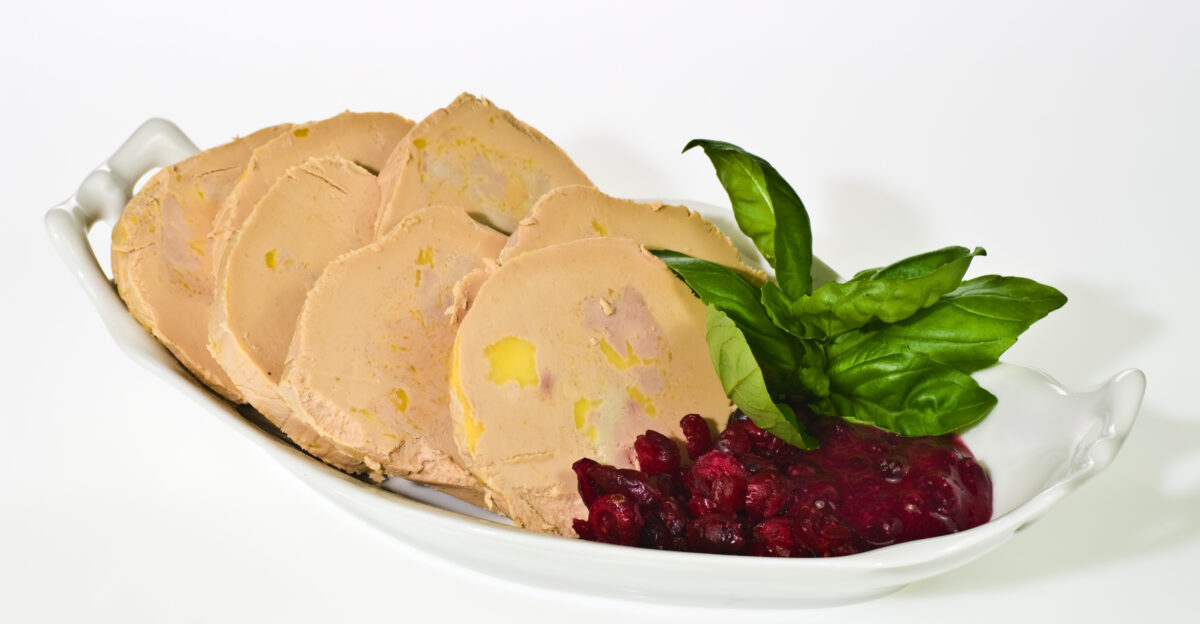
Foie gras, produced by force‑feeding ducks or geese until their livers swell, has long been criticised by animal‑welfare organisations. Charles opposed it for years in his own households before extending the ban across all royal residences shortly after becoming king.
The move aligned the monarchy with U.K. rules that already prohibit domestic production of foie gras and with retailers that refuse to sell it.
Campaigners Applaud a “Posh” Rejection
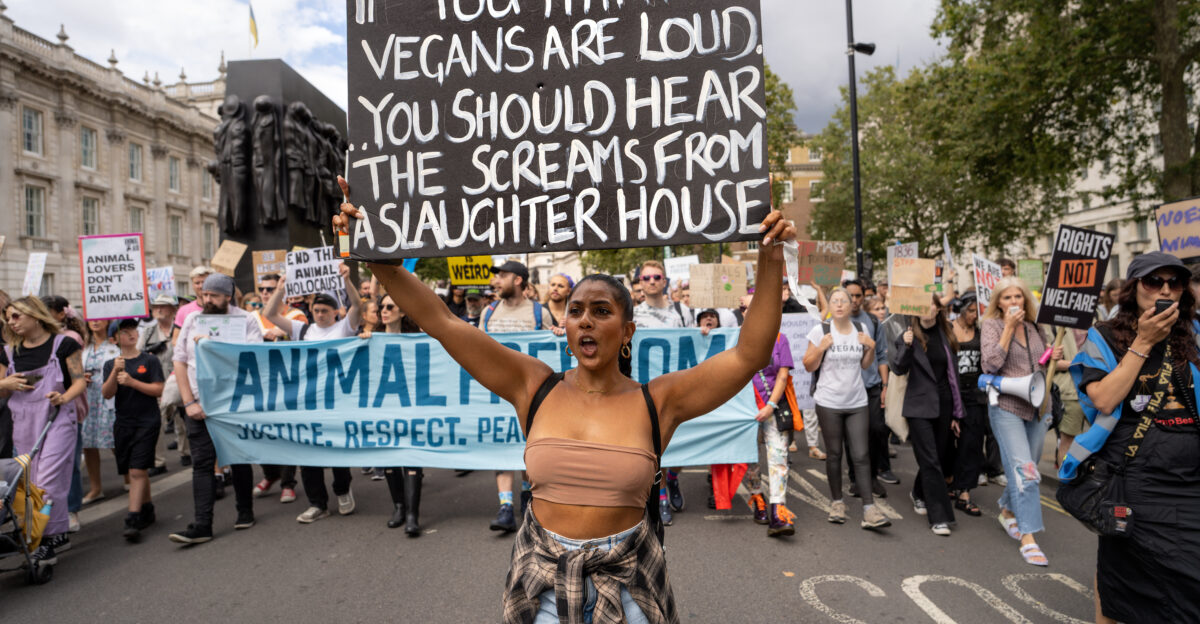
Animal‑rights groups hailed the ban as a powerful statement from one of the country’s most high‑profile consumers. A spokesperson quoted by British media noted that “for him to ban it is very good news,” highlighting how a royal preference can accelerate shifts in public and corporate behaviour.
For luxury suppliers, it was a reminder that ethical scrutiny now extends to even the most traditional delicacies.
Food #2: Shellfish
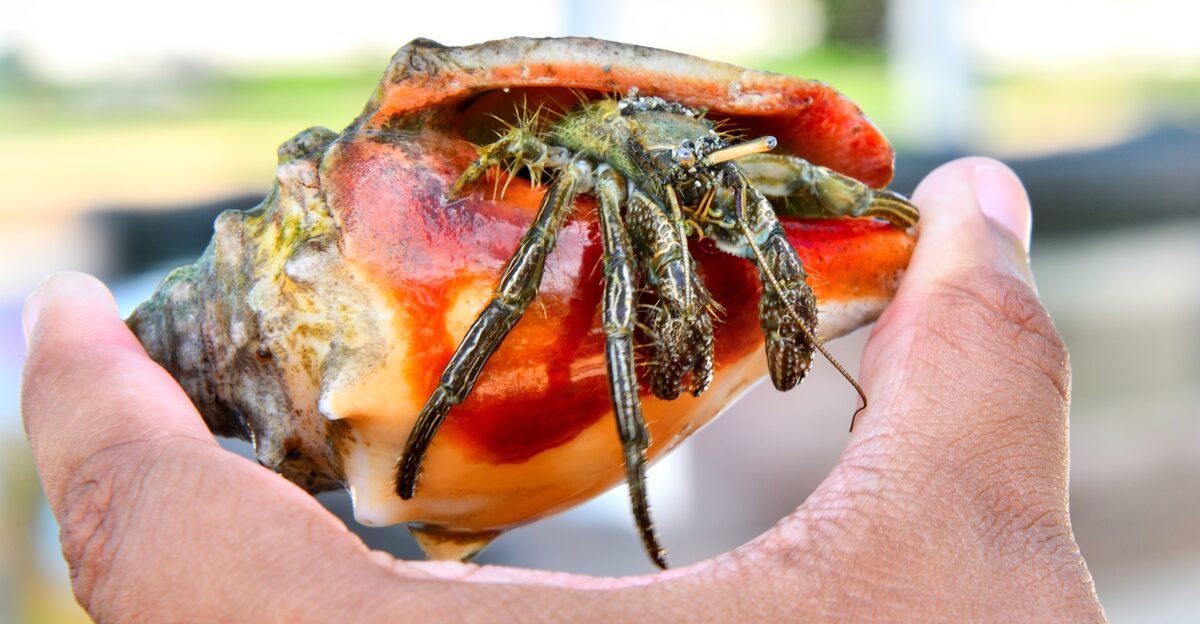
Shellfish is another apparent indulgence that rarely appears on royal menus, especially when the family dines out or travels abroad.
Clams, oysters, mussels and prawns can carry bacteria, viruses and marine toxins if mishandled, increasing the risk of violent food poisoning. For a working royal with a packed schedule, even a 24‑hour illness can wipe out key engagements and international meetings.
“It’s Off the Menu”: Insiders Explain

Former royal butler Grant Harrold put it bluntly: “When dining, the Royal Family has to be careful with shellfish due to shellfish poisoning, due to their work schedules.”
Another former chef told Fox‑affiliated outlets that shellfish is effectively “off the menu” because poisoning “can wipe you out for days.” The message is clear: the risk is not worth the diplomatic fallout.
Food #3: Tap Water Abroad and the Bottled‑Water Rule
Similar caution shapes how royals hydrate overseas. Reports note that they generally avoid foreign tap water and rely on sealed bottled water when travelling, mirroring standard health advice for higher‑risk destinations.
At home, the late Queen Elizabeth II favoured Hildon Natural Mineral Water, which holds a Royal Warrant, underscoring how even water choices are carefully controlled.
Food #4: Garlic
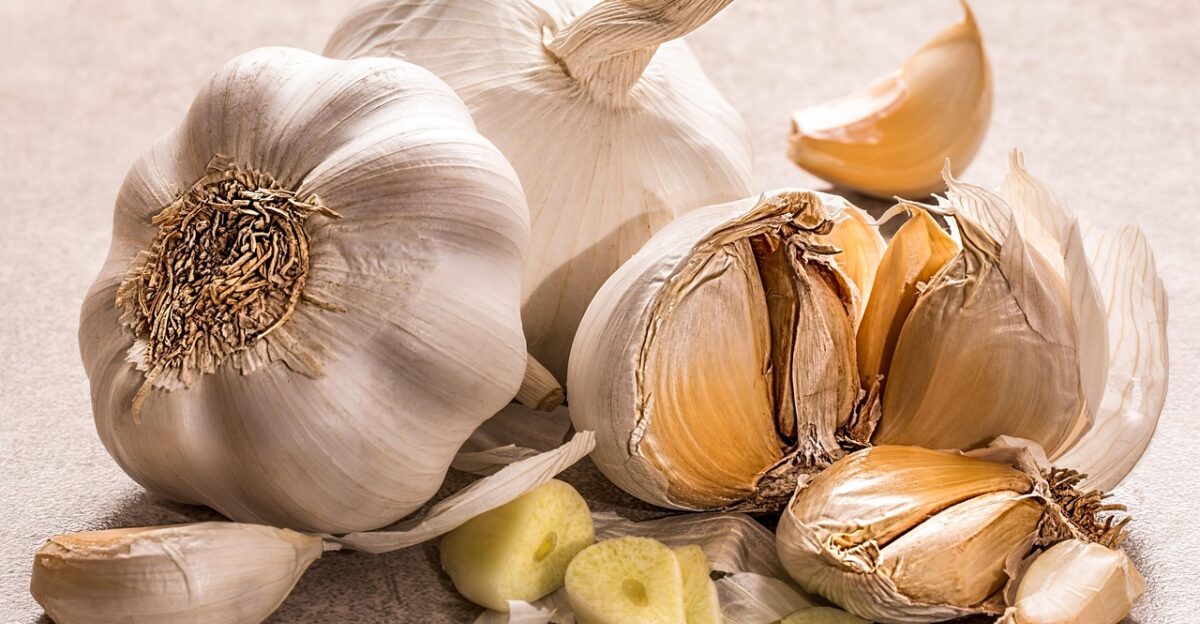
For food lovers, the most surprising omission is garlic. It is not banned from private life, but it almost never appears at state banquets or major public events.
The reason has nothing to do with taste and everything to do with close‑quarters conversation, constant handshakes and global media scrutiny. No one wants headlines about a royal’s overpowering breath.
Camilla’s Straightforward Explanation
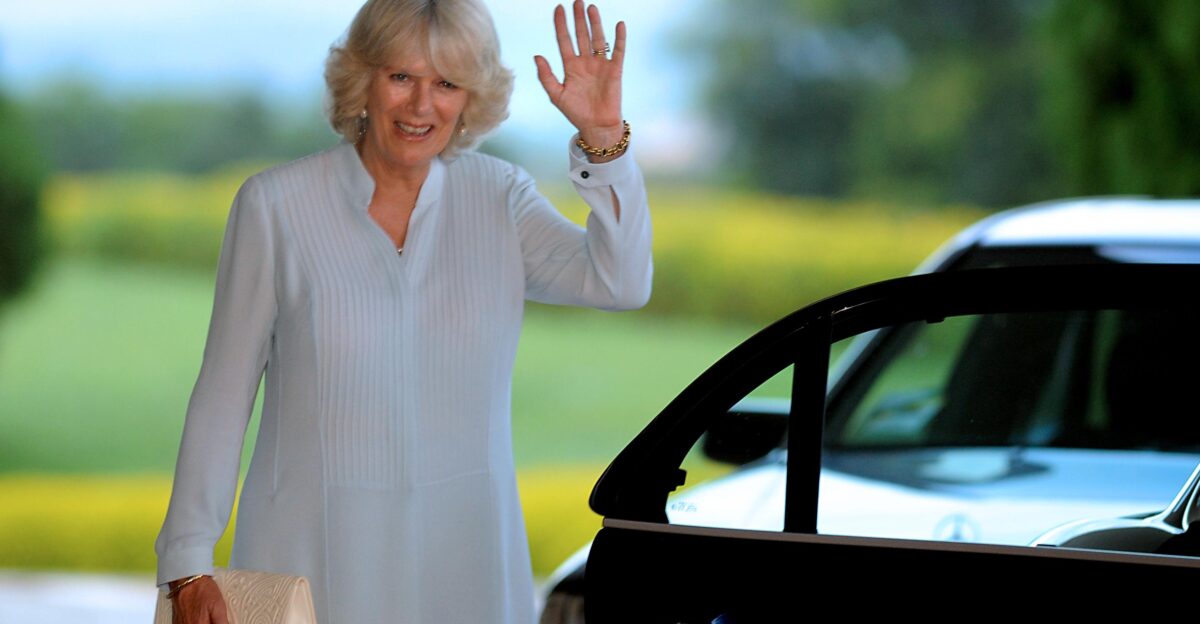
Queen Camilla confirmed the rule on “MasterChef Australia,” telling contestants: “I hate to say this, but garlic. Garlic is a no‑no.” Asked if this was because royals are “talking, chatting,” she replied: “Yes, exactly.
So you always have to lay off the garlic.” Her comments turned a long‑rumoured guideline into an on‑the‑record piece of royal protocol.
Food #5: Rare or Raw Meats
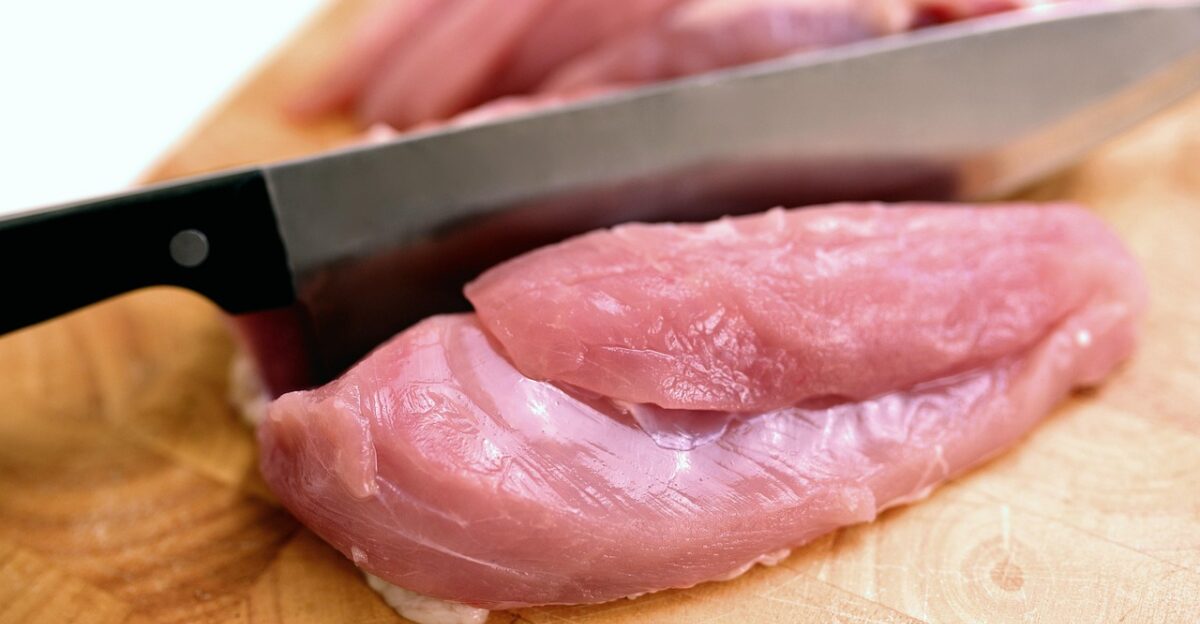
Another quiet constraint targets rare or raw meats. Video explainers summarising royal food rules, citing BBC reporting, note that rare meats are discouraged, especially when dining out or overseas.
Undercooked meat can harbour harmful bacteria, and inconsistent kitchen standards worldwide make it harder to guarantee safety. For palace planners, perfectly cooked beats perfectly pink when health and continuity are at stake.
Food #6: Simmered Stocks
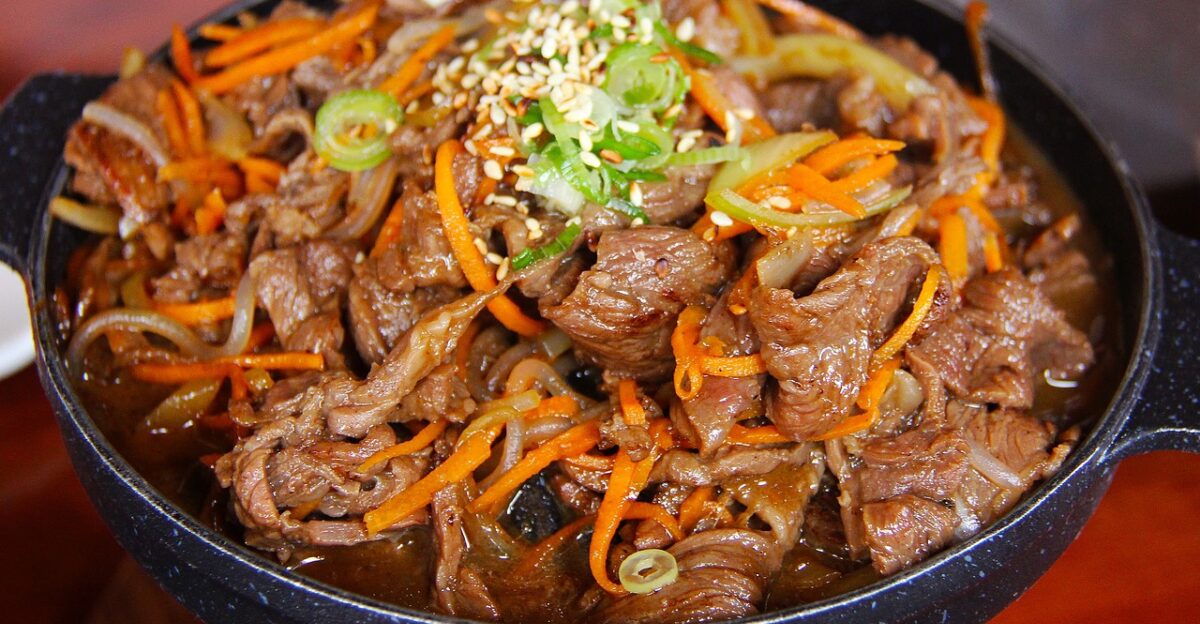
More complex dishes—like soups and stews made with simmered stock and chopped meat—also draw caution when prepared for large events.
Food‑safety guidance warns that foods held warm for extended periods can allow bacteria to multiply if temperatures fluctuate. With hundreds of guests, the margin for error is small, so royal chefs often favour simpler, lower‑risk preparations for state banquets.
Food #7: Square Sandwiches
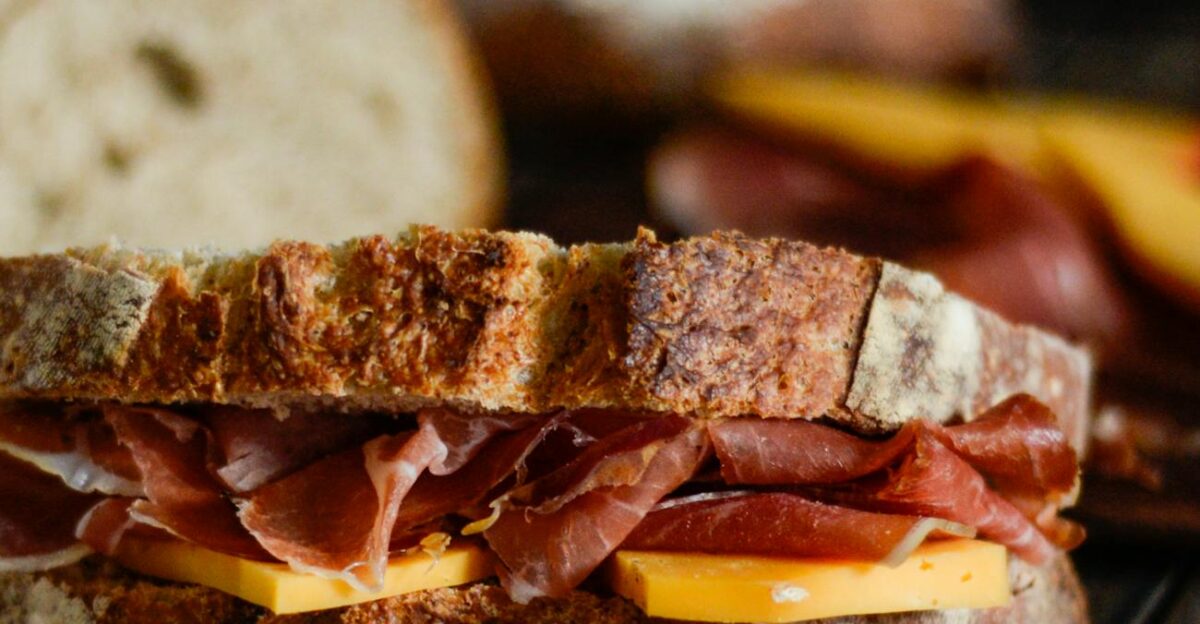
Even sandwiches are shaped by protocol. Traditional royal afternoon teas favour slim fingers or triangles with the crusts removed, rather than large square slices.
Etiquette experts say smaller, uniform pieces are easier to eat neatly while standing, talking and being photographed from multiple angles. Messy fillings and overflowing sauces are largely avoided for the same reason.
Experts See Image Management in Every Bite

Royal‑protocol specialists argue that these food choices reflect a broader principle: nothing served should create unnecessary risk, visually or medically.
As former staff have noted, a single bad reaction, spill or awkward mouthful can become the image that defines an entire trip. Limiting certain foods is a small price to pay to keep the focus on diplomacy, not dinner.
Food #8: GM Foods
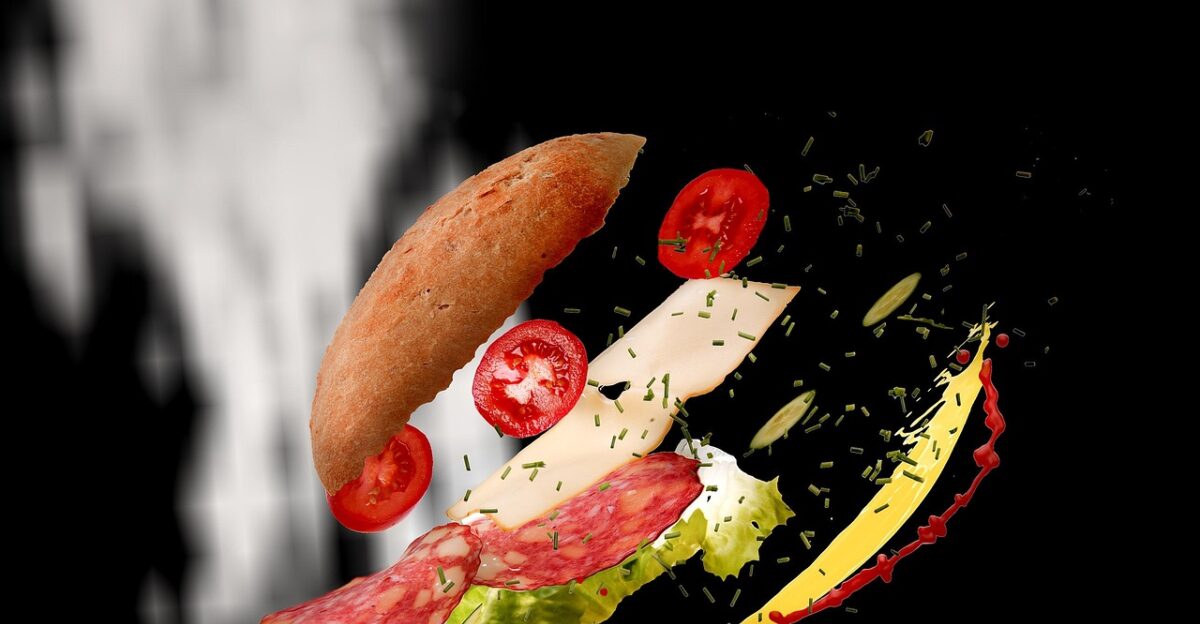
King Charles’s environmental views also shape the royal diet. He has long championed organic and traditional farming methods and has expressed unease about genetically‑modified crops.
While there is no formal public ban on GM foods in royal kitchens, their emphasis on seasonal, local and often organic produce means GM fruits and vegetables rarely appear on official menus.
A Signal to the Food and Farming Industries
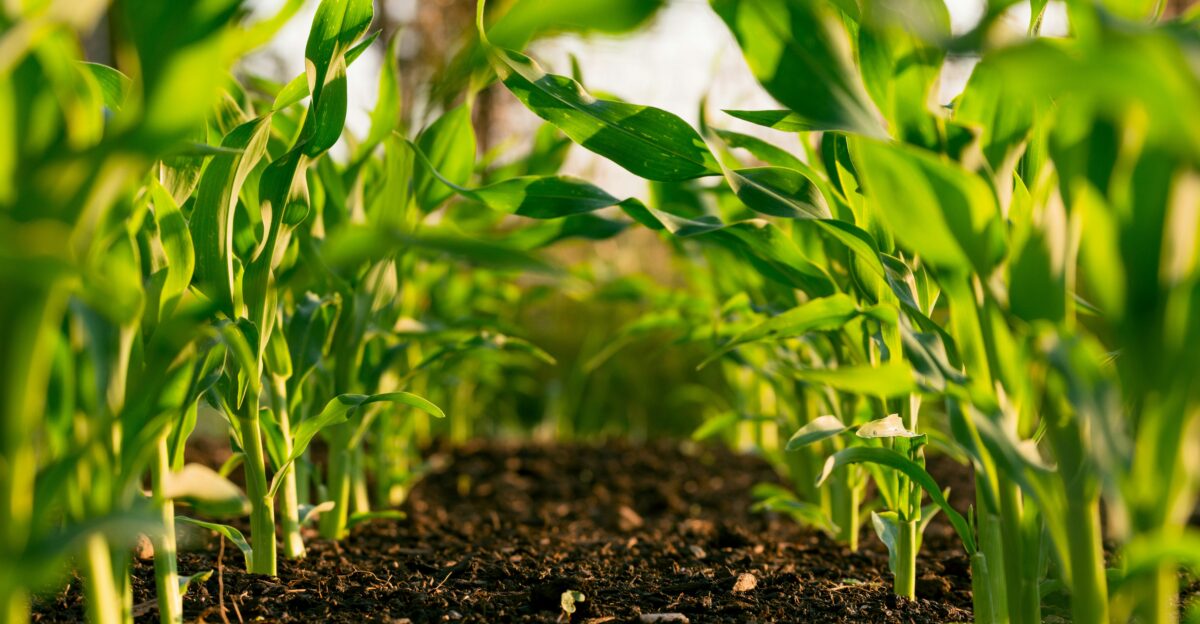
By favouring organic and rejecting foie gras, the royal household sends powerful market signals to suppliers, retailers and restaurateurs. A Royal Warrant, or its absence, can influence what supermarkets stock and what high‑end venues offer their wealthiest guests.
For producers, aligning with royal preferences can be both a branding opportunity and a nudge toward more sustainable practices.
Food #9: Alcohol Served by Strangers
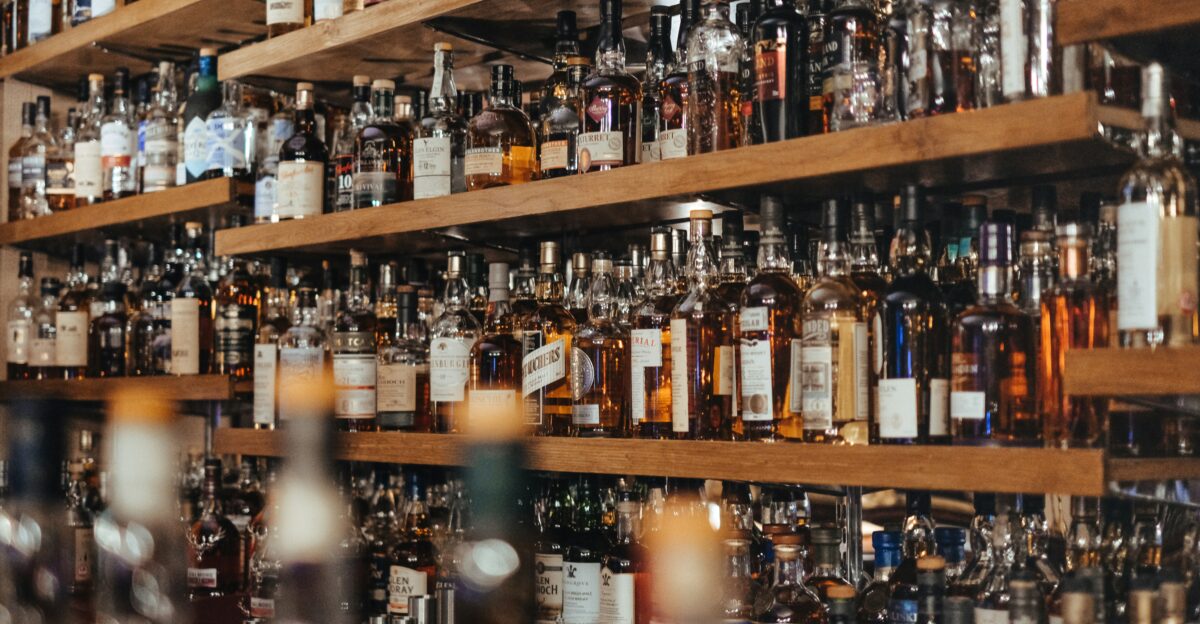
Alcohol itself is not banned in royal circles, but who pours the drinks matters considerably. At major events, beverages are typically served by trusted palace or venue staff, limiting the risk of tampering and ensuring senior royals maintain appropriate public decorum.
Security experts note this controlled approach reduces both safety and reputational risks for high‑profile public figures.
Food #10: Travel Protocols and Global Public‑Health Lessons
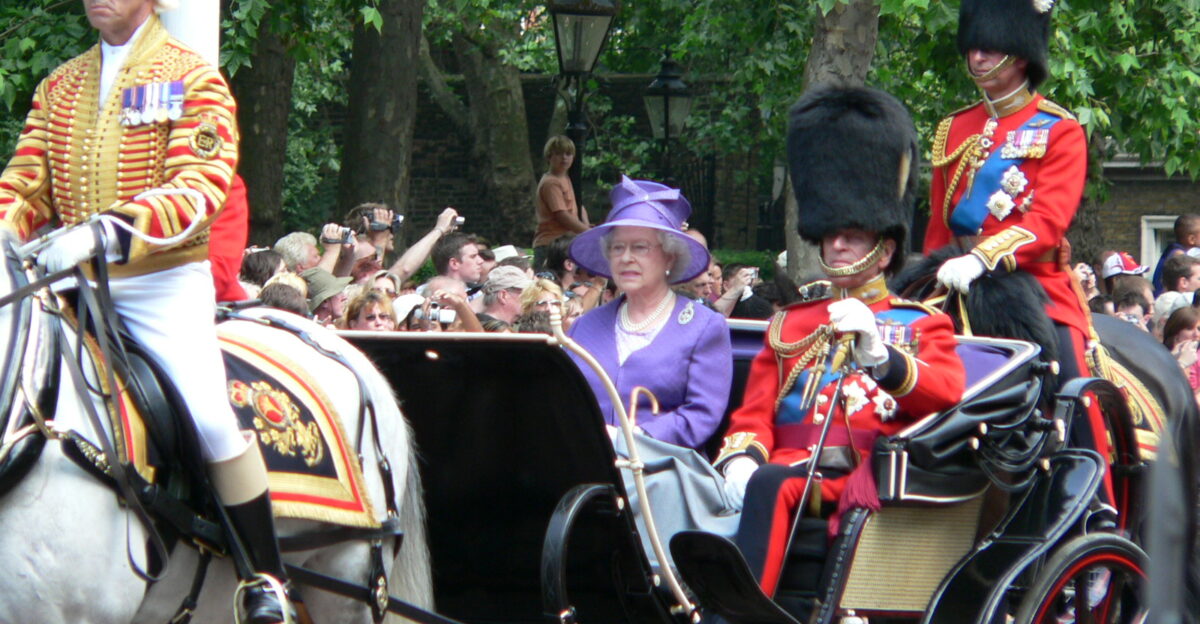
The royal approach to shellfish, tap water and rare meats abroad echoes standard travel‑medicine advice given to millions of ordinary tourists each year. Avoid high‑risk foods, choose bottled water, and be wary of raw animal products in unfamiliar kitchens.
In that sense, palace protocol doubles as a live demonstration of conservative, evidence‑based food‑safety practice on a global stage.
How Younger Royals May Shape Future Menus
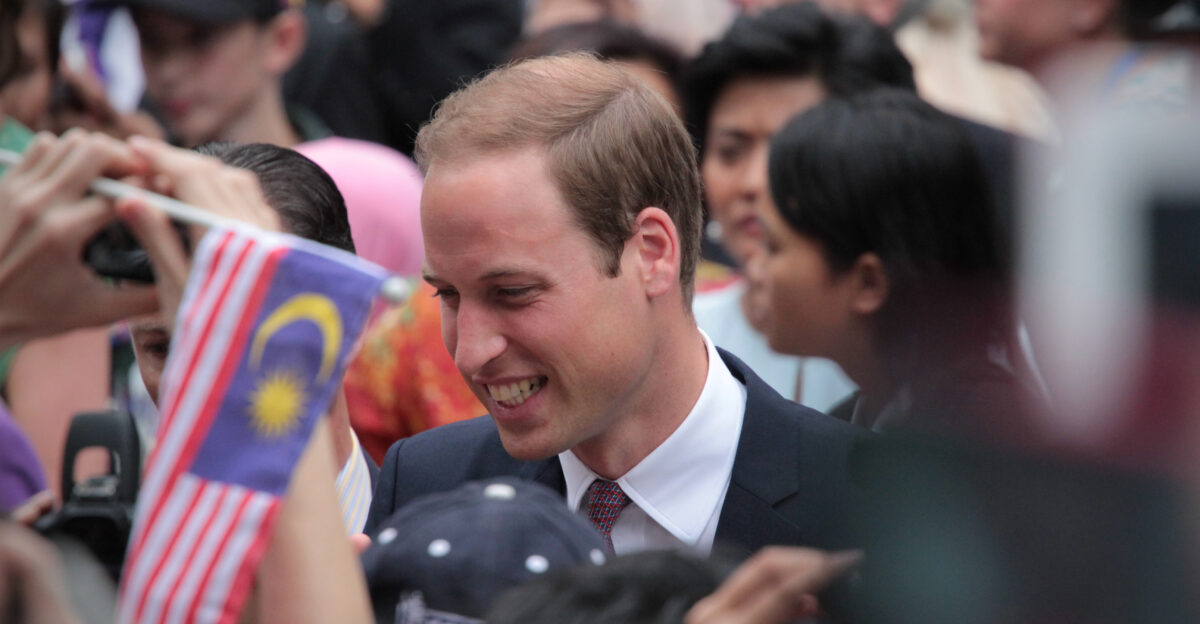
Younger royals such as Prince William and Catherine have publicly admitted enjoying sushi and other dishes outside the traditional comfort zone, hinting at a gradual softening in private.
Nonetheless, former staff stress that when they represent the Crown officially, the same cautious rules apply. Any future change will likely be evolutionary, not revolutionary, balancing modern tastes with institutional risk management.
What This Means for Hospitality and Events
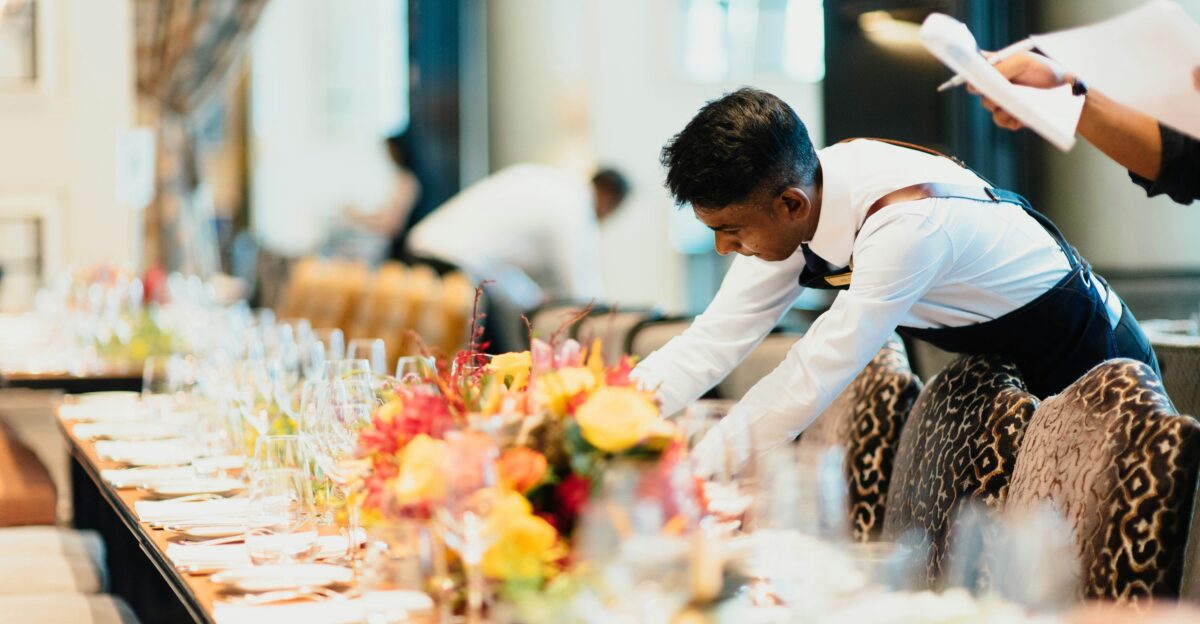
For the wider hospitality industry, the royal rules highlight an emerging norm: high‑profile guests expect menus that are not only luxurious but also safe, sustainable and camera‑ready.
Hotels, caterers and event planners increasingly design offerings that minimise allergy risks, food‑borne illness and messy presentations. The royal family’s approach shows how food policy can quietly reinforce brand values and public expectations.
The Next Course: Ethics, Safety and Image

From a foie gras ban etched in palace stationery to garlic‑free banquets and bottled water abroad, the royal diet reveals how ethics, safety and image converge on the dinner table.
As debates over animal welfare, sustainability and public‑health risks intensify, those quiet choices may become a template for how powerful institutions—and perhaps ordinary households—rethink what they are willing to serve.
Sources:
“King Charles: Foie gras banned at royal residences.” BBC News, 17 Nov 2022.
“King Charles: Foie gras banned in all royal residences.” Evening Standard, 17 Nov 2022.
“Camilla, Duchess of Cornwall Says Royals Can’t Eat Garlic.” Elle, 7 Jul 2018.
“The one food the royal family never orders while eating out.” Business Insider, 7 Aug 2017.
“Royal Warrant: Queen prefers bottled water over tap.” Daily Express, 24 Aug 2021.
“Foods That The Queen Forbade The Royal Family From Eating.” LoveFood, 2023.