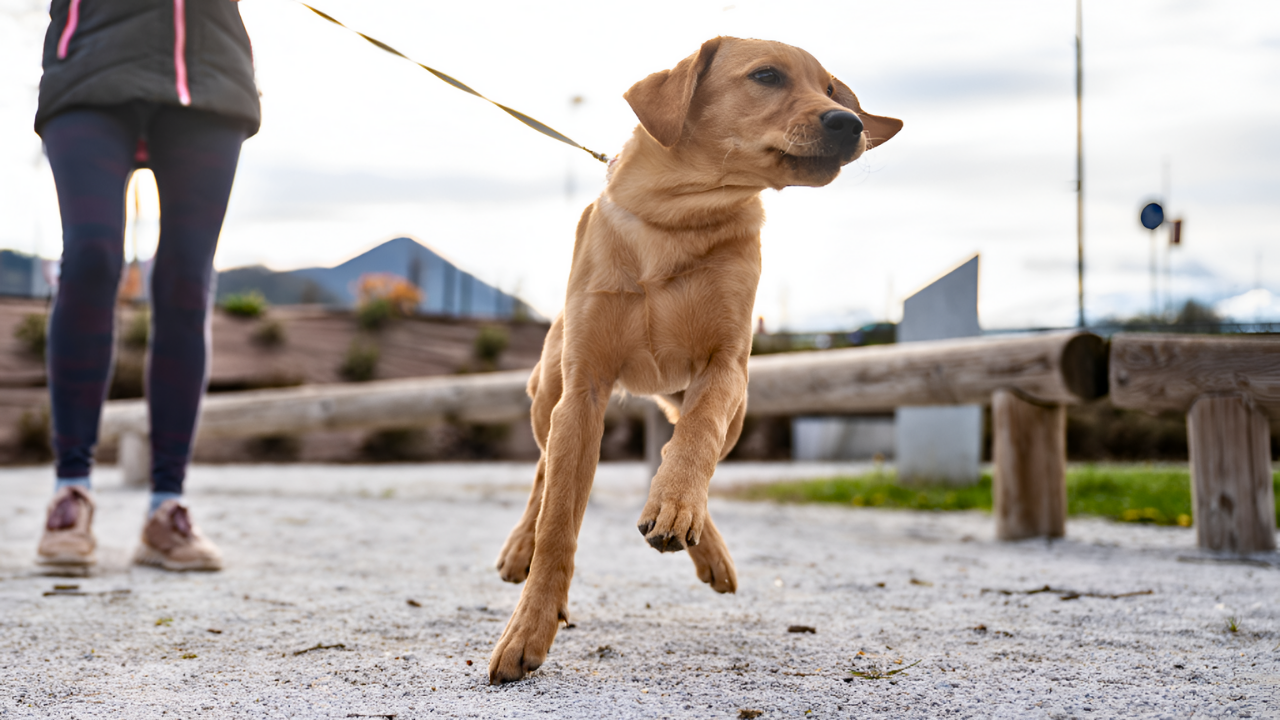
Every year, shelters see the same painful pattern: families bring home powerful, energetic dogs full of promise, then return them within months when the demands prove unmanageable. Behavioral issues now account for roughly a quarter of dog surrenders nationwide, and large, high-drive breeds are given up at rates far higher than more easygoing dogs. Pet ownership has also become more expensive, with costs rising sharply since 2019, adding financial pressure to already stressed households. Behind many of these failed placements is not a “bad dog,” experts say, but a deep mismatch between genetics and human expectations.
Expectations vs. Genetic Reality

What makes a dog challenging rarely comes down to size alone. Some breeds need four to five hours of exercise and mental work every day, far beyond a casual walk or backyard play. Others were bred to work independently and can be resistant to standard obedience methods, which frustrates owners who expect instant responsiveness.
Strong prey drives, territorial instincts, and a tendency toward separation anxiety compound the difficulties. Highly intelligent dogs, often admired for their brains, can turn destructive when bored or under-stimulated. Behaviorists emphasize that these traits are hardwired; they are not moral failings or stubbornness in the human sense. When families adopt based on looks, popularity, or reputation without understanding those genetic realities, the result is stress, property damage, and, too often, surrender.
The Financial and Emotional Toll
The cost of mismatch often appears first in a family’s budget. Large, athletic breeds may require $160 to $200 a month in food alone, and annual veterinary care can exceed $3,000. Professional behaviorists and trainers frequently charge around $100 per session, and complex cases may need many visits.
On top of that, owners may invest in stronger fencing, crate systems, and repairs after chewing, digging, or escape attempts. Injuries caused unintentionally by very large dogs can create additional medical bills. For some families, the combination of financial strain, time pressure, and ongoing stress leads them to return the dog and abandon the idea of owning another, turning what began as an optimistic decision into lasting regret.
How Pop Culture Skews Adoption
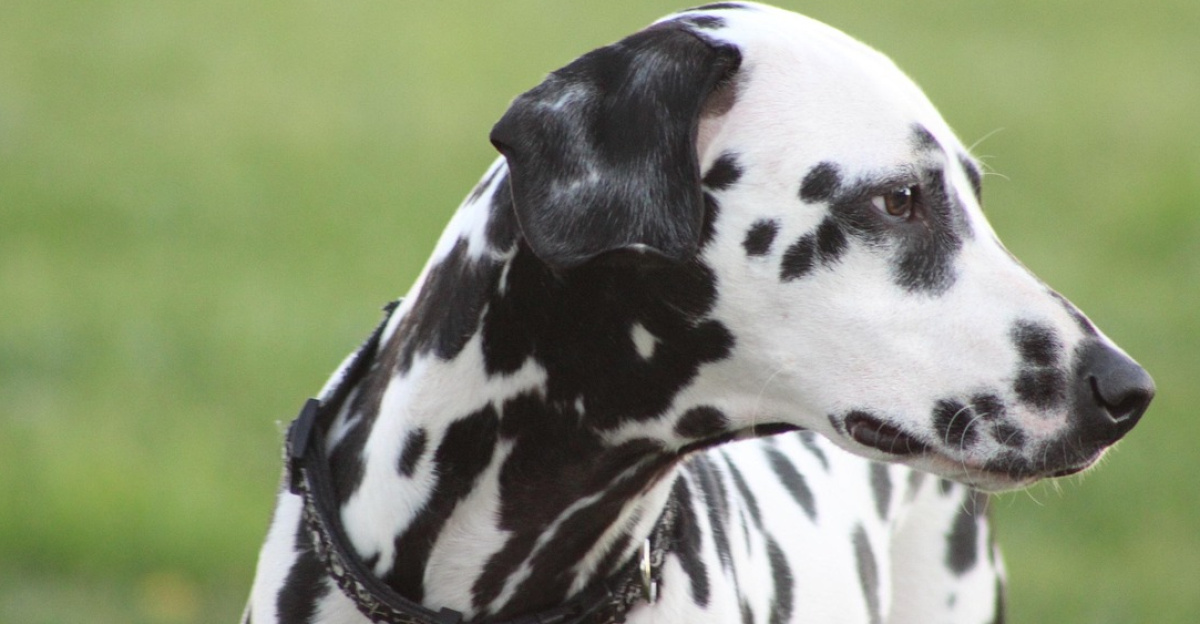
Entertainment has repeatedly shaped demand for specific breeds, often with harmful results. After the 1996 release of “101 Dalmatians,” shelters documented a 25% rise in Dalmatian intakes in a single year as families rushed to adopt spotted puppies they had seen on screen. Many were unprepared for dogs originally bred to run alongside carriages for long distances, with intense energy and endurance built in. Experts issued similar warnings following the 2021 film “Cruella,” anticipating another wave of impulsive adoptions.
These cycles are not limited to Dalmatians. Pop culture tends to highlight appearance and charm, not exercise needs, drive, or temperament. When on-screen fantasy meets real-life genetics, shelters are left to manage the increase in unwanted dogs whose only mistake was fitting a trend.
Breeds That Overwhelm First-Time Owners
Experts repeatedly point to a core set of breeds that can flourish with knowledgeable handlers but overwhelm novices.
Basenjis, one of the oldest domesticated breeds, are famous for not barking but instead producing yodel-like vocalizations. They are intensely independent, difficult to recall once their interest is engaged, and driven by strong prey instincts that often lead to escape attempts. Without extensive mental enrichment, they can become highly destructive.
Bloodhounds possess extraordinary scent-tracking abilities, able to follow trails over vast distances and long after a person has passed. Once focused on a scent, they commonly ignore commands, and their size—up to about 110 pounds—can make them hard to control on leash. Secure containment and experienced handling are essential.
Great Danes, despite a gentle reputation, present both physical and financial challenges. Weighing 100 to 175 pounds, they are prone to joint problems and have relatively short lifespans of seven to ten years. They are expensive to feed and treat, and some develop significant separation anxiety, which can cause damage on a large scale inside the home.
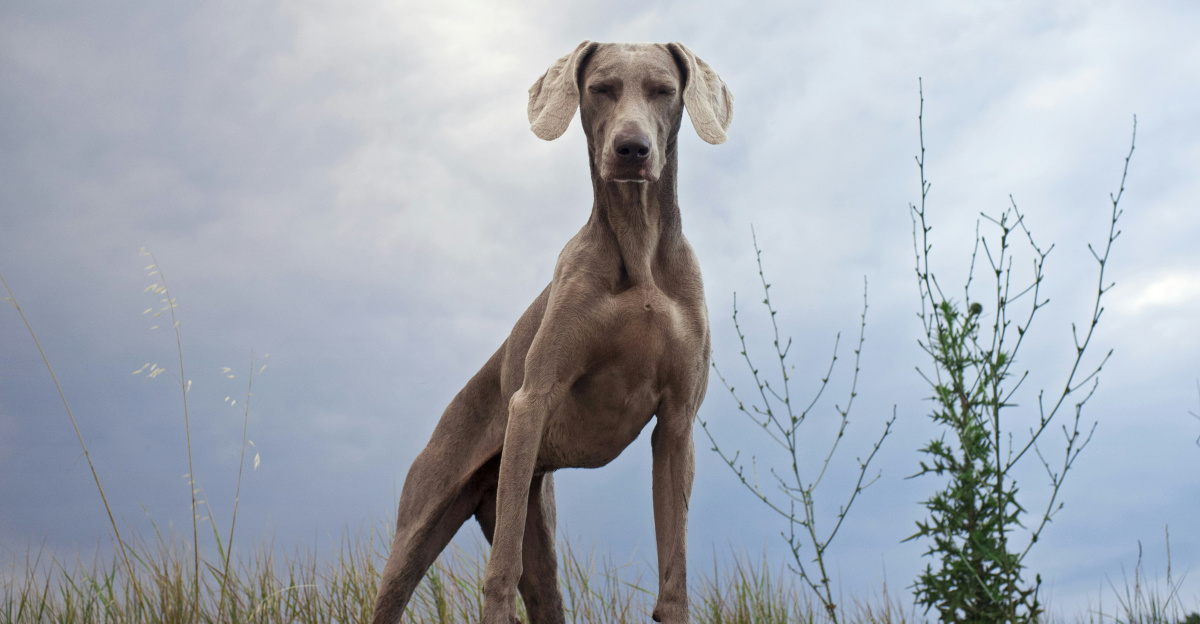
Weimaraners, often called “Velcro dogs,” form intense attachments and struggle when left alone. They typically need at least one to two hours of vigorous daily activity and mental work, with some requiring significantly more. Without that outlet, anxiety and destruction escalate quickly. Their combination of intelligence and sensitivity can make standard training approaches less effective, especially for families with full-time work schedules.
Australian Cattle Dogs were developed to move livestock across long distances, a job that demanded relentless energy and persistence. In modern homes, that drive often translates into herding behavior directed at children and other pets, along with nipping, pacing, and obsessive habits if they lack structured tasks. Their guarding tendencies add another layer of difficulty for inexperienced owners.
Chow Chows, with their plush coats and lion-like ruffs, often look approachable but are naturally aloof, bonded to one person, and wary of strangers. Bred as guard animals, they do not typically enjoy forced social interaction. Poor or insufficient early socialization can lead to defensive or aggressive responses, and they appear on many property and insurance restriction lists.
Dalmatians need at least two hours of daily exercise and mental challenges to stay stable. Without that, anxiety and destructive habits develop. Families still adopt them for their iconic spots and cultural fame, often underestimating the endurance and drive that come with a working background.
Akitas, weighing 70 to 130 pounds, are devoted to their families but instinctively suspicious of outsiders. Their guarding instincts, strong prey drive, and tendency toward resource guarding mean that mistakes in training can have serious consequences. Even well-socialized Akitas require confident, consistent leadership.
Siberian Huskies, bred to pull sleds over hundreds of miles, frequently struggle in conventional homes. They are natural escape artists who dig, climb, and squeeze through fencing. Many require two to three hours of vigorous daily exercise. In recent years, shelter returns of Huskies have risen sharply, with families citing shedding, vocalization, and independence as major challenges.
Alaskan Malamutes, often considered even more demanding, combine substantial size—75 to 150 pounds—with tremendous power and endurance. They typically need more than two hours of structured exercise daily, professional grooming every six to eight weeks, and large quantities of food. Traditional obedience approaches may not work well, and their sheer mass makes accidental injuries more likely if handling is inconsistent.
Training, Screening, and Better Matches
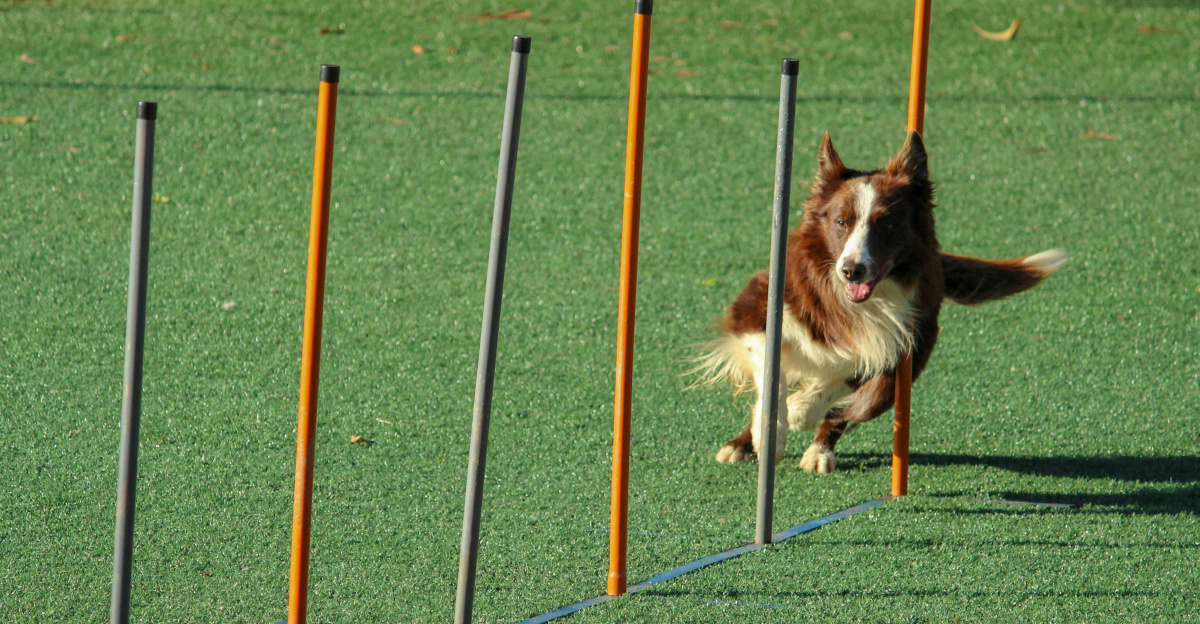
Despite these challenges, many of these dogs succeed when paired with informed owners and strong support. Shelter data show that adoption success rates improve significantly when training assistance is built into the process. Behavior guidance, group classes, and follow-up coaching help families understand how to work with, rather than against, breed instincts.
Tools that match lifestyle to breed traits—covering energy level, temperament, and care needs—also reduce the risk of a poor fit. Detailed breed profiles from registries, consultations with veterinarians and trainers, and trial periods offered by some shelters all contribute to better decisions before a dog goes home.
In the right situations, these demanding breeds often excel. Huskies thrive with endurance enthusiasts; Akitas can form deep bonds with disciplined handlers; Weimaraners shine as hunting partners; Malamutes flourish in active, outdoor-oriented households. The key is compatibility, not judgment. As shelters grapple with crowded kennels and families reckon with the weight of long-term responsibility, better education and honest assessment offer the most reliable path to fewer returns and more stable, lasting human–dog relationships.
Sources:
12 Most Challenging Dog Breeds for First-Time Owners, ElleVet Sciences, January 2025
19 Worst Dog Breeds for First-Time Owners, Hepper, April 2025
10 Dog Breeds That Can Be Difficult for First-Time Owners, The Animal Rescue Site, May 2025
Return Rates of Shelter Dogs Plunge When Training Is Provided, Greater Good, September 2025
After Movies, Unwanted Dalmatians, The New York Times, September 1997
Shelter Animals Count: Mid-Year 2024 Report, Shelter Animals Count, August 2024