
Baby Boomers continue to spend billions on services that younger generations now access for free. From cable TV bundles to tech support scams, this $36-72 billion annual overspend highlights a mix of habit, trust, and systemic incentives.
While Millennials and Gen Z embrace free alternatives, the spending patterns of Boomers reveal psychological and structural drivers. Here’s a look at why these relics persist—and who truly benefits.
Who Holds the Power and the Purse

Baby Boomers, born between 1946 and 1964, hold roughly 50% of U.S. household wealth. Approximately 73 million people remain active consumers, accounting for 22% of the population. Their purchasing choices sustain legacy industries even as younger generations seek alternatives.
In contrast, Gen Z leads in digital adoption, with a preference for mobile banking apps, streaming services, and free platforms. This generational gap is smaller than assumed, with income often a stronger predictor of technology use than age. But was this the first sign of deeper financial inertia among Boomers?
Legacy Services Still Driving Revenue
Around 18 million Boomer households maintain paid subscriptions to cable, landlines, checking fees, tech support, and physical media. These payments generate substantial revenue for telecom, banking, and media industries, sustaining outdated business models.
Yet the younger consumers largely avoid these costs, favoring streaming, free communications, and digital banking.
Here’s a closer look at the 10 costly relics Boomers continue to pay for—services younger generations now access for free or at minimal cost, revealing just how much this spending contributes to the $36-72 billion annual flow to legacy industries and service providers.
1. Cable TV: The Costliest Relic
Boomers spend $83-$108 monthly on cable, with 41.6% paying $151 or more per month. Most watch only 15 of 190 channels, wasting $135 monthly. Free streaming services like Tubi and Pluto TV offer hundreds of channels with ads at no cost.
Thirty-one % of Boomers watch cable daily, compared to 16% of 18-29-year-olds. Annual household spending totals $996 to $1,296, equaling $ 17.9 to $ 23.3 billion nationally. This spending highlights the tension between habit and value. What happens when cable finally loses its hold?
2. Landlines and Long-Distance Charges

Approximately 64% of adults aged 65 and older still use landlines, paying between $40 and $ 80 per month. Usage declines by 6% yearly, with projections indicating that just 10% of households will retain lines by 2031. Wi-Fi calling via iPhone, WhatsApp, and Google Meet offers free alternatives.
Annual Boomer costs range from $480 to $ 960 per household, or $7.2 billion to $ 14.4 billion nationally. The persistence of landlines reflects comfort with known systems. Could this attachment explain broader reluctance to adopt other free services?
3. Bank Fees: Paying for Assurance
Traditional checking accounts charge $12-$ 25 monthly, with overdraft fees ranging from $30 to $ 35 per incident. Most Baby Boomers maintain branch-based accounts, resulting in annual costs of $144-$ 300. Digital-only banks, such as Chime, offer free alternatives.
92% of Gen Z prefer mobile banking apps, while only 63% of Boomers prefer in-person services. Across 12 million Boomer accounts, fees total $1.7 billion to $ 3.6 billion annually. Yet, many pay for certainty rather than utility.
4. Physical Media: DVDs and Blu-rays
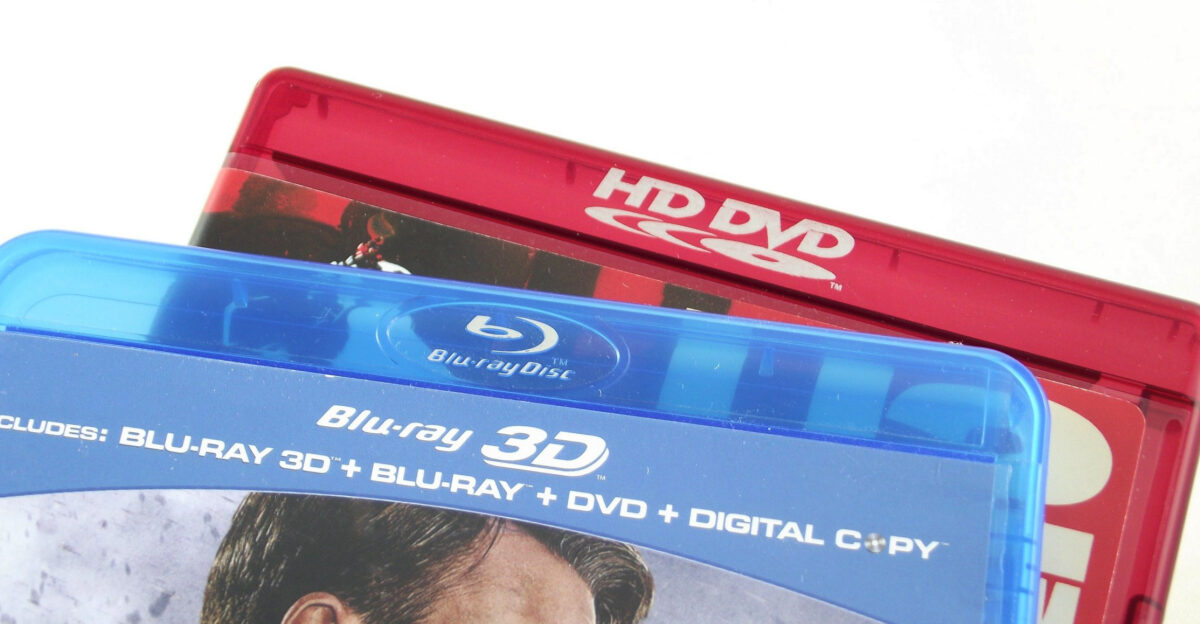
The average DVD cost $44, with total sales below $1 billion for the first time in 2024, representing a 94.2% decline from 2006. Streaming offers cheaper, abundant alternatives.
Only 23.7% of adults aged 30-44 purchase DVDs, primarily Boomers and Gen X. Annual spending by Boomers totals $150-250 million. Despite obsolescence, collectors continue to maintain demand, demonstrating that nostalgia can outweigh convenience.
5. GPS Devices: Paying for Standalone Units
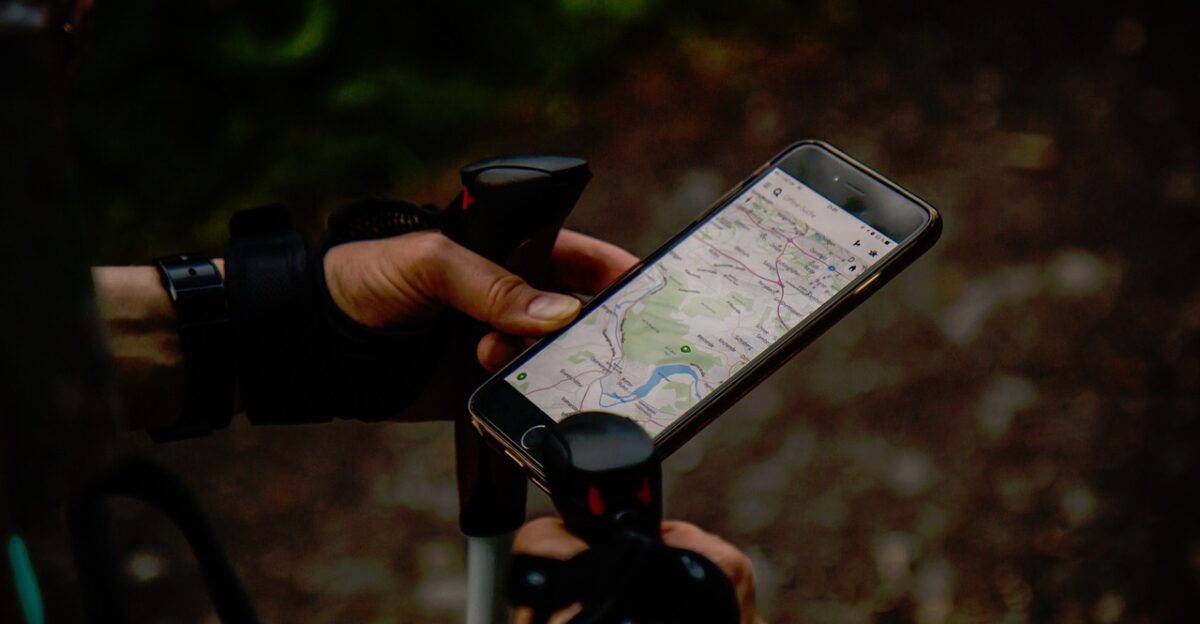
Standalone GPS devices cost $50-$ 300, plus $20-$ 50 per year for map updates. Smartphones offer free, real-time navigation with offline downloads, eliminating the need for separate navigation devices.
Approximately 1-2 million Boomers still maintain GPS devices, spending $50-100 million annually. While many use smartphones, niche use cases like hiking justify some spending. Are these exceptions or evidence of habit-driven overspending?
6. Ringtones and Voicemail Add-Ons
Baby Boomers still pay $1.99-$ 5.99 per ringtone and $5-$ 10 monthly for voicemail. Free apps and visual voicemail on iOS and Android now provide these functions at no cost.
Approximately 2-3 million Baby Boomers maintain paid voicemail, spending $240-$ 360 million annually. Nostalgia and resistance to change sustain this minor market, reflecting a psychological attachment to old habits.
7. Money Orders and Checks

Money orders cost $1.45-$ 1.95 each; checkbooks are $10 per 25 checks. Digital transfers via Zelle or ACH offer free alternatives.
Approximately 4 million unbanked Boomers still rely on money orders, spending $480 million annually. This represents a subset where legacy payments remain necessary rather than wasteful.
8. Print Magazines and Cookbooks

Magazine subscriptions cost $20-$ 40 per year; single copies cost $4-$8. Libraries offer free digital access via apps like Libby and PressReader.
Eight million Baby Boomers purchase print media, totaling $2.88 billion to $ 3.84 billion annually. Urban strongholds maintain these sales despite declining global circulation. Could the value of tactile media explain their resilience?
9. Fax, Printing, and Overnight Services
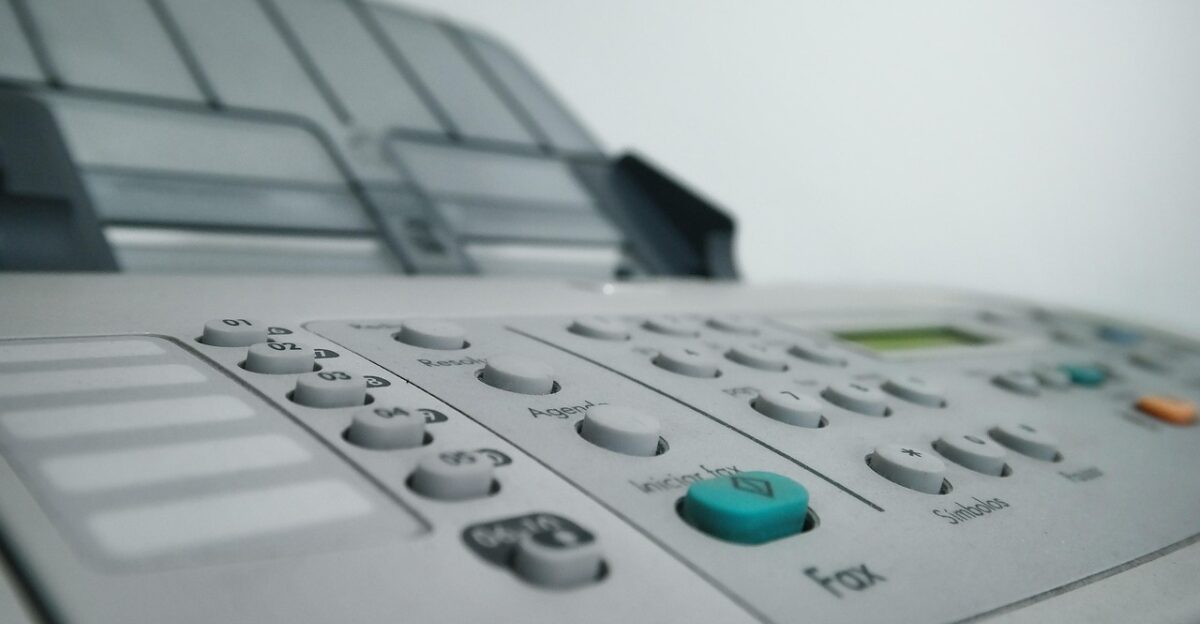
Faxing, overnight shipping, and document services cost $25-50 per use. Cloud storage and email provide free alternatives.
Two million Baby Boomer small business owners spend $1.2 billion to $ 2.4 billion annually. Legacy processes persist due to legal, regulatory, and habit-based reasons. This underscores how necessity and inertia coexist in spending patterns.
10. Tech Support Scams and Subscriptions

Tech support subscriptions cost $10-$ 30 per month; scams can charge $149-$ 500 per incident. Adults aged 60 and above are five times more likely to be targeted, with a median loss of $400.
In 2023, total losses exceeded $590 million. Free alternatives, such as YouTube tutorials and manufacturer support pages, exist. This highlights both the financial risk and the emotional cost of relying on legacy systems.
Historical Context: The Paid Era
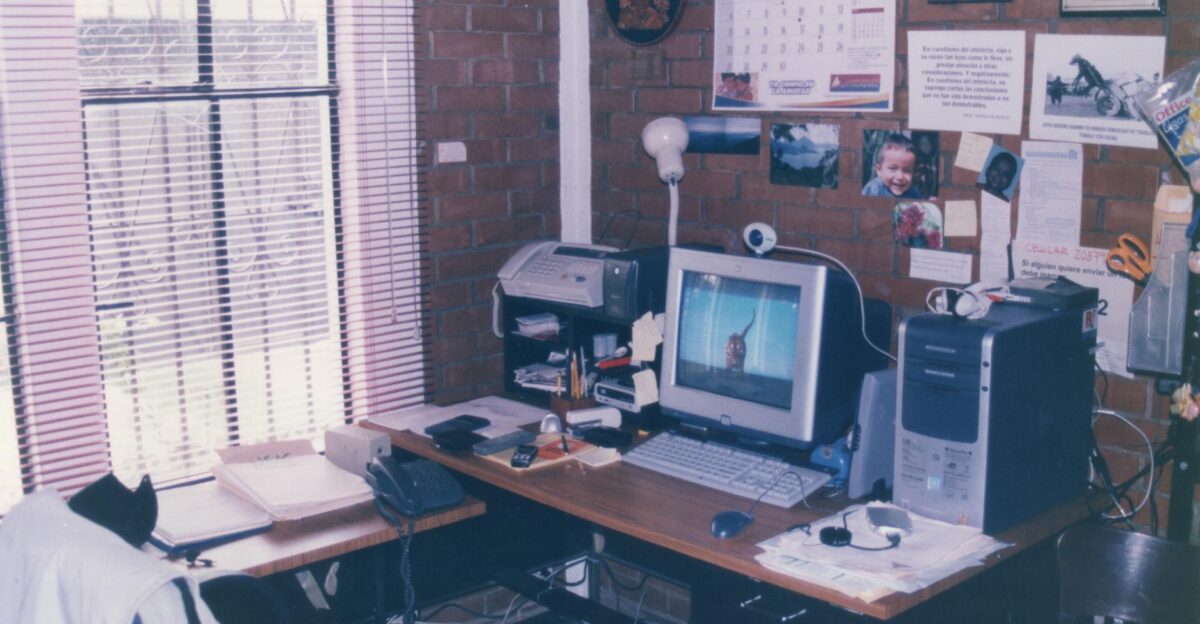
1960s-1980s: Landlines, fax, and cable represented cutting-edge innovation. Boomers grew accustomed to paying for these services as the norm.
1990s-2000s: Cable expansion and the proliferation of DVDs occurred. Tech support and ringtones generated new revenue. This background explains the baseline of habitual spending before the emergence of free alternatives.
The Free-to-Paid Inversion
2009: Netflix launches broadly; the ringtone market collapses. 2010-2012: Smartphones reduce reliance on GPS and long-distance communication. Visual voicemail, FAST streaming, and cloud storage arrive free.
Despite its availability, the adoption of Boomers’ products lags 15-25 years. Approximately 18 million households still pay for services that are free to younger generations. Habit and trust delay adoption, not lack of access.
Geography Shapes Spending Patterns
High cable penetration persists in the South and Midwest due to limited broadband. Rural areas experience slower adoption of streaming services, while urban regions maintain higher print circulation.
Tech support scams concentrate in Florida, Arizona, and California retirement communities. Regional banking and infrastructure limitations further sustain legacy spending patterns, reinforcing the divide between availability and adoption.
Psychological Drivers of Overspending

“Muscle memory tax” explains comfort with legacy systems, generating voluntary financial penalties. Learning curves, trust concerns, and fear of being left behind reinforce spending.
Daniel Moran observed, “He wasn’t wrong—he was paying for certainty. But the world has changed the price of certainty.” The desire for assurance often outweighs rational cost-saving decisions.
Economic and Systemic Incentives

Cable companies earn $164 billion annually; banks collect billions in fees. Tech support scams target vulnerable Boomers, while publishers maintain print revenue through loyal older readers.
This creates structural inertia: sellers benefit from paid services, exploiting trust and habit. Boomer spending becomes self-perpetuating, sustaining industries resistant to change.
Quantifying the Wealth Transfer

Aggregate Boomer overspend across 10 relics: $36 billion to $ 72 billion annually. Cable, landlines, bank fees, physical media, and tech services account for the majority of outflows.
This money flows to corporations, scammers, and legacy publishers rather than being invested in retirement savings or family businesses. Behavioral lock-in, marketing exploitation, and sunk costs perpetuate this massive intergenerational transfer.
Consequences for Stakeholders

Cable and telecom face a 3-5% contraction, with 590,000 employees at risk. Tech support scams yield $590 million in losses. Banks risk $1.7-3.6 billion in fee erosion. The print and retail sectors are facing closures and job losses.
Younger consumers pay via data or subscription fragmentation. Lower-income Boomers remain constrained. The ripple effect highlights the systemic reliance on older consumer spending.
Generational Advantage Explained

Millennials and Gen Z were born into a world of free alternatives, including FAST streaming, app-based calling, mobile banking, and digital libraries. They never experienced cost-based constraints.
Their advantage isn’t intelligence—it’s temporal proximity to service-free adoption. Baby Boomers’ spending patterns reflect habit, trust, and access limitations, illustrating how timing influences consumer behavior.
The Takeaway: Habits, Trust, and Dollars

Baby Boomers continue to pay for relics worth billions in aggregate. Younger generations access free alternatives but often pay indirectly via data or multiple subscriptions.
Understanding behavioral, economic, and systemic drivers explains the persistence of these habits. The story is not simply “Boomers waste money”—it’s how legacy systems, psychology, and market incentives converge to shape spending.
Sources
United States Census Bureau 2025 demographic estimates
Federal Trade Commission 2023 Tech Support Scam Report
USDA Home Entertainment Spending 2024
Netflix, Tubi, Pluto TV streaming adoption data 2015-2025
Banking industry fees and digital adoption reports 2025
Cable and telecom employment statistics 2025
Print media circulation and retail employment 2024-2025