When vehicles cross the 100,000-mile threshold, drivers often confront a cascade of expensive repairs that strain household budgets. Transmission replacements can demand $7,000, battery packs reach $22,000, and critical components fail with striking regularity. Analysis of federal safety complaints, legal settlements, and extended reliability databases exposes a concerning truth: these breakdowns follow predictable patterns that cluster suspiciously close to warranty expiration dates.
Component Failures and the Warranty Window
Standard vehicle warranties typically terminate between 60,000 and 80,000 miles. Beyond this protective threshold, owners bear the full financial burden of mechanical failures. Federal safety data reveals that timing belts, suspension components, and engine gaskets deteriorate consistently during this narrow mileage window. The correlation between warranty limits and component failure rates suggests cost-optimization decisions in component design and material selection. Multiple class-action lawsuits have documented how manufacturers design parts that survive warranty periods but degrade rapidly afterward.
Price Point Provides No Protection
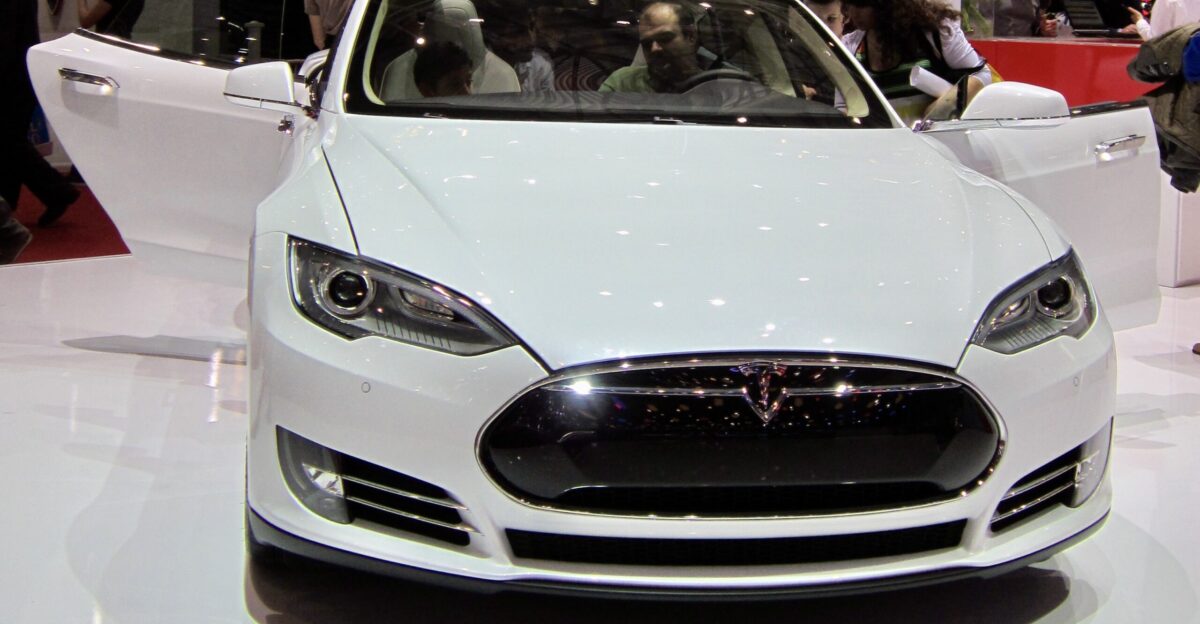
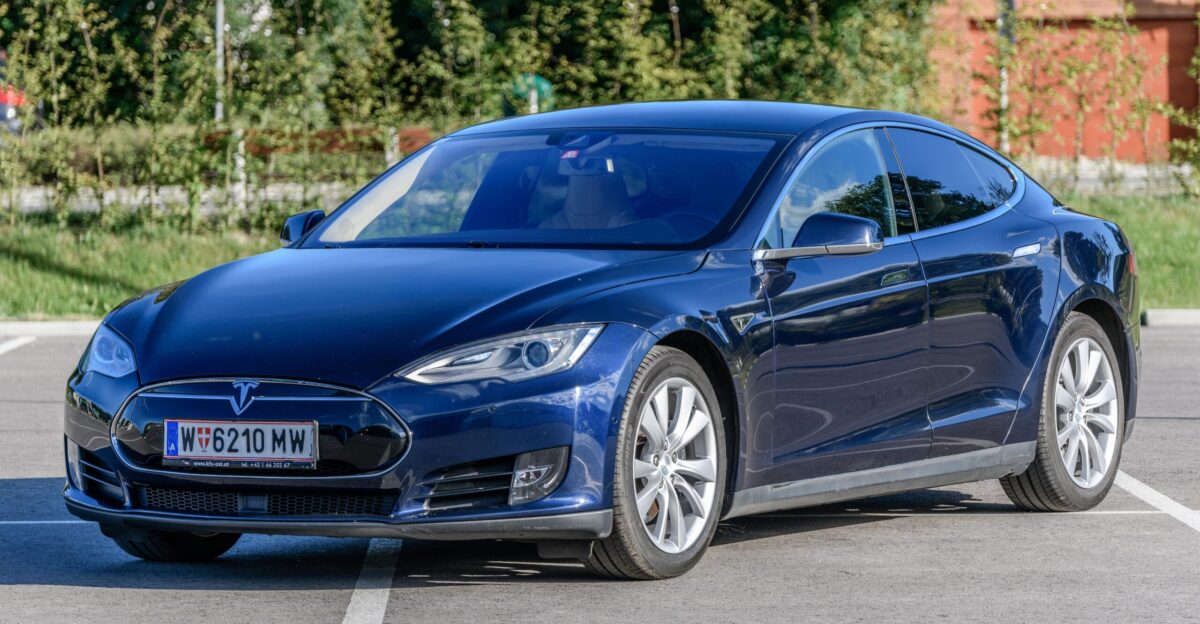
Neither economy compacts nor premium luxury models escape this vulnerability. The $17,965 Fiat 500 (discontinued 2019) experienced timing cover oil leaks across multiple model years requiring engine repairs at higher mileages. Meanwhile, a $76,380 Tesla Model S can face battery replacement costs between $15,000 and $22,000 around the same mileage marker. The $25,730 Nissan Altima exhibits the most documented post-warranty failure pattern, with continuously variable transmissions (CVT) breaking down between 80,000 and 105,000 miles at repair costs ranging from $3,000 to $7,000. Federal complaint databases confirm thousands of reports spanning multiple model years, establishing the Altima’s CVT as perhaps the clearest example of systematic post-warranty failure.
Ford’s PowerShift dual-clutch transmission in $14,580 Fiesta models (discontinued 2019) from 2011 to 2016 generated extensive federal complaints, with problems emerging as early as 20,000 miles and intensifying by 100,000 miles. The $30,305 Volkswagen Tiguan suffers timing chain stretch between 90,000 and 110,000 miles, with DSG mechatronic failures costing $2,500 to $6,000. Technical service bulletins acknowledge these known defects, yet repairs rarely prevent recurrence.
Luxury Vehicles Face Parallel Problems
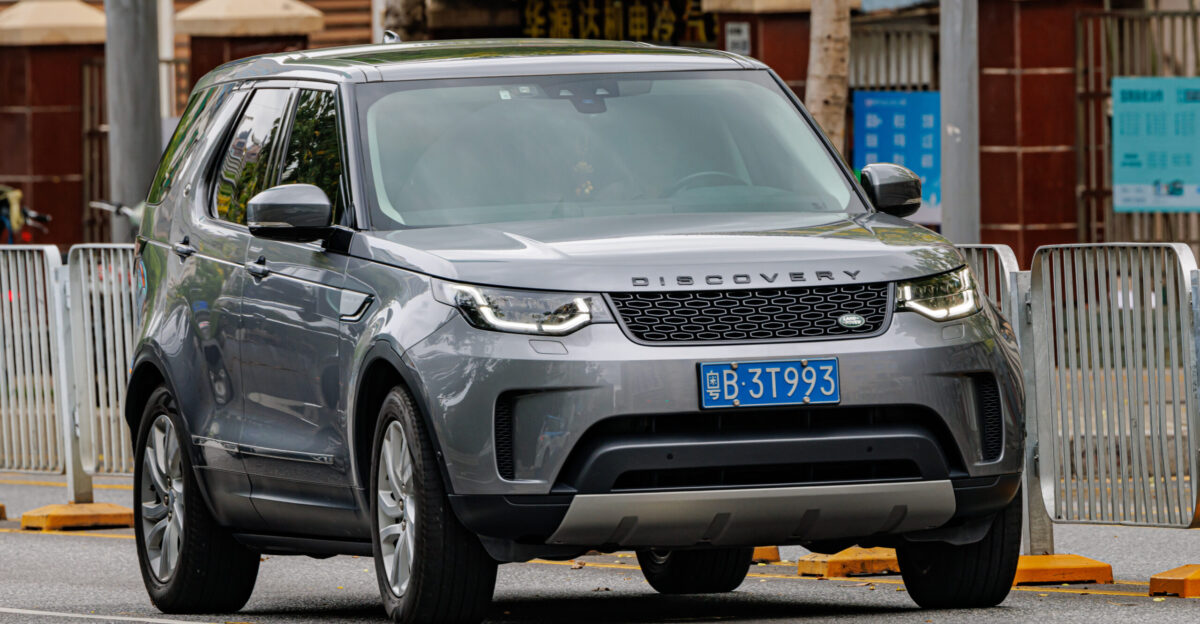
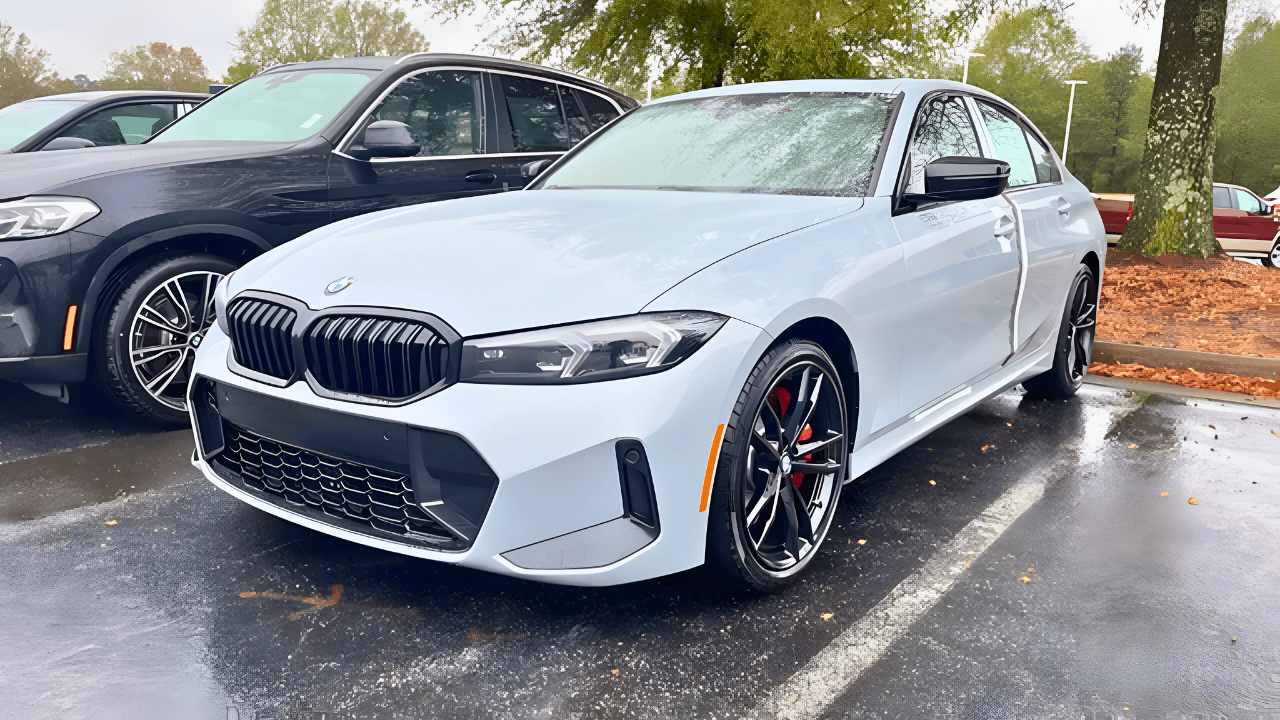
Premium brands demonstrate identical patterns. The $61,375 Land Rover Discovery experiences electrical faults around 85,000 miles, followed by air suspension failures after 90,000 miles. Individual repairs typically range from $3,500 to $8,000. The $45,495 BMW 3 Series sees repair costs spike between 90,000 and 110,000 miles, with engine carbon buildup, gasket leaks, and electrical problems compounded by premium labor rates. Reliability assessments consistently place these models below average for long-term durability.
The $31,895 Jeep Wrangler developed paint bubbling and zinc corrosion in JL models starting with 2018 production. Around 100,000 miles, steering box deterioration and worn suspension components emerge. Technical service bulletins confirm corrosion affecting doors and hinges, with aluminum panels showing galvanic corrosion from manufacturing process variations. The $26,795 Mini Cooper frequently develops oil leaks from turbo feed lines near 80,000 miles, with worn suspension bushings and electrical faults appearing by 100,000 miles. Tight engine packaging escalates labor expenses, pushing total repair costs substantially higher than non-premium vehicles.
Legal Actions Expose Systemic Design Flaws
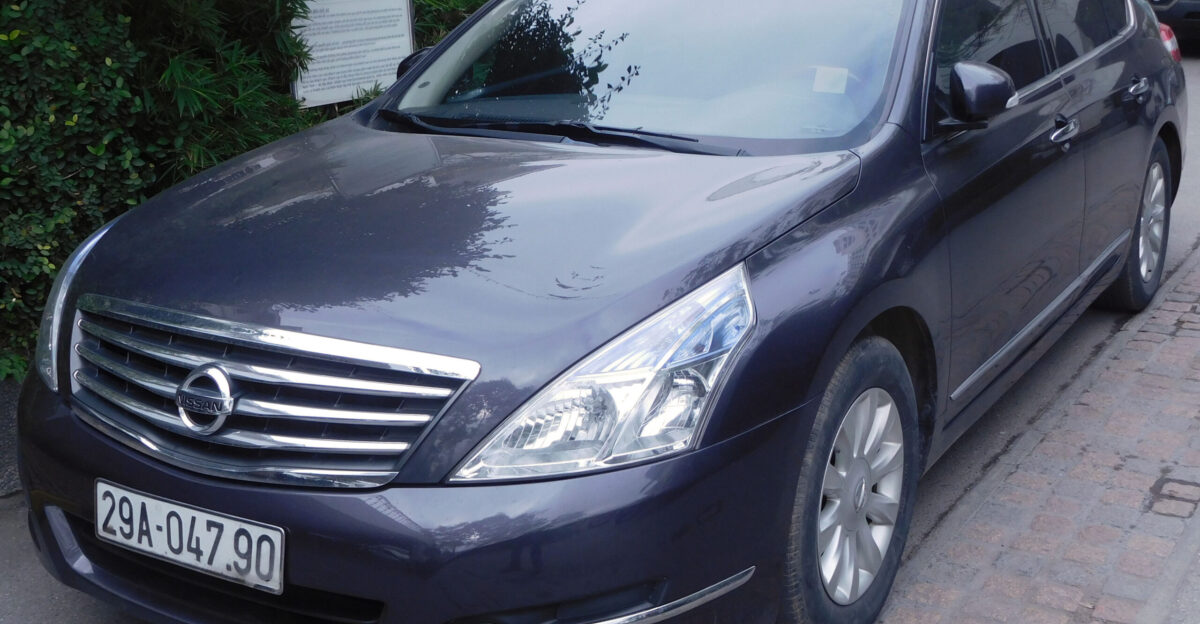
Court documents reveal manufacturers’ awareness of these defects before vehicles reached consumers. Nissan’s CVT lawsuit documented failure rates, with problems persisting across model years. Ford’s PowerShift litigation spanned 2012 to 2019 model years. Federal safety regulators investigated Chrysler 200 (discontinued 2016, original MSRP $21,700) stalling complaints and confirmed transmission failures between 60,000 and 80,000 miles, with total repair costs reaching $2,000 to $5,000 as vehicles approached 100,000 miles.
Internal documents disclosed during litigation revealed that Ford engineers identified PowerShift transmission problems before production commenced, yet the company proceeded with manufacturing while instructing dealers to assure customers the vehicles operated normally. This pattern of known defects, delayed disclosure, and post-warranty failures repeats across manufacturers and model lines.
Financial Implications for Vehicle Owners
The convergence of these failure patterns creates significant financial risk for owners of high-mileage vehicles. From budget-friendly compacts to six-figure luxury sedans, the evidence demonstrates that component lifecycles frequently align with warranty coverage periods, whether through design optimization, material cost-reduction, or other manufacturing decisions. By 100,000 miles, owners face substantial repair bills that often exceed the vehicle’s remaining value. Understanding which models carry the highest risk of costly post-warranty failures enables more informed purchasing decisions for both new and used vehicles and helps consumers budget for inevitable repairs. The pattern documented through federal complaints, technical service bulletins, and legal settlements reveals that these breakdowns are neither accidental nor unpredictable—they represent design and manufacturing decisions that shift long-term ownership costs from manufacturers to consumers.
Sources
NHTSA Vehicle Complaints Database, National Highway Traffic Safety Administration, 2024-2025
CVT Class-Action Settlement Documentation, Nissan Motor Corporation Legal Records, 2013-2024
Mitchell 2022 Vehicle Dependability Study: Battery Failure Analysis, Mitchell International, 2022
Canada Automobile Protection Association (APA): CVT Failure Rate Report, APA, 2023
Consumer Reports: Reliability Ratings and Rankings, Consumer Reports, 2024-2025
The Autopian: Jeep Wrangler Corrosion Investigation, The Autopian, July 2024