
Summer 1983 looked nothing like today’s carefully scheduled world. Kids came home to empty houses, peanut butter sandwiches on kitchen counters, and absolute freedom until sunset. These “latchkey” children represented something baffling to modern parents: the normalized absence of adult supervision.
A 2004 marketing study called this generation “the least-parented, least-nurtured” in U.S. history. Yet boomer parents saw it as a practical necessity, not neglect. Independence, they believed, came through necessity.
Why This Generation Shifts Now
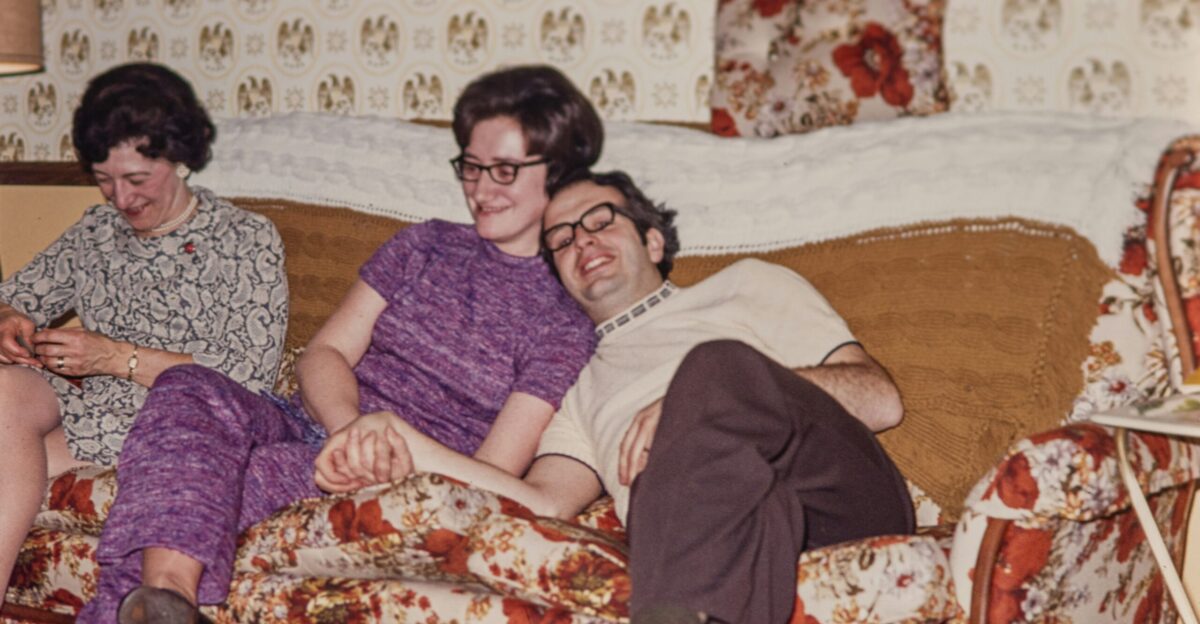
Forty years later, the tension between boomer and millennial parenting philosophies continues to define family conflict. Boomers insist their methods worked fine. Modern parents hope their safety innovations and emotional awareness represent progress.
The reality is that both generations operated with the available knowledge. Neither had perfect information. Understanding 1983 requires suspending judgment and asking: what did boomer parents know then, and what changed everything?
The Psychology of Authoritarian Parenting
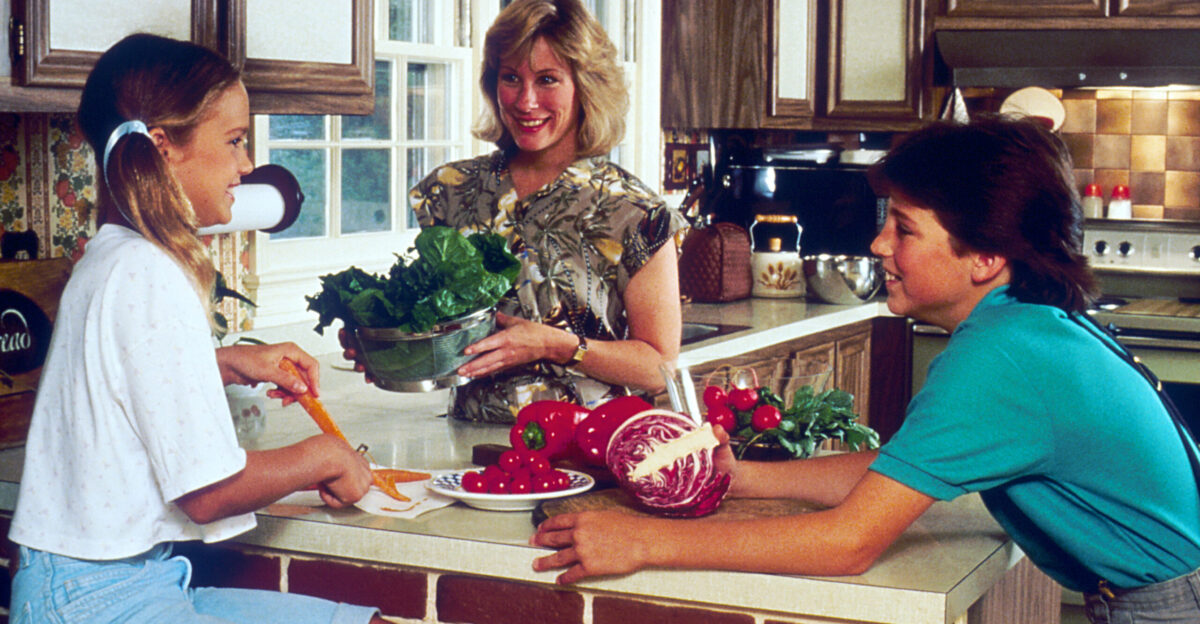
Psychologist Diana Baumrind’s 1960s research outlined an “authoritarian” approach, in which parents set clear rules with minimal explanation or emotional warmth. This wasn’t cruelty—it was efficient parenting. Kids learned to figure things out.
They scrambled eggs independently, completed homework without hovering parents, and made decisions about where to roam. Boomer parents believed that independence came from necessity and consequence, rather than guidance or instruction.
What Science Revealed Later

Decades of research complicated this picture. Elizabeth Gershoff’s 2002 meta-analysis examined 88 studies on corporal punishment and found only one positive outcome: immediate obedience. The rest was troubling—increased aggression, higher delinquency, reduced moral development.
By modern standards, the 1983 approaches were scientifically unfounded. But boomer parents operated on available knowledge.
The Real Question: What Worked?

Before condemning boomer parenting, consider what modern research validates: kids do need independence; free play builds resilience; consequences teach; problem-solving grows through struggle. Boomer parents intuitively understood these truths.
The goal isn’t returning to 1983 or staying stuck in 2025—it’s combining the best of both. But before we can blend the best of both eras, we need to understand what ‘best’ meant in 1983. Here are ten parenting practices that defined an entire generation
1. Latchkey Kids & Unsupervised Afternoons

Picture summer 1983: kids unlocked the front door, no check-in calls, complete freedom until dinner. These “latchkey” children learned self-reliance through necessity. They figured out snacks, homework, who to trust. Modern helicopter parents would consider this neglect.
Yet this generation became resourceful adults comfortable with autonomy.
2. Corporal Punishment as Standard Discipline

Photo by seeetz on Unsplash
“Spare the rod, spoil the child” lived rent-free in 1980s culture. Spanking, belts, wooden spoons weren’t controversial—they were routine. According to developmental psychologists, corporal punishment was standard in most households and schools.
Parents believed fear was an efficient teacher; quick compliance mattered most. The cultural logic: obedience first, emotional development later.
3. Privacy Invasion as “Supervision”

Reading a child’s diary, eavesdropping on phone calls, surprise backpack searches—these weren’t privacy breaches in boomer households. They were “responsible parenting.” Families assumed parents had complete right to monitor household life.
Boundaries between parent and child, personal space and household property, were far more porous. Modern parenting ethics now recognize this approach undermines trust.
4. Casual Approach to Safety Gear

Picture 1983: kids piling into pickup truck beds, bicycles without helmets, seatbelts dangling unused, babies on parents’ laps while driving. Car seats didn’t exist as standard equipment. The American Academy of Pediatrics launched “First Ride… A Safe Ride” in the 1980s; mandatory car seat laws arrived late 1980s.
What seemed normal would horrify modern parents. By 2002, AAP updated guidelines with booster seat standards.
5. Smoking Around Children Normalized

In 1983, smoking was everywhere—cars, kitchens, bedrooms. Parents lit up without hesitation. Surveys from the 1980s-1990s found roughly half of children in developed nations lived with regular smokers.
There was no “secondhand smoke” conversation yet, no thirdhand smoke warnings. Nobody understood maternal smoking during pregnancy increased SIDS risk twofold.
6. “Because I Said So” Authority Model

Authoritarian discipline didn’t require explanation in 1983. A parent’s word was final. Decisions handed down without reasoning. Kids who asked why heard: stare or “because I said so.” This worked within a culture valuing conformity, hierarchy, swift obedience.
Diana Baumrind’s later research identified this approach as producing compliant but less socially competent children with lower self-esteem.
7. Emotional Stoicism Valued Over Validation

Boomer parents believed children needed to “toughen up” emotionally. Crying was briefly indulged or shut down. Hurt feelings got redirected with “you’re fine” or “rub some dirt on it.” Feelings were managed internally, not discussed with parents.
This emotional restraint wasn’t considered coldness—it was preparation for adult life. The culture saw vulnerability as weakness.
8. Zero Instruction, Sink-or-Swim Tasks

Want to use the stove? Figure it out. Iron your clothes? Trial and error. Ride a lawnmower? Time to learn. Kids in 1983 got nudged toward tasks and left to figure out mechanics. Mistakes happened—burns, torn fabric, close calls.
The underlying belief: independence came through doing, not supervised instruction. This wasn’t neglect by boomer standards—it was a parenting philosophy. tly.
9. Limited Emotional Processing & Attachment

Boomer households didn’t process feelings through family conversations. Children internalized stress, confusion, hurt without parental reflection. Attachment research would later show secure parent-child bonds strengthened children’s ability to self-regulate and cope with stress.
Boomer parents weren’t operating from malice; the science simply hadn’t reached mainstream culture. The “toughen up” approach was default, not deliberate rejection of connection.
10. Freedom Without Digital Tracking
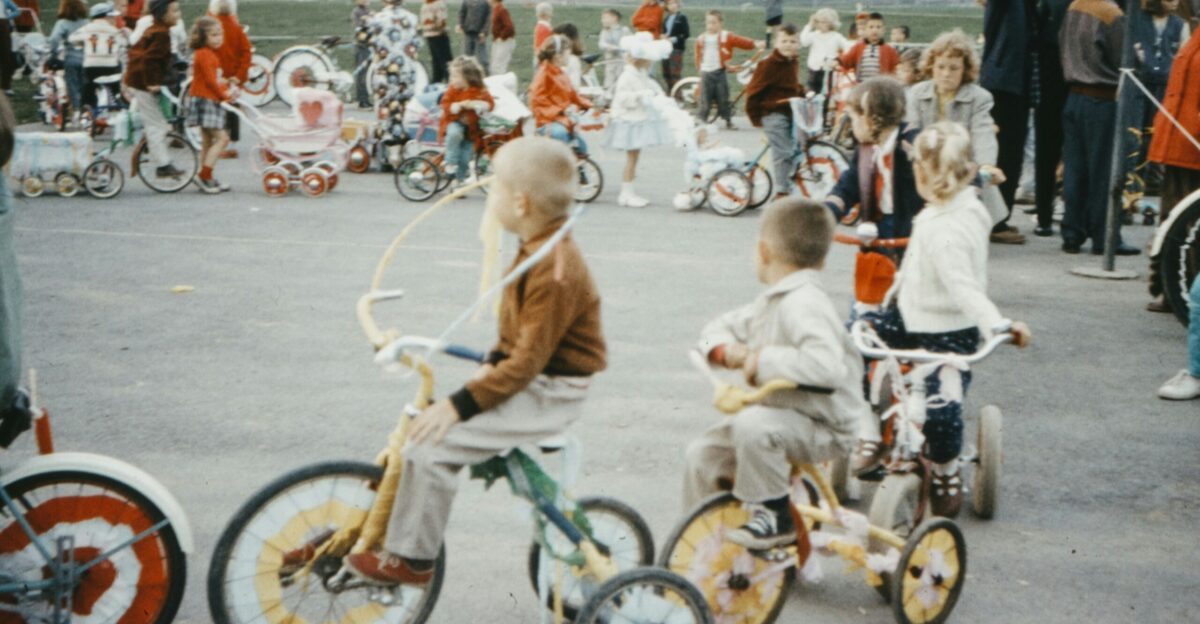
Parents in 1983 had no way to track children’s location, communications, or activities. Kids roamed neighborhoods, made friends without parental vetting, experienced independence with genuine consequences. No check-in texts, no location apps, no social media monitoring.
This created genuine autonomy but also meant real danger went undetected. Modern parents now track constantly, arguably swinging too far opposite direction.
What Boomer Parenting Got Right

Boomer parenting produced Generation X—a cohort that learned self-reliance, independence, resilience through necessity. Many latchkey kids became resourceful adults comfortable with autonomy. Free play built creativity. Consequences taught accountability. These weren’t accidental benefits; they reflected intentional philosophy about childhood.
Modern research validates that kids do need space to fail, independence to develop, boredom to spark creativity. The problem wasn’t the philosophy—it was the lack of safety guardrails and emotional support alongside it.
What Science Changed Everything
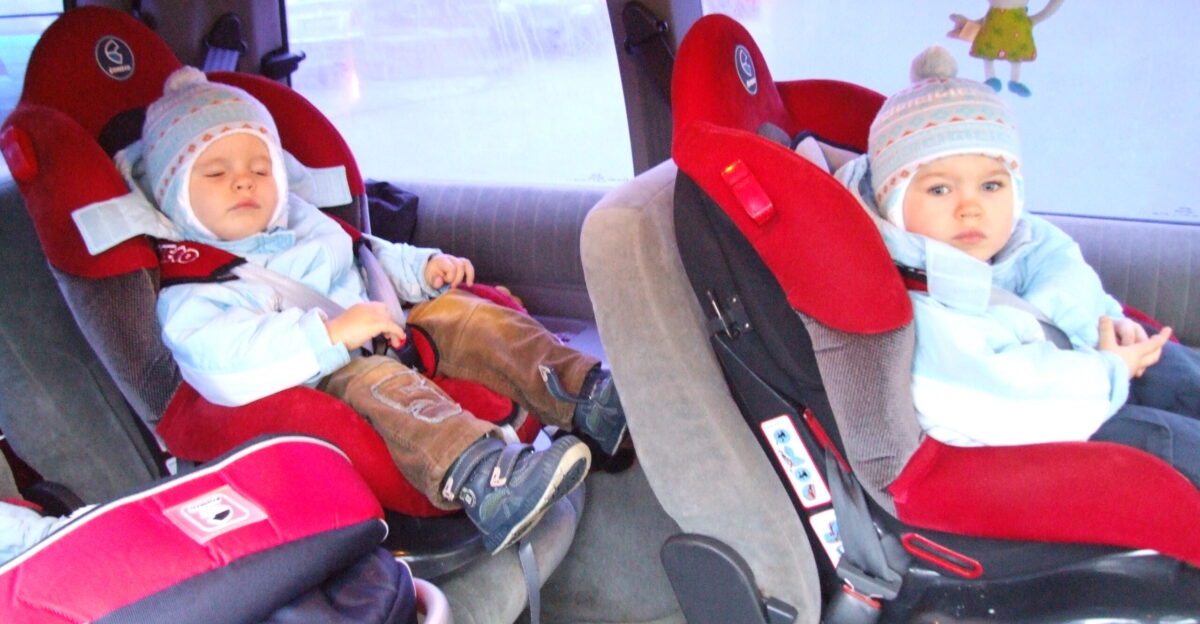
Between 1983 and 2025, accumulated research fundamentally shifted parenting understanding. Corporal punishment research showed only immediate obedience resulted, not long-term improvement. Attachment theory revealed emotional connection strengthened, not weakened, children.
Car seat evolution prevented thousands of injuries. Secondhand smoke research established real health harms. Authoritative parenting consistently outperformed authoritarian approaches across cultures. This wasn’t judgment of boomer parents—it was knowledge they simply didn’t have access to when raising children.
Modern Parenting’s New Problems

Today’s parents claim moral high ground on safety and emotional awareness. But new problems emerged. Anxiety and depression in children climbed. Over-scheduling removed free play and boredom-driven creativity. Constant digital monitoring created trust issues.
The shift from boomer parenting wasn’t simple progress—it was trade-off. Modern parents gained safety and emotional awareness but lost space for independence and natural consequence learning.
Borrowing From Both Eras

Balanced modern parenting borrows from both: clear safety standards, emotional attunement and reasoning recommended by research, but also space for kids to climb trees, scrape knees, figure things out with minimal hovering.
Boomer parents weren’t cruel; they worked with different knowledge. Modern parents can honor that while building on research about child development and the surprising power of both structure and autonomy combined.
Synthesis & Forward Looking

The goal isn’t returning to 1983 or staying stuck in 2025. It’s thoughtfully combining insights from both: boomer parents’ intuition about independence and consequence-based learning, modern research on safety, emotional attachment, and authoritative (not authoritarian) guidance.
Future parenting likely involves less surveillance but more intentional connection, safety equipment without hovering, independence training with emotional support. The best parenting draws on wisdom of the past while embracing knowledge of the present.
Sources:
American Academy of Pediatrics (AAP). “First Ride… A Safe Ride” program and car seat safety guidelines evolution, 1980s–2002.
Elizabeth Gershoff. Meta-analysis of 88 studies on corporal punishment effects. Journal of Child Psychology and Psychiatry, 2002.
Diana Baumrind. Parenting styles research framework: Authoritarian vs. Authoritative approaches. University of California Berkeley developmental psychology, 1960s–1990s.
Flaura K. Winston, M.D., Ph.D., FAAP. Real-world crash studies on child passenger safety and premature graduation from car seats.
John Bowlby & Mary Ainsworth. Attachment theory research on parent-child bonds and stress regulation in child development.
American Academy of Pediatrics & CDC. Secondhand smoke exposure health effects: respiratory infections, asthma, SIDS risk, smoking uptake likelihood research, 1980s–2010s.