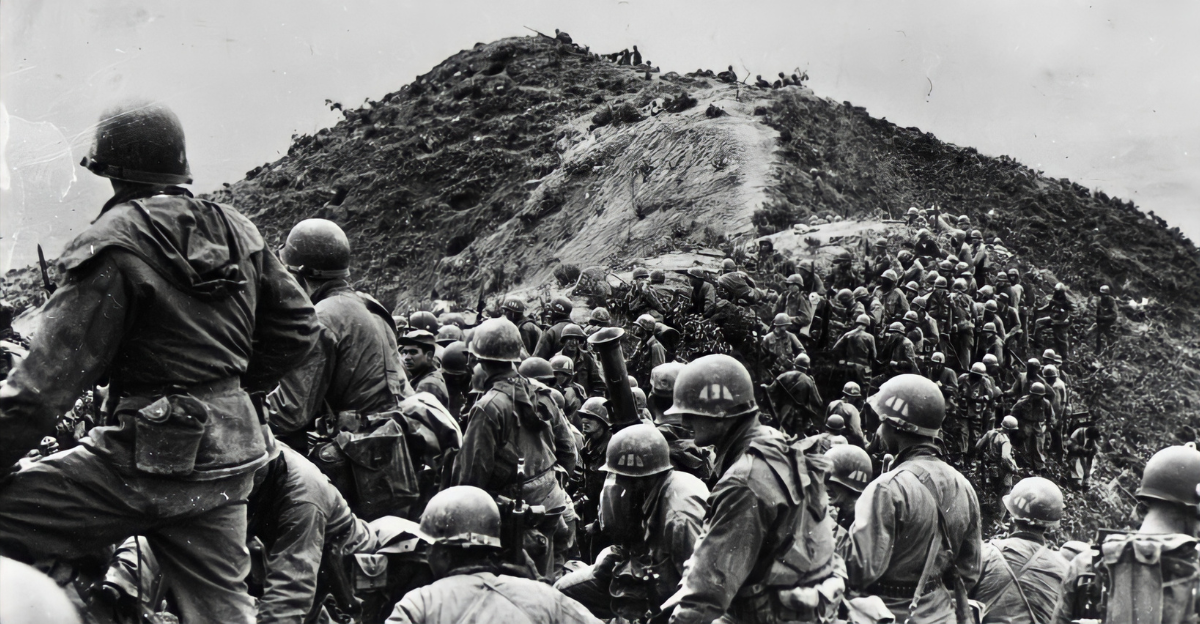
From revolution to global conflict, these pivotal battles didn’t just decide wars; they defined the nation. Each battle reshaped America’s identity, values, and place in the world.
Whether they were fought on home soil or distant shores, these ten moments echo far beyond the battlefield. They mark the turning points where courage met consequence, and where the United States took another step toward becoming the country we know today.
1. The First Sparks (Lexington and Concord)
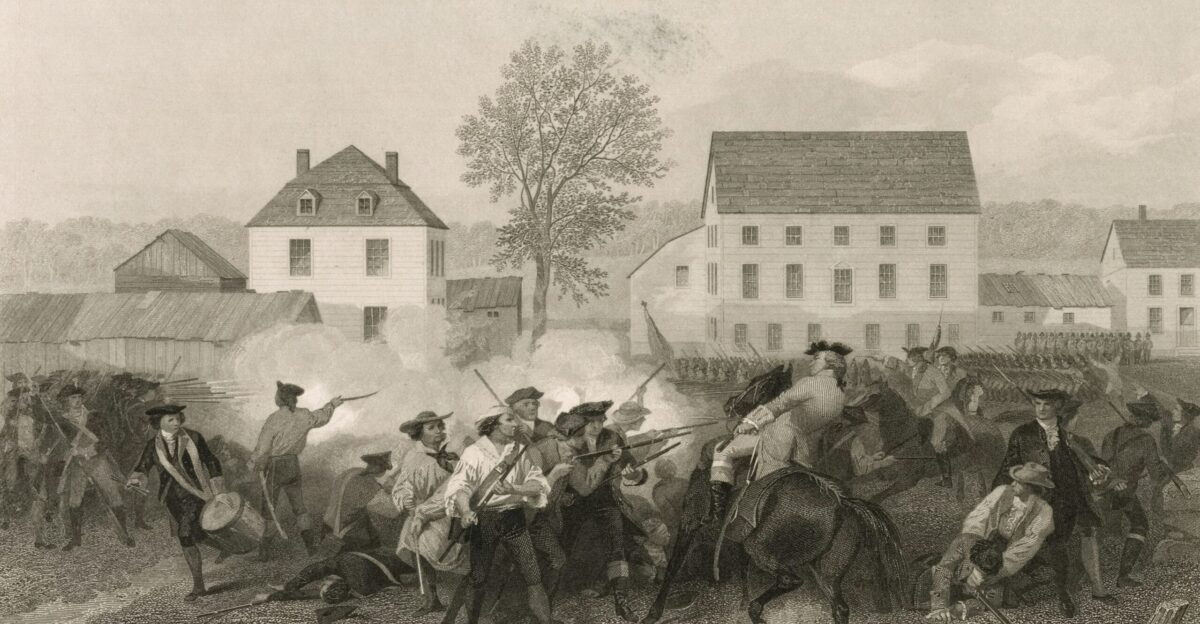
It was on a cold April morning in 1775 that tensions exploded in the Massachusetts towns of Lexington and Concord. Outnumbered farmers stood their ground against experienced British soldiers, and the first gunfire rang out, later known as the “shots heard ‘round the world.”
Though small, the battle sent shockwaves through the colonies. However, no one could have guessed that this spark would ignite the Revolutionary War and inspire the fight for independence that followed.
Why It Mattered
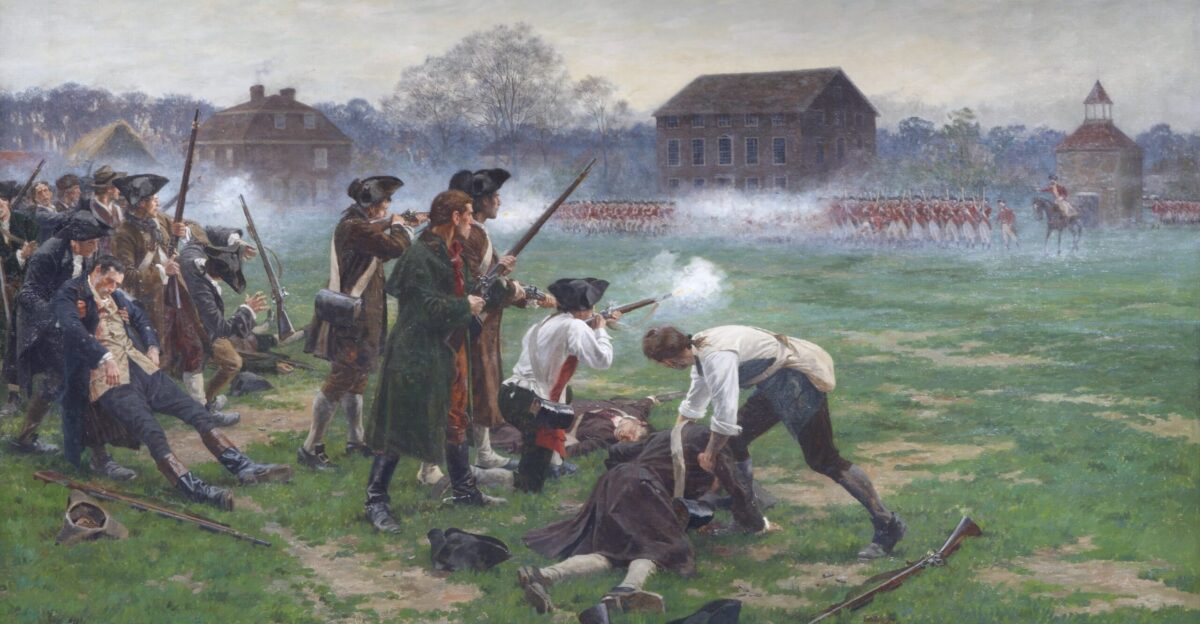
Lexington and Concord showed that colonists were willing and able to stand up to the world’s most powerful empire. News of this battle spread like wildfire, fueling a surge in colonial unity and enlistment.
This wasn’t just a local uprising; it was the start of a sweeping movement for self-rule. Every revolution needs its catalyst, and this was America’s.
2. Turning the Tables (Saratoga)
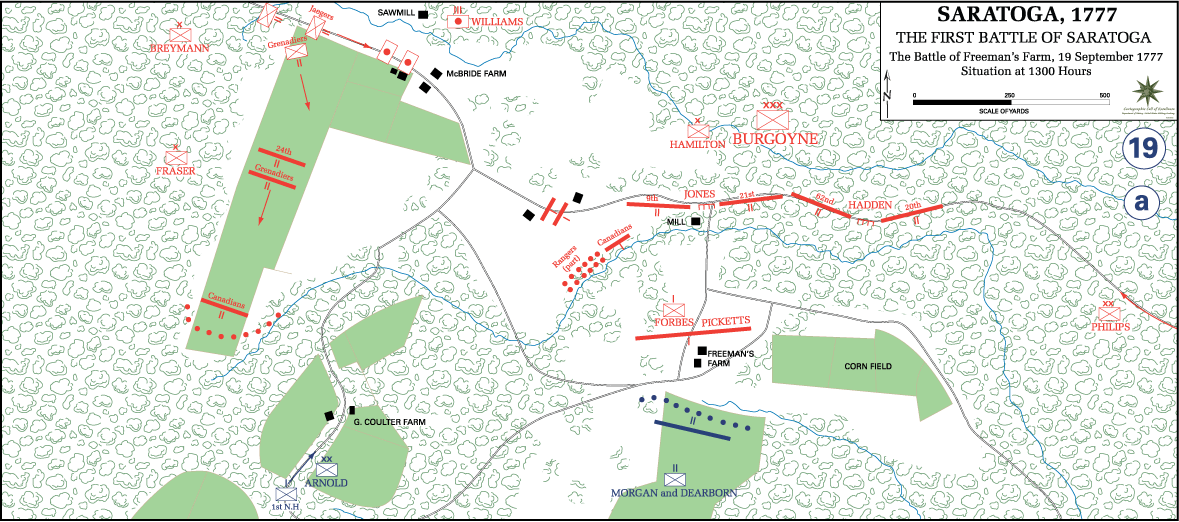
In 1777, just two years into the Revolutionary War, confidence in the American fight began fading. But this changed at Saratoga, where American troops pulled off a remarkable victory in upstate New York.
They managed to surround and capture an entire British army, which was a staggering achievement. Saratoga shocked the world, but its true importance was yet to be revealed on the diplomatic stage.
France Changes Everything
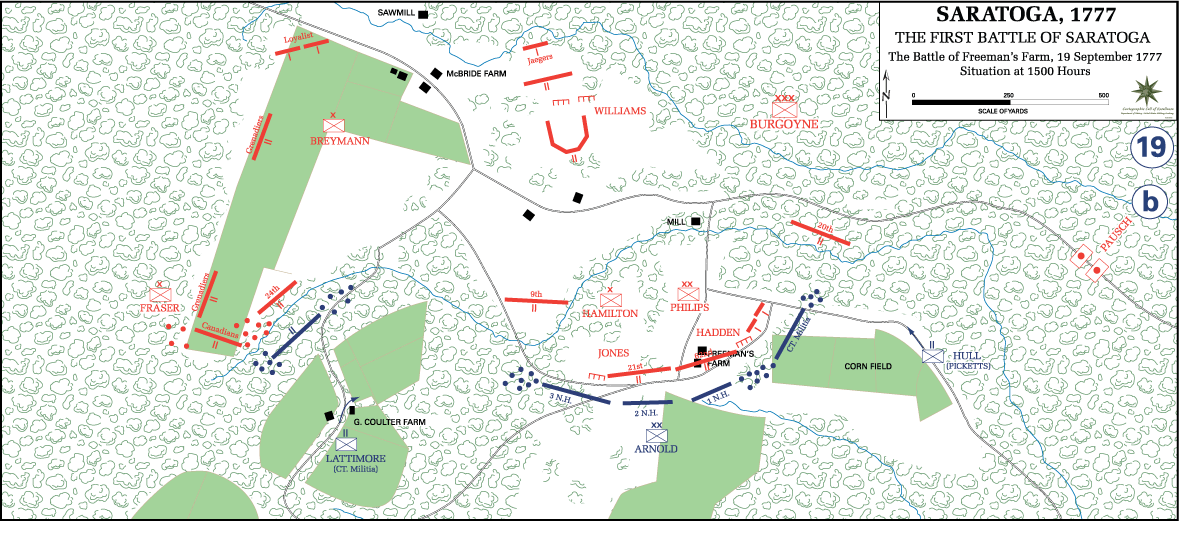
Saratoga’s victory proved to France that the American experiment had a chance and that it was worth backing. In response, the French committed troops, money, and naval power to the revolution.
What had been a colonial rebellion became much more. Foreign intervention changed the stakes entirely, giving the Americans a fighting chance and transforming the war’s direction and outcome.
3. The World Upside Down (Yorktown)
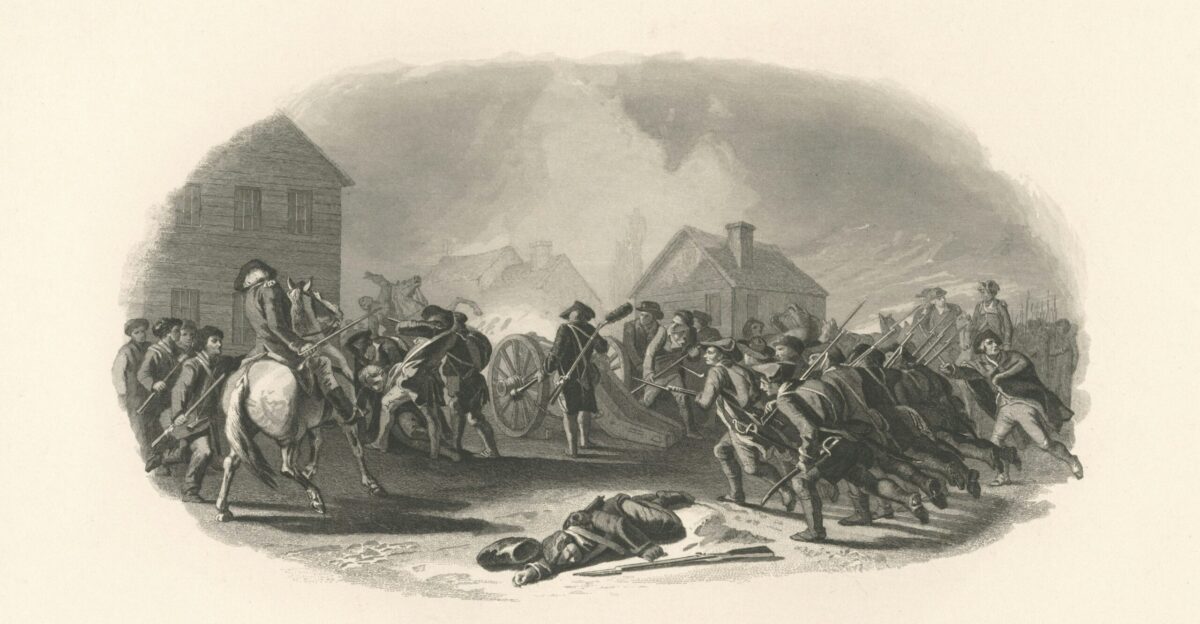
In 1781, after years of bitter conflict, the war reached its turning point at Yorktown, Virginia. American and French troops trapped British General Cornwallis’s troops, cutting off all hope of escape or reinforcements.
With supplies running low, the British were forced to surrender. This wasn’t just a military defeat; it was a devastating blow that reverberated through Britain, signaling the collapse of its grip on the American colonies.
New Nation, New Challenges
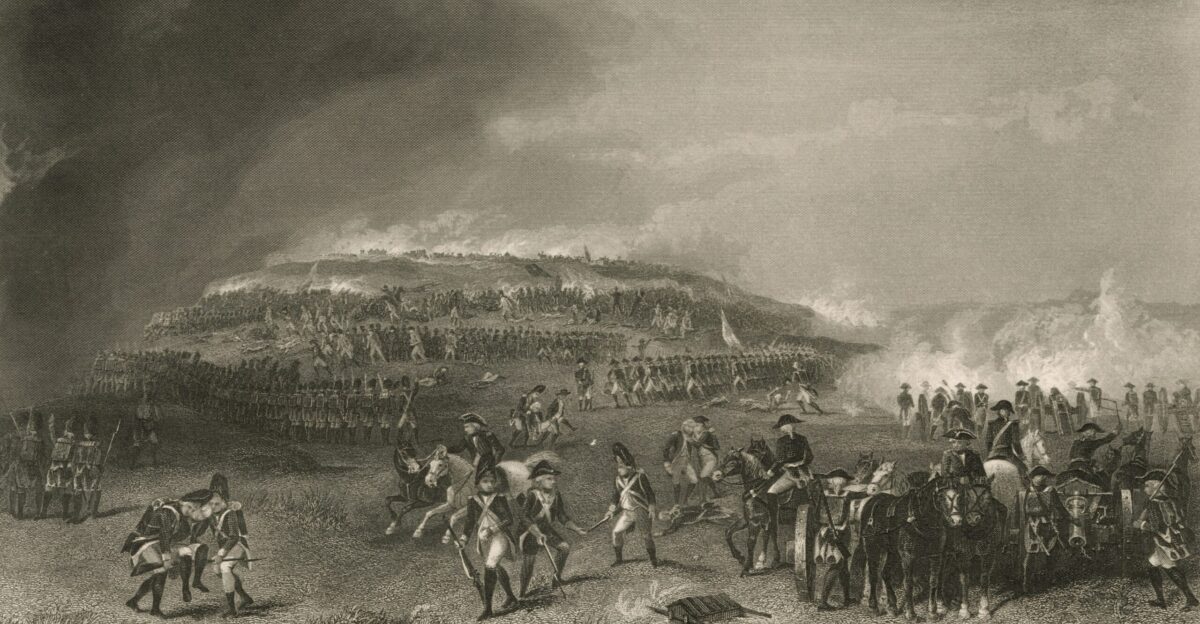
Cornwallis’s surrender was more than just symbolic; it opened the door to peace talks and led to Britain formally recognizing American independence. A new nation was born.
However, it also set the stage for bitter debates over government, liberty, and the meaning of “freedom” that would echo for centuries.
4. Defending Identity (Battle of New Orleans)
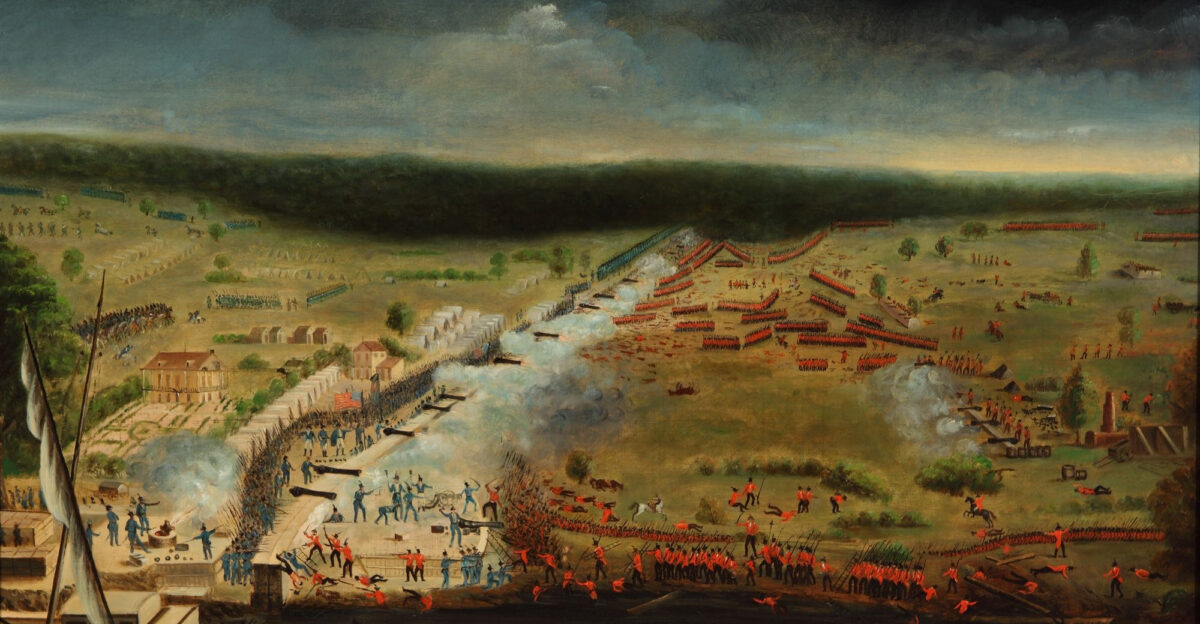
The War of 1812 is often forgotten, but its final battle, fought after the peace treaty was signed, left a lasting mark. In 1815, General Andrew Jackson led an outnumbered American force against a powerful British attack near New Orleans.
Thanks to smart planning, local support, and a bit of luck, the Americans won decisively. The battle’s outcome stirred national pride and became one of the war’s most iconic moments.
The Legacy of New Orleans
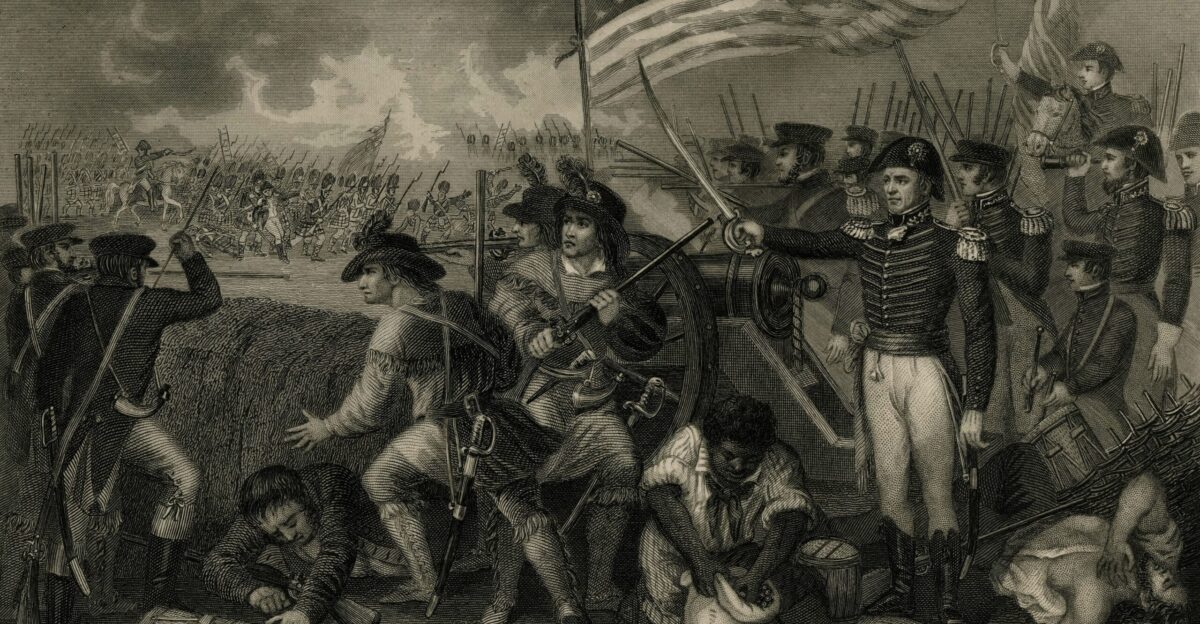
This massive victory lifted American spirits, strengthened national unity, and helped create the enduring “frontier hero” myth in popular culture. It also launched Andrew Jackson into the national spotlight, paving his path to the presidency.
More importantly, the victory confirmed the United States’ sovereignty to the rest of the world and to itself, asserting that this young nation could stand against mighty powers.
5. Turning Point of the Civil War (Gettysburg)
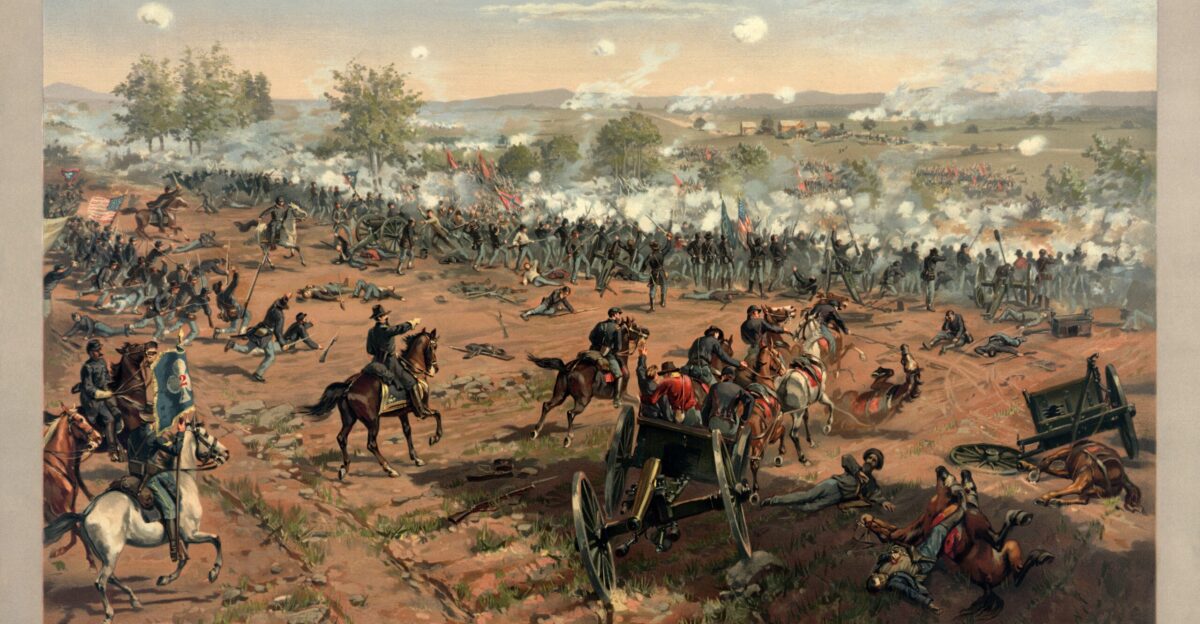
In July of 1863, for three whole days, Union and Confederate forces clashed at Gettysburg. It was a brutal battle with over 50,000 casualties.
General Robert E. Lee’s attempt to invade the North was crushed. The fate of the divided nation, freedom or fracture, hung in the balance. But Gettysburg would soon come to symbolize more than just battlefield tactics.
Lincoln’s New Birth of Freedom
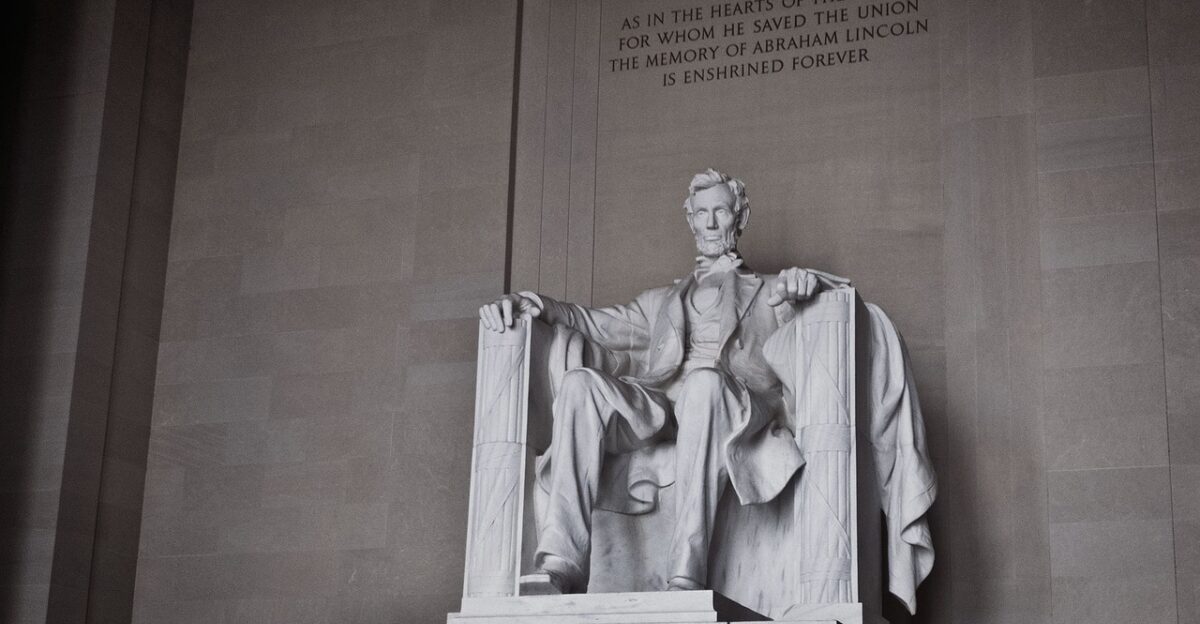
After the battle, President Lincoln delivered his famous Gettysburg Address, redefining the war as a struggle for a “new birth of freedom” and a united nation grounded in equality.
Gettysburg became hallowed ground, not only consecrated by sacrifice, but by an idea: that the nation, and democracy itself, must endure whatever the cost.
6. Bloodiest Day (Antietam)
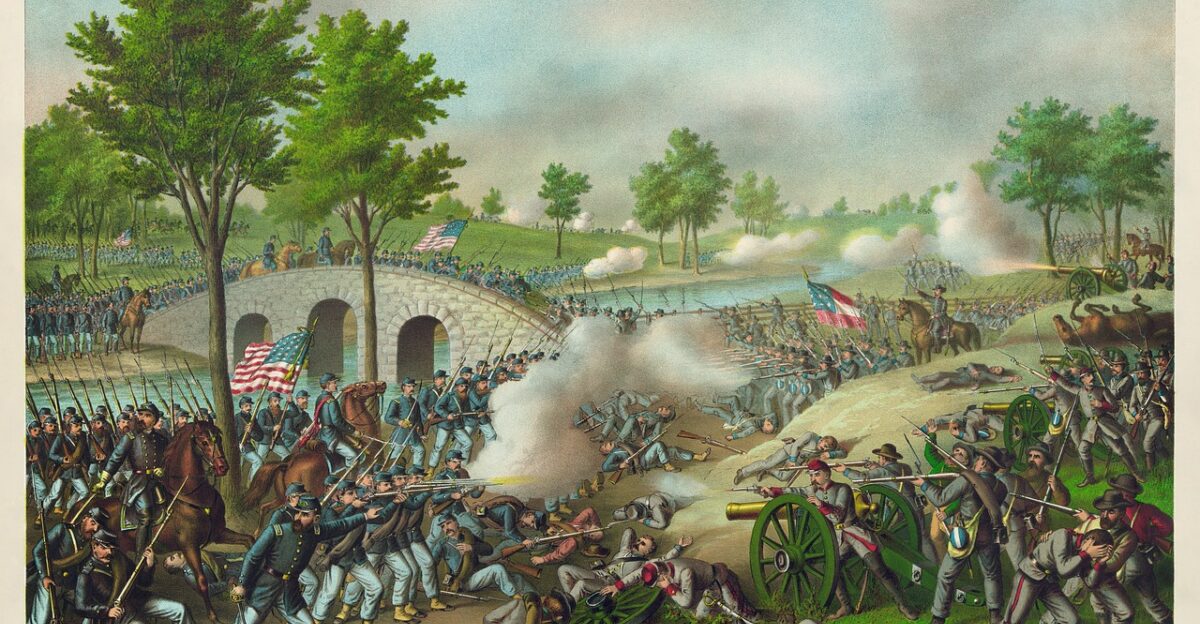
On September 17, 1862, near Antietam Creek, American forces faced the deadliest single day in the nation’s history, with over 23,000 soldiers killed, wounded, or missing.
Though the battle ended without a clear tactical winner, the Union gained a strategic advantage. This was no mere contest for territory; soon, Antietam would help alter the fundamental reason for the war itself.
Emancipation’s Path
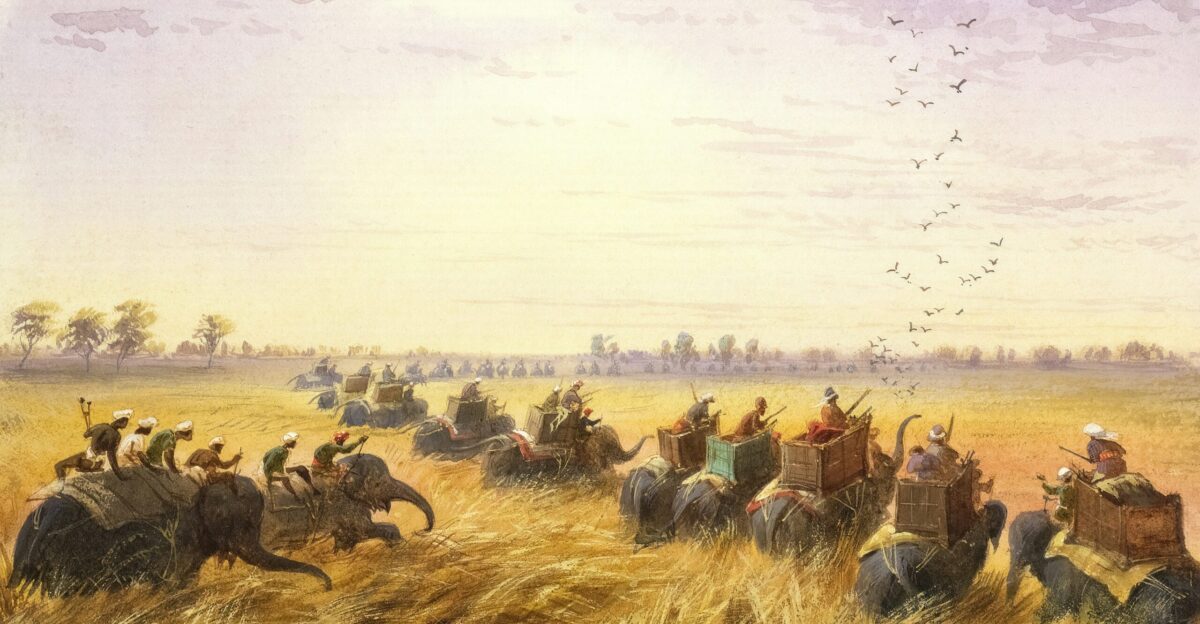
The Union’s hard-fought stand at Antietam allowed Abraham Lincoln to issue the Emancipation Proclamation, shifting the North’s cause from simply restoring the Union to abolishing slavery.
This changed the war’s stakes at home and abroad: foreign powers stayed out, and enslaved people saw hope on the horizon. A battle’s bloodshed forged a moral turning point.
7. The Day the Tide Turned (Midway)
In June 1942, in the Pacific Ocean, American codebreakers uncovered Japan’s plan to stage a surprise attack at Midway. Armed with just a few aircraft carriers, U.S. forces struck first, destroying four Japanese carriers.
The Battle of Midway changed everything. America seized the strategic initiative, shifting from desperate defense to grinding offense in the Pacific theater of World War II.
Outnumbered, Not Outmatched
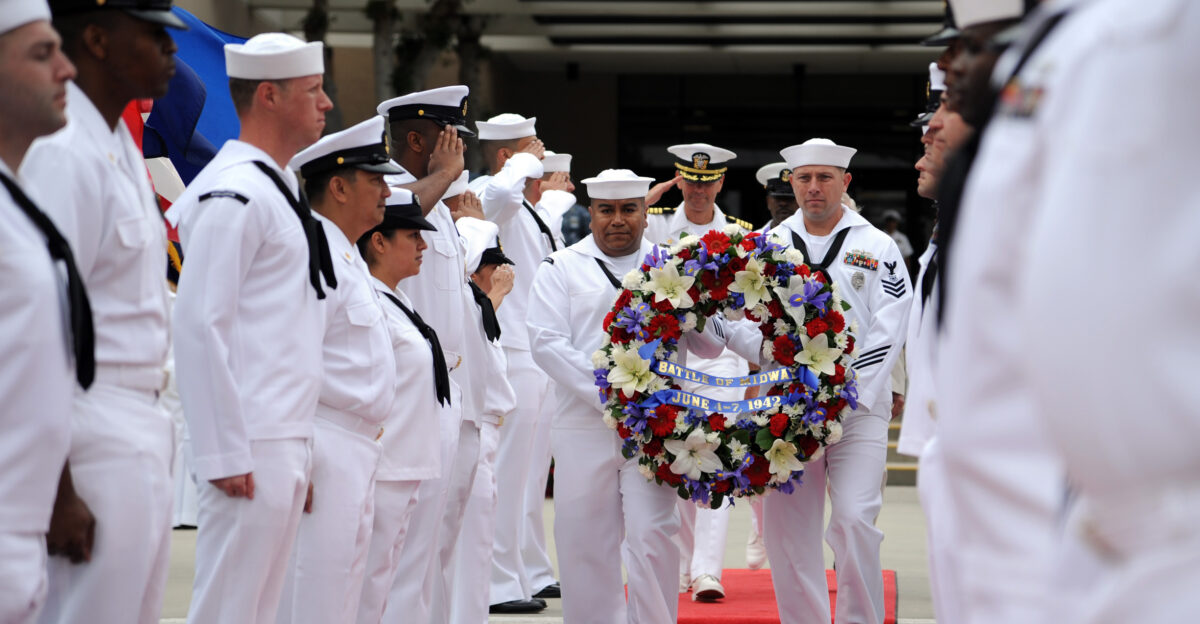
Midway’s unlikely victory carved out America’s legend of innovation and resolve. It proved that sharp intelligence, adaptability, and bravery could overcome daunting odds.
The ripple effects of this incident would be felt all the way to Tokyo, altering the postwar world that emerged from the ashes of conflict.
8. D-Day: Liberation Begins (Normandy)
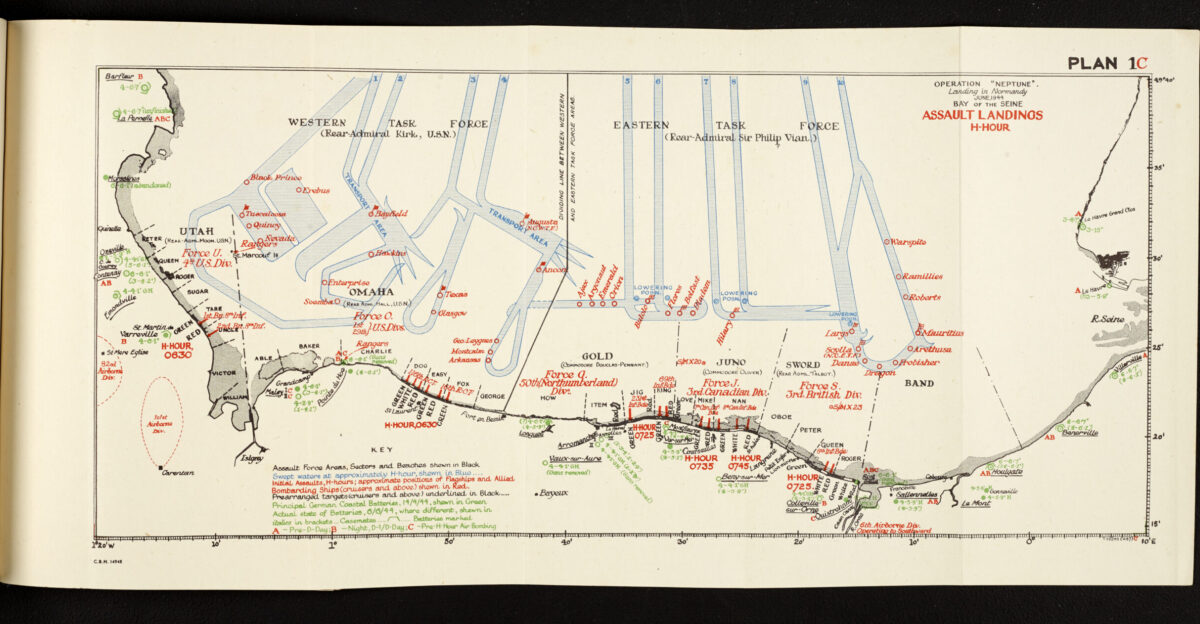
On June 6, 1944, the world saw the largest amphibious assault in history. American, British, and Canadian troops landed on the beaches of Normandy, pushing through strong German defenses known as the Atlantic Wall.
It was a massive and dangerous operation, with thousands of soldiers landing under heavy fire with no guarantee of success. D-Day was risky, but it cracked Nazi control over Western Europe.
Sacrifice and Symbolism
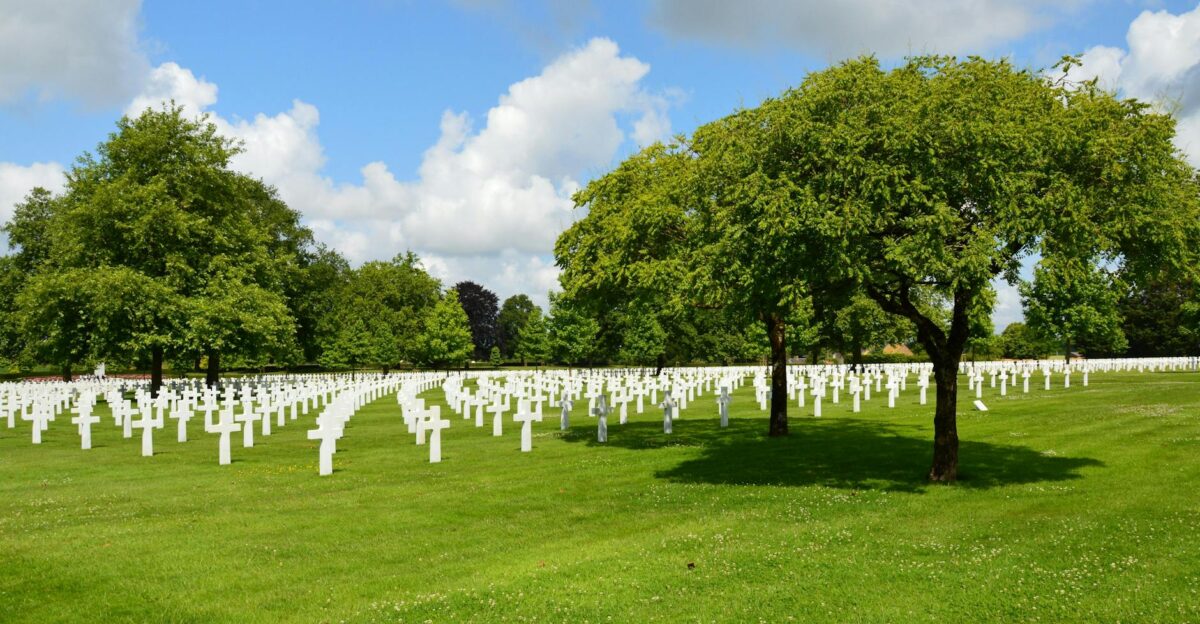
The invasion of Normandy came at a high cost, with thousands of American lives lost, but it gave new energy to the Allied fight. Beaches like Omaha and Utah became lasting symbols of bravery, unity, and sacrifice.
Even now, D-Day stands as a powerful reminder of the moment when America put its strength and values on the line to help free a continent, forever changing the postwar order.
9. Television’s First War (Tet Offensive)
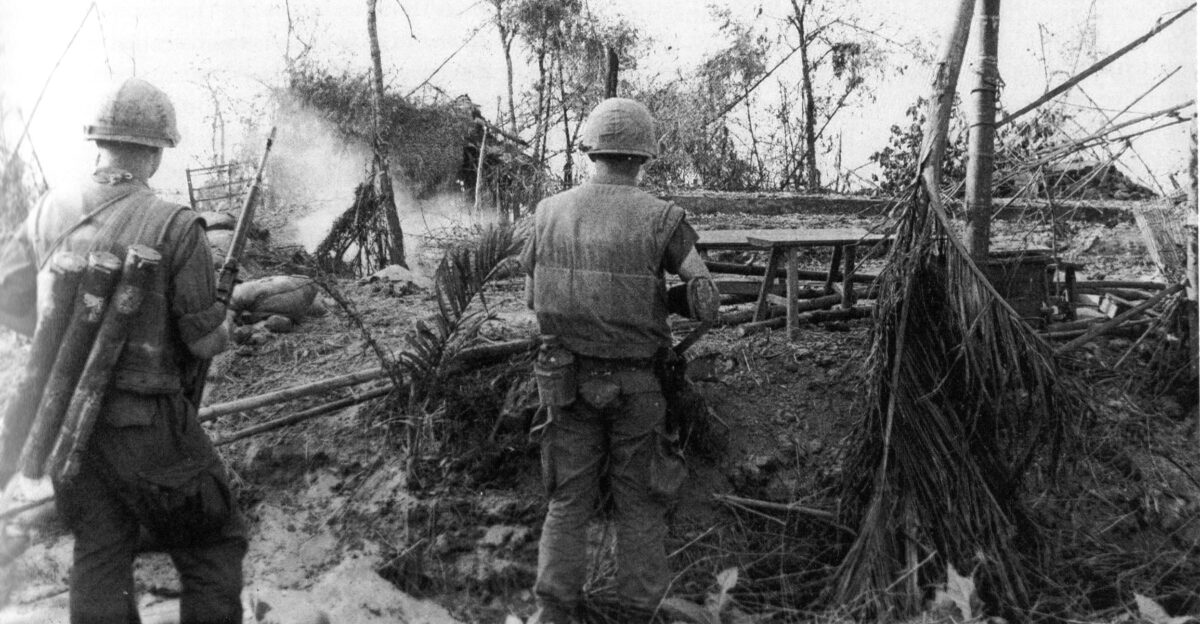
In January 1968, during the Tet holiday, Viet Cong and North Vietnamese forces launched surprise attacks across South Vietnam. The sudden wave of violence stunned Americans watching from home, many of whom had been led to believe victory was near.
The Tet Offensive shattered that illusion, revealing the brutal reality of the Vietnam War and forcing the public to grapple with its true cost and complexity.
The Battle After the Battle
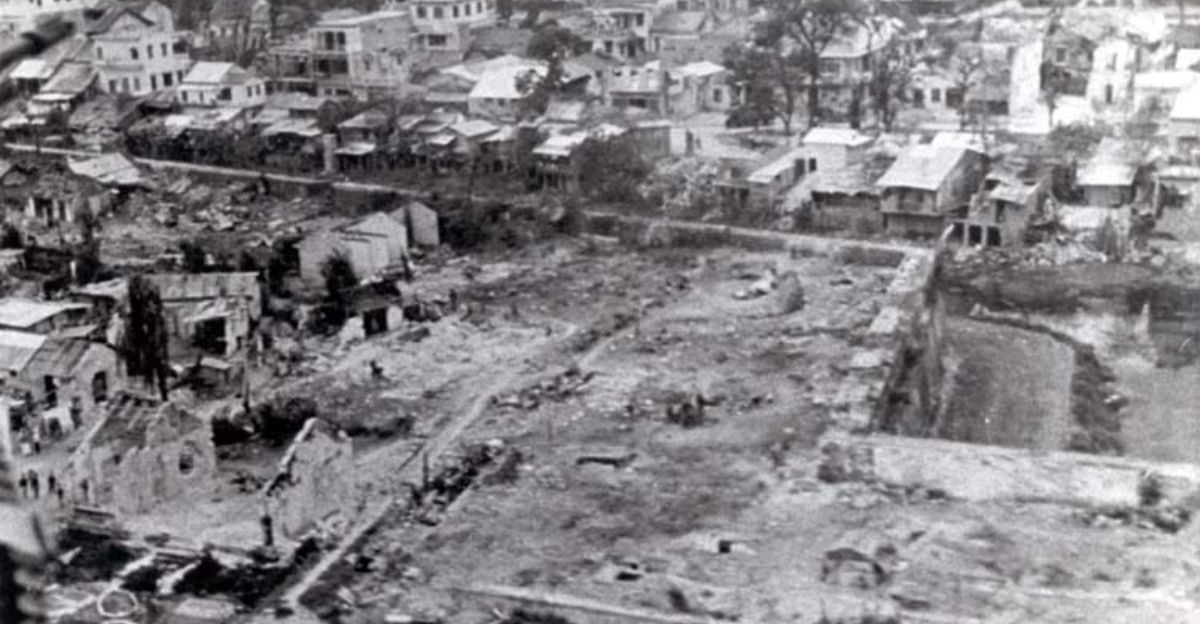
On the battlefield, U.S. and South Vietnamese forces managed to hold their ground. But the psychological blow was decisive. Public confidence in government claims of progress collapsed, and the antiwar movement gained momentum.
Tet revealed a hard truth: in modern war, perception can be as decisive as bullets, reshaping policy, politics, and American identity with images and outrage.
10. Defining a New Enemy (9/11 and the War on Terror)
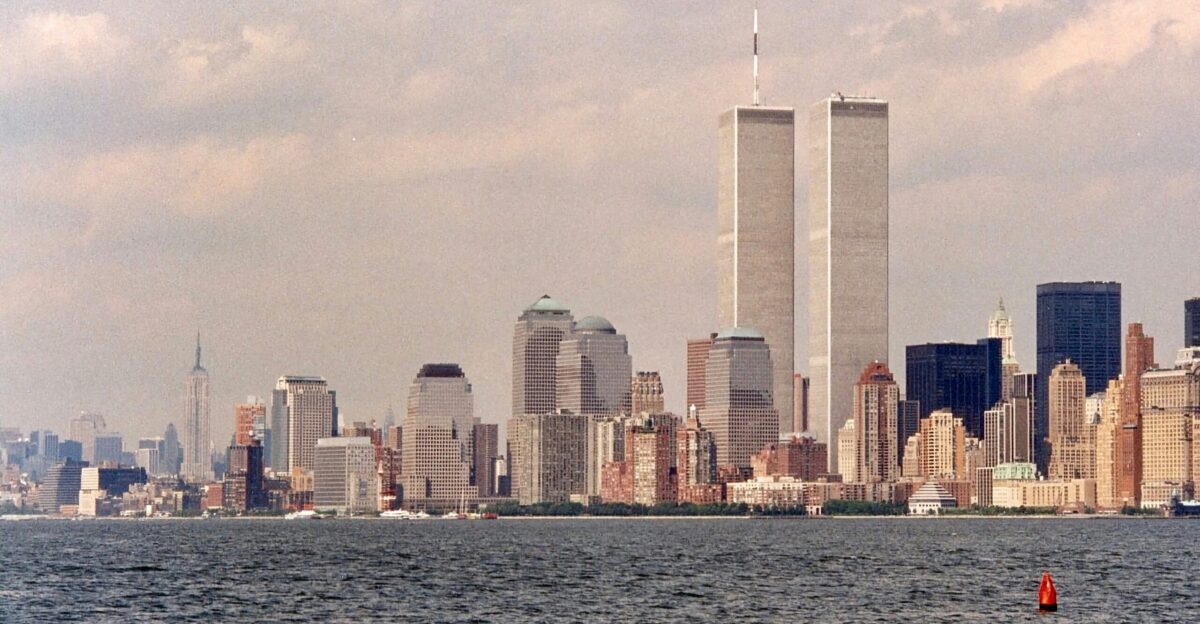
September 11, 2001, changed America. Coordinated terrorist attacks took thousands of lives and shook the nation to its core. In response, America launched wars in Afghanistan and Iraq, redefining what “battlefield” meant.
The War on Terror reshaped national security, government policy, and daily life, showing how one day can change the course of a nation’s history.