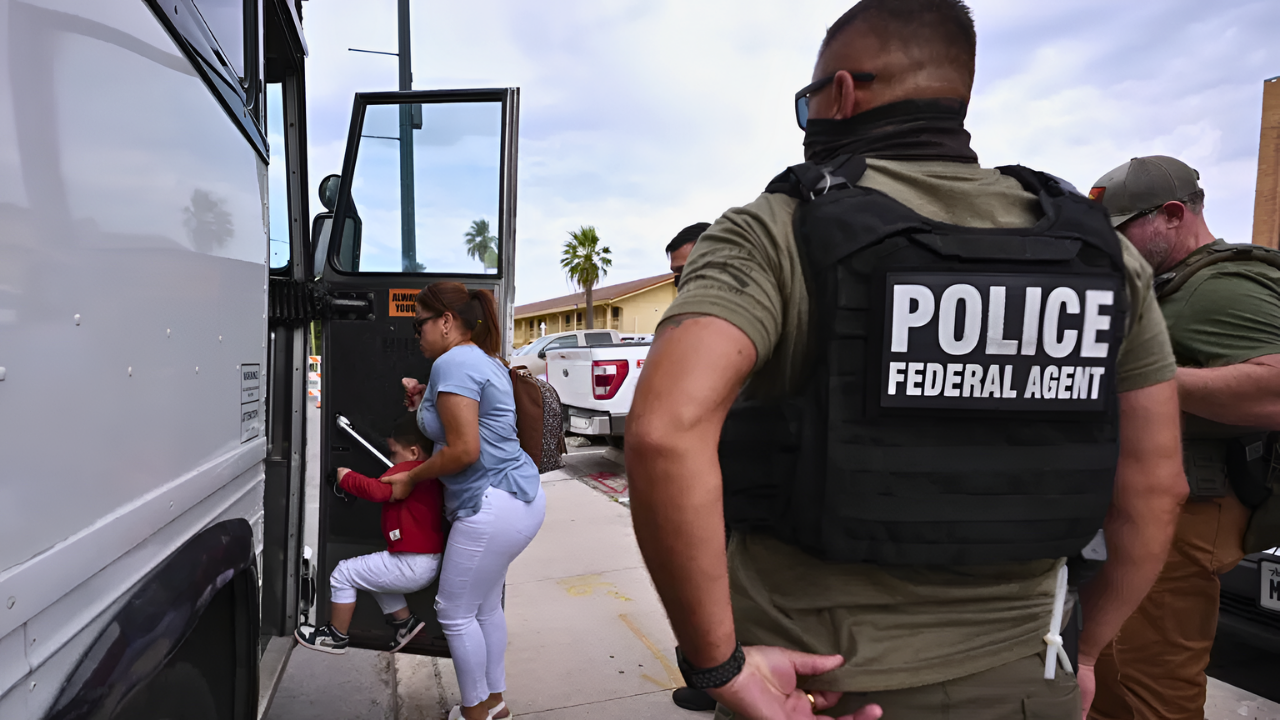
Over the course of eight months, from April 2025 to January 2026, Florida authorities, working in conjunction with federal immigration agents, quietly developed one of the most intensive state-level enforcement campaigns in recent U.S. history.
Officials say more than 10,400 people described as “illegal immigrants” were taken into custody in routine traffic stops, local police encounters, and targeted operations that increasingly blur the line between local policing and federal immigration work.
What exactly did this statewide crackdown involve, and how far did it go?
Expanding Net
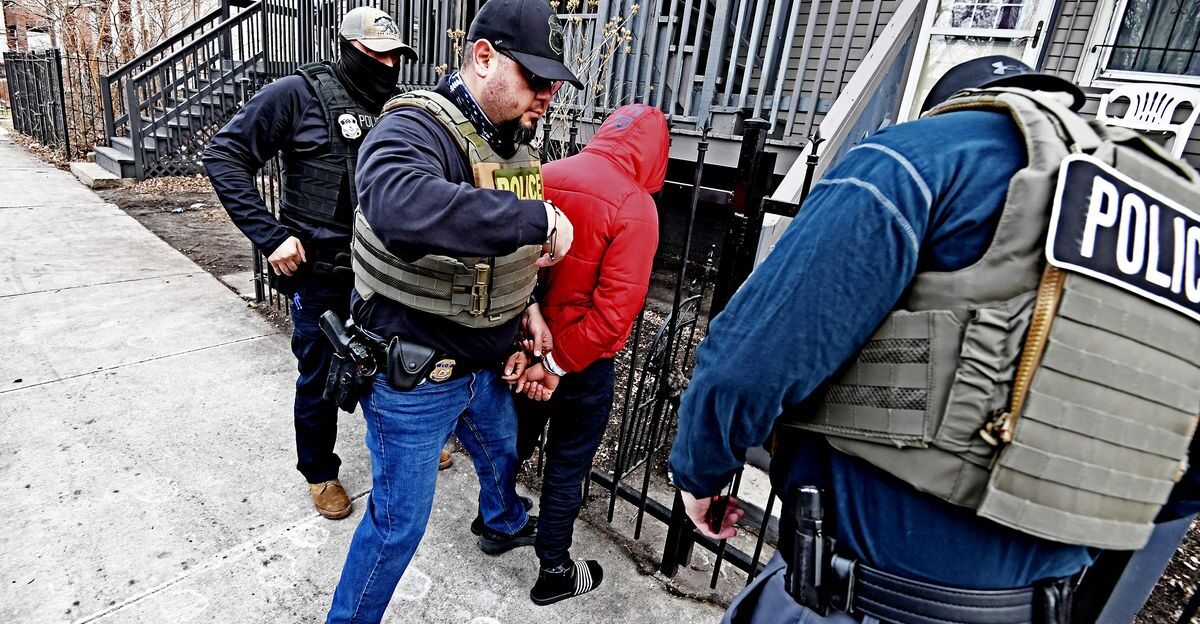
Florida’s push did not start from scratch. By early 2025, the state had signed 325 active 287(g) agreements—a national record—allowing local and state officers to perform certain federal immigration functions under ICE supervision, effectively turning every county into an enforcement zone.
With over 76 percent of Florida agencies enrolled compared to Wyoming’s second-place 11%, officials framed this architecture as necessary to deal with a rising detention population nationwide and a surge in people flagged for removal, tightening the net far from the border.
Florida Model
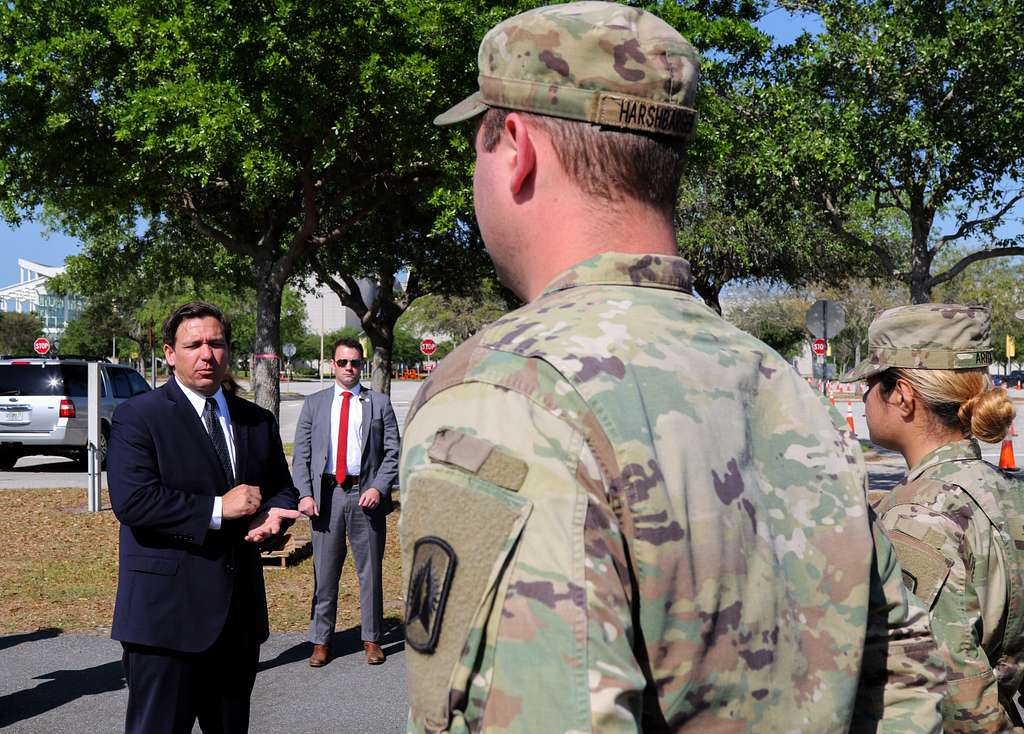
Governor Ron DeSantis has spent years positioning Florida as a test case for aggressive state-driven immigration enforcement.
Under his administration, lawmakers expanded cooperation with ICE and barred so‑called “sanctuary” policies, while state agencies built out detention capacity.
Advocates say these moves funneled more people into ICE custody, while supporters argue they filled gaps left by federal capacity limits and shifting national policies. This broader context set the stage for a much larger operation.
Rising Pressure
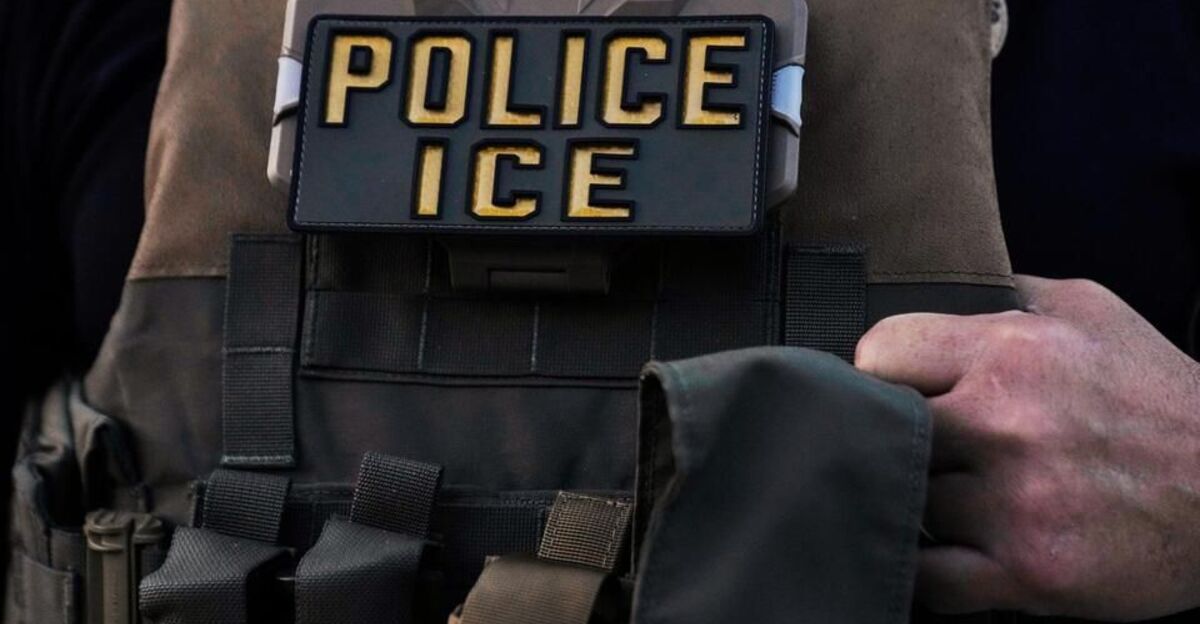
By mid‑2025, ICE was detaining more than 56,000 people nationwide on a given day, about 40 percent higher than a year earlier.
Florida facilities were under particular strain, with some holding far above their operational capacity amid new federal laws broadening mandatory detention.
Rights groups documented overcrowding and harsh conditions in several Florida centers, warning that expanded state cooperation and rapid-fire enforcement were driving detainee numbers to historic highs and intensifying pressure on local communities.
Operation Tidal Wave
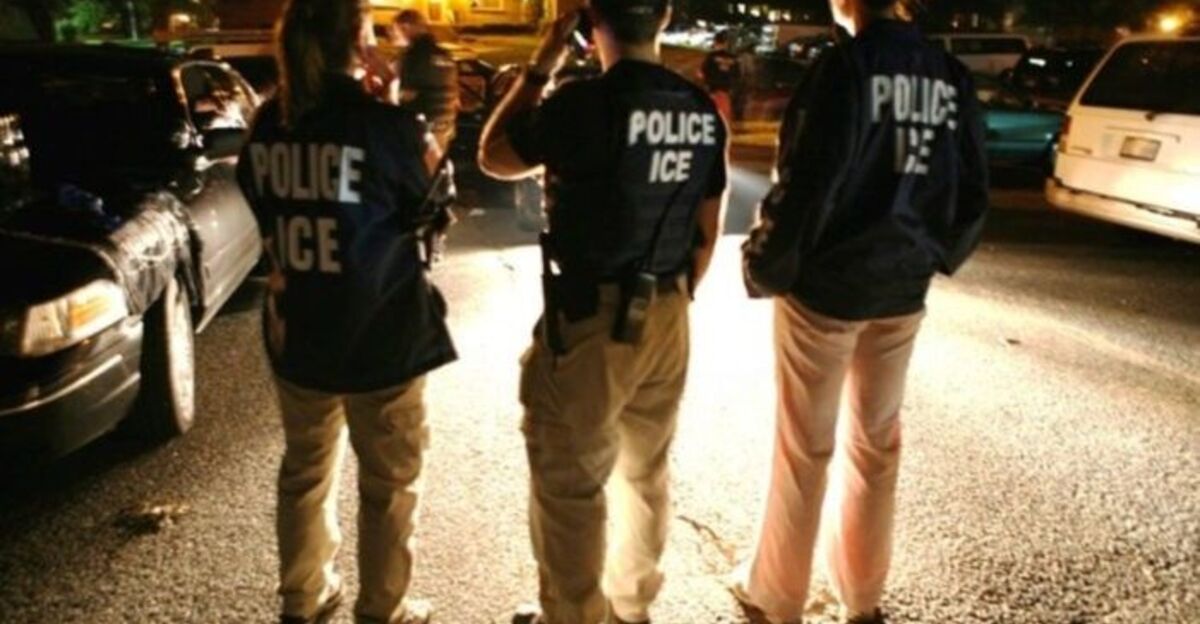
In April 2025, Florida and ICE launched Operation “Tidal Wave”, a coordinated, statewide enforcement surge aimed at people officials described as “illegal aliens,” especially those with prior deportation orders or criminal records.
Over the next eight months, the initiative expanded across all 67 counties, combining state troopers, sheriff’s deputies, and multiple federal agencies, including the FBI, DEA, ATF, U.S. Marshals Service, and Customs and Border Protection, in what Florida leaders would later describe as a first‑of‑its‑kind partnership—and a record‑setting one.
10,400 Arrests
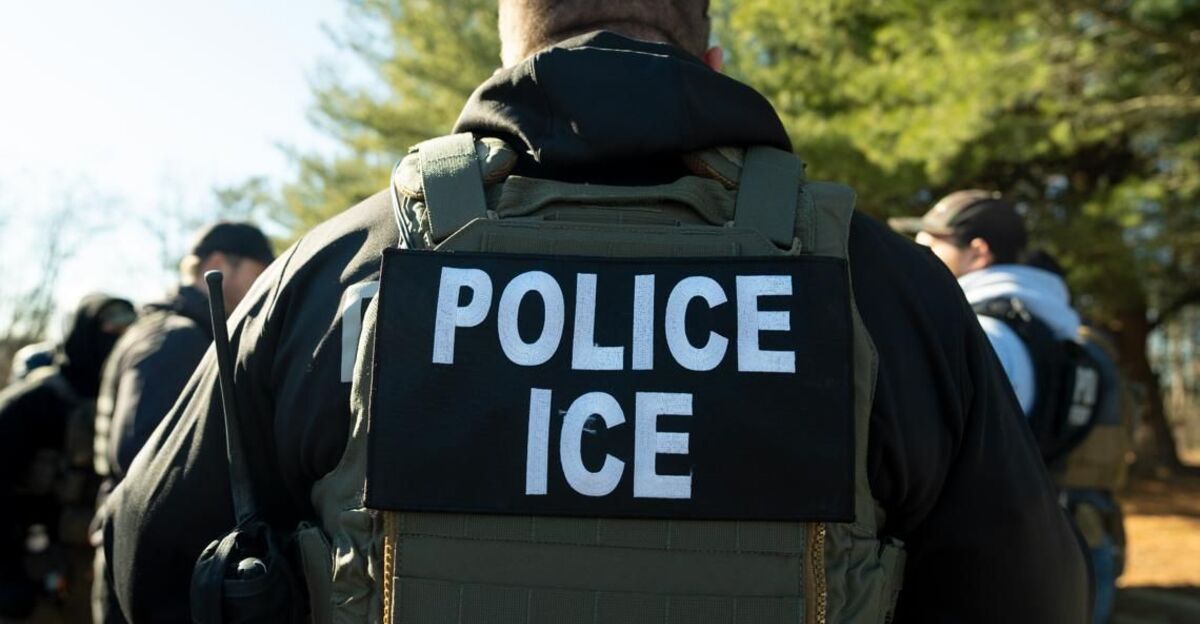
At a January 6, 2026, event, DeSantis announced that “since Operation ‘Tidal Wave’ launched eight months ago, Florida law enforcement agencies have arrested more than 10,400 illegal aliens and worked with federal partners to remove them from our state and country.”
Officials say 63% of those arrested had prior criminal arrests or convictions, and 63% of the total 10,400 have already been removed or deported from the United States—representing 6,552 individuals expelled during the operation’s ongoing timeline.
Largest Ever
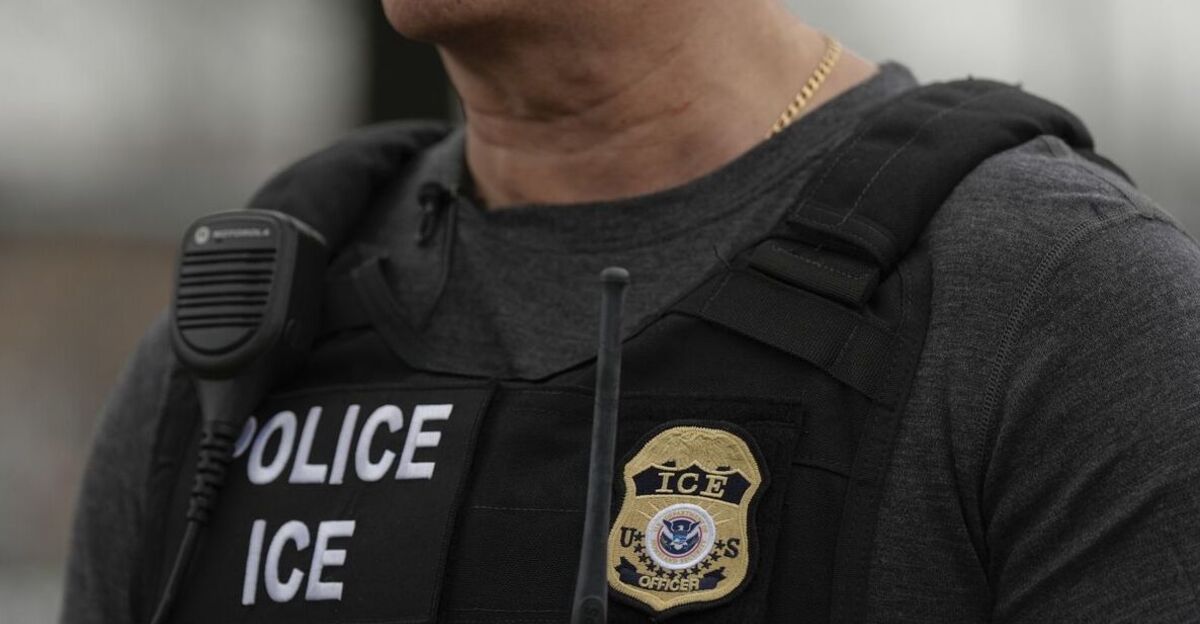
DeSantis called Operation Tidal Wave “the largest joint immigration enforcement operation in ICE’s history,” citing the agency’s own official designation of the Florida effort.
ICE Deputy Director Madison D. Sheahan publicly praised the campaign as “a model we’re able to take to other states.”
Officials also noted that the operation’s first week (April 21-26, 2025) produced 1,120 arrests, which ICE confirmed as “the most single arrests done by a state in a single week that ICE has ever had.”
Who Was Targeted?
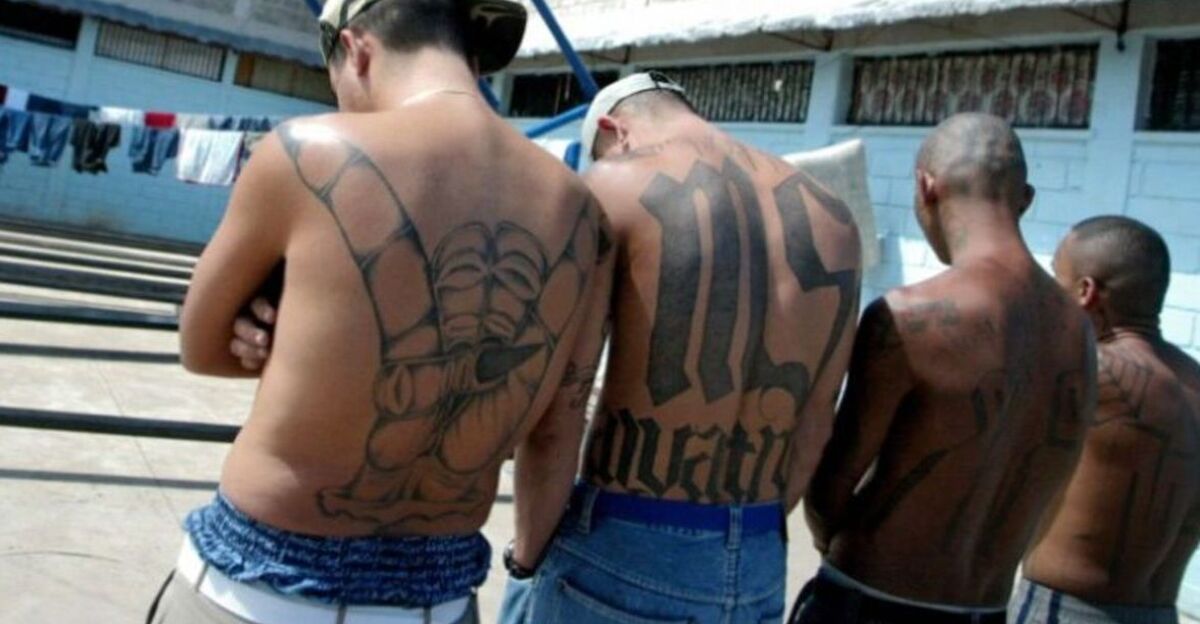
Florida and ICE officials highlighted arrests of people they described as gang members, convicted murderers, and sex offenders, including those linked to MS‑13, Tren de Aragua, the 18th Street Gang, Brown Pride Aztecas, Barrio Azteca, and Surenos.
They cited examples such as Aron Isaak Morazan-Izaguirre, a Honduran 18th Street member designated as a known or suspected terrorist who reentered the U.S. illegally twice, and Rafael Juarex Cabrera, a Guatemalan MS‑13 member who reentered three times and was convicted of felony reentry.
Authorities stated that the arrestees came from Guatemala (3,435), Mexico (3,331), Honduras (1,353), El Salvador (312), Venezuela (312), and other countries (1,249). A sub-operation dubbed “Operation Dirtbag” by DHS Secretary Kristi Noem resulted in 230 criminal alien arrests, including more than 150 sex offenders and sexual predators.
Everyday Fear
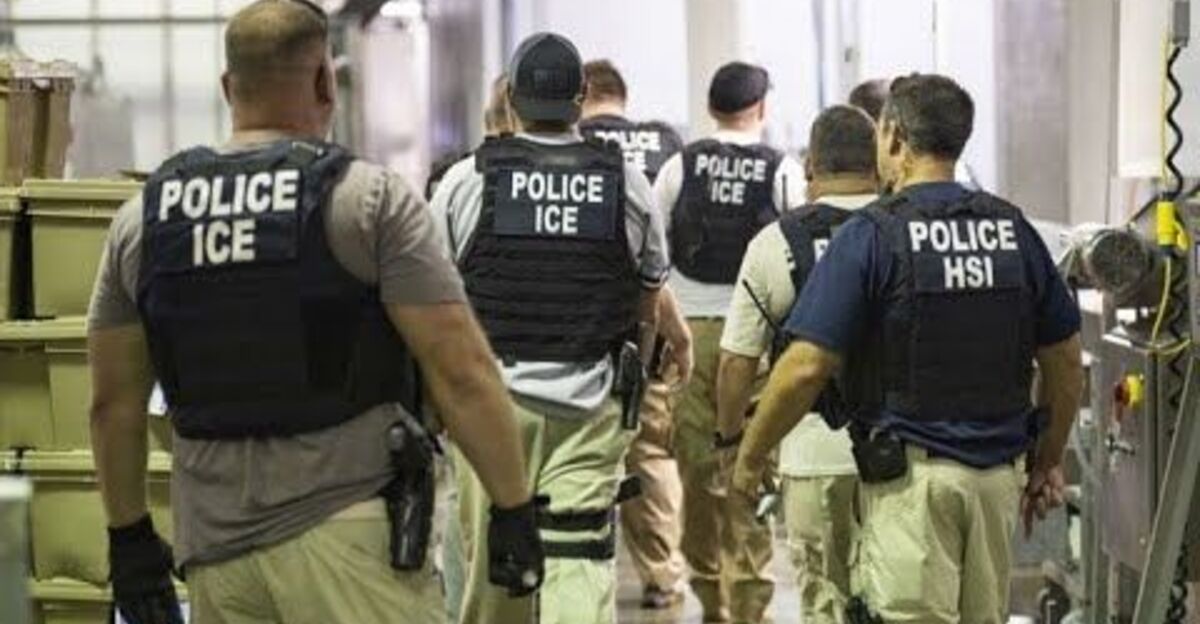
For immigrants living in Florida, the campaign’s scope translated into daily anxiety. One Jacksonville immigration attorney said nearly 800 arrests tied to Operation Tidal Wave in a single burst left her clients “fearful” to leave home or even attend mandatory immigration interviews, despite having ongoing legal cases.
She warned that people with legal status could still be swept up if encountered alongside someone with a deportation order.
Florida Attorney General James Uthmeier added that “many of the 10,000+ individuals arrested were trying to prey on our children,” framing enforcement as child protection.
Detention Boom
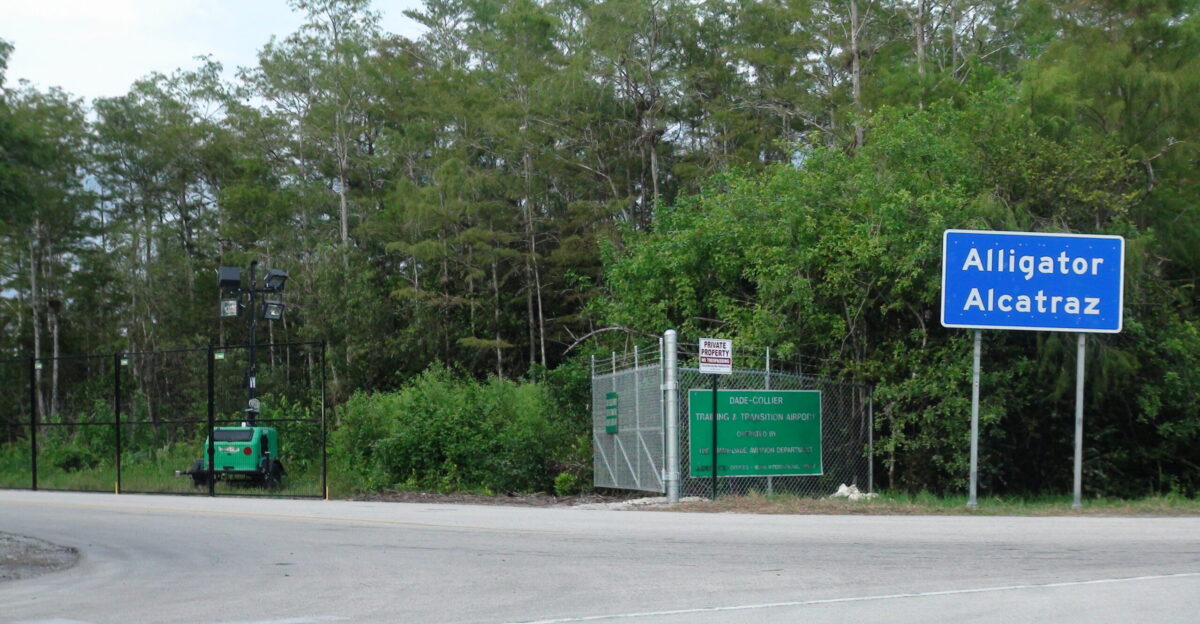
Behind the arrest numbers is a rapidly expanding detention infrastructure. Florida opened a 3,000-bed Everglades facility nicknamed “Alligator Alcatraz,” converted from a training airport at a cost of $218 million, with an annual operating cost of $450 million—$245 per bed per day, compared to ICE’s $187 national average.
The federal government approved $608 million in reimbursement in October 2025 for related enforcement expenses. Human Rights Watch and other groups say overall detention in Florida surged in 2025, with some facilities operating above capacity and detainees reporting overcrowded, degrading conditions.
The facility was temporarily shut down by a federal judge in August 2025 due to environmental violations, but it was partially reopened after federal funding was secured.
Local Strains
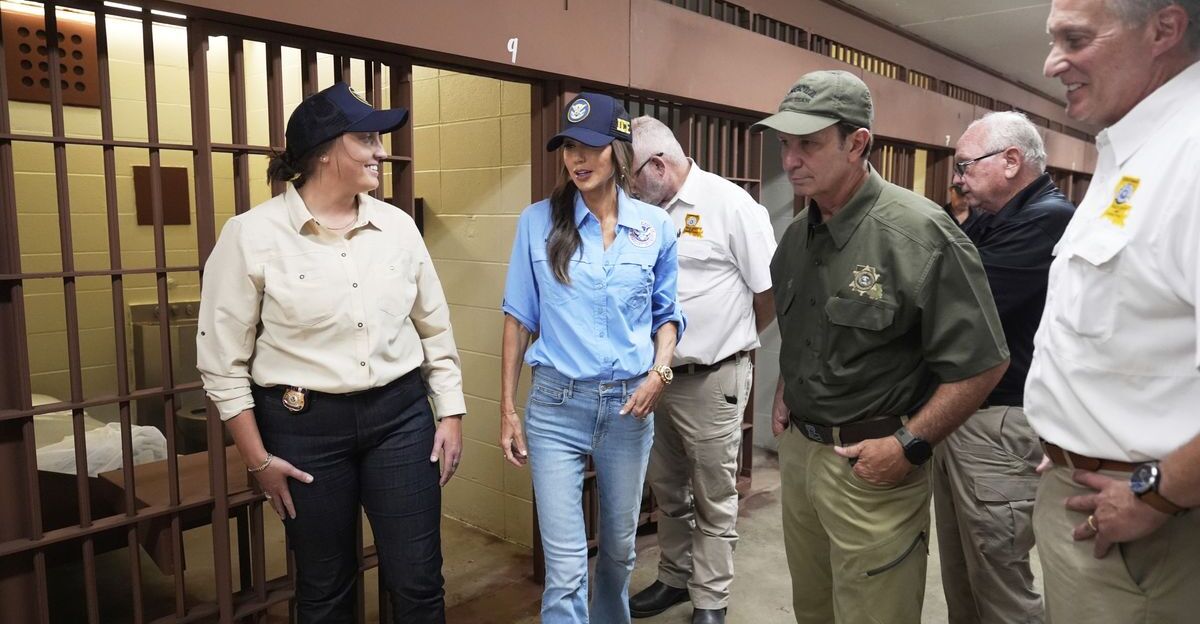
Roughly 4,650 officers—3,676 state and 974 local—were equipped and deployed for immigration enforcement under Florida’s partnership model, according to data from the state and ICE.
The Florida Highway Patrol alone reported 6,200 immigration arrests under a “first-in-the-nation task force model” that empowers state troopers to conduct immigration enforcement during routine traffic stops and street-level operations rather than limiting arrests to jail settings.
Florida’s enforcement pace accelerated from an average of 20 arrests per day in 2024 to 43 per day in 2025—a 220 percent increase. While state leaders celebrated the numbers, civil liberties groups argued that ordinary policing was being repurposed in ways that erode community trust and strain local resources.
Legal Fault Lines
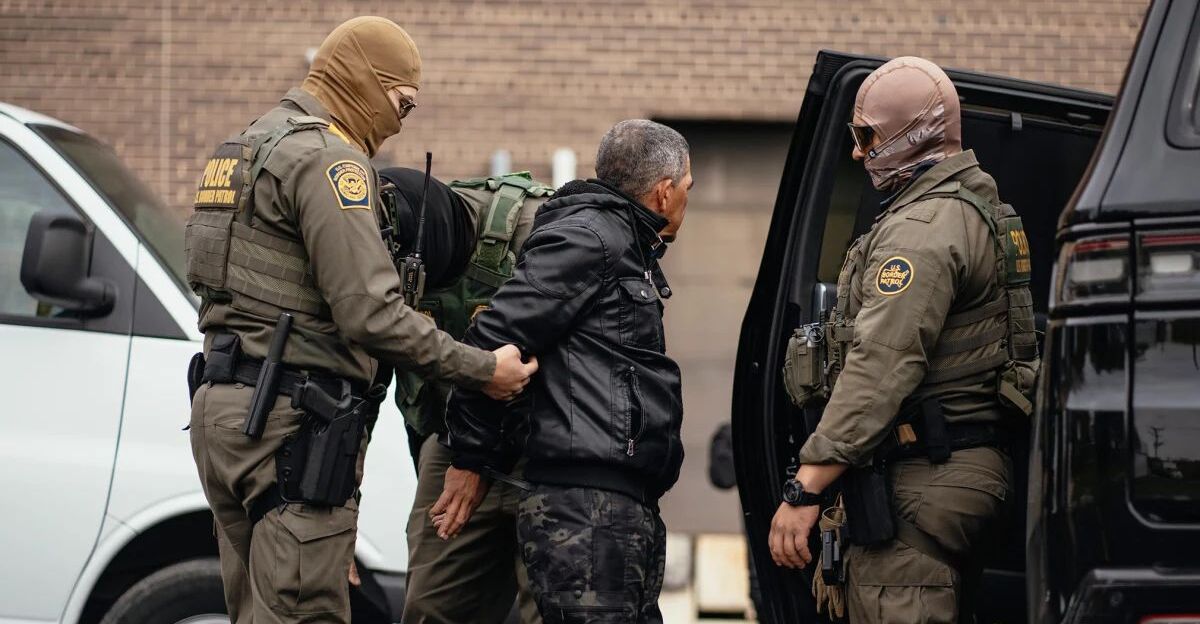
Human Rights Watch and advocacy groups say Florida’s dense network of 287(g) agreements and new state laws have made it one of the most aggressive states in channeling people into ICE custody.
They document accounts of detainees held in freezing, overcrowded cells, denied timely medical care, or pressured to sign removal waivers they did not fully understand.
Officials defend the partnerships as lawful, supervised extensions of federal authority designed to enhance public safety, with DeSantis declaring “Florida is not Portland” and warning of “severe consequences” for anyone attacking ICE agents.
Funding Ties
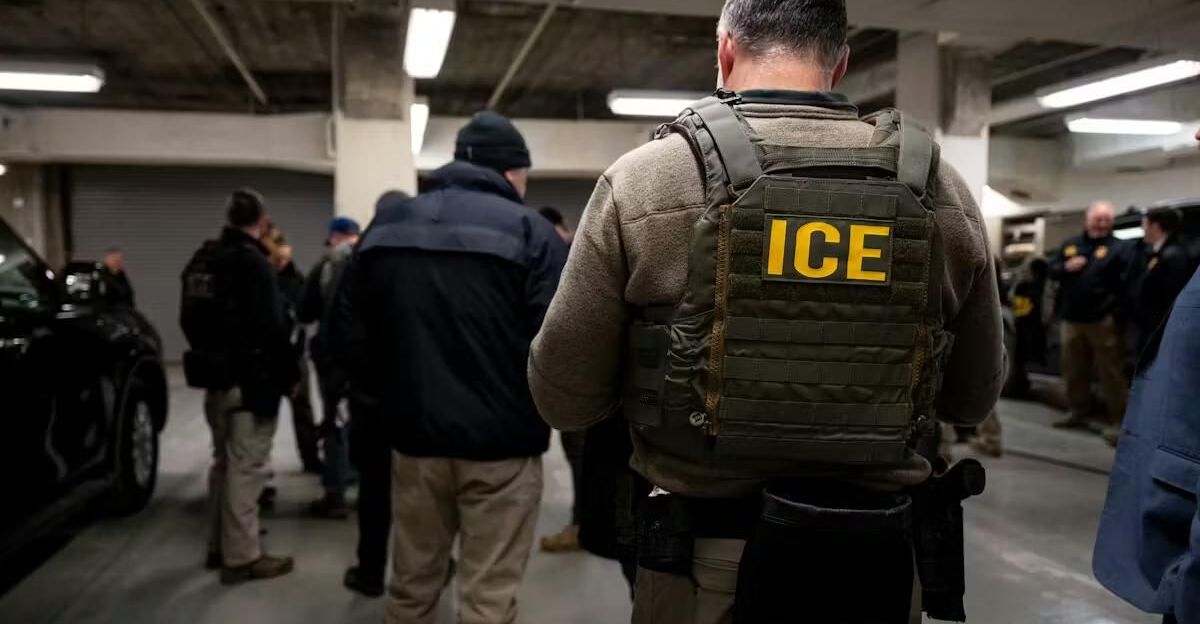
Florida’s enforcement posture is closely tied to significant federal funding. The state received $608 million in federal reimbursement approved in October 2025 for immigration detention and enforcement costs, plus $28 million in federal equipment and transportation grants.
Florida also allocated $250 million in state funds for immigration enforcement infrastructure. DeSantis has framed the state-built facilities as “temporary” support to an overburdened federal system, even as his administration seeks additional sites.
Critics question how temporary this infrastructure can be once contracts, jobs, and political capital are committed.
National Template
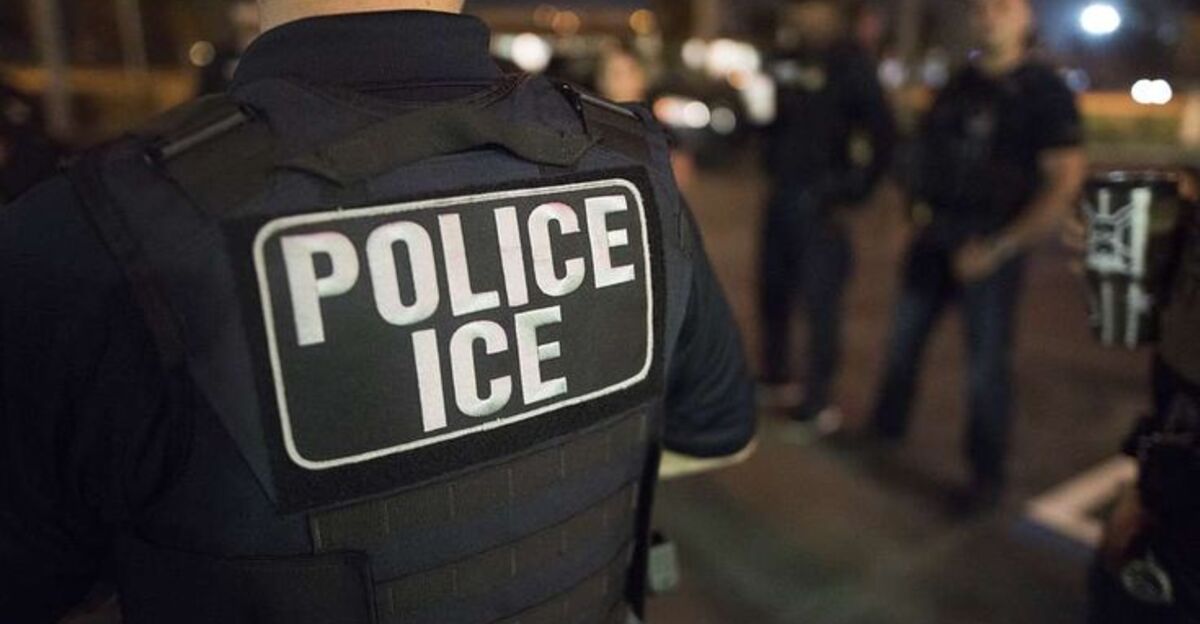
ICE leaders’ praise of Operation Tidal Wave as “a model we’re able to take to other states” suggests Florida’s approach could influence national enforcement strategy under the Trump administration’s $1.7 billion “Big, Beautiful Bill” funding stream.
Other jurisdictions are considering similar 287(g) expansions or establishing state-level task forces, even as lawsuits and human rights reports challenge the model.
The outcome of those debates may determine whether Florida remains an outlier—or a preview of broader, joint state‑federal crackdowns.
An Uncertain Future
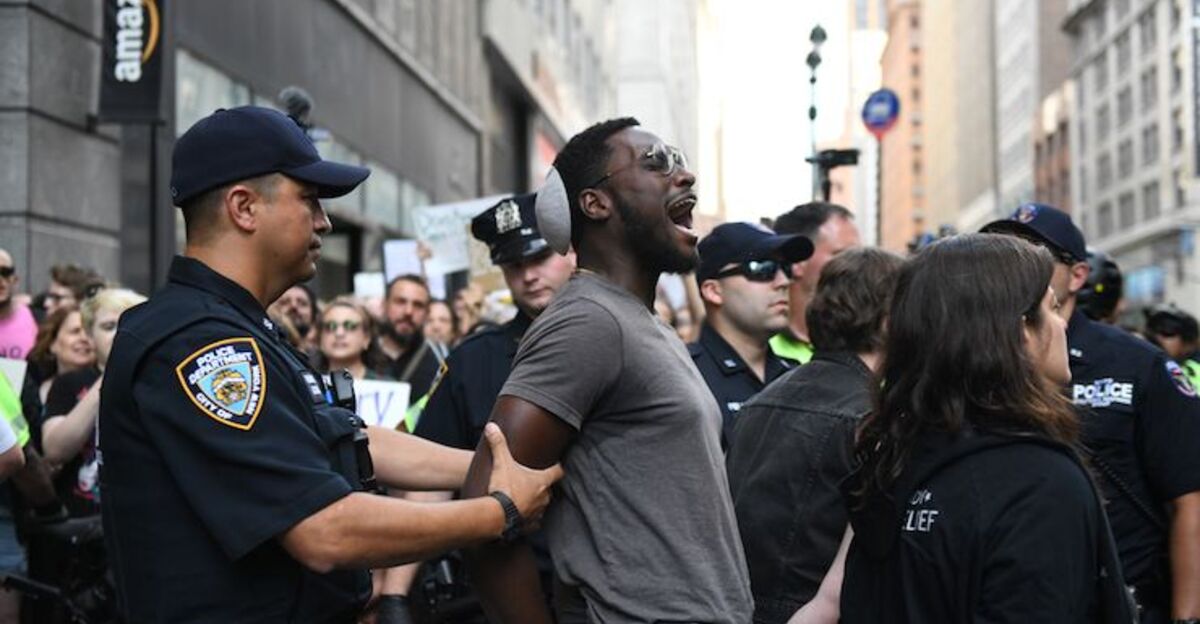
With more than 10,400 arrests tied to Operation Tidal Wave and no clear end date announced, with DeSantis declaring “this is just the beginning,” Florida’s immigration enforcement experiment raises unresolved questions.
Supporters see a blueprint for confronting crime and illegal immigration; critics see escalating detention, due-process risks, and long-term dependence on a sprawling carceral network.
As ICE and state officials talk about exporting this “model” nationwide, how far will other states go in following Florida’s lead?
Sources:
CBS12 via MSN, 5 Jan 2026
Fox News, 4 Jan 2026
Governor’s Office of Ron DeSantis, 6 Jan 2026
ICE – 287(g) Program Overview, accessed 2025
Human Rights Watch, 21 Jul 2025
Mother Jones, 20 Jun 2025
CNN, 1 Jul 2025
CBS News, 4 Aug 2025