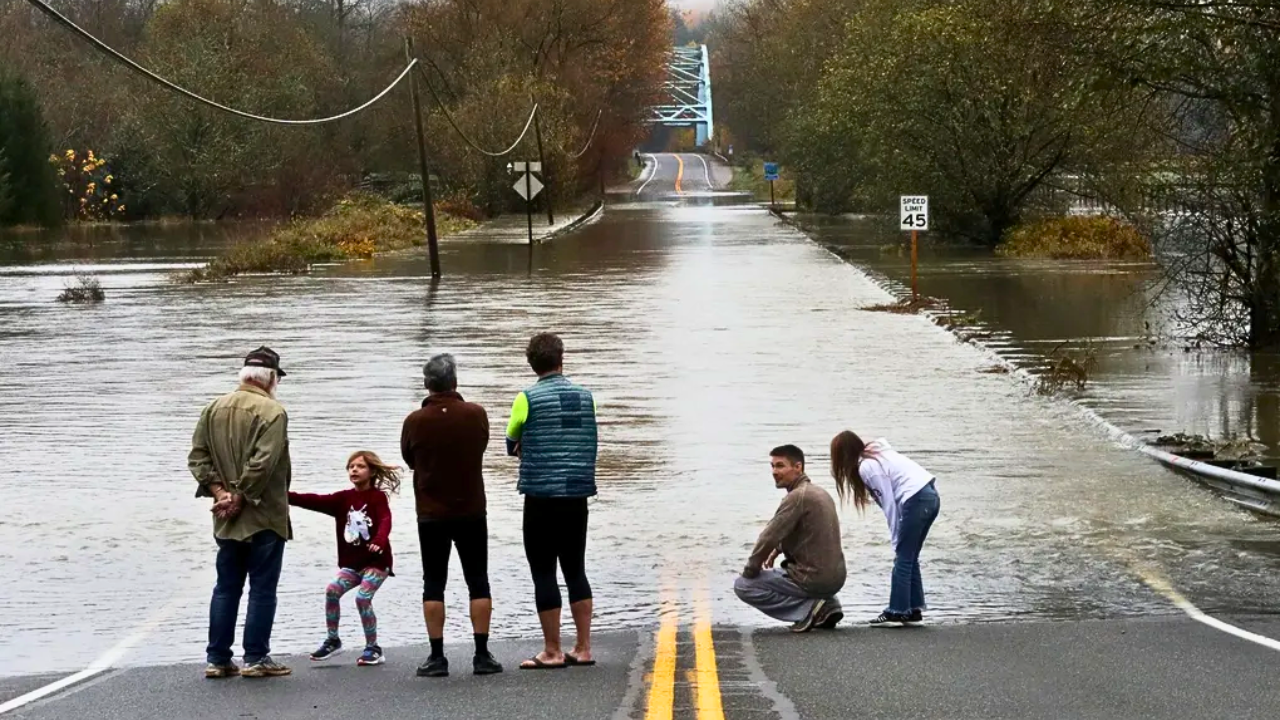
Heavy rain began pouring across the Pacific Northwest early Saturday, November 1, as powerful atmospheric rivers triggered flash floods and rising river levels.
By Sunday, the storm showed no sign of letting up. In Seattle, winds reached 36 mph, while rainfall totals in some areas climbed to 5 inches.
Emergency alerts filled residents’ phones, warning of life-threatening flooding. With another system on its way on Monday, the region braced for even worse conditions. What comes next? This storm is just the beginning.
Nature’s Powerful Moisture Conveyor
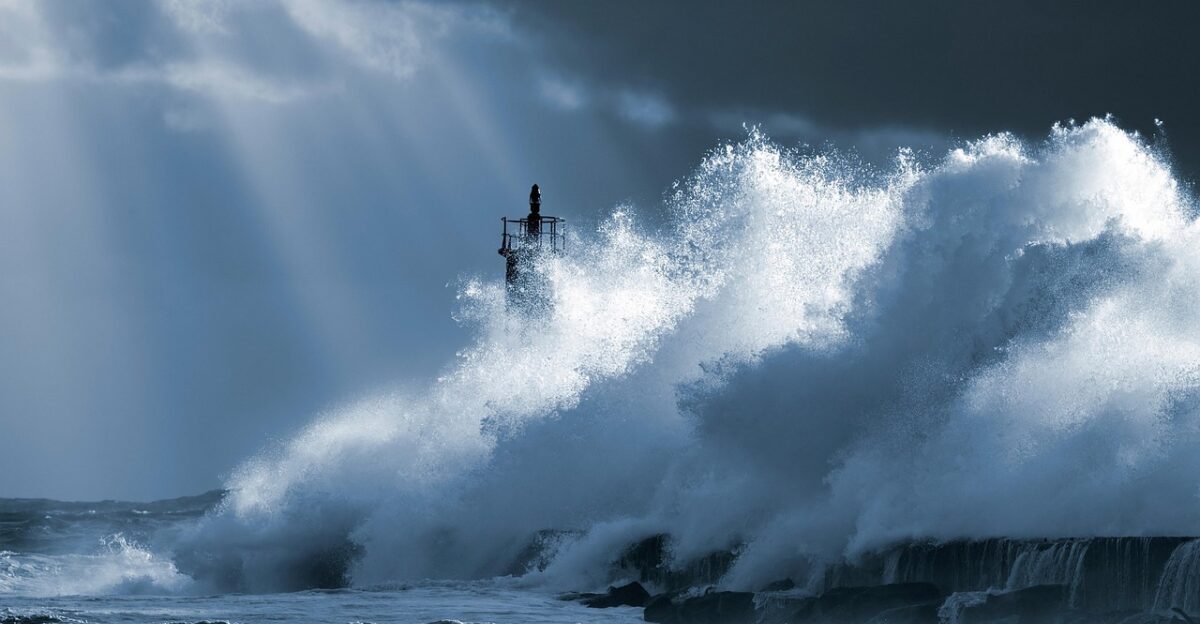
Atmospheric rivers are narrow but powerful streams of moisture from the Pacific Ocean, capable of transporting vast amounts of water.
These systems can carry more than 10 times the flow of the Mississippi River, making them dangerous to communities in their path.
The Pacific Northwest is facing a rare clustering of these events, with storms arriving back-to-back over a 10-day span, significantly increasing flood risk. Meteorologists warn of intense and prolonged rainfall, leading to widespread disruptions across the region.
Flooding and Power Outages
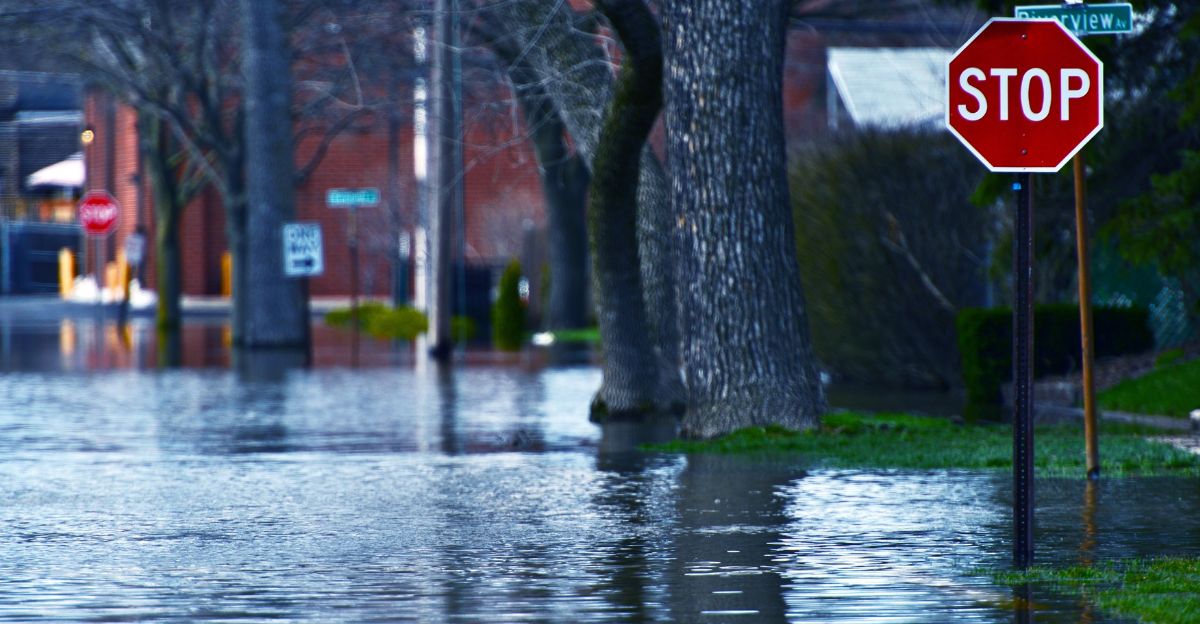
Seattle is expecting up to 5 inches of rain, along with wind gusts reaching 36 mph. Local officials have issued flood warnings for lowlands, and coastal areas are on high alert for possible storm surges.
As heavy rains fall, the risk of flash flooding increases, and road closures are expected. Power outages are likely as strong winds bring down trees and power lines.
Residents are urged to prepare by securing outdoor items and avoiding travel during peak storm conditions.
Businesses Respond to Rising Demand
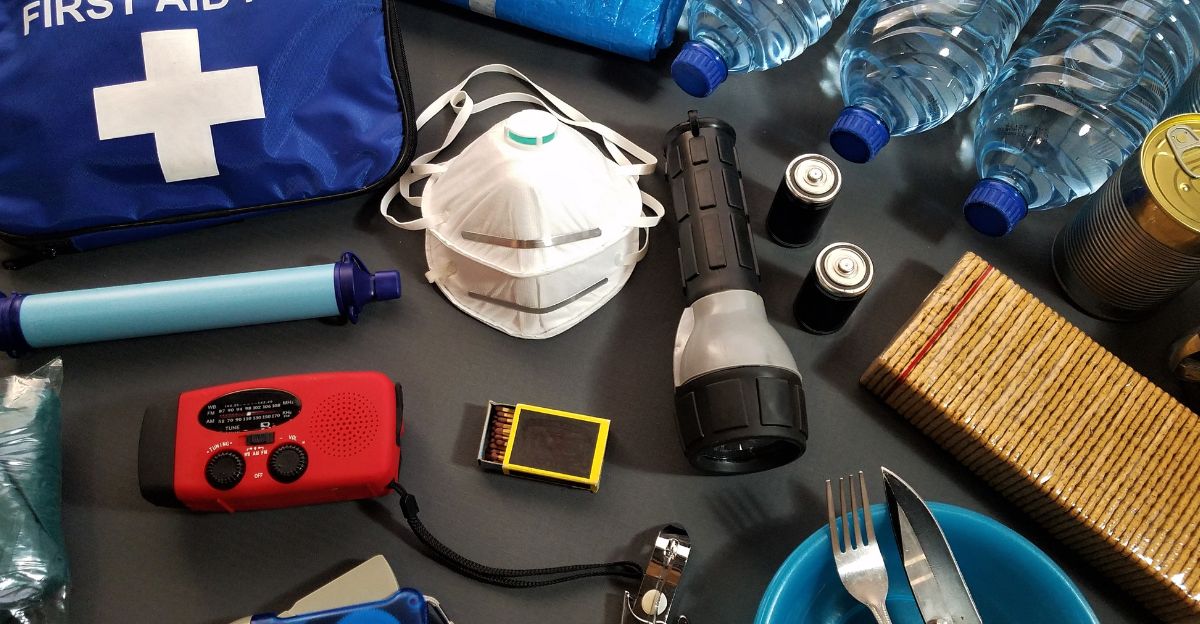
As the storm looms, local businesses are stocking up on essential supplies to meet surging demand. Grocers and hardware stores are seeing an influx of customers buying sandbags, bottled water, batteries, and other storm essentials.
Delivery services have warned of possible delays, and utility companies are preparing for outages by pre-deploying crews to handle downed lines.
This rush on supplies shows how seriously people are taking the storm, with the region bracing for significant disruptions in daily life.
Surge in Insurance Claims and Emergency Services

With severe weather forecasts, insurance companies are reporting a surge in claims, particularly related to flood and wind damage.
Residents are seeking flood insurance and mitigation products, such as sump pumps and portable generators, to protect their properties.
Emergency contractors are also experiencing a surge in demand for services to prepare homes for potential flooding. This has led to a rise in equipment rentals, as homeowners prepare to protect their properties against the approaching storm and possible water damage.
Port Operations and Supply Chain Disruptions
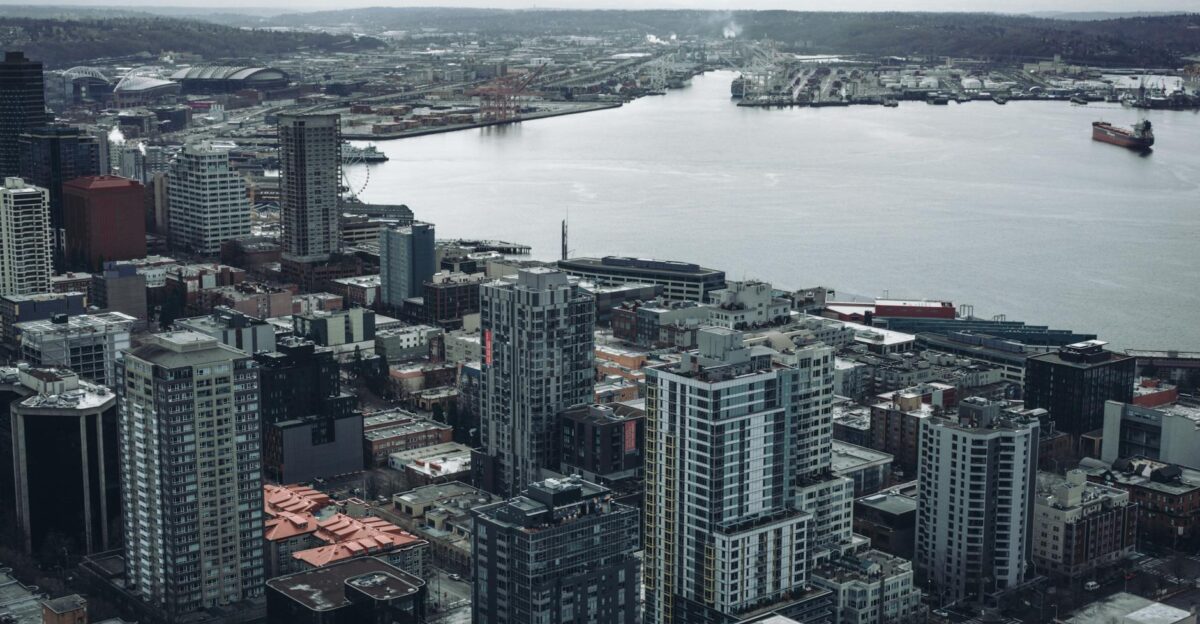
Major ports in Seattle and Portland are facing the risk of delays as the storms intensify. Hazardous seas and flooding threaten to disrupt cargo operations, potentially leading to significant delays in international shipments.
This disruption may have a ripple effect, causing delays in the supply chain that could impact everything from consumer goods to industrial products.
The storm’s timing has already created concerns about its economic impact, with retailers and distributors bracing for significant setbacks.
Farmers and Workers in Harm’s Way
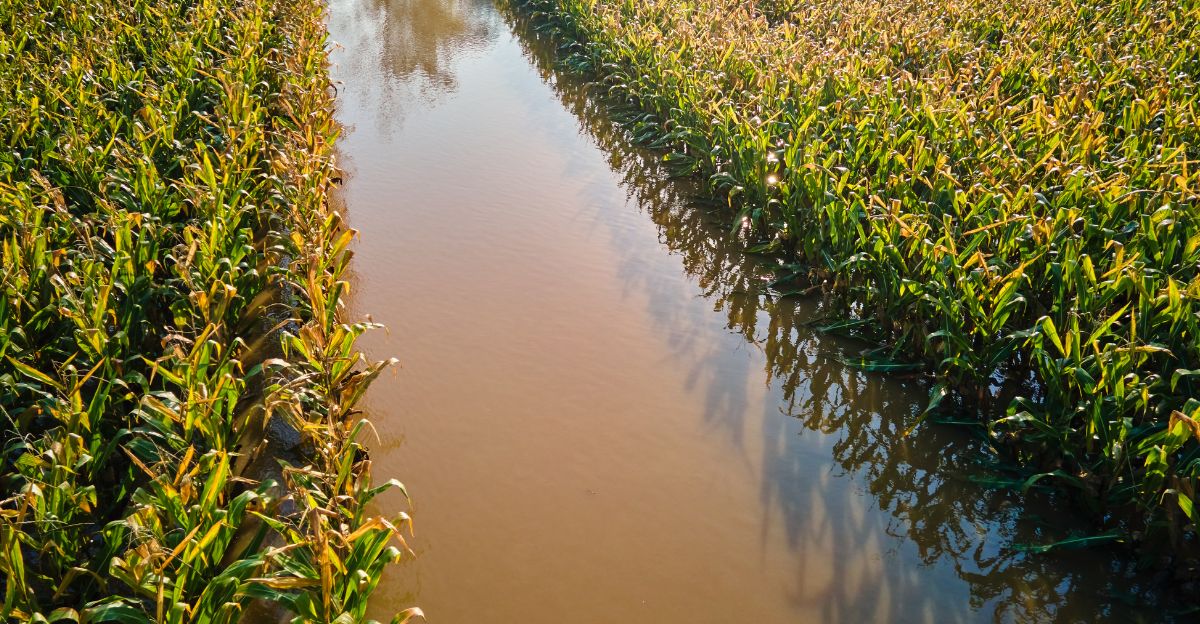
Farmers in the path of the storms are preparing for potential crop damage and erosion. Vulnerable rivers could overflow, submerging fields and causing significant loss to agriculture.
Livestock are at risk from floodwaters and hazardous conditions on rural roads. Urban workers are also facing hazardous conditions, as public transportation may be disrupted and roads could become impassable.
Officials are urging people to stay off the roads unless absolutely necessary and to ensure their properties are prepared for flooding.
Emergency Plans Mobilized Across the Region
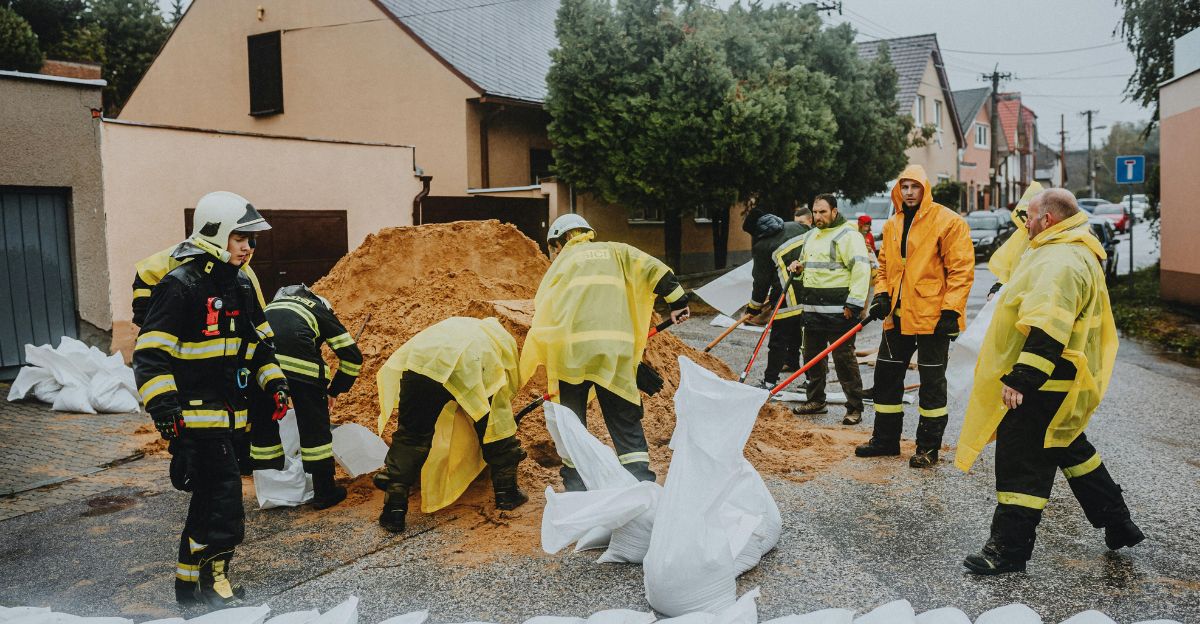
In response to the ongoing threat, local and state governments have activated their emergency operation centers. FEMA has pre-positioned resources in anticipation of the storm’s impacts, and the National Weather Service is providing real-time updates.
Local officials are coordinating efforts to ensure that shelters, sandbag stations, and evacuation routes are prepared.
They are also urging residents to stay informed about potential evacuation orders and to adhere to official advice to stay safe during the storm’s peak.
Economic Impact and Recovery
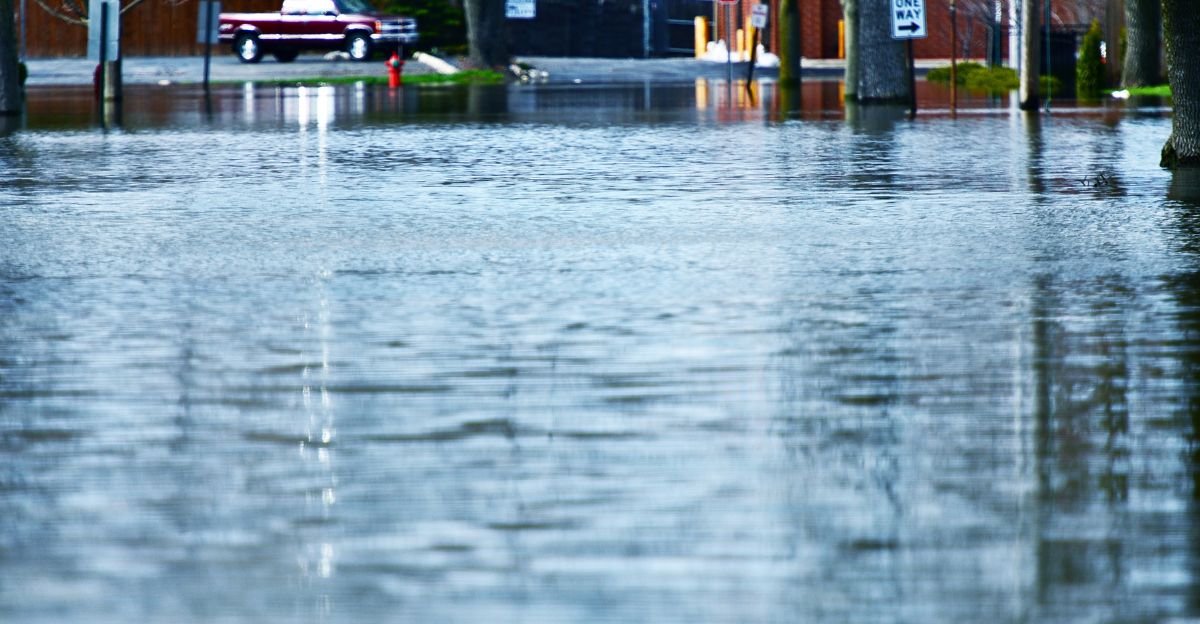
The Pacific Northwest is facing substantial economic losses due to the ongoing storms. Flooding and wind damage could result in millions of dollars in repair costs, with infrastructure such as roads, bridges, and power lines sustaining significant damage.
The disruption of transportation networks could lead to higher prices for goods and delays in shipments, impacting consumers and businesses alike. Local governments may face budget strain as they allocate resources for recovery efforts, while insurers prepare for a surge in claims.
Health and Safety Risks Beyond Flooding
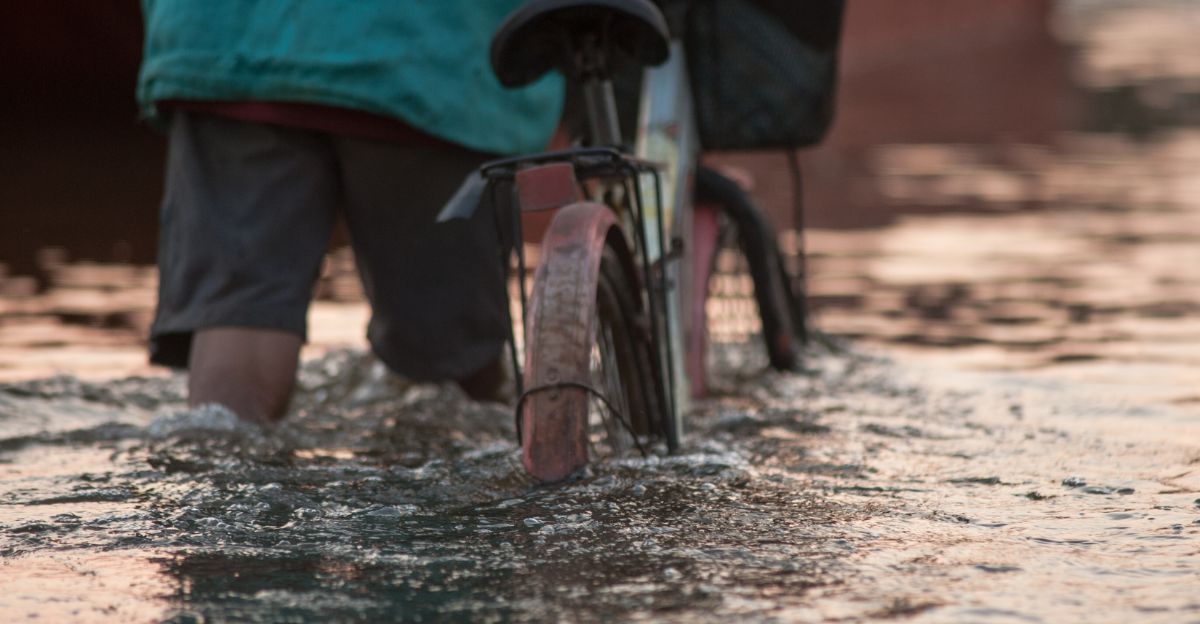
In addition to the immediate flood risks, residents are also facing health hazards related to waterborne diseases, mold growth, and injuries from debris. Public health agencies are warning of the potential for illness in the aftermath of the storm.
Prolonged exposure to wet conditions can lead to respiratory issues, while standing water presents a breeding ground for harmful bacteria.
Mental health experts are also addressing the anxiety caused by the ongoing storm, encouraging residents to reach out for support during this stressful time.
The Role of Climate Change
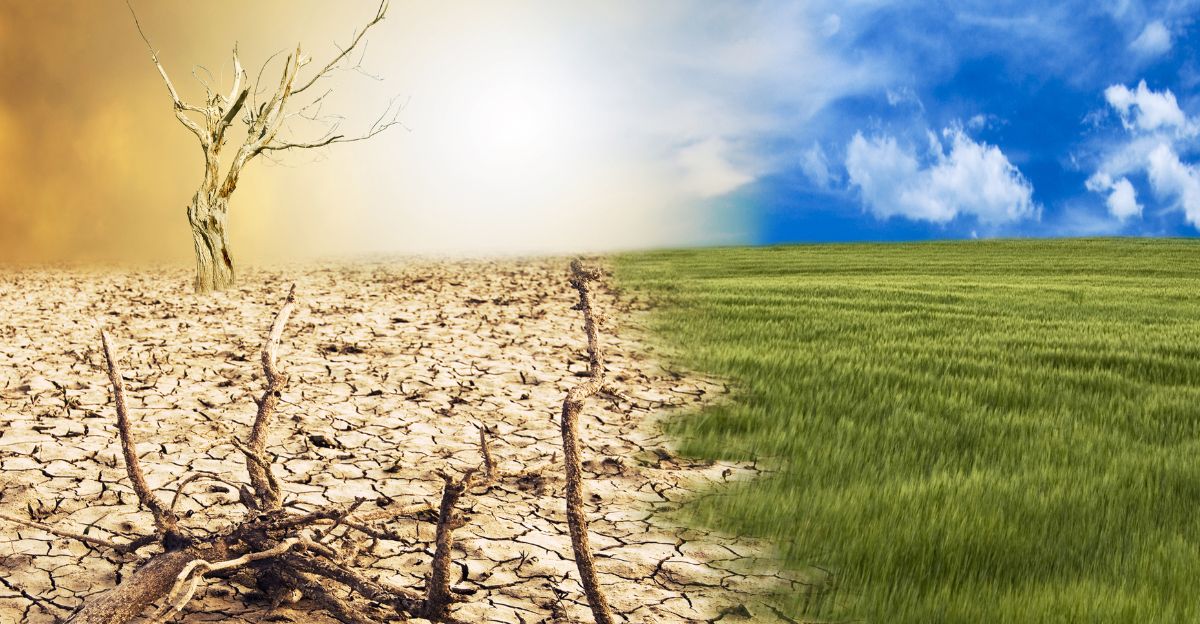
Climate scientists are examining the recent pattern of clustered atmospheric rivers, suggesting that such events may be becoming more frequent due to climate change.
Rising ocean temperatures and atmospheric shifts could be influencing the frequency and intensity of these storms.
Experts argue that these events will continue to challenge the Pacific Northwest’s infrastructure, calling for long-term planning to adapt to a new reality of more extreme weather events. This could change how cities and communities prepare for future storms.
Global Attention on the Pacific Northwest’s Crisis
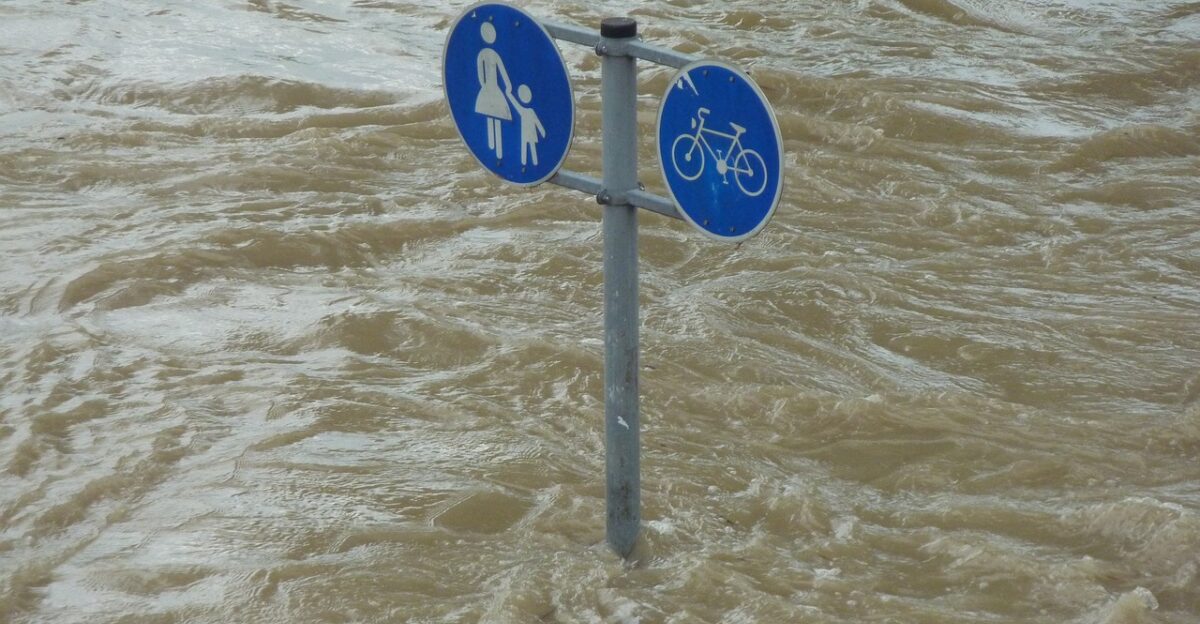
The severity of this event has attracted attention from media outlets worldwide. As the Pacific Northwest faces down this unprecedented series of storms, experts and aid organizations from across the globe are monitoring the situation closely.
The U.S. government is facing scrutiny for its disaster preparedness efforts, while international humanitarian groups are standing by to assist if needed.
This storm underscores the global challenges of managing extreme weather in the context of climate change and infrastructure vulnerability.
Sectors Adapting to the Crisis

The ongoing storm has created new opportunities for some sectors, particularly tech and construction. Weather-tracking apps are in high demand as residents and businesses look to stay informed about the storm’s progress.
In the construction industry, companies that specialize in flood defenses are seeing increased interest in their services, as property owners take steps to protect their homes and businesses. This has also spurred investment in more resilient infrastructure to minimize the impact of future storms.
Financial Market Reactions
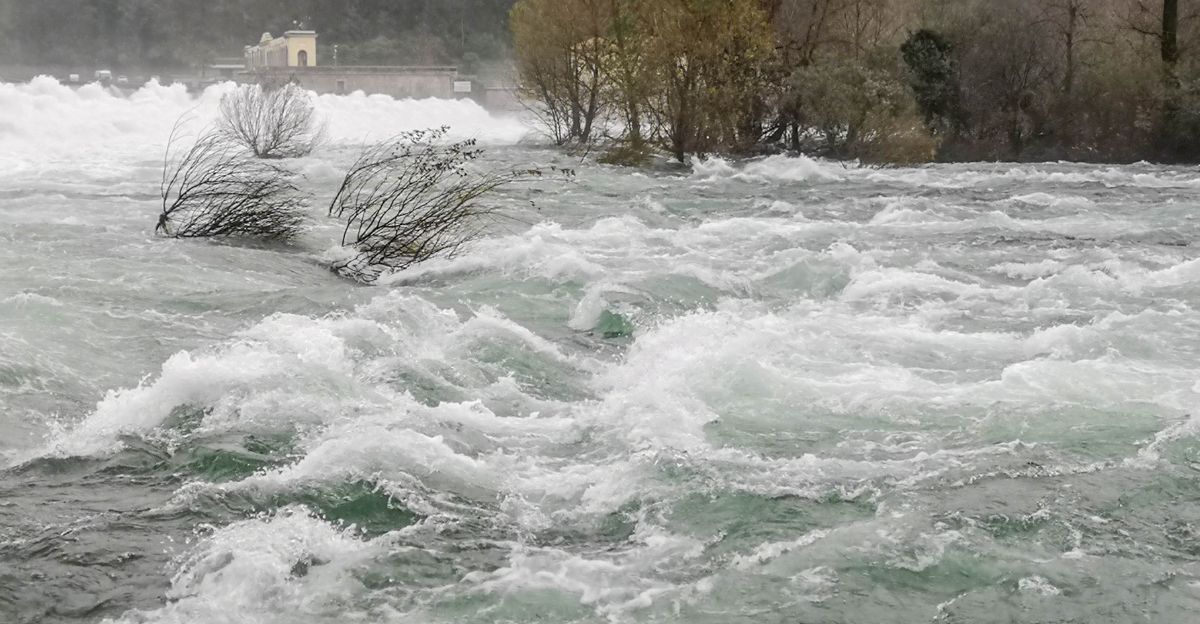
The ongoing storms are causing significant fluctuations in financial markets, particularly in industries related to insurance, utilities, and energy. Analysts are warning that there could be long-term market volatility, especially as the full extent of the storm’s damage becomes clear.
For consumers, experts advise reviewing their insurance coverage, stocking up on emergency supplies, and following local weather alerts.
Residents should also be prepared for potential disruptions in daily services and take steps to ensure their safety as the storm progresses.
Long-Term Recovery and Future Storms
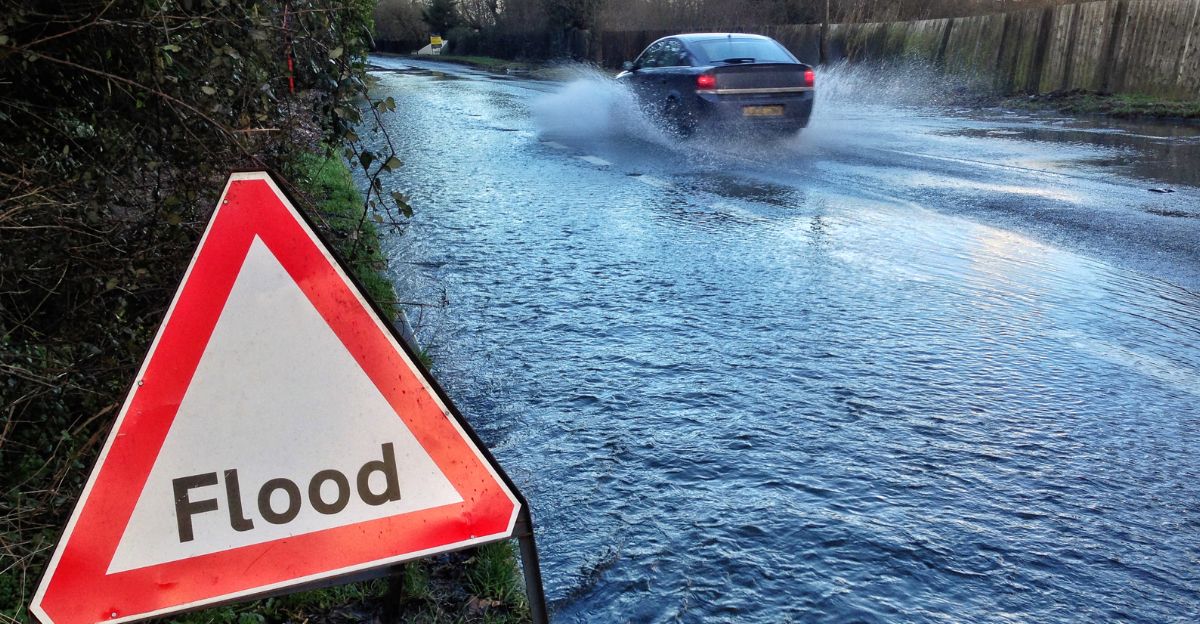
As the storms subside, the region will begin the recovery process. However, experts warn that the Pacific Northwest may continue to face severe weather in the coming years, especially if the trend of intensified atmospheric rivers continues.
Preparing for future storms will require significant investment in resilient infrastructure and updated emergency response systems.
The impact of this storm is likely to prompt a reevaluation of disaster preparedness strategies across the region, ensuring better protection for communities and businesses in the future.