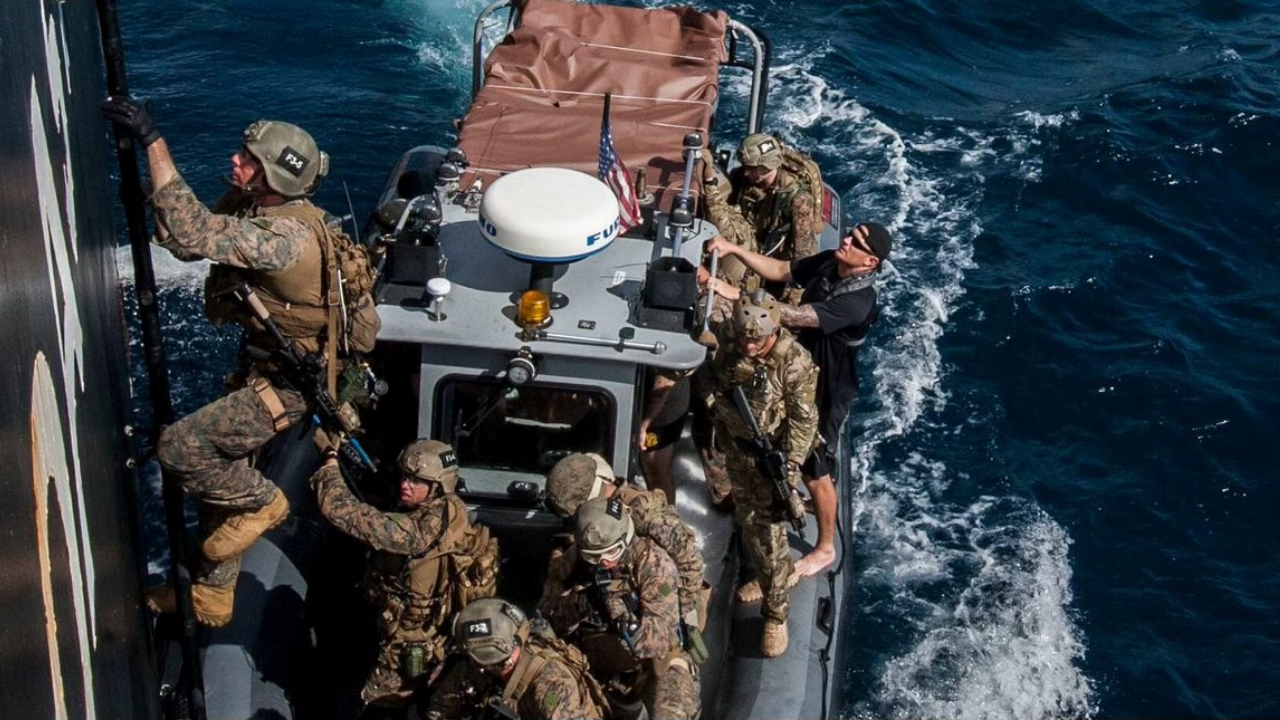
The Caribbean Sea has become a tense arena where U.S. naval power collides with Venezuela’s oil lifeline. On December 16, 2025, President Trump announced a total and complete blockade against Venezuela, leading U.S. forces to intercept tankers carrying Venezuelan crude and intensifying a standoff with global implications.
Naval Buildup Accelerates
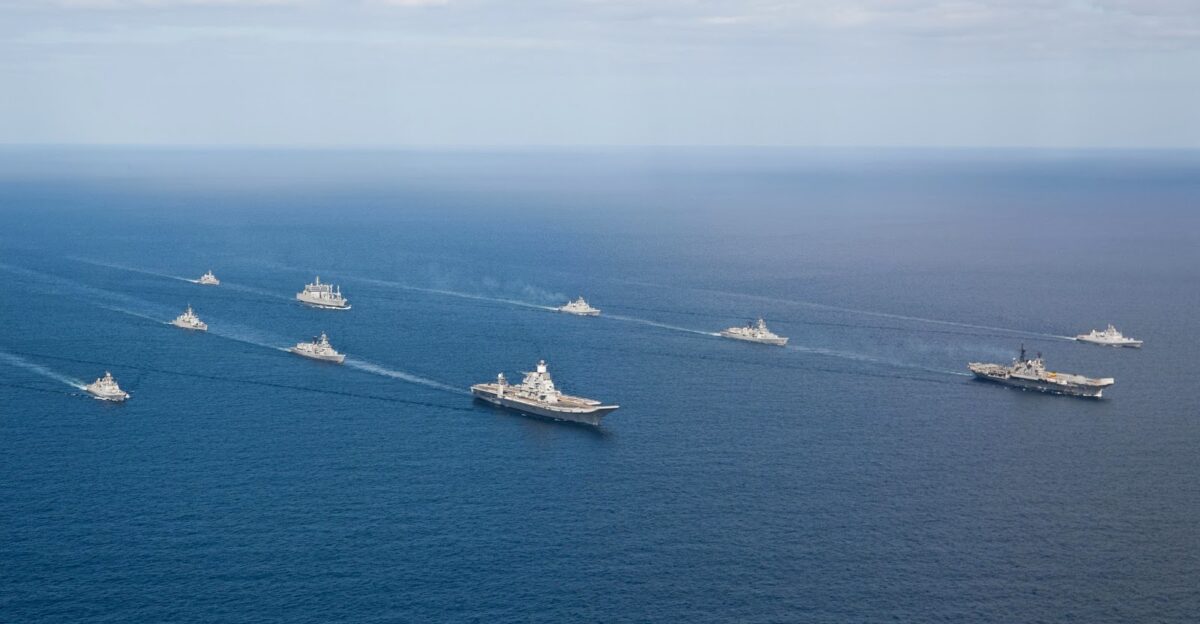
U.S. warships, including the nuclear aircraft carrier USS Gerald R. Ford, have gathered in Caribbean waters, backed by 11 vessels and about 15,000 personnel. The buildup accelerated since August 2025. Venezuelan President Nicolás Maduro called it preparation for war. China, Venezuela’s top oil buyer, labeled the blockade a violation of international law.
Venezuela’s Oil Crisis Deepens
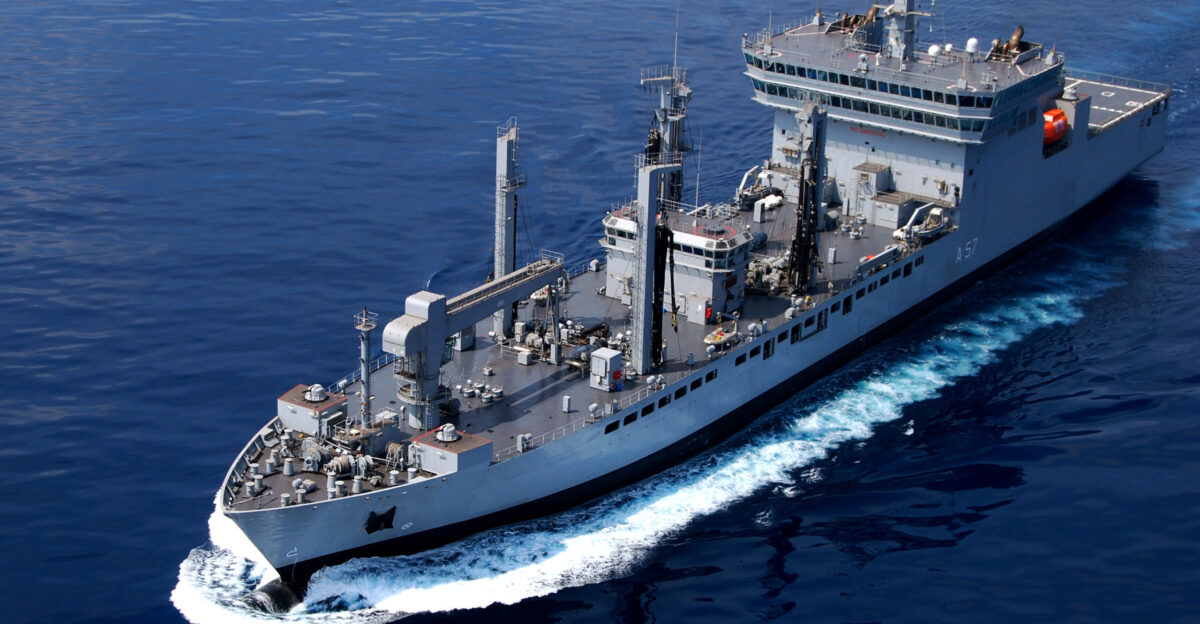
Venezuela possesses the world’s largest proven crude reserves, exceeding 300 billion barrels. Yet production has fallen from 3 million barrels per day in 2011 to under 900,000 barrels per day in 2025. Oil accounts for 90 percent of export earnings. Sanctions, aging infrastructure, and capital flight have devastated the sector. The U.S. interdictions now target illicit shipments to Asia, Venezuela’s remaining revenue source.
The Shadow Fleet Expands
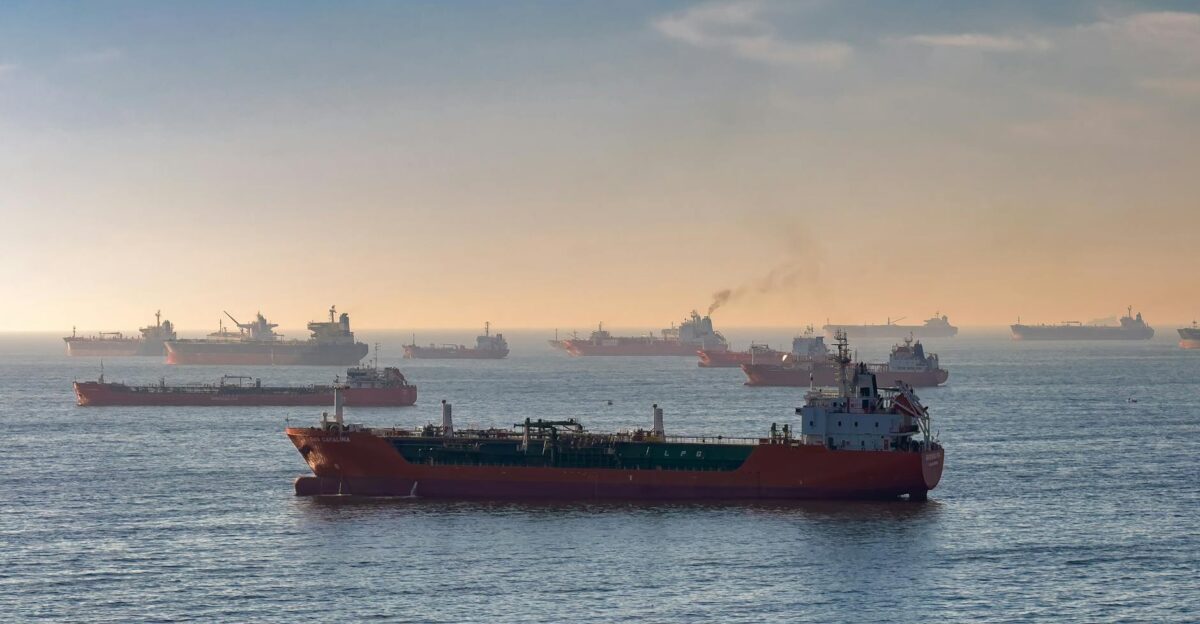
Over 70 tankers linger in Venezuelan waters, using tactics like disabling GPS, false flags, and hidden ownership to evade detection. About 38 face U.S. sanctions, with at least 15 loaded with crude or fuel for export. This shadow fleet sustains PDVSA, Venezuela’s state oil company, by supplying independent Chinese refiners despite restrictions since 2019.
Key Tanker Seizures Unfold
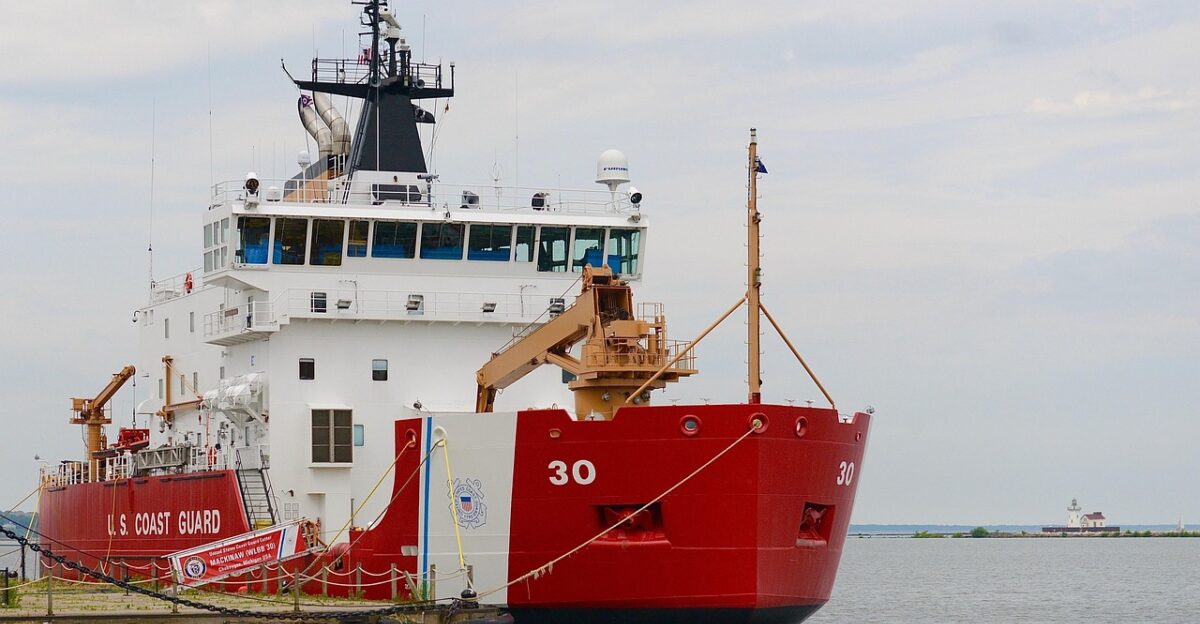
On December 20, 2025, the U.S. Coast Guard seized the Panama-flagged tanker Centuries in international waters. It carried 1.8 million barrels of Venezuelan Merey crude bound for China. A helicopter team boarded the vessel, marking the second major capture in ten days after the Skipper. U.S. forces continue pursuing the Bella 1.
Global Reactions Escalate
Venezuela’s Foreign Ministry denounced the Centuries seizure as international piracy and theft. Officials noted the tanker was not sanctioned at the time, operating outside Venezuela’s economic zone. Maduro vowed retaliation without details. China called it a serious breach of international law, threatening navigation freedom. The vessel, owned by a Hong Kong firm, underscores strains in U.S.-China ties over Latin American energy.
This confrontation highlights a sanctions paradox. Homeland Security Secretary Kristi Noem stated seized oil funds narco-terrorism. U.S. officials argue the cargo, not the ship, violates sanctions. Legal experts see this as stretching policy boundaries, potentially setting risky precedents in maritime law.
China has deepened ties with Venezuela in response, possibly boosting oil investments. Analysts warn of oil price volatility from supply disruptions, affecting global markets. Venezuela’s oil workers face job losses as PDVSA falters under austerity and blockades. Businesses hesitate to invest amid legal uncertainties.
Neighboring Latin American nations watch warily, balancing alignments amid shifting alliances. The U.S. presence bolsters its Caribbean foothold, while Venezuela leans on partners like China.
As interdictions persist, the blockade risks broader economic fallout, humanitarian strains in Venezuela, and realignments in energy geopolitics. With major powers entrenched, diplomatic paths remain narrow, but the outcome will influence oil flows, regional stability, and rules of international commerce for years ahead.
Sources:
CNN – Trump orders ‘total and complete blockade’ of sanctioned oil tankers near Venezuela
New York Times – U.S. Coast Guard Boards Tanker Carrying Venezuelan Oil
Reuters – US Intercepts Another Vessel Near Venezuela, Officials Say
CNBC – How U.S. Oil Tanker Seizures Targeting Venezuela Impact China, Global Markets
International Energy Agency – Oil Market Report, December 2025