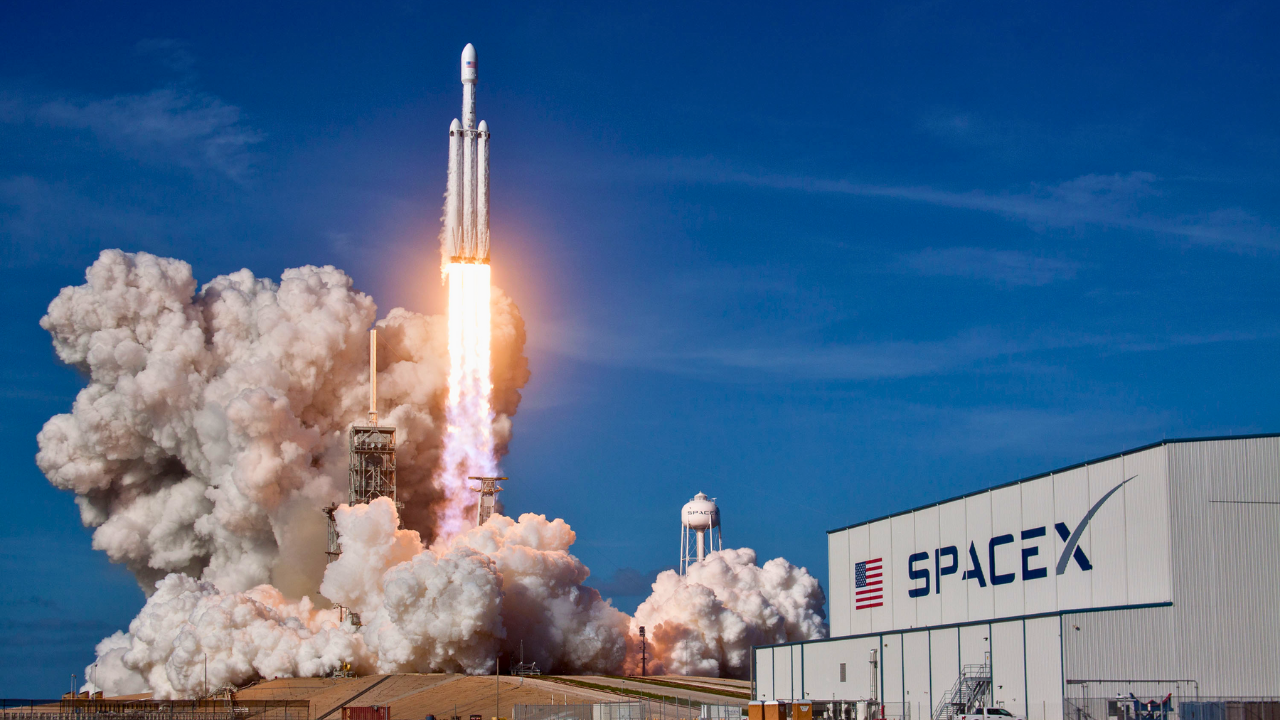
A Canadian astronomer’s chance discovery in late 2025 has exposed a secret U.S. satellite network operating in violation of international radio rules, raising urgent questions about space governance, interference risks, and the future of satellite mega-constellations.
Uncovering a Hidden Constellation
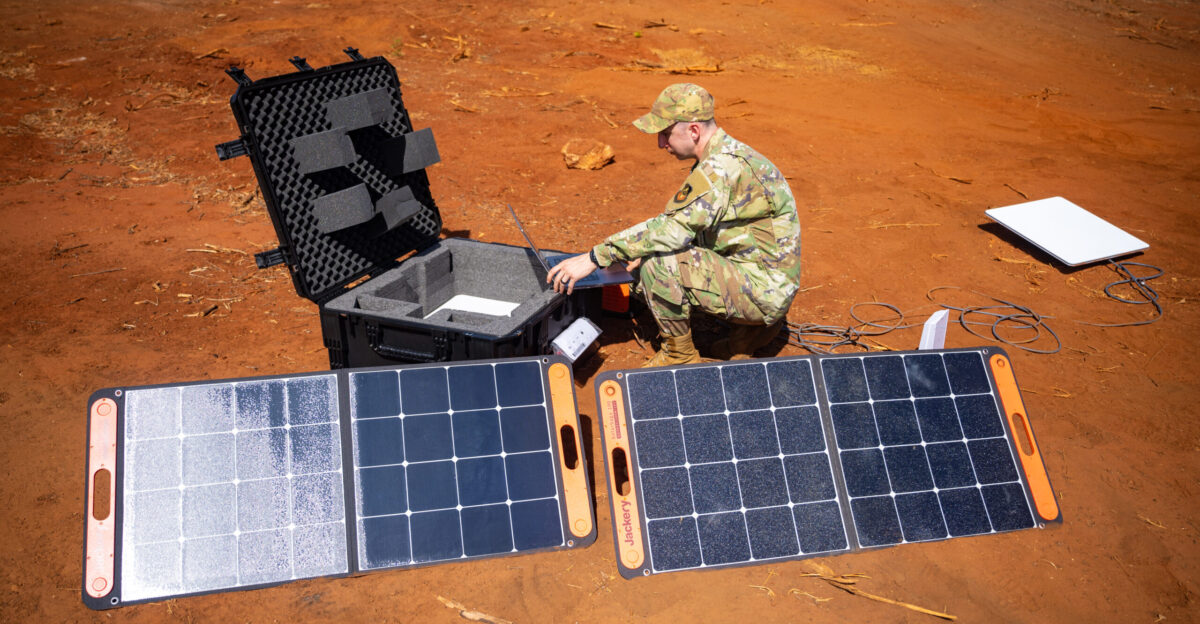
In October 2025, amateur astronomer Scott Tilley detected powerful, unexplained radio signals while scanning the skies from British Columbia. By cross-referencing his data with global satellite trackers, Tilley traced the transmissions to nearly 170 satellites belonging to Starshield—a classified U.S. government constellation built by SpaceX. These satellites, launched under a $1.8 billion contract with the National Reconnaissance Office (NRO), were found broadcasting on frequencies reserved for ground-to-space communications, not satellite downlinks.
Starshield was announced by SpaceX in December 2022 as a national security extension of SpaceX’s commercial Starlink network, though operational details remained classified. Unlike Starlink, which provides civilian internet access, Starshield is designed for Earth observation, secure communications, and hosting national security-related payloads, supporting U.S. intelligence agencies with rapid, global data delivery.
A Regulatory Breach in Orbit
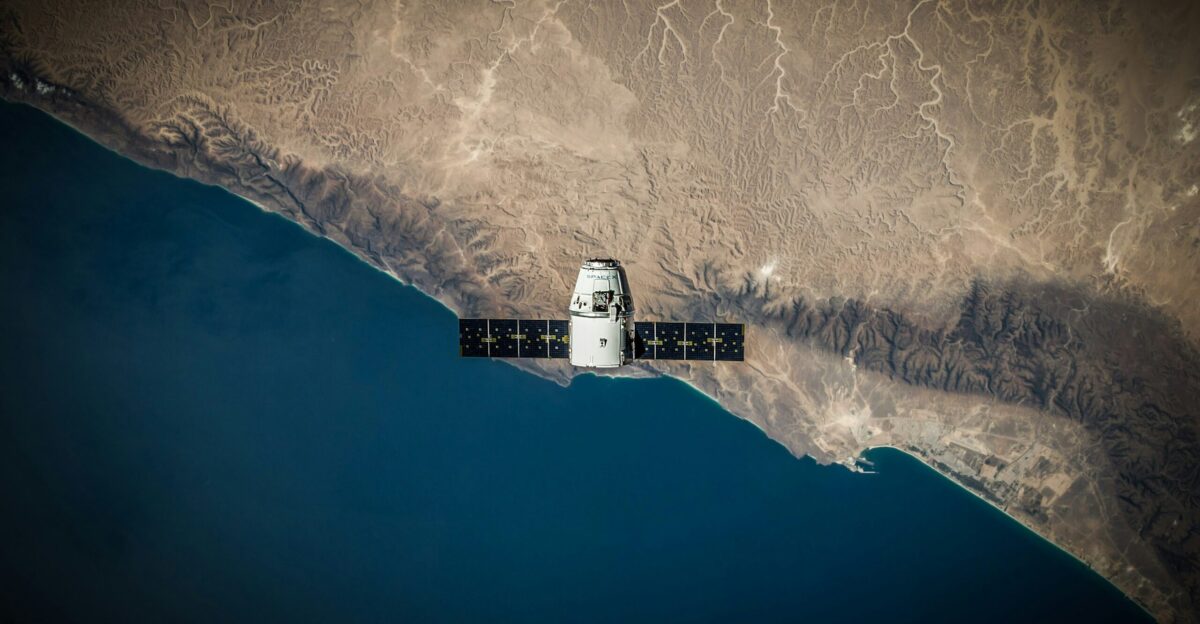
The heart of the controversy lies in Starshield’s use of the 2025-2110 MHz S-band frequency. Internationally, this spectrum is allocated for uplink transmissions—signals sent from Earth to satellites. Tilley’s measurements revealed that Starshield was using it in the opposite direction, sending strong downlink signals to ground stations. These emissions, up to 9 MHz wide and significantly stronger than background noise, risk interfering with critical operations by NASA, NOAA, and other civilian and commercial satellite users.
In the United States, this frequency band is vital for satellite command, weather monitoring, and even live television broadcasts. The National Telecommunications and Information Administration confirms that primary command and control for U.S. civil space programs depend on this spectrum. Experts warn that interference from Starshield could disrupt communications with other satellites, potentially causing operational failures or loss of control.
No Record of International Coordination
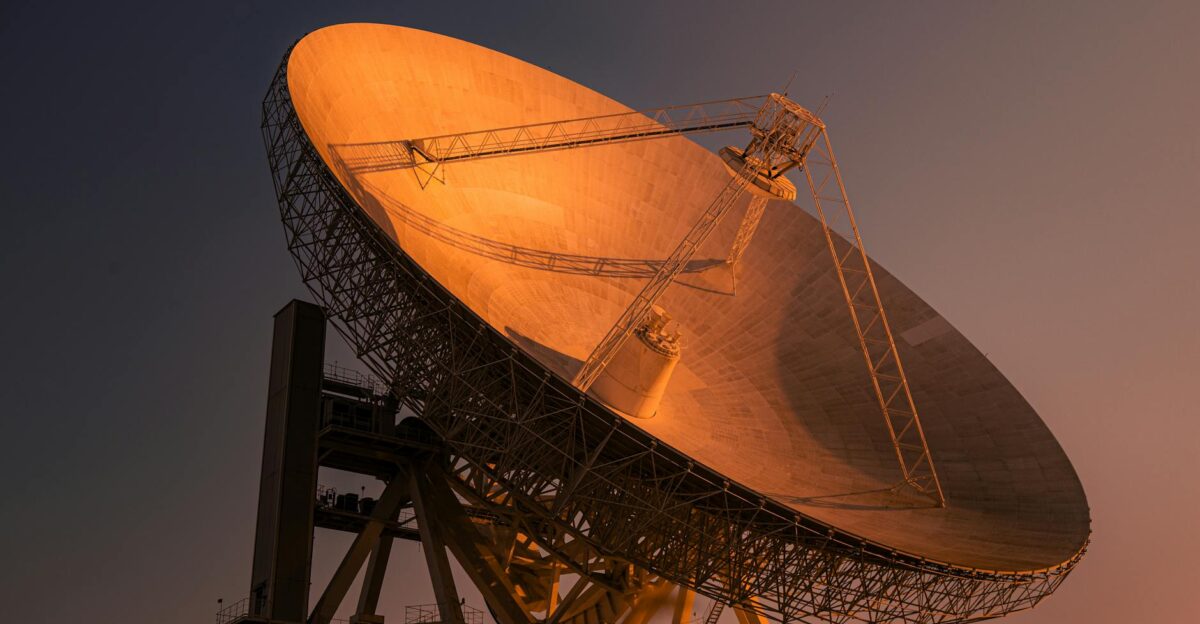
Tilley’s investigation found no evidence that Starshield’s unconventional spectrum use had been coordinated with the International Telecommunication Union (ITU), the global body responsible for managing radio frequencies and satellite orbits. The Canadian Space Agency also confirmed that no coordination process had been initiated with either the ITU or U.S. authorities. This lack of transparency is unusual, even for classified military systems, and raises concerns among regulators and scientists worldwide.
The absence of public filings means other nations cannot assess or mitigate potential interference. According to ITU rules, unauthorized use of spectrum must operate on a “non-interference basis” and cannot claim protection from interference by others. However, without disclosure, it is impossible for affected parties to respond or seek remedies.
Motivations and Strategic Shifts

Why would SpaceX and the NRO risk using a frequency band in such a controversial way? Some experts suggest the choice was deliberate, making Starshield’s transmissions harder for adversaries to detect or jam by hiding them in an unexpected part of the spectrum. Others believe SpaceX may have prioritized rapid deployment, planning to resolve regulatory issues after the fact.
Starshield is part of the NRO’s “proliferated architecture” strategy, which replaces a handful of large, expensive satellites with hundreds of smaller, agile spacecraft. This approach promises near-real-time intelligence and greater resilience against attack or malfunction. Since 2024, the NRO has launched multiple Starshield missions, with dozens more planned through 2028. Managing such a vast network requires automation and new operational models, as traditional satellite control methods cannot scale to hundreds of spacecraft.
Broader Impacts and Growing Tensions
The Starshield case highlights a broader challenge as satellite mega-constellations multiply. Astronomers have already raised alarms about unintended radio emissions from commercial Starlink satellites, which interfere with sensitive radio telescopes. SpaceX has coordinated with the U.S. National Science Foundation and radio astronomy observatories to mitigate impacts, including developing a system that redirects Starlink satellite beams away from sensitive antennas during scheduled observations.
With tens of thousands of satellites expected in orbit by decade’s end, the risk of radio interference and regulatory gaps is growing. The ITU’s current frameworks focus on intentional transmissions, leaving loopholes for both classified and commercial operators. As national security, commercial interests, and scientific research increasingly collide in space, the need for transparent coordination and updated international rules becomes ever more urgent.
The Starshield revelations underscore the stakes: without clear governance and cooperation, the promise of space-based innovation could be undermined by interference, mistrust, and escalating competition. As launches continue and networks expand, the world faces a pivotal test in balancing security, commerce, and the shared scientific frontier.