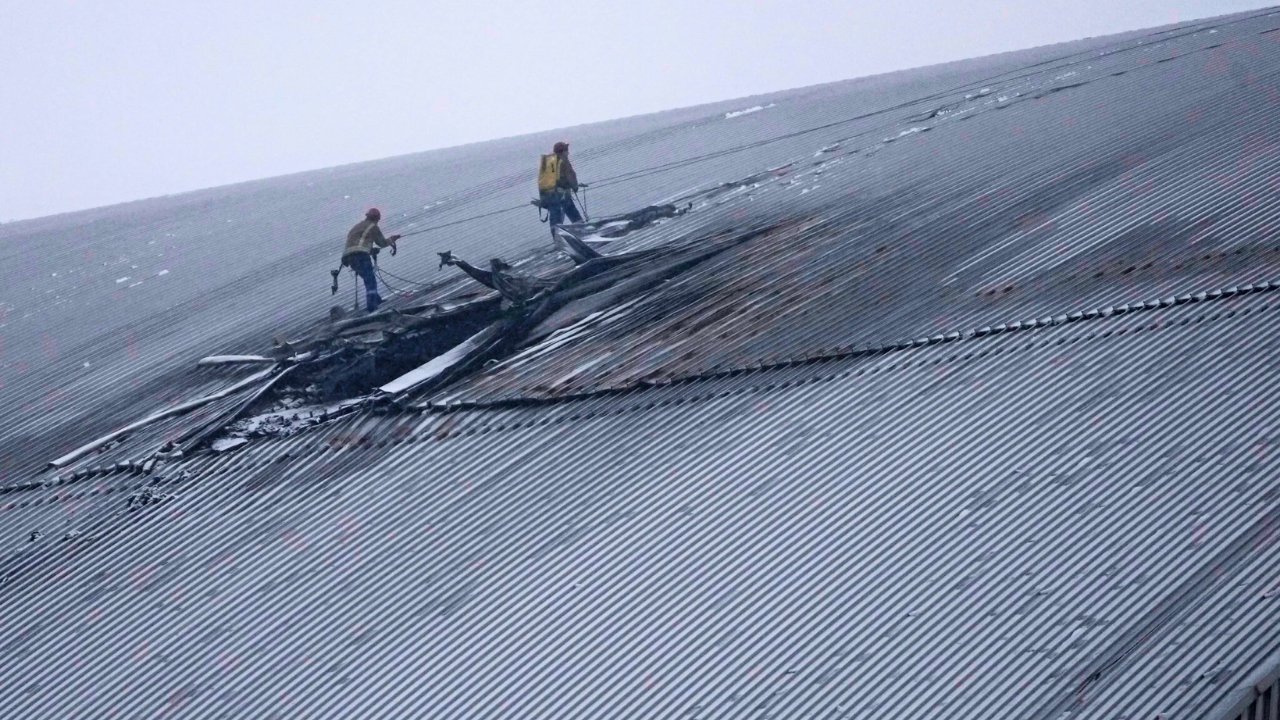
A massive explosion tore through the protective shield over Chernobyl’s Reactor 4 on February 14, 2025, when a drone strike pierced the structure meant to seal in the site’s radioactive legacy. Flames burst from the breached steel cladding, exposing remnants of the 1986 disaster to the open air and raising fears about long-term containment in one of the world’s most hazardous zones.
The Nature of the Attack

A Shahed-type drone, carrying a high-explosive warhead, struck the New Safe Confinement at a height of 87 meters. The blast penetrated both outer and inner layers, igniting a significant fire. The International Atomic Energy Agency (IAEA) stressed that urgent restoration was essential to halt further deterioration, as the damaged shield could no longer securely hold radioactive materials.
Some 2.6 million people reside within 100 kilometers of the site. Radiation levels stayed normal and stable post-strike, posing no short-term release risk. Experts minimized immediate threats but flagged the compromised long-term enclosure as a growing worry.
Ukrainian firefighters doused the initial flames swiftly, though the roof smoldered for weeks. Teams used precise water injections and constant surveillance to control the damage. Engineers continue repairs to safeguard the structure and reinstate its protective role.
The Shield’s Costly Purpose
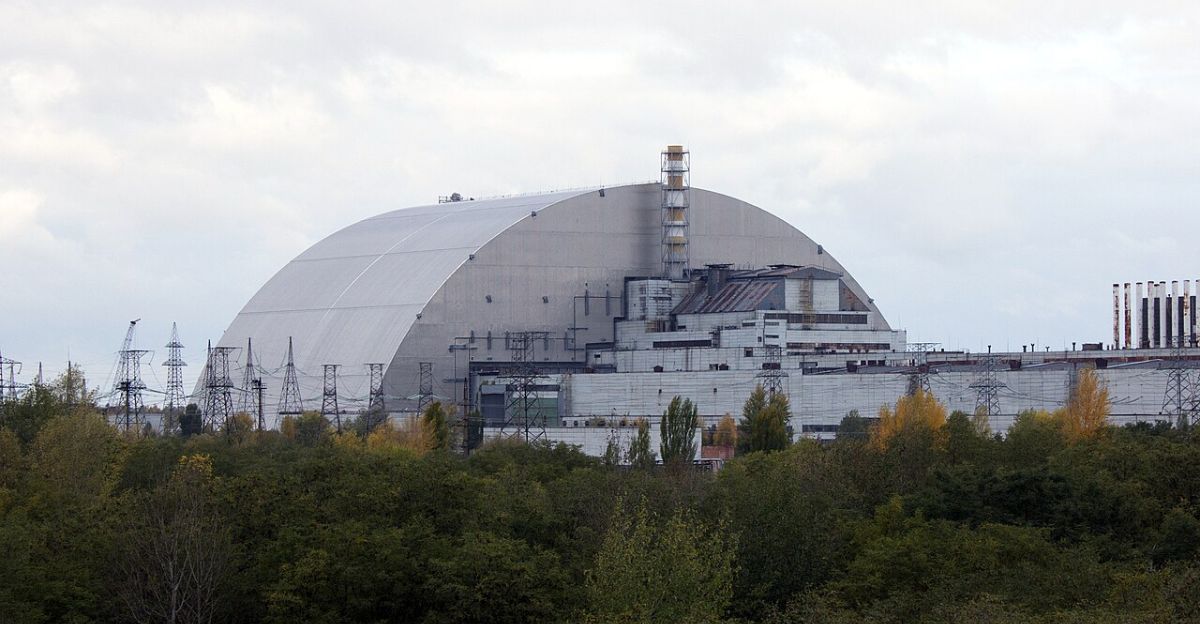
Built for €1.5 billion, the New Safe Confinement encases the crumbling 1986 sarcophagus, which shelters highly radioactive fuel and debris. Intended to last a century, it now faces potential major fixes or outright replacement due to the strike’s impact.
Ukrainian estimates in May 2025 pegged repair costs above €100 million, straining limited budgets. France and other partners offered aid, yet shortfalls persist, potentially slowing decommissioning and reshaping regional plans. President Zelenskyy decried the hit as a war crime showing disregard for safety, while Russia rejected involvement, claiming Ukraine staged it for leverage. No party received blame from the IAEA, which demands firm proof amid the 2022 invasion’s tensions.
Lead engineer Artem Siriy noted severe roof and wall damage, rendering the shelter ineffective. Ukrainian workers, firefighters, and IAEA staff rotate shifts, managing fixes while respecting radiation limits. The attack fits a pattern targeting Ukraine’s energy grid; though Chernobyl generates no power, diversions hamper other nuclear and infrastructure work, hiking security expenses.
Environmental and Global Echoes
The 1986 meltdown spewed radioactive material across Europe, leaving 30 tons of dust and molten core under the shield. Current levels hold steady, but breach risks loom large. Greenpeace called it a grave conflict violation, eroding nuclear safeguards and exposing gaps in laws for war zones. The event dents faith in nuclear sites during strife, spurring debates on containment durability and energy policy.
By December 2025, the IAEA reported the shield had forfeited its main safety role, though key supports endured. Ukraine’s repair or rebuild efforts, amid war, will test global nuclear protocols and influence safeguards for vulnerable facilities worldwide.
Sources:
International Atomic Energy Agency (IAEA) Director General Statements on Nuclear Safety and Security in Ukraine (Feb–Dec 2025); IAEA Incident and Emergency Centre Updates
European Bank for Reconstruction and Development (EBRD) Chernobyl Shelter Fund Reports; European Commission Emergency Repair Funding Announcement (June 2025)
Greenpeace Ukraine Technical Analysis of UAV Strike on New Safe Confinement; Greenpeace International “Nuclear Safety in Conflict Zones” Briefing
State Agency of Ukraine on Exclusion Zone Management; Office of the President of Ukraine Official Statements (February 2025)