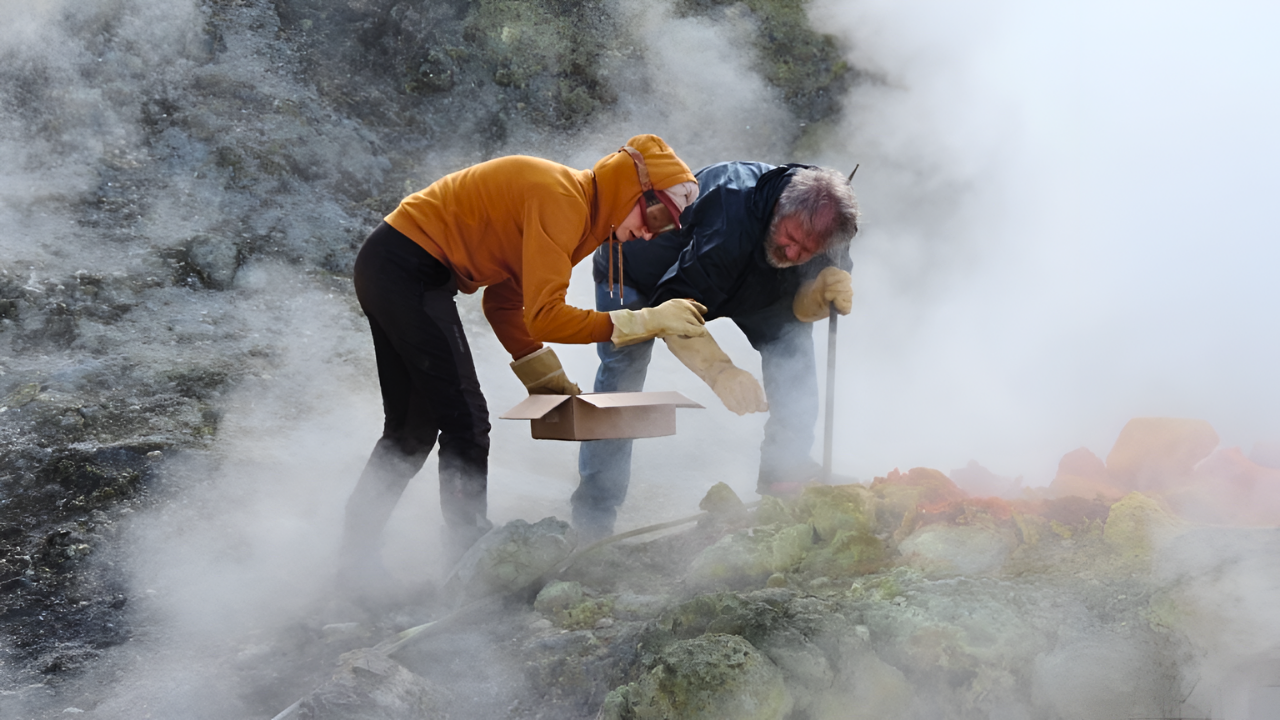
A wind-swept desert on the Oregon-Nevada border hides one of the largest lithium deposits ever discovered—worth up to $1.5 trillion.
Beneath this quiet, sun-bleached landscape lies a massive treasure trove of lithium, a critical metal for electric vehicles and energy storage. Geologists have only recently uncovered the full scale of this ancient supervolcano’s hidden bounty.
The discovery could change the global energy market, but with it comes fierce competition and controversy. How will the U.S. harness this resource without compromising the surrounding environment? The race to mine is already on.
The Trillion-Dollar Value
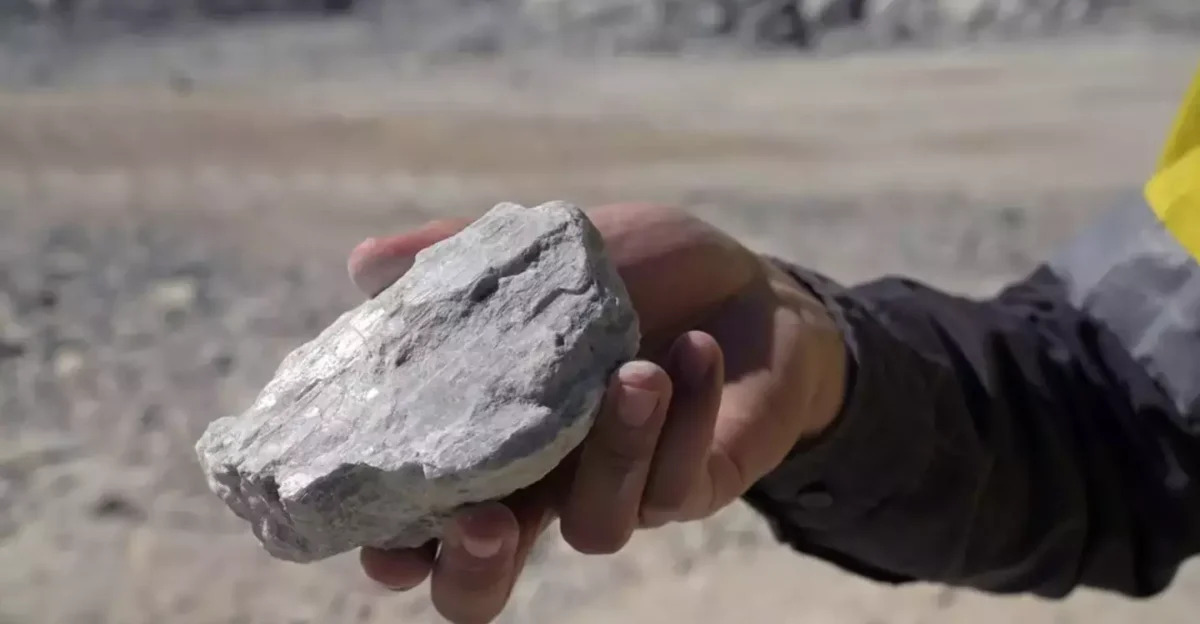
The estimated value of this lithium deposit could hit an astonishing $1.5 trillion—almost rivaling the GDP of some of the world’s largest economies.
This immense fortune could supply decades of lithium demand if mined effectively. With the push for electric vehicles ramping up, every dollar of this treasure could influence global energy dynamics for generations.
A Supervolcano’s Legacy
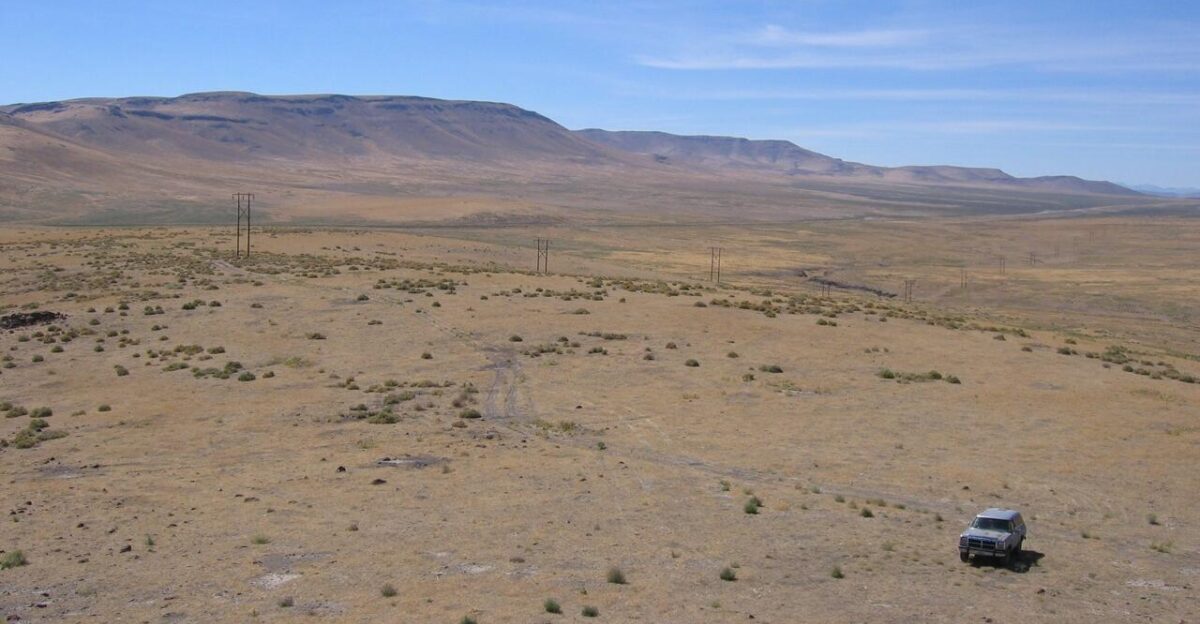
16.4 million years ago, a massive eruption left behind the McDermitt Caldera—a 616-square-mile volcanic crater in the high desert.
Today, this ancient structure has turned into an unlikely treasure trove, with its rich, lithium-bearing sediments potentially containing more lithium than any other known deposit on Earth.
Lithium in Claystone
Through volcanic activity and mineral-rich lakes, the McDermitt Caldera was transformed into a natural lithium factory.
Thick clay deposits, rich in lithium, sit just beneath the surface in some areas, making the extraction process potentially much easier than mining other types of lithium sources. This unexpected resource is a game-changer for the energy industry.
McDermitt’s Mother Lode
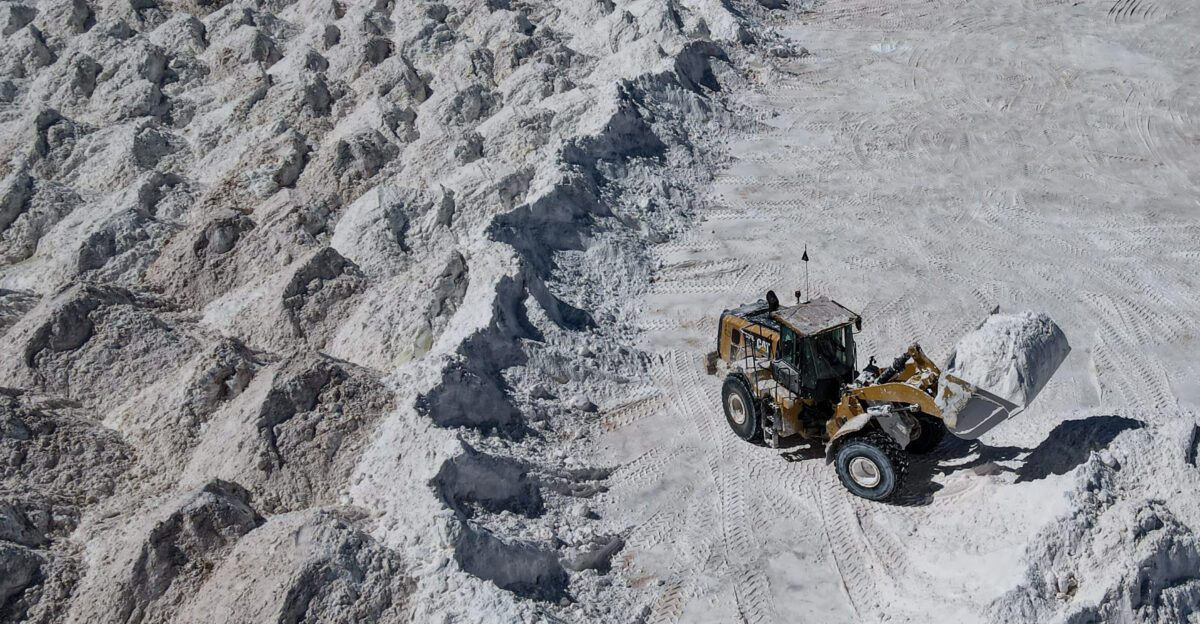
Recent estimates suggest that McDermitt’s lithium reserves could reach up to 40 million metric tons, potentially making it the largest known lithium deposit in the world.
Just one part of the basin, Nevada’s Thacker Pass, holds a staggering 13.7 million tons of lithium, enough to fuel the future of energy storage and electric vehicles.
The Rush for Resources
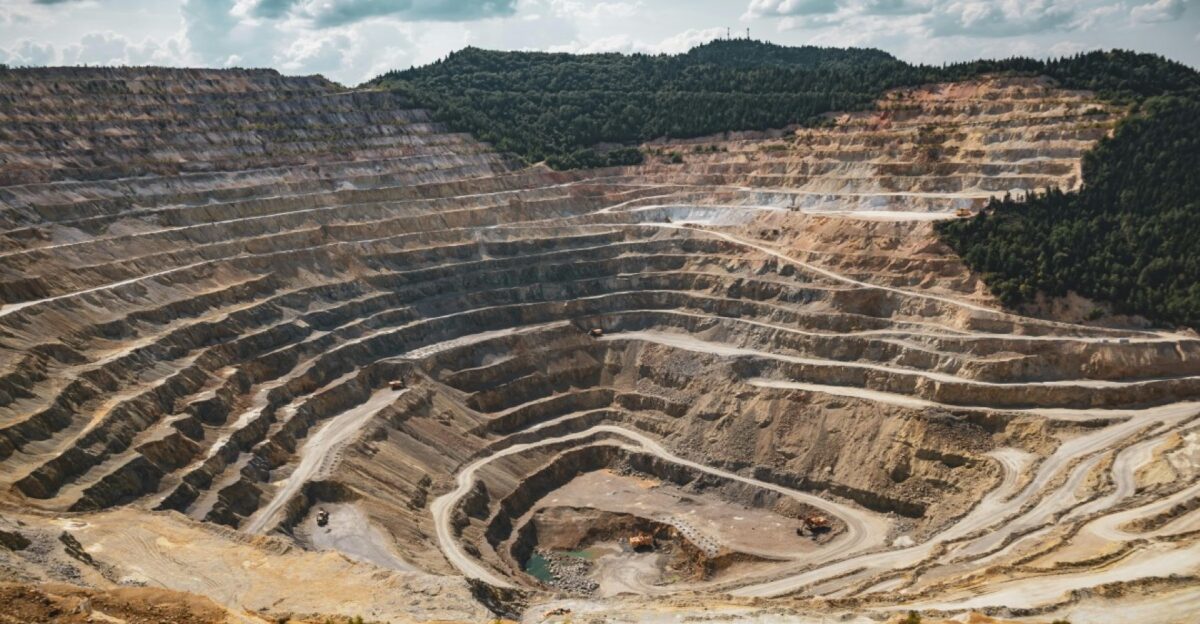
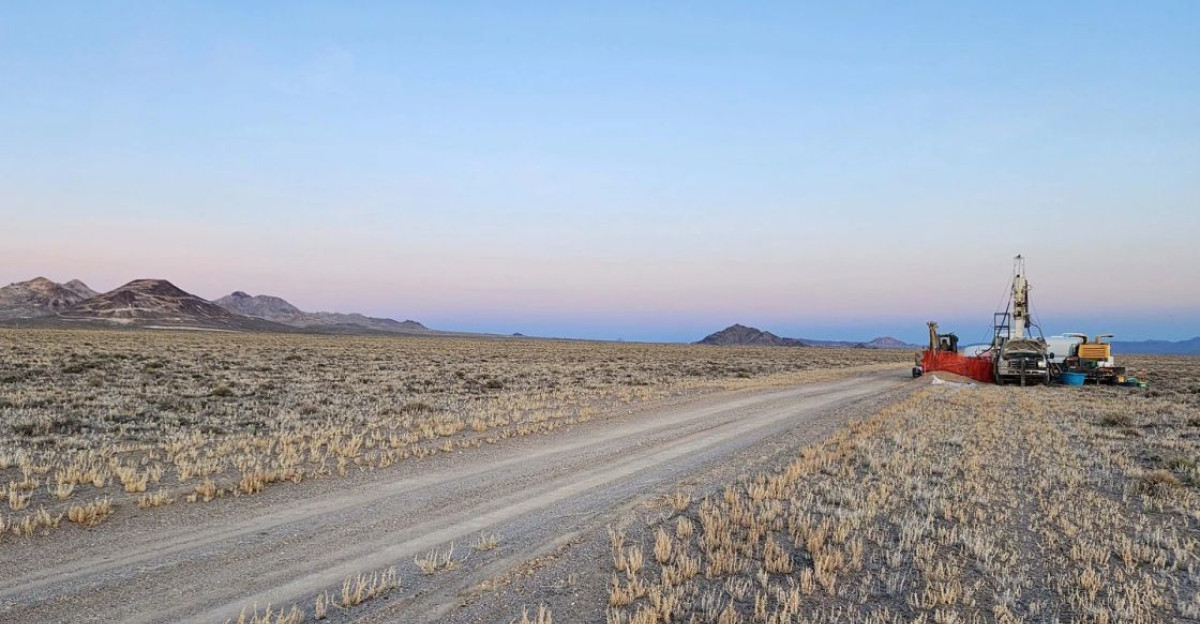
The race to exploit McDermitt’s lithium has already begun. Lithium Americas has broken ground on the Thacker Pass mine, while other companies like HiTech Minerals are exploring the Oregon side.
The potential for massive job creation and local economic growth is undeniable, but at what cost to the surrounding environment?
Local Concerns
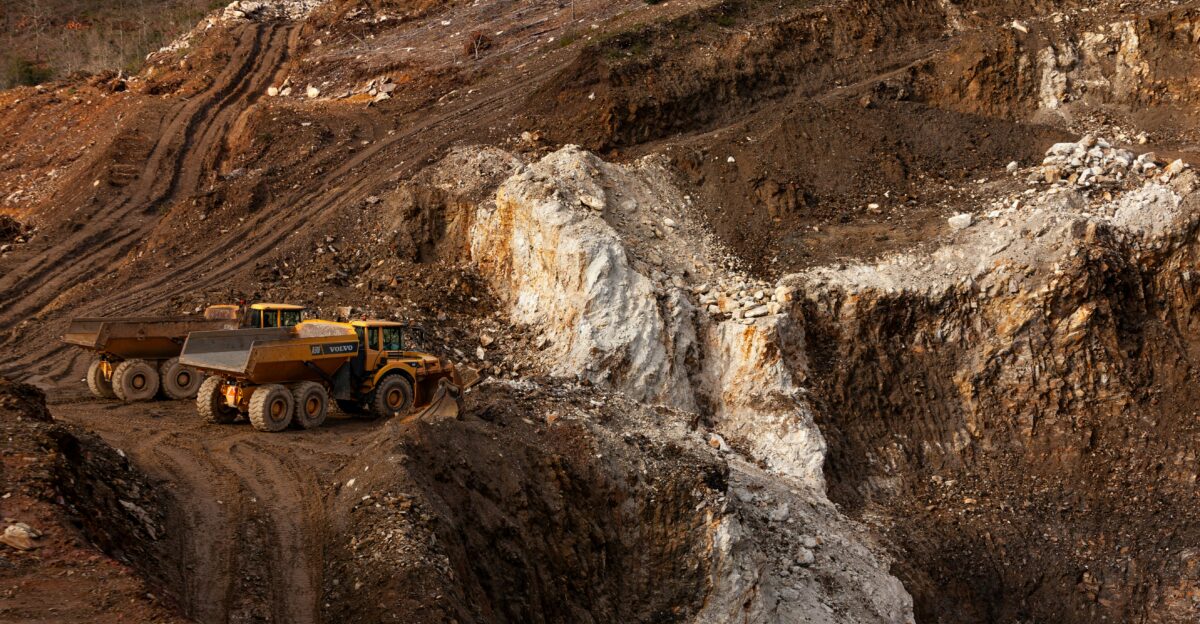
The lithium rush is not without its opponents. Local ranchers, Indigenous tribes, and conservationists are concerned about the environmental impacts of large-scale mining.
Vital spring grazing areas could be disrupted, and sacred tribal lands are threatened. With wildlife like sage-grouse and pronghorn at risk, the controversy over McDermitt’s future is heating up.
Environmental Fears
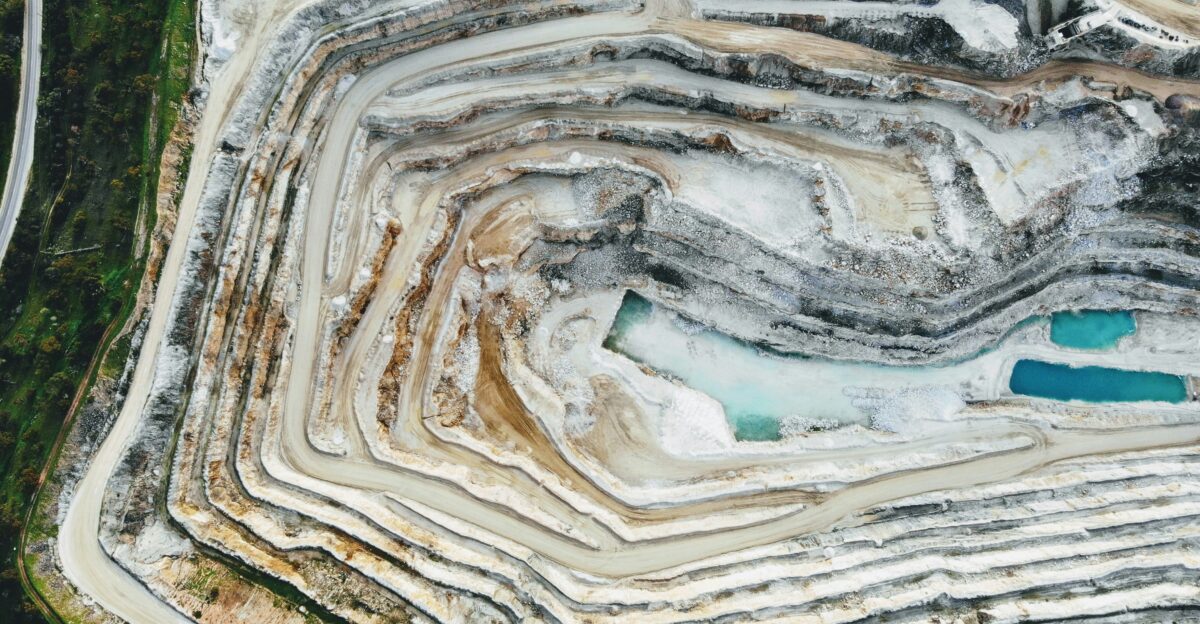
Lithium mining, particularly in arid regions like McDermitt, comes with serious environmental risks.
Around the world, lithium extraction has led to depleted water sources and environmental degradation. If mining here follows similar patterns, the fragile ecosystem of the high desert may be irrevocably altered.
A Global Shift in Supply
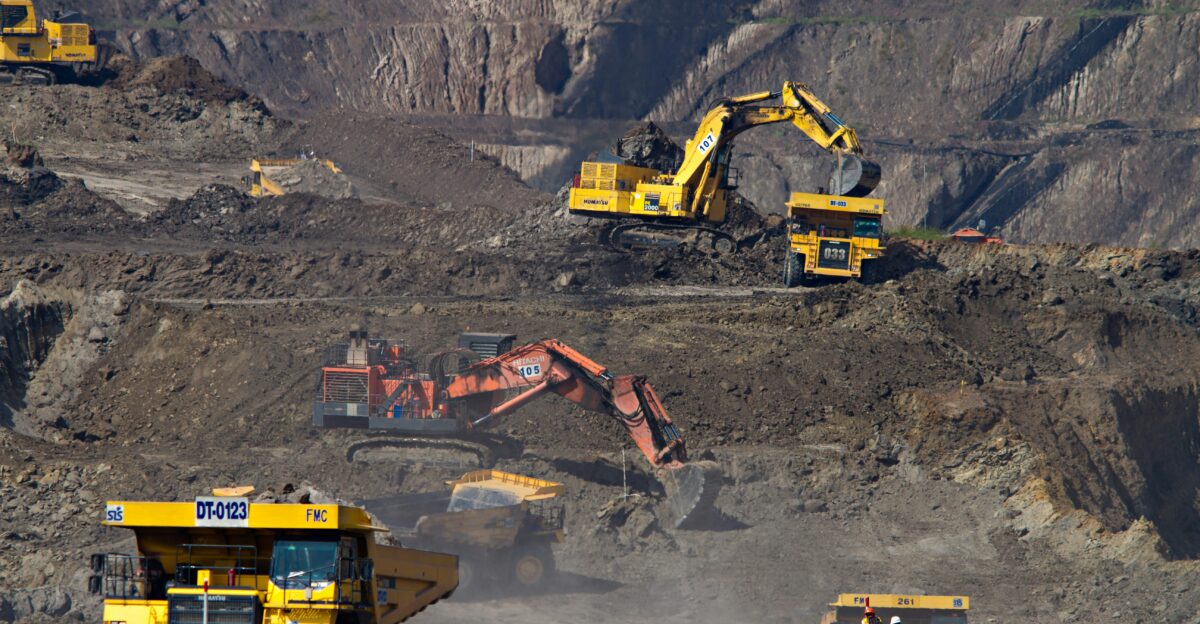
Lithium’s importance has skyrocketed with the rise of electric vehicles and renewable energy storage. With the U.S. now sitting on a vast lithium resource, the implications are enormous.
McDermitt could reduce America’s reliance on overseas lithium, shifting geopolitical power and potentially making the U.S. a dominant player in global energy production.
Biodiversity at Risk
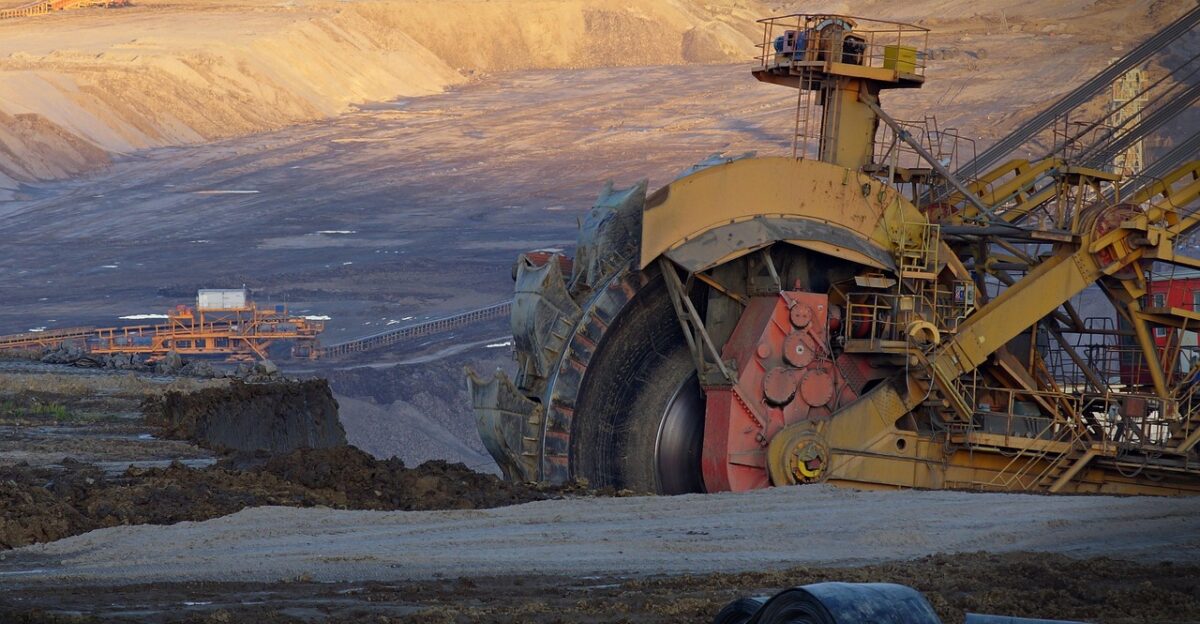
Conservationists fear that the mining operations in McDermitt could destroy critical habitats for species like the sage-grouse.
With populations already dwindling by 80%, the introduction of new infrastructure like roads and drill pads could push these animals closer to extinction, raising ethical questions about environmental trade-offs.
Government Scrutiny
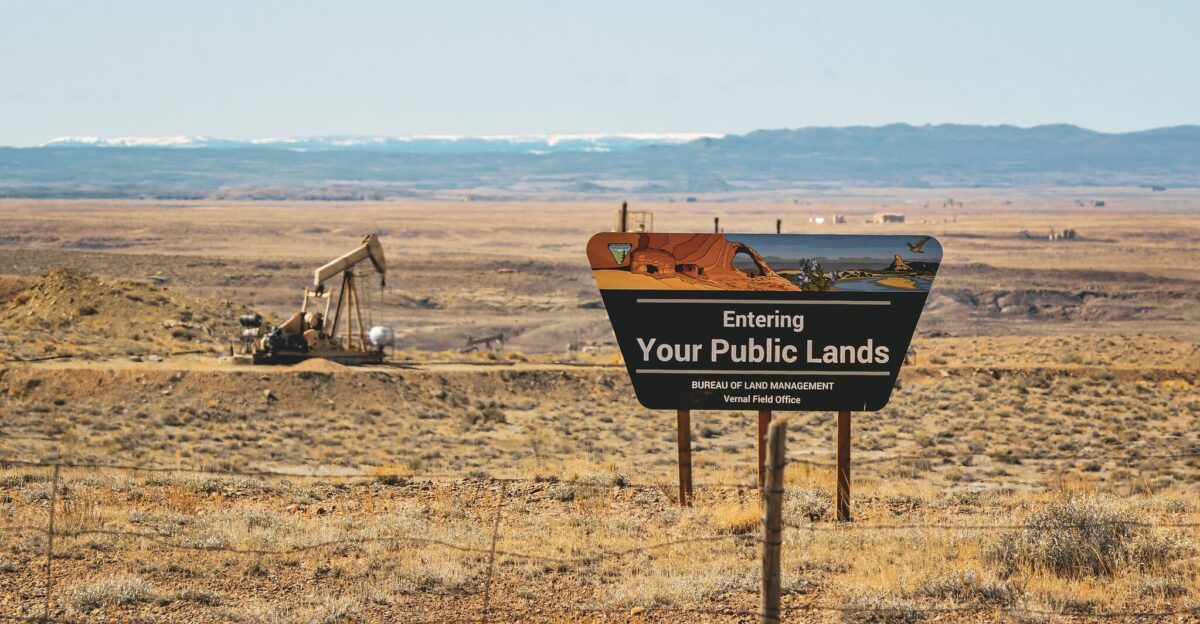
The Bureau of Land Management is facing growing scrutiny over the approval process for McDermitt’s exploration plans.
Critics argue that public comment windows have been too brief, leaving communities and environmental groups with little time to voice concerns. With increased pressure on the federal government, the pace of decision-making is intensifying.
Corporate Stakes
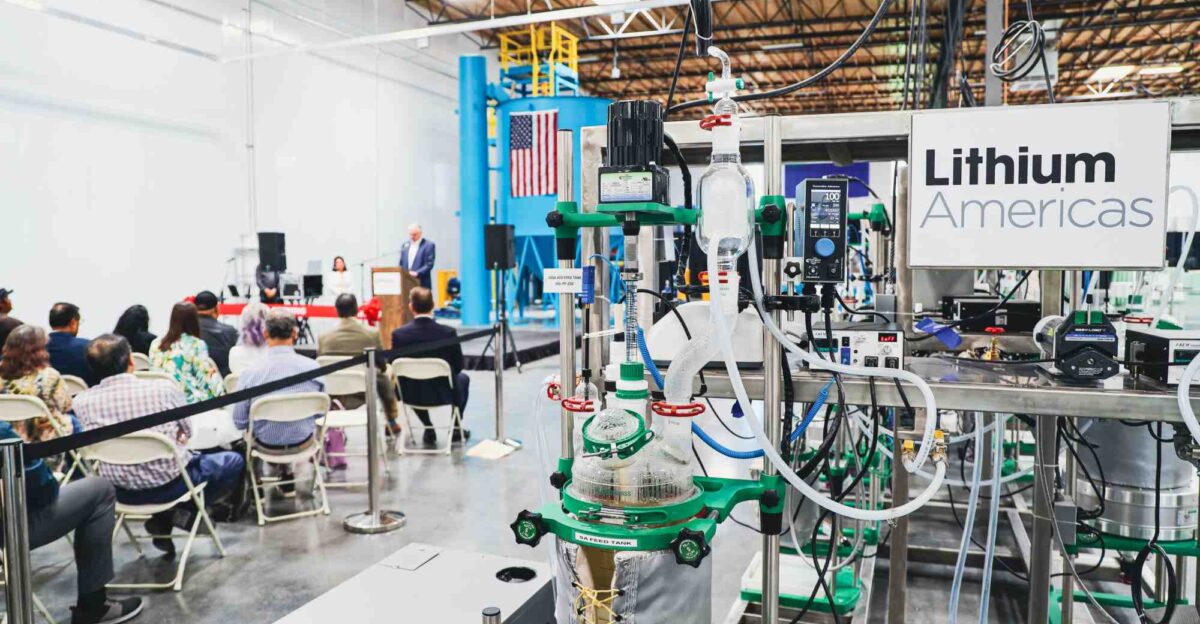
As companies like Lithium Americas and Jindalee Resources stake their claims, the economic stakes continue to rise.
These companies are positioning themselves to help meet the growing demand for lithium, potentially making McDermitt a key strategic resource in the U.S.’s push to move away from Chinese and South American lithium sources.
Green Technology or Greenwashing?

As demand for lithium surges, new technologies aim to reduce the environmental footprint of extraction. Direct lithium extraction methods and other innovative processing techniques could make lithium mining more sustainable.
But skeptics argue that even cleaner techniques still carry heavy ecological costs, especially in such a fragile landscape.
Expert Opinions
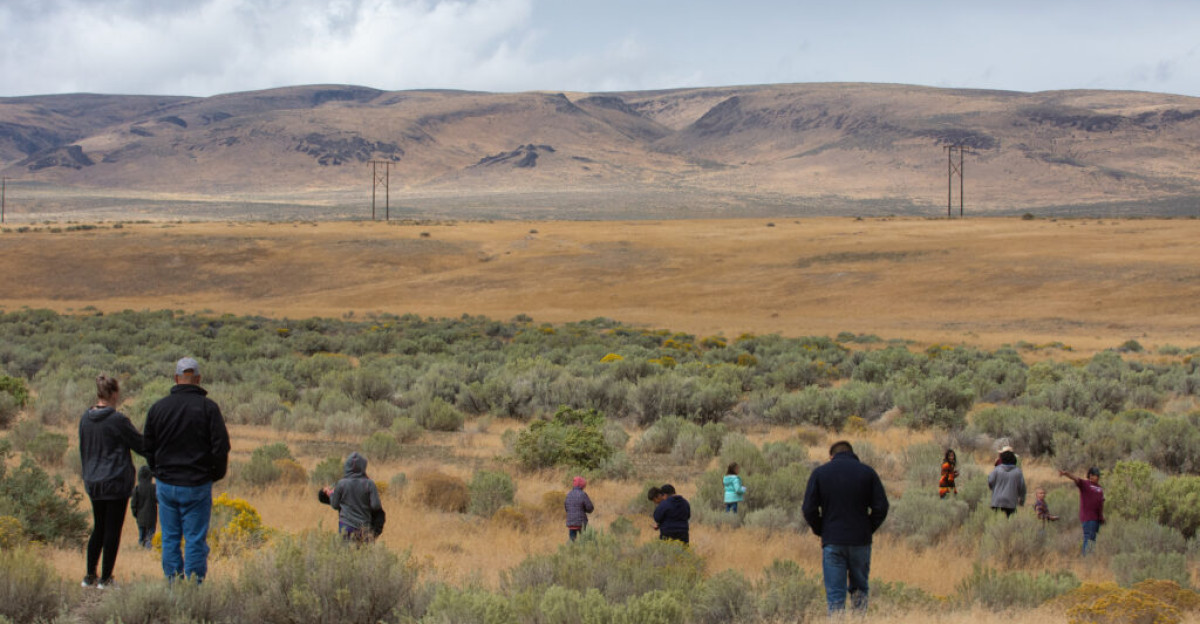
Experts are divided on McDermitt’s future. Geologist Sammy Castonguay warns that rushing the development of a 16-million-year-old ecosystem could lead to irreversible consequences.
Tribal leaders and conservationists call for a more thoughtful approach, stressing the need for long-term impact assessments rather than quick fixes.
A Crossroads for Climate and Conservation
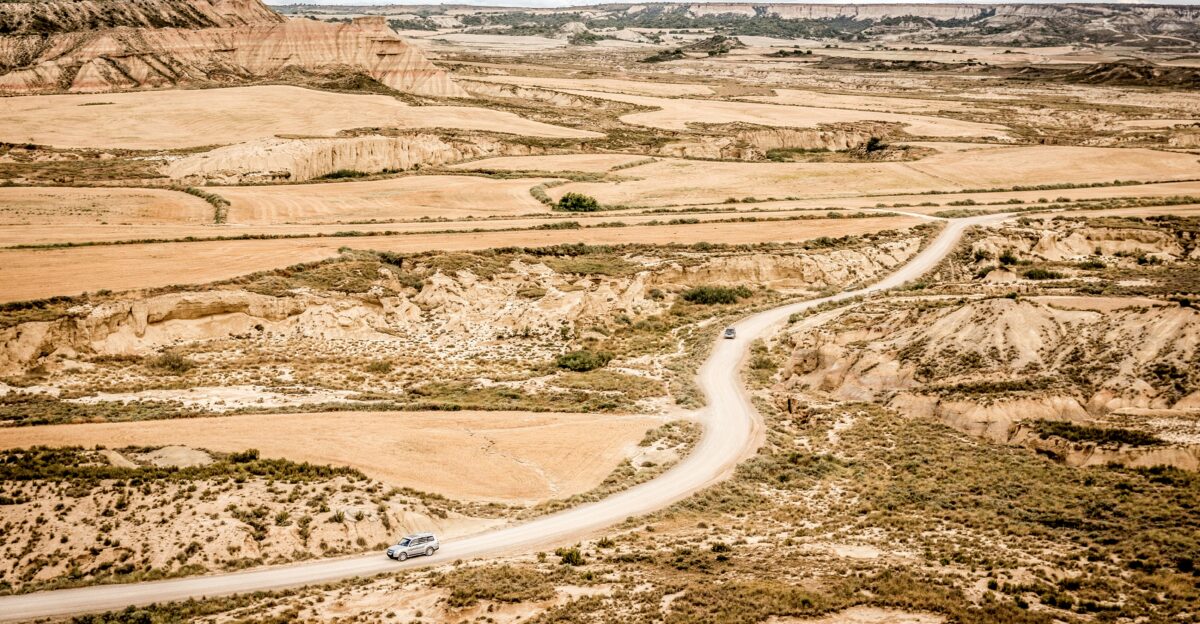
The decision to fully exploit McDermitt’s lithium could revolutionize U.S. energy security, powering millions of electric vehicles.
But it comes at a cost—transforming a pristine high-desert ecosystem and disrupting local communities. The question remains: how much of this “white gold” should stay buried to protect the environment and indigenous heritage?
Sources:
“High-grade lithium resource uncovered at McDermitt Caldera.” Scimex, 29 Aug 2023.
“Lithium deposit valued at $1.5 trillion has been discovered in the U.S.” Earth.com, 5 Jan 2026.
“Tribes face an uphill battle to defend their sacred land against lithium mining.” Cronkite News, 14 Jan 2021.
“Nevada lithium mine breaks ground despite Indigenous opposition.” Al Jazeera, 15 Mar 2023.