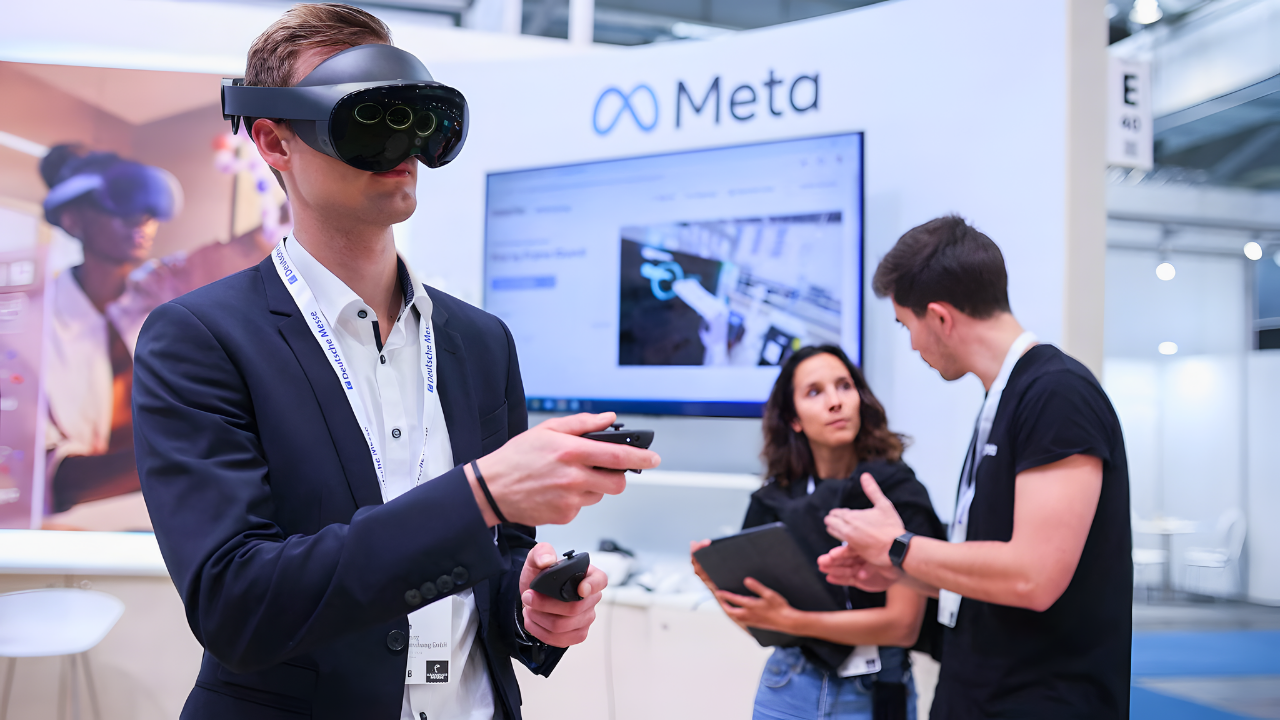
Meta Platforms eliminated 1,500 Reality Labs employees on January 14, 2026, after the division hemorrhaged over $71 billion since 2021 chasing Mark Zuckerberg’s metaverse vision.
The workforce reduction—representing 10% of the 15,000-person unit—marks the tech industry’s first major layoff of 2026 and signals Meta’s dramatic retreat from virtual reality toward AI-powered wearables. But this restructuring reveals far more than simple cost-cutting.
What Just Happened at Meta

Chief Technology Officer Andrew Bosworth delivered the news through an internal memo obtained by multiple outlets, announcing Meta would shift resources “from metaverse toward wearables.” Reality Labs posted a devastating $17.7 billion operating loss in 2024 alone, consuming 21% of Meta’s total costs while generating minimal revenue.
The metaverse bet—Zuckerberg’s signature initiative since rebranding Facebook in October 2021—has spectacularly failed to achieve commercial viability.
The Financial Catastrophe Behind the Cuts

The $71 billion loss accumulated over just four years represents one of the most expensive corporate strategy failures in tech history.
Quarter after quarter, Reality Labs eroded profits from Meta’s lucrative social media advertising empire without delivering the billion-user metaverse Zuckerberg promised investors. A Meta spokesperson confirmed the company would “reinvest the savings to support the growth of wearables this year,” acknowledging the fundamental strategic miscalculation.
Who Lost Their Jobs

The layoffs primarily targeted teams developing VR headsets, the struggling Horizon Worlds social platform, and several gaming studios. Meta plans to completely shutter four internal VR game development studios as part of the restructuring.
Engineers, designers, and project managers immediately flooded LinkedIn with “Open to Work” posts, according to technology news outlets tracking the sudden workforce reduction across Meta’s Reality Labs division.
The Wearables Strategy Emerges

Meta’s AI-powered Ray-Ban smart glasses have sold approximately two million units since launching in 2023, demonstrating dramatically stronger consumer demand than VR headsets.
Bosworth’s memo emphasized this success: “With the larger potential user base and the fastest growth rate today, we are shifting teams and resources almost exclusively to mobile.” Bloomberg reports Meta is considering doubling smart glasses production capacity due to unexpectedly robust sales.
Why Smart Glasses Succeeded Where VR Failed
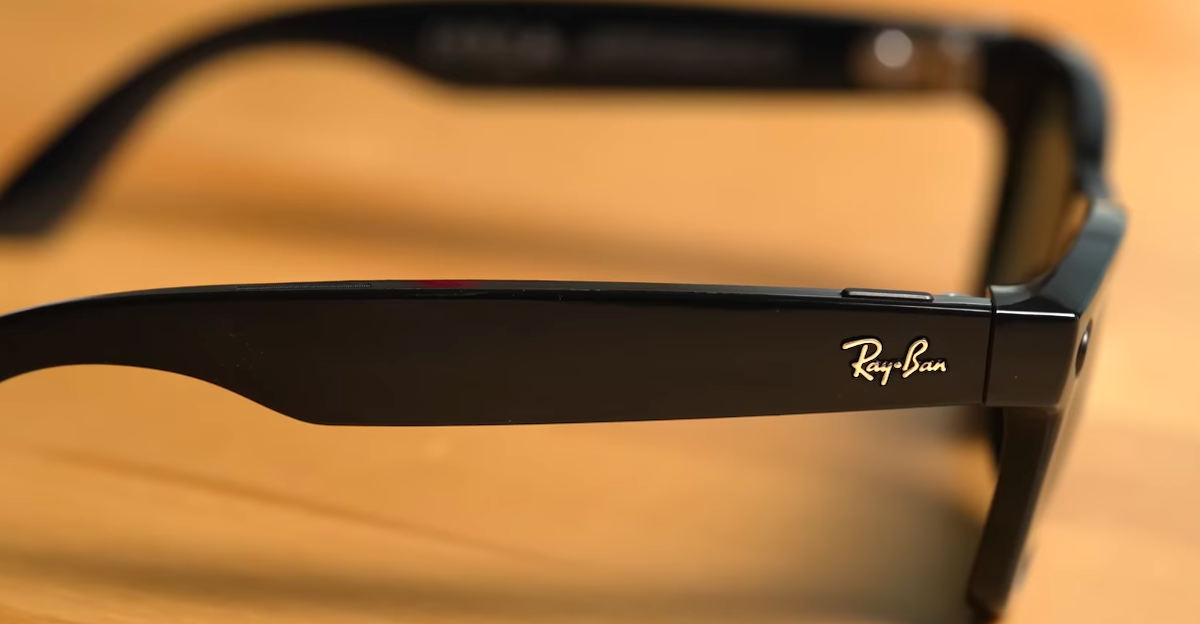
The Ray-Ban partnership, priced between $299 and $799, offers practical everyday functionality—AI assistants, high-resolution cameras, and displays embedded in normal-looking eyewear. Unlike bulky Quest headsets requiring dedicated spaces and lifestyle changes, smart glasses integrate seamlessly into existing behaviors.
This approach aligns with proven technology adoption patterns where innovations complement rather than replace established user habits and social interactions.
Quest Headsets Face Uncertain Future
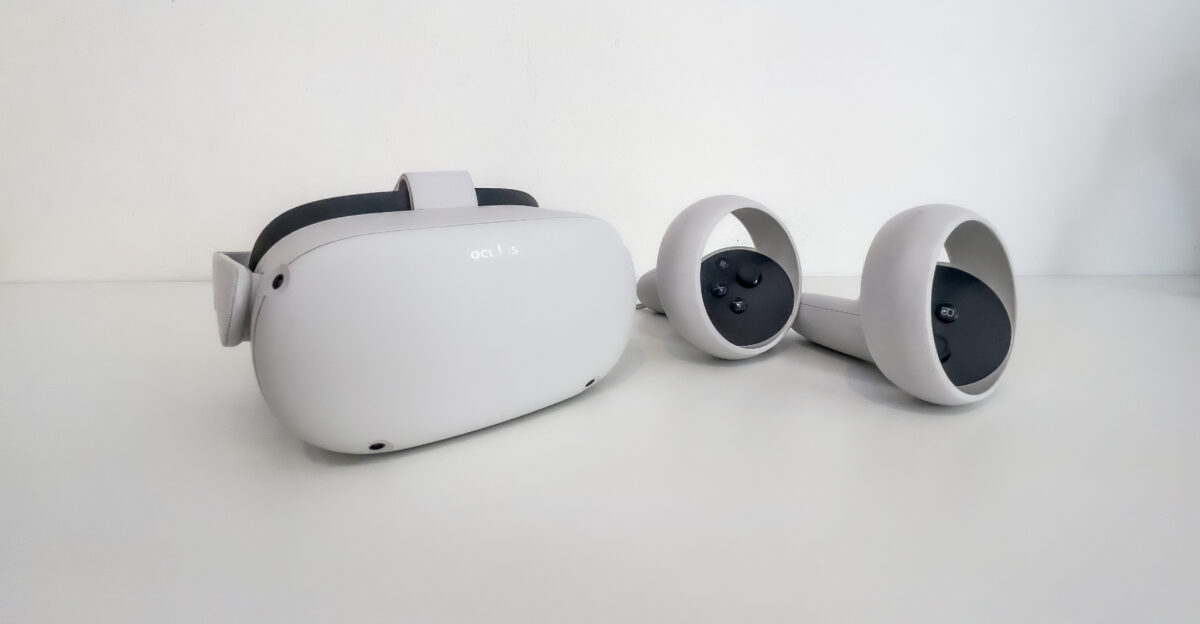
Meta’s VR headset line will continue but with significantly extended development cycles and potentially higher prices due to component costs and market saturation. The company abandoned its Horizon OS licensing program, which would have enabled hardware partners like Asus and Lenovo to build third-party VR devices.
These decisions reflect sharply diminished confidence in VR’s mass-market potential compared to earlier billion-dollar investment commitments.
Reality Labs Becomes Research Skunkworks

The restructured division will likely function as a smaller experimental unit focused on long-term research rather than immediate commercial products.
Meta appears to be adopting a model similar to Alphabet’s “Other Bets” division, where moonshot projects receive limited funding for exploration without near-term profitability expectations. This structure maintains VR and AR research capabilities while redirecting resources toward proven revenue generators.
Performance Reviews Target Low Performers

Meta simultaneously unveiled a comprehensive evaluation overhaul called “Checkpoint,” effective mid-2026, with dramatically tiered bonus structures rewarding top performers while penalizing underachievers.
The “Outstanding” category—approximately the top 20%—receives a 200% individual bonus multiplier for “outsized impact.” Meanwhile, employees rated “Not Meeting Expectations” receive zero bonuses, and a new “Meta Award” delivers 300% multipliers for truly exceptional contributors.
Year of Efficiency Continues

A Meta spokesperson explained: “We’re evolving our performance program to simplify it and placing greater emphasis on rewarding outstanding performance. While our employees have always been held to a high-performance, impact-based culture, this new direction allows for more frequent feedback.”
The timing suggests Meta’s 2023 “Year of Efficiency”—which eliminated 11,000 positions—has become a permanent operational philosophy rather than temporary crisis response.
Zuckerberg Tightens Performance Standards
CEO Mark Zuckerberg previously stated: “We typically manage out people who aren’t meeting expectations over the course of a year, but now we’re going to do more extensive performance-based cuts during this cycle.”
The company cut approximately 3,000 additional employees in 2025, primarily targeting low performers. The new Checkpoint system institutionalizes this aggressive performance management approach across Meta’s entire 70,000-person workforce.
Massive AI Infrastructure Investment

While cutting Reality Labs staff, Meta announced its “Meta Compute” initiative on January 12, 2026, committing unprecedented resources to artificial intelligence infrastructure.
Zuckerberg declared plans to build “tens of gigawatts this decade, and hundreds of gigawatts or more over time” of computing capacity. The company committed up to $72 billion in capital expenditures for 2025 alone, with broader plans totaling $600 billion by 2028.
The AI Arms Race Intensifies

Meta plans to bring over one gigawatt of AI computing power online by 2026, supported by purchasing more than 1.3 million GPUs. Zuckerberg emphasized: “How we engineer, invest, and partner to build this infrastructure will become a strategic advantage.”
The Meta Compute unit will be jointly led by infrastructure chief Santosh Janardhan and Daniel Gross, former Safe Superintelligence Inc. co-founder.
Competing With OpenAI and Google
The massive AI investments reflect intensifying competition with OpenAI, Google, Microsoft, and Amazon for dominance in artificial intelligence.
Meta’s decision to simultaneously cut VR staff while deploying $72 billion for AI computing demonstrates executives’ conviction that AI represents the industry’s next transformative platform. The company aims to avoid repeating its metaverse mistake by ensuring world-class AI capabilities before competitors establish insurmountable leads.
Broader Tech Industry Context

Meta’s layoffs arrive as 2026’s first major tech workforce reduction, following a period when large-scale cuts tapered off in late 2025. However, the broader sector has experienced massive employment losses since ChatGPT’s November 2022 release, with approximately 500,000 tech workers laid off globally.
The global tech sector eliminated nearly 245,000 positions in 2025, with the United States accounting for 170,630 cuts representing 69.7%.
AI Drives Continued Job Losses

Notably, an estimated 69,840 job cuts in 2025 were directly attributed to AI adoption and automation technologies replacing human workers.
Major companies including Intel (33,900 cuts), Amazon (19,555 cuts), and Microsoft (20,009 cuts) led the reductions. A World Economic Forum survey found that 41% of companies worldwide expect to reduce workforces over the next five years due to AI adoption.
2024 Was Actually Worse
Despite 2025’s severe cuts, 2024 saw worse outcomes with over 152,000 tech employees laid off across 551 companies—nearly 20% more than 2025 figures.
The data suggests tech employment volatility has become the industry’s new normal rather than temporary pandemic-era adjustment. Technology workers now face sustained uncertainty as AI capabilities expand and companies prioritize efficiency over headcount growth.
What This Means for the Future

Meta’s transformation from metaverse champion to AI wearables leader illustrates how even the world’s wealthiest technology companies must respond to market realities. The $71 billion Reality Labs loss forced a strategic reckoning that no amount of corporate commitment could overcome.
For 1,500 displaced workers, the restructuring represents painful professional setbacks as specialized VR skills may not transfer to AI development roles.
The Metaverse Vision Collapses
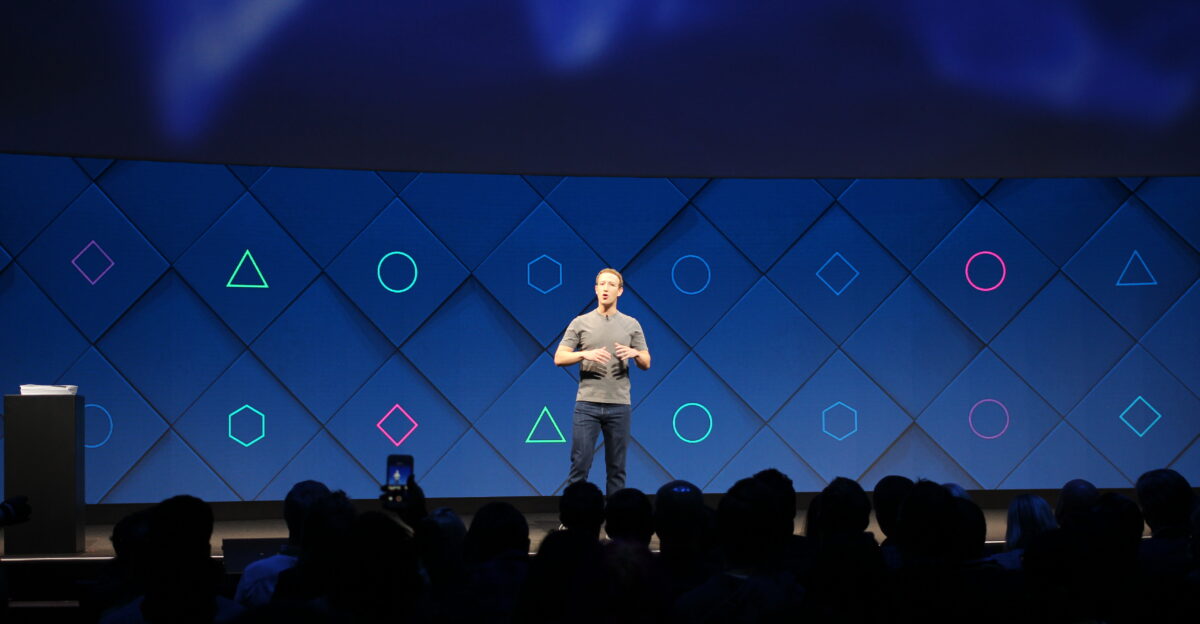
When Zuckerberg rebranded Facebook to Meta in October 2021, his vision stated: “Our hope is that within the next decade, the metaverse will reach a billion people, host hundreds of billions of dollars of digital commerce, and support jobs for millions.”
The technology worked, but consumer adoption never materialized at required scale, undermining the entire strategic premise.
Lessons for Tech Innovation
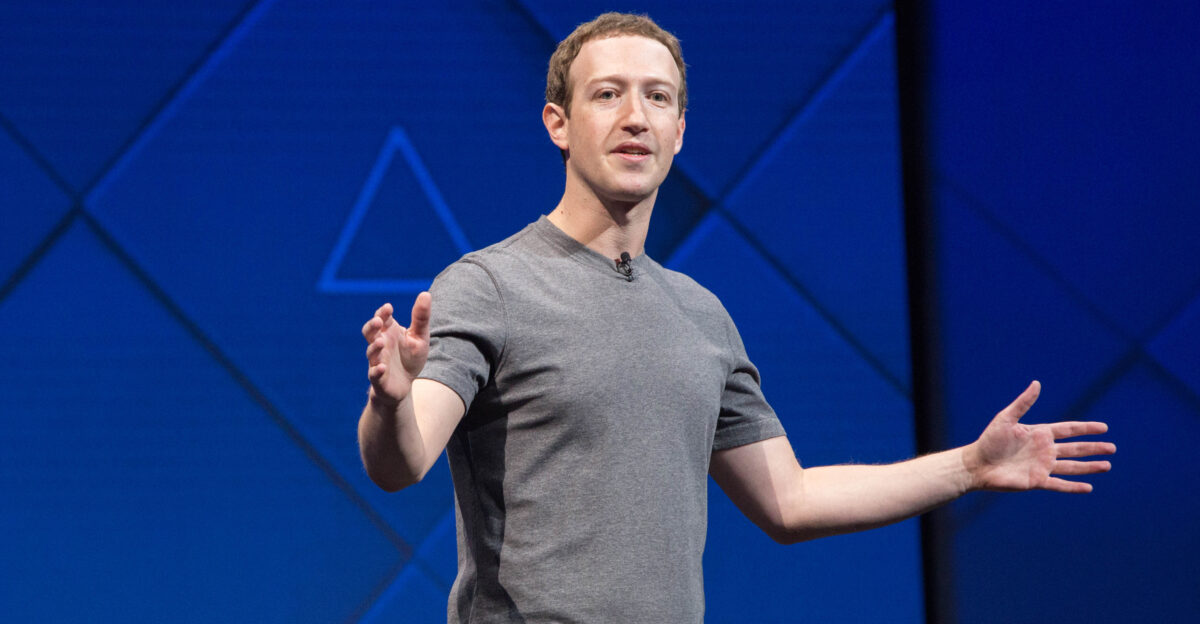
Meta’s pivot demonstrates that successful technology adoption requires products that enhance existing behaviors rather than demanding lifestyle transformations. AI-enhanced glasses and mobile features offer practical daily utility, while VR required dedicated spaces and time commitments.
Meta’s future now depends on whether AI wearables can deliver the transformative platform Zuckerberg sought in virtual reality—this time with products consumers actually use.
Sources:
“Meta Begins Job Cuts as It Shifts From Metaverse to AI.” Bloomberg News, January 13, 2026.
“Meta unveils ‘Meta Compute’ initiative to build AI infrastructure.” Reuters, January 12, 2026.
“Meta is changing its performance review to reward output over effort.” Yahoo Finance, January 13, 2026.
“Meta Plans to Cut 10% to 15% of Employees in Reality Labs.” The New York Times, January 12, 2026.
“Meta Plans Layoffs at Reality Labs, Impacting VR, Horizon Worlds Teams.” Business Insider, January 11, 2026.