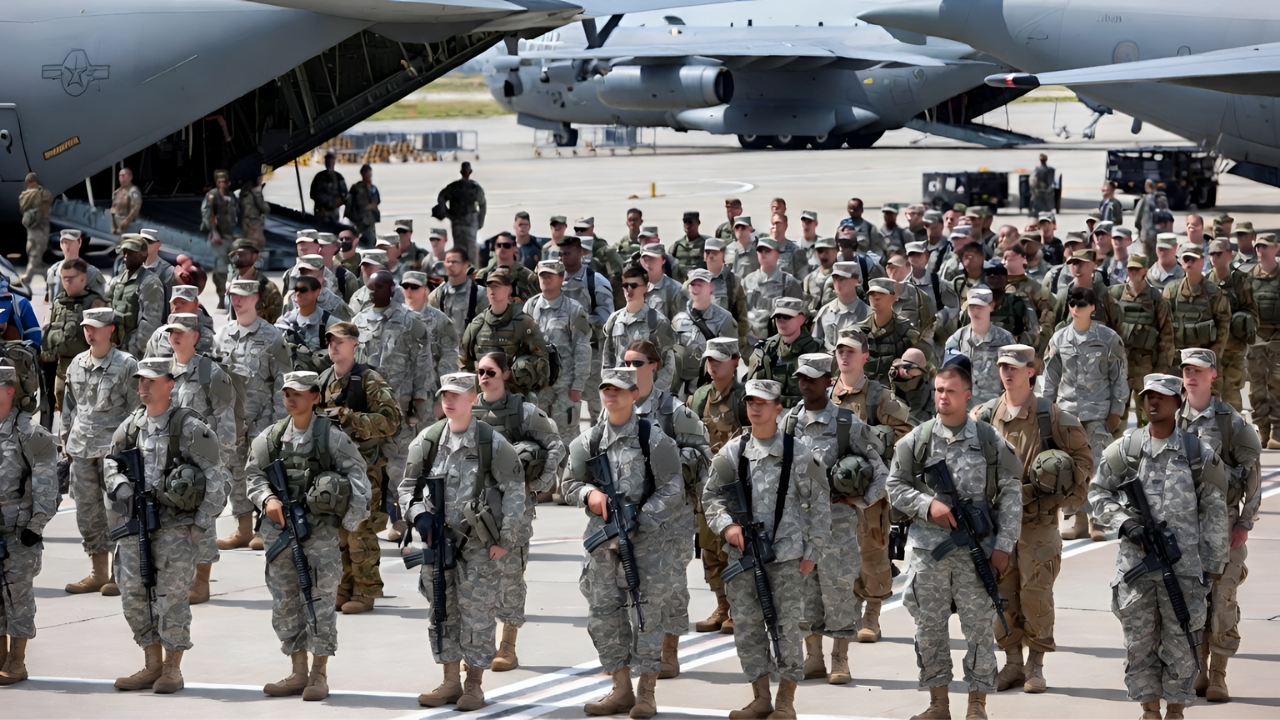
In the shadow of a frozen Alaskan base, 1,500 soldiers from the Army’s 11th Airborne Division—experts in arctic combat—received prepare-to-deploy orders on January 18, 2026. Their potential destination: Minneapolis, an American city gripped by two weeks of clashes between federal immigration agents and protesters after a fatal shooting by an ICE officer.
Escalating Federal Standoff
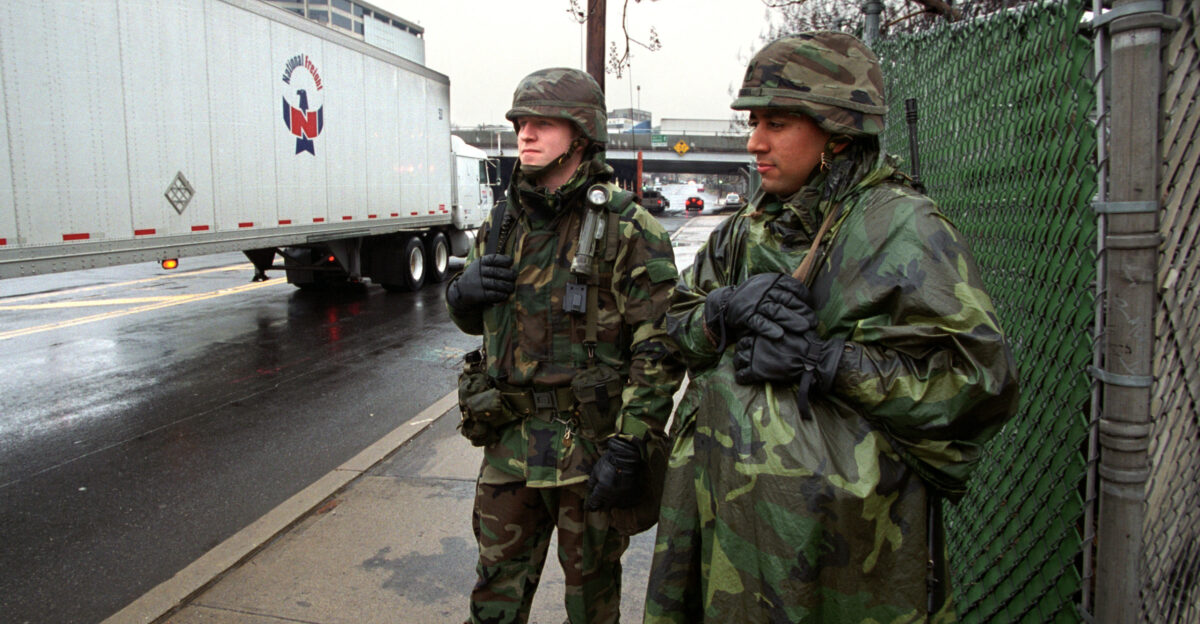
The Pentagon’s move signals the largest domestic military mobilization threat in 34 years, echoing the 1992 Los Angeles riots. President Donald Trump has warned of invoking the Insurrection Act, a 19th-century law allowing troops to enforce order domestically, if Minnesota leaders do not curb protests against Immigration and Customs Enforcement actions. No deployment has occurred; the units remain on high alert, undergoing briefings, training, and equipment checks.
The crisis traces to January 7, when ICE agent Jonathan Ross shot and killed Renee Good, a 37-year-old U.S. citizen and mother of three, while she sat in her vehicle during a neighborhood patrol. Call logs indicate Ross fired at least three rounds through her windshield and driver’s window, hitting her chest, arm, and possibly head. She received no aid for about 10 minutes as agents departed the scene.
Massive Enforcement Operation
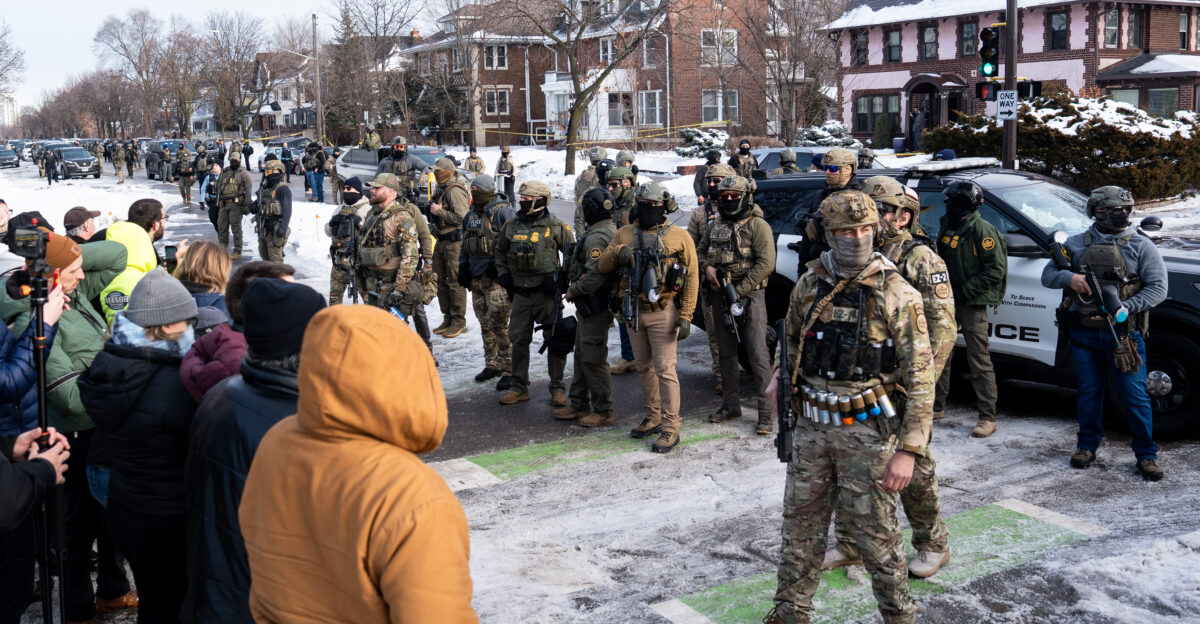
Since December 2025, nearly 3,000 agents from ICE and Customs and Border Protection have flooded the Minneapolis-St. Paul area in Operation Metro Surge, described by officials as the biggest immigration crackdown ever. This force outnumbers the local police department. Agents have detained around 2,400 people, using tear gas, flashbangs, and pepper balls on crowds, and entering homes without warrants.
A second ICE shooting wounded another civilian, and a man died in custody after an arrest. DHS Secretary Kristi Noem affirmed agents will continue until “all the dangerous individuals are apprehended, brought to justice, and deported.”
Legal and Political Pushback
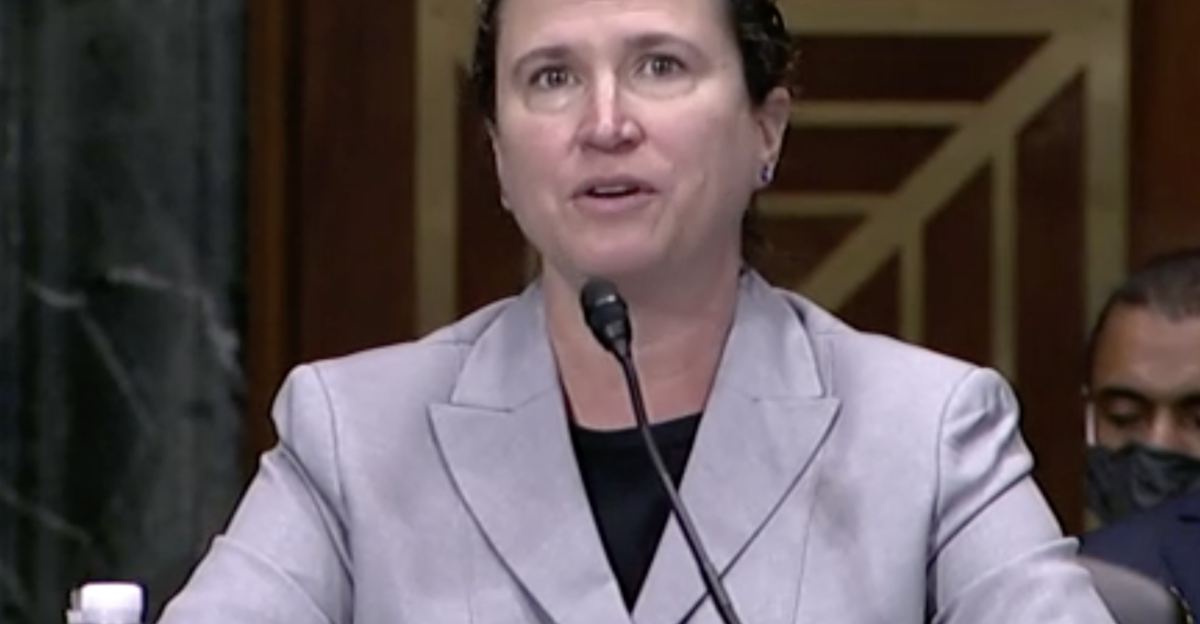
U.S. District Judge Katherine Menendez issued an 83-page injunction on January 17, barring arrests of peaceful protesters, crowd-control munitions against bystanders, and vehicle stops without cause. It demands DHS comply with constitutional limits within 72 hours and activate body cameras during crowd actions. The Justice Department appealed immediately.
Minnesota Governor Tim Walz called the operation “a campaign of organized brutality,” citing broken windows and agents dragging pregnant women, including citizens, from streets. Minneapolis Mayor Jacob Frey labeled the agents an “occupying force” invading the city and sowing chaos.
The DOJ opened a probe on January 16 into Walz and Frey for allegedly conspiring to obstruct federal agents via their statements. Deputy Attorney General Todd Blanche posted online about halting their “terrorism by whatever means necessary.” Walz decried it as politicized retaliation, noting no investigation into Good’s shooter amid probes of other Trump critics.
Attorney Joseph Nunn of the Brennan Center for Justice argued any Insurrection Act use would abuse the law, designed for true insurrections where civilians cannot restore order, not protests. Minnesota Attorney General Keith Ellison sued to end the operation, citing First and Tenth Amendment violations and federal overreach.
Community and Economic Toll
Eighty percent of immigrant-owned businesses on key corridors shuttered in the first week, with sales dropping 50-100%. The state economic development department noted negative effects, as workers in healthcare, childcare, construction, food, and services stay home fearing detention.
Minneapolis Public Schools activated a one-month remote learning option for 30,000 students after ICE detained someone outside Roosevelt High School at dismissal. Community groups now run observation patrols to record agent activities amid sporadic larger protests.
The ACLU sued over alleged racial profiling, with masked agents tackling U.S. citizens—like a 20-year-old headlocked despite showing his passport—and detaining airport workers with valid authorizations. Checkpoints snared over a dozen such cases.
Public polls reflect backlash: Trump’s immigration approval fell from 49% in March 2025 to 38% in January 2026 per AP-NORC, with 62% disapproving. Gallup showed 35% approval, 62% disapproval.
Strategic and Federalism Strain
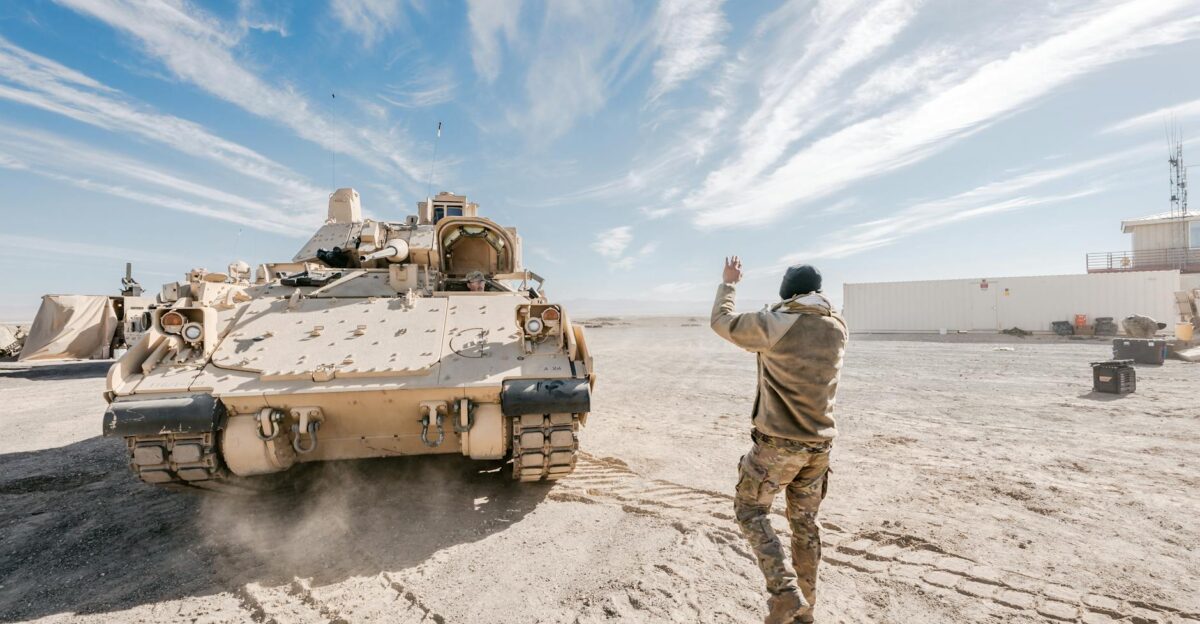
Diverting the 11th Airborne Division—”Arctic Angels”—from Indo-Pacific and Arctic duties against China, Russia, and North Korea raises concerns. Reactivated in 2022, the unit runs the Northern Warfare Training Center and trains in Norway and Indonesia.
Trump softened his January 15 Insurrection Act threat the next day, saying there was “no reason right now” despite its power. Unlike 1992, when President George H.W. Bush sent 4,000 troops at California’s request amid 63 deaths and $1 billion in damage, Minnesota’s governor opposes intervention, violence is contained, and locals claim control.
This clash tests federalism’s core: the balance of state and federal power. Even in immigration—a federal domain—limits on enforcement tactics now face court scrutiny, with outcomes poised to shape domestic authority, civil rights, and national security priorities for years ahead.
Sources:
“Pentagon readies 1,500 troops for potential Minnesota deployment, US officials say.” Reuters, January 18, 2026.
“1,500 troops prepare to possibly deploy to Minnesota, officials say.” The Washington Post, January 18, 2026.
“Army puts 1500 soldiers on standby for possible Minnesota deployment.” Associated Press, January 18, 2026.
“Reports, videos show how ICE agent Jonathan Ross fatally shot Renee Good in Minneapolis.” CNN, January 17, 2026.
“The Insurrection Act, Explained.” Brennan Center for Justice, April 20, 2022.
“US judge orders curbs on ICE agents’ actions against Minnesota protesters.” Al Jazeera, January 17, 2026.