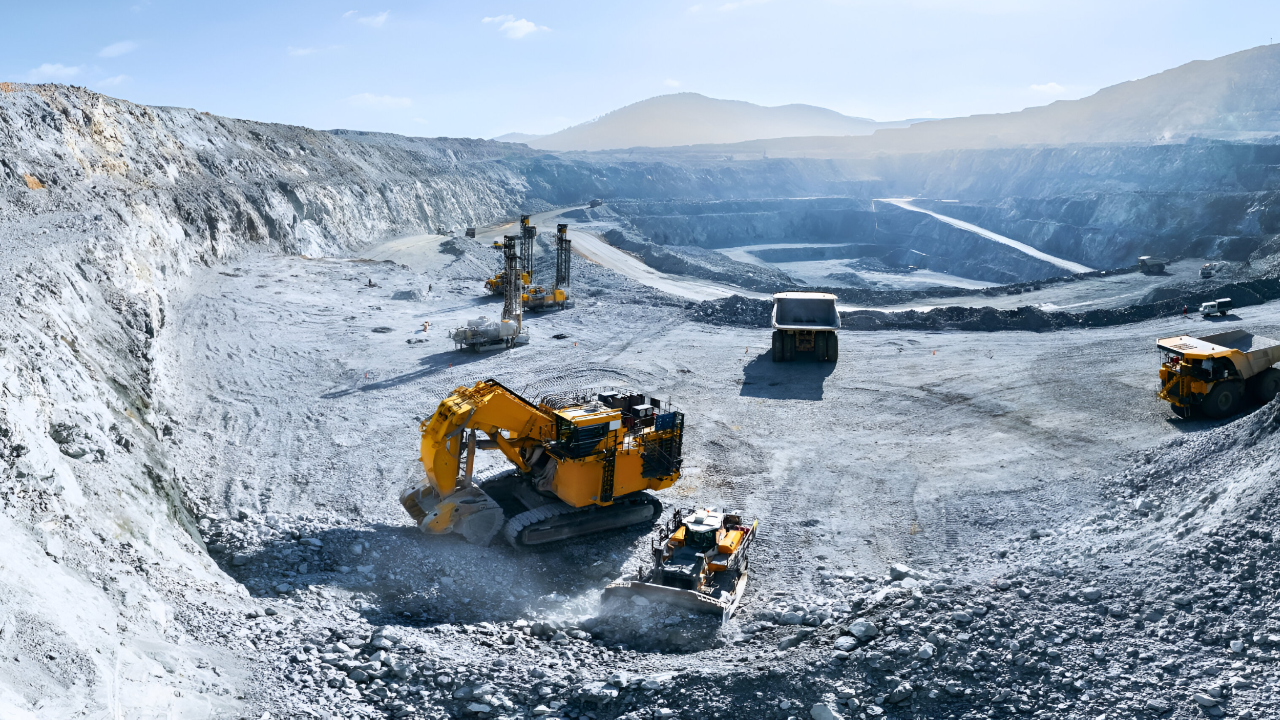
Beneath Oregon’s high desert lies a massive lithium deposit, estimated at 20 to 40 million metric tons, worth roughly $1.5 trillion. Located in the McDermitt Caldera, formed 16 million years ago, the find could reshape America’s battery supply chain for decades. Yet its presence threatens fragile ecosystems and sacred Indigenous sites. Here’s what’s going on.
White Gold Hidden In Volcanic Clay
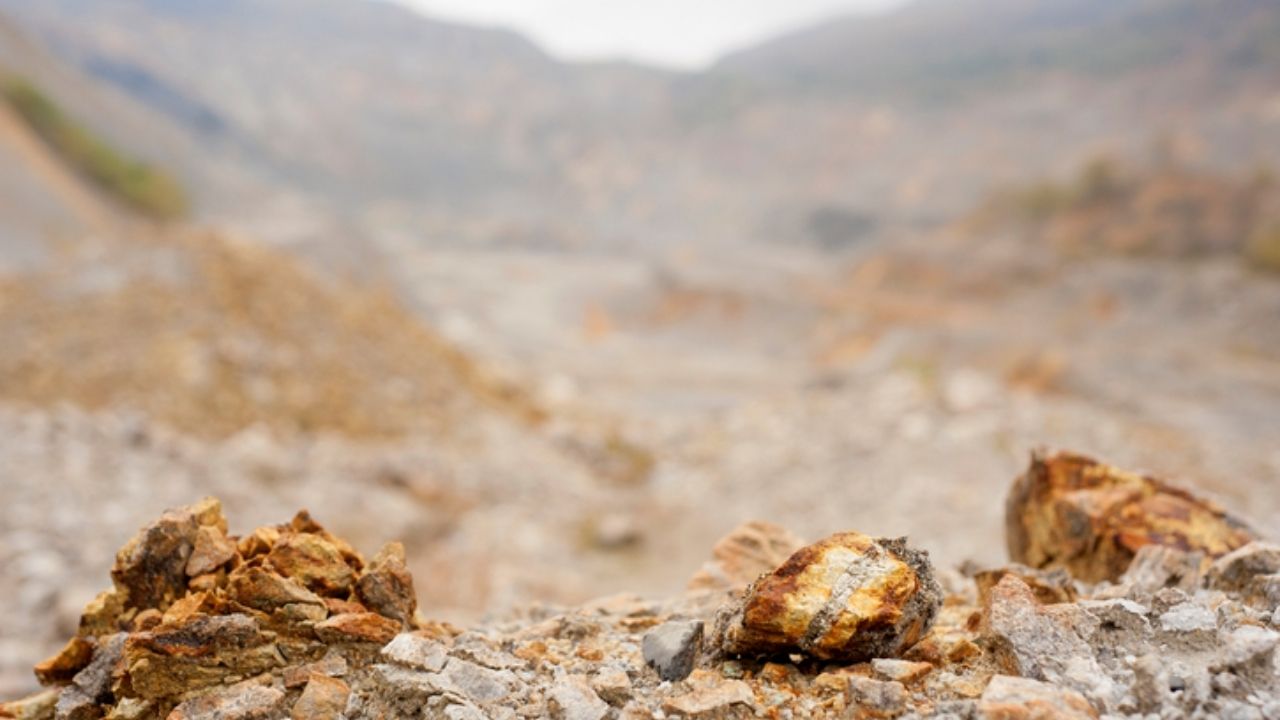
Volcanic clays in McDermitt Caldera contain one of the largest U.S. lithium concentrations. These mineral-rich sediments hold an estimated 20 to 40 million metric tons of lithium, valued at $1.5 trillion. Extraction is complicated by the claystone setting, and industry rushes have already begun. What might these new operations mean for local communities and ecosystems?
A New Lithium Rush Begins
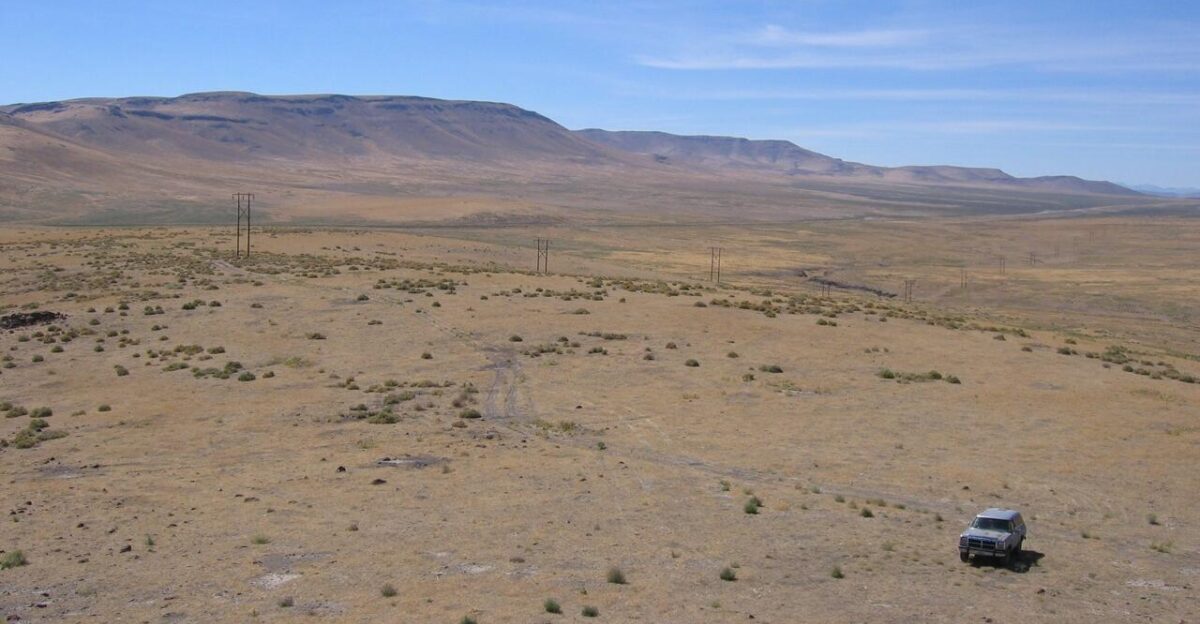
Two major projects are advancing in the caldera. Lithium Americas is building Thacker Pass in Nevada, backed by General Motors’ $650 million investment and Department of Energy support. Australia’s Jindalee Resources is pushing on the Oregon side. Both moves indicate a U.S. lithium supply chain is taking shape, but the long-term environmental and social stakes are only now emerging.
Supply Numbers That Reframe The U.S.
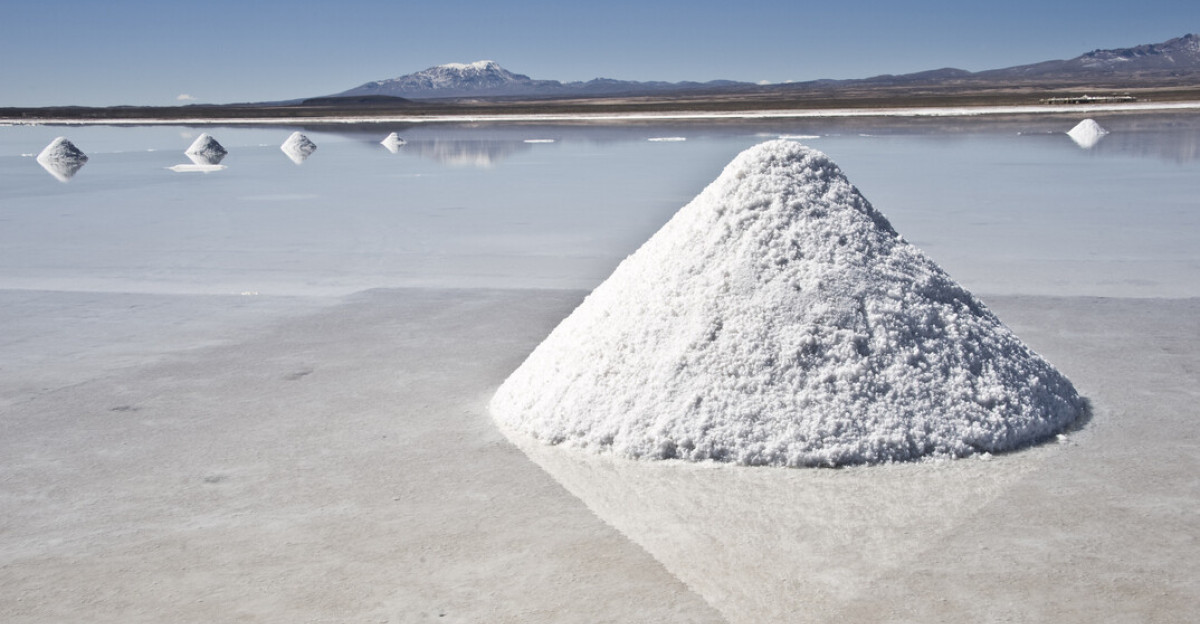
Jindalee’s February 27, 2023, assessment estimates 21.5 million tonnes of lithium carbonate equivalent in measured and indicated resources. That’s enough lithium to power over 900 million electric vehicles using today’s battery chemistry. A geologist warned, “This feature is 16 million years old, and we’re making decisions in a matter of years.” How did it form?
How A Geological Hotspot Created Lithium
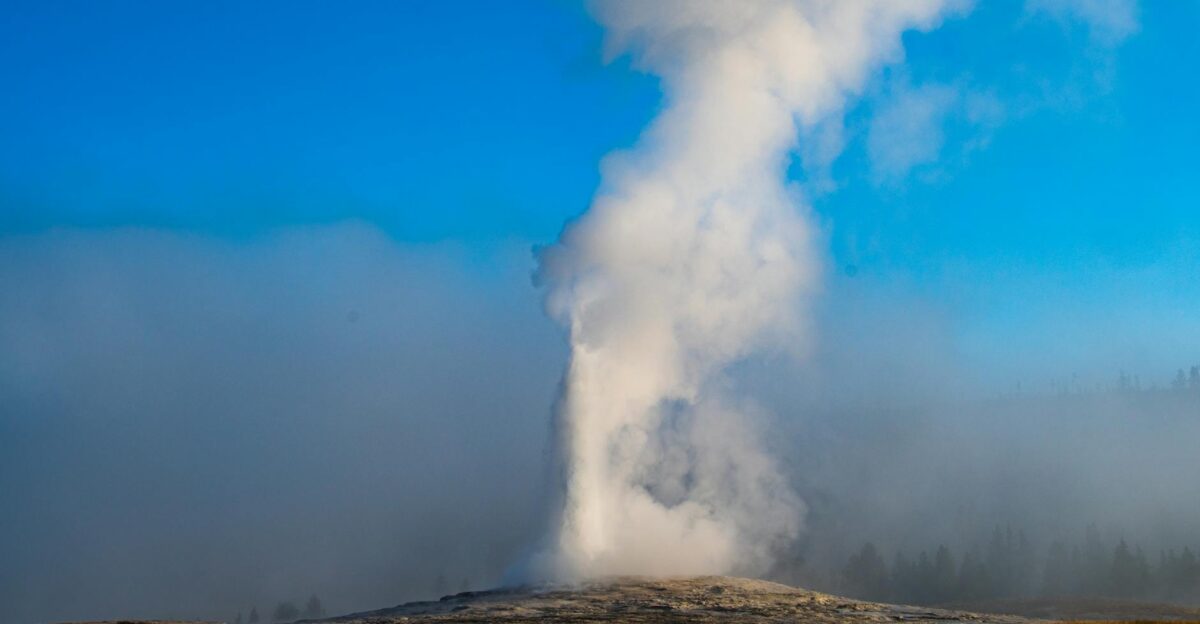
Around 16.4 million years ago, the North American plate moved over the Yellowstone hotspot, triggering an eruption that formed McDermitt Caldera. Alkaline magma cooled as a lake formed in the collapsed caldera. Hydrothermal processes concentrated lithium into smectite and illite clays. Complex geology demands careful extraction, creating tensions between supply urgency and environmental preservation.
EV Demand Turns Lithium Critical
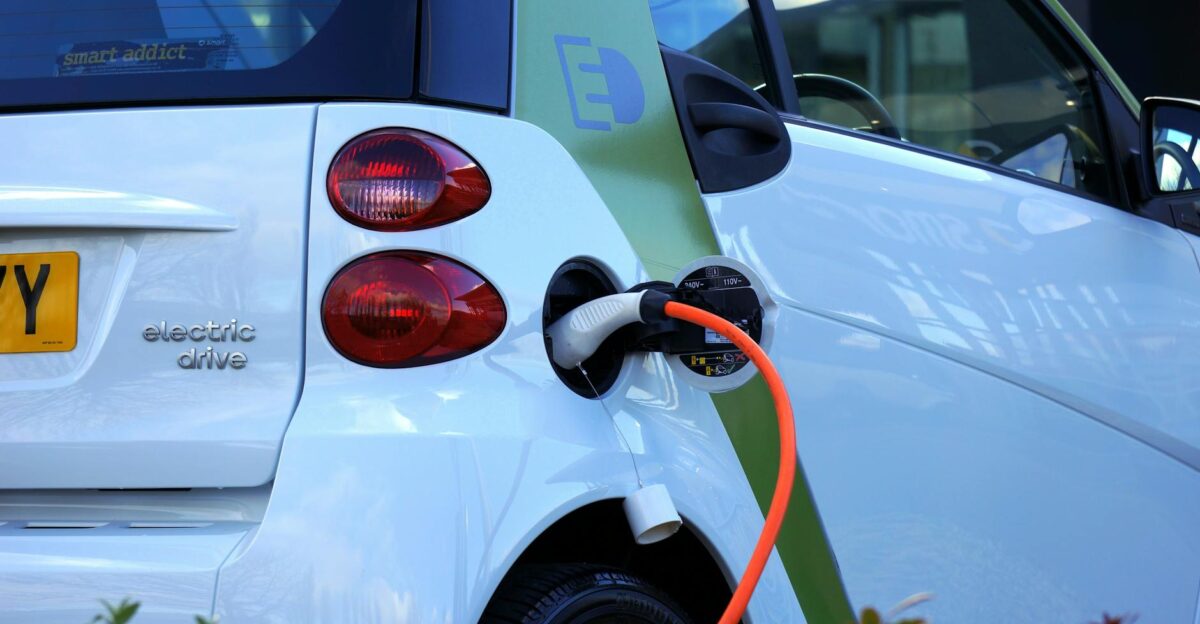
Global EV sales increased from 60,000 in 2011 to over 41 million in 2023, with projections reaching nearly 59 million by 2024. EVs accounted for 23% of new vehicle sales in 2024 and are trending toward 50% by 2035. Each EV requires 8–10 kilograms of lithium, while grid storage adds unexpected pressure. The next challenge may be even larger.
Grid Batteries Drive Lithium Demand
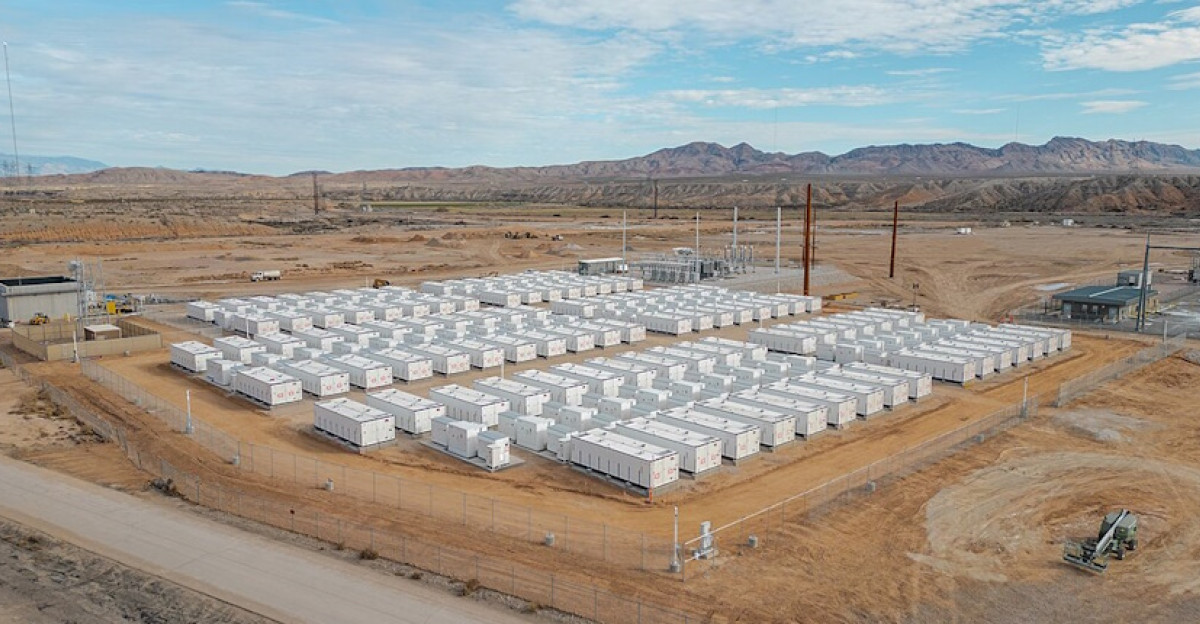
Grid-scale battery energy storage installations exceeded 90 gigawatt-hours globally in 2024, projected to rise with renewables. BESS could represent 30% of global lithium demand by 2026 and 36% by 2030. J.P. Morgan forecasts shipment growth of 50% in 2025 and 43% in 2026. That growth raises a critical question: who will control lithium supply?
China’s Dominance Sparks U.S. Concern
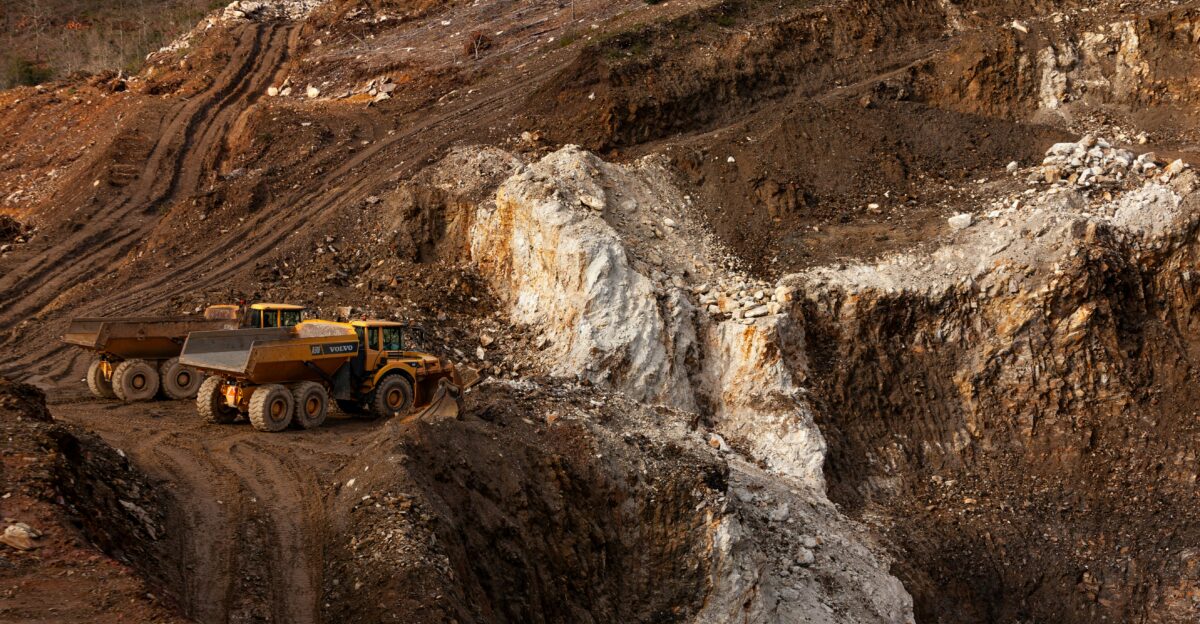
China controls roughly 90% of global lithium refining and 70% of rare earth mining, giving it geopolitical leverage. The U.S. produces less than 1% of global lithium, mostly from Nevada’s Silver Peak mine at about 5,000 metric tons annually. In January 2025, the DOE took 5% stakes in Lithium Americas and Thacker Pass, signaling a shift in strategy.
Lithium Prices Surge Rapidly
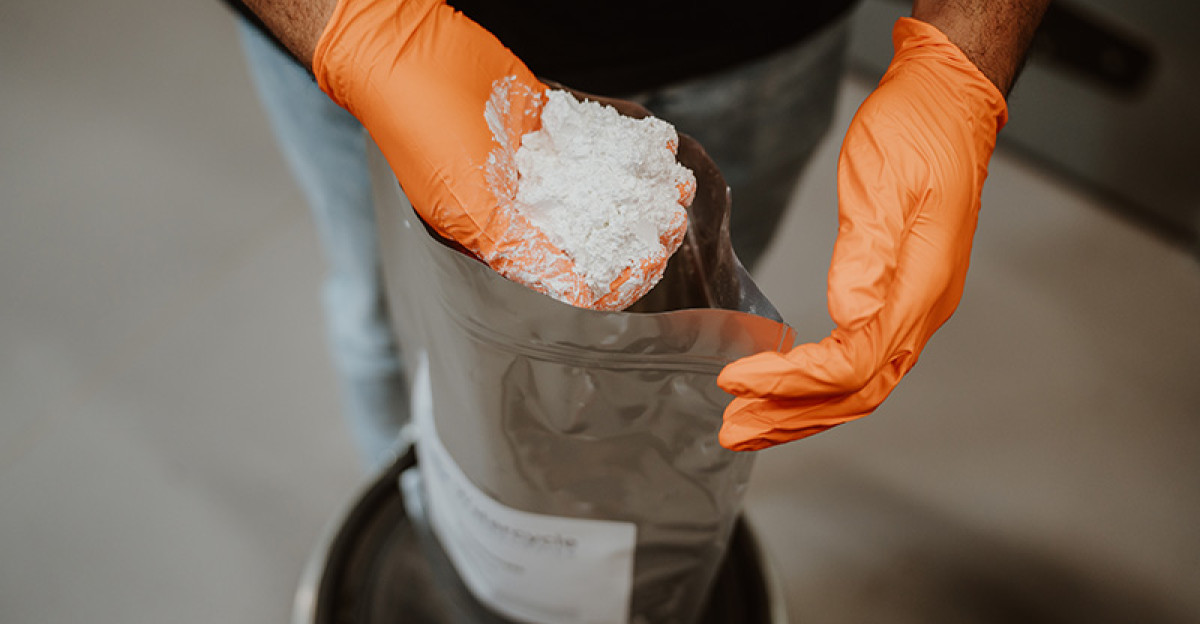
Lithium carbonate in North Asia jumped to 152,000 Chinese Yuan per tonne ($19,235) on January 12, 2026, up 8.57% day over day and 59.75% over a month. CATL’s October 2025 mine halt briefly pushed prices above $12,000 per metric ton. Market signals suggest U.S. projects may be arriving just as global demand pressures peak.
Thacker Pass Emerges As Flagship
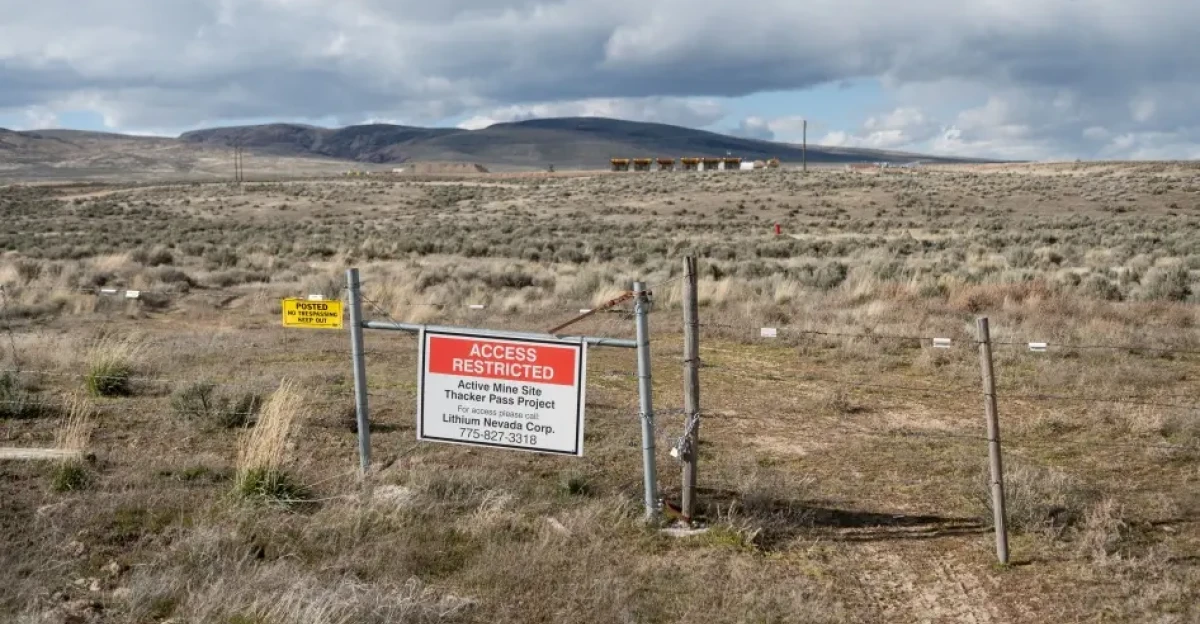
Construction at Thacker Pass began in March 2023, roughly 60 miles northwest of Winnemucca, Nevada. At full capacity, the mine could produce 160,000 tonnes of battery-quality lithium carbonate annually across five phases, over an 85-year lifespan. Its 13.7 million tonnes of LCE make it the largest known U.S. sedimentary resource. Oregon’s McDermitt project may be even bigger.
Oregon’s Lithium Project Expands
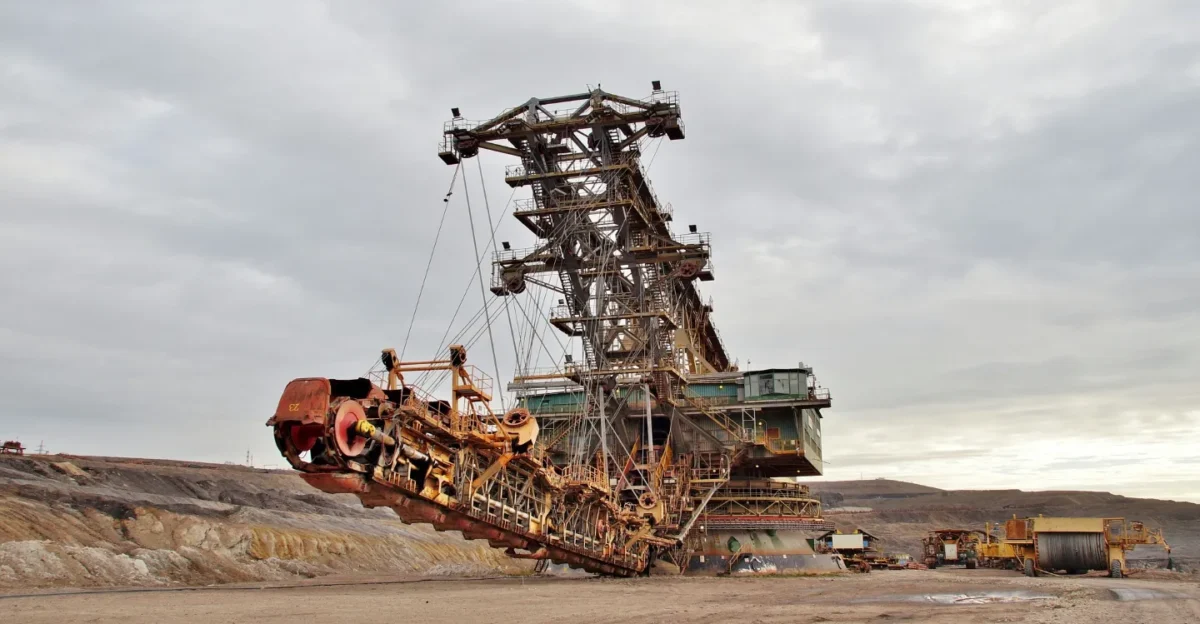
Jindalee’s McDermitt Lithium Project, 35 kilometers north of Thacker Pass, envisions a 63-year lithium carbonate operation with a nearby conversion facility. Resource estimates show 21.5 million tonnes LCE, including 2.34 million tonnes probable ore reserve. The project became a FAST-41 “Transparency Project” in 2025, with drilling stirring local resistance. How will the community respond?
Wildlife Threats Surface Quickly
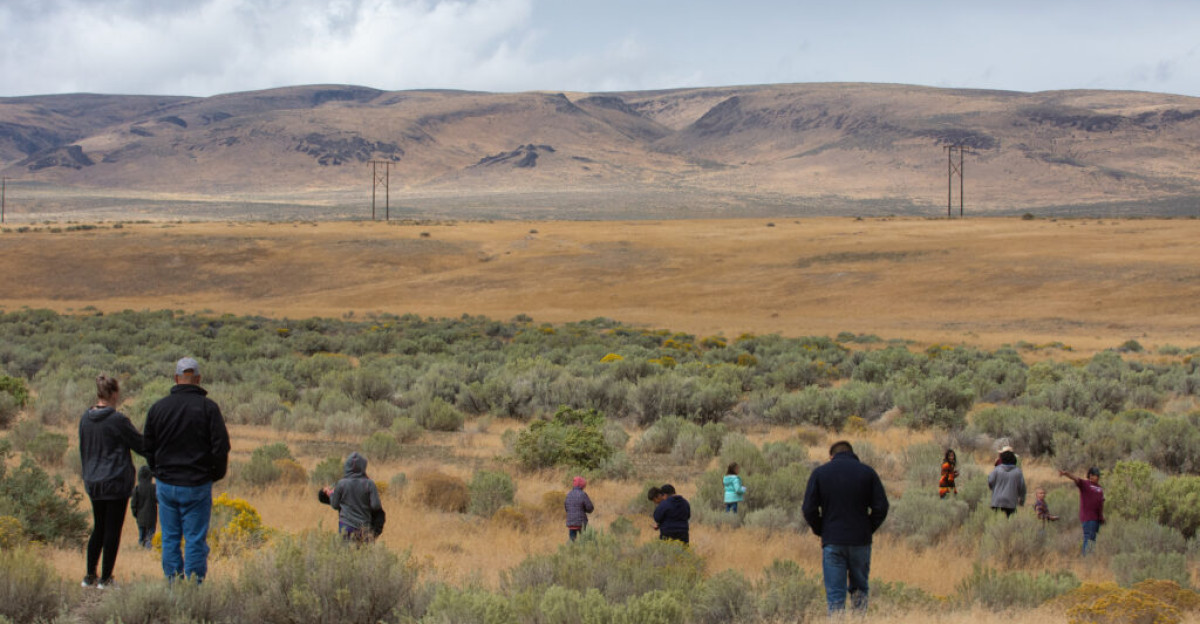
The caldera overlaps crucial habitat for pronghorn antelope, greater sage grouse, Lahontan cutthroat trout, and golden eagles. Sage grouse populations have fallen 80% since the 1960s. BLM review found four occupied leks inside the project area and 25 within three miles. Mark Salvo warned, “This is one of the really special places… harmed permanently and irreparably by a mining operation.”
Indigenous Tribes Push Back
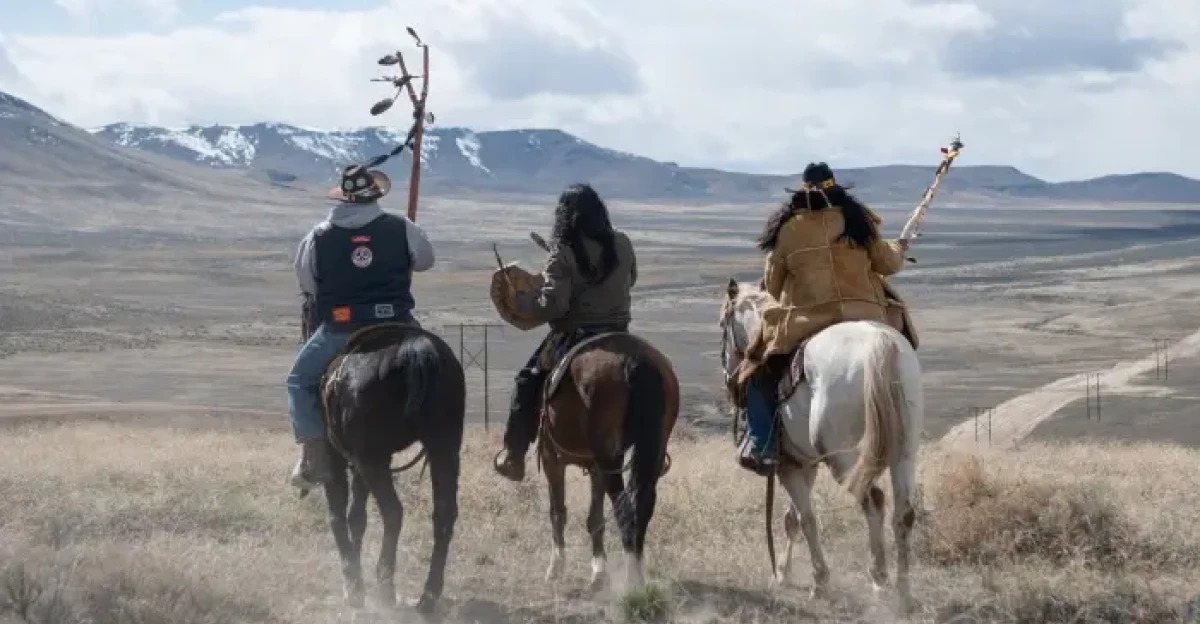
Local tribes oppose mining, citing spiritual and historical significance. Thacker Pass, “Peehee Mu’huh,” is tied to a 1865 massacre of 30–70 Paiute people. Tribes, including the Fort McDermitt Paiute and Shoshone, sued, alleging consultation violations under the National Historic Preservation Act. Daranda Hinkey told Grist, “We’re all descendants of a survivor. We feel like we were meant to be here.”
Water Risks Could Be Dealbreakers
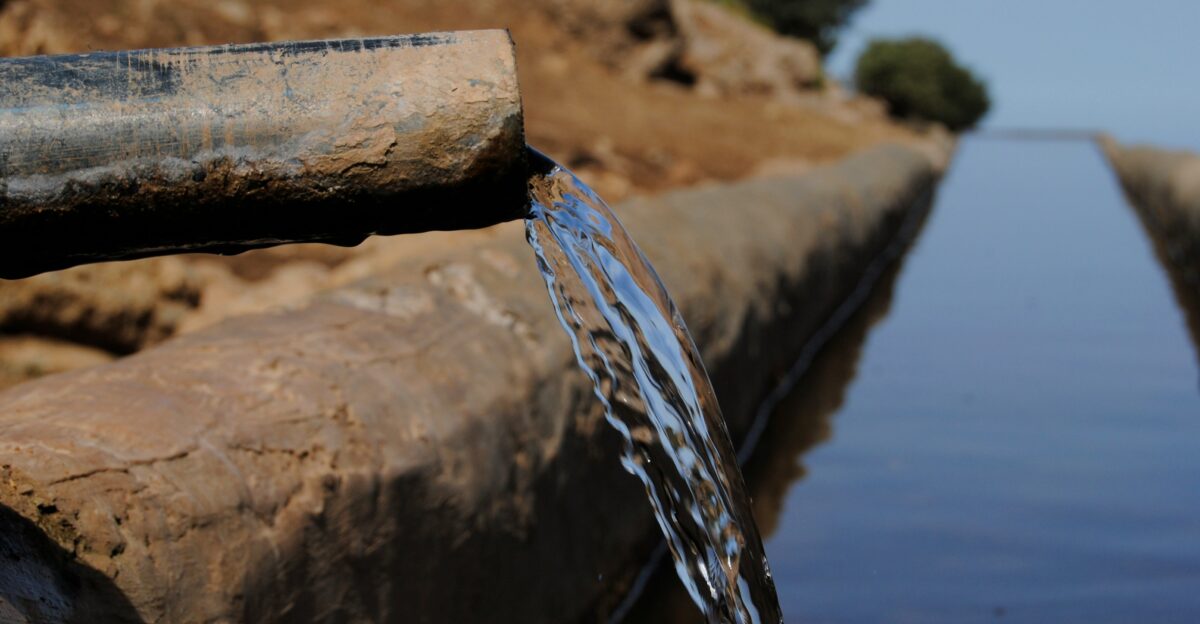
Lithium extraction is water-intensive. Clay-hosted McDermitt deposits require acid leaching, using roughly 1.9 million liters per metric ton, raising contamination risks. By comparison, Chile’s Atacama operations consumed 65% of local water resources. Nevada’s aridity adds pressure, prompting interest in Direct Lithium Extraction, but technology costs, scaling hurdles, and freshwater needs mean solutions remain uncertain.
Oregon’s Hard Choice Looms

The McDermitt deposit could power millions of EVs and stabilize renewable grids but sits within sage grouse habitat and sacred Indigenous lands. Jindalee CEO said the company is “committed to environmental stewardship, transparent engagement, and responsible project design.” The coming decisions will test whether America can balance clean energy demands with conservation and cultural respect.
Sources
Geology and Evolution of the McDermitt Caldera. U.S. Geological Survey Yellowstone Volcano Observatory, 3 June 2024
U.S. Lithium Reserves and Domestic Production Capacity. U.S. Geological Survey Mineral Commodity Summaries, 2025
Lithium Deposit Resource Estimate and Pre-Feasibility Study. Jindalee Resources Limited, 27 November 2024
Thacker Pass Lithium Mine Project Update. Lithium Americas Corporation, January 2024
Bureau of Land Management Decision on Jindalee McDermitt Exploration Project. U.S. Department of the Interior Bureau of Land Management Oregon Office, 8 December 2025
Electric Vehicle Sales and Lithium Demand Projections. International Energy Agency Global Critical Minerals Outlook, 2024–2025