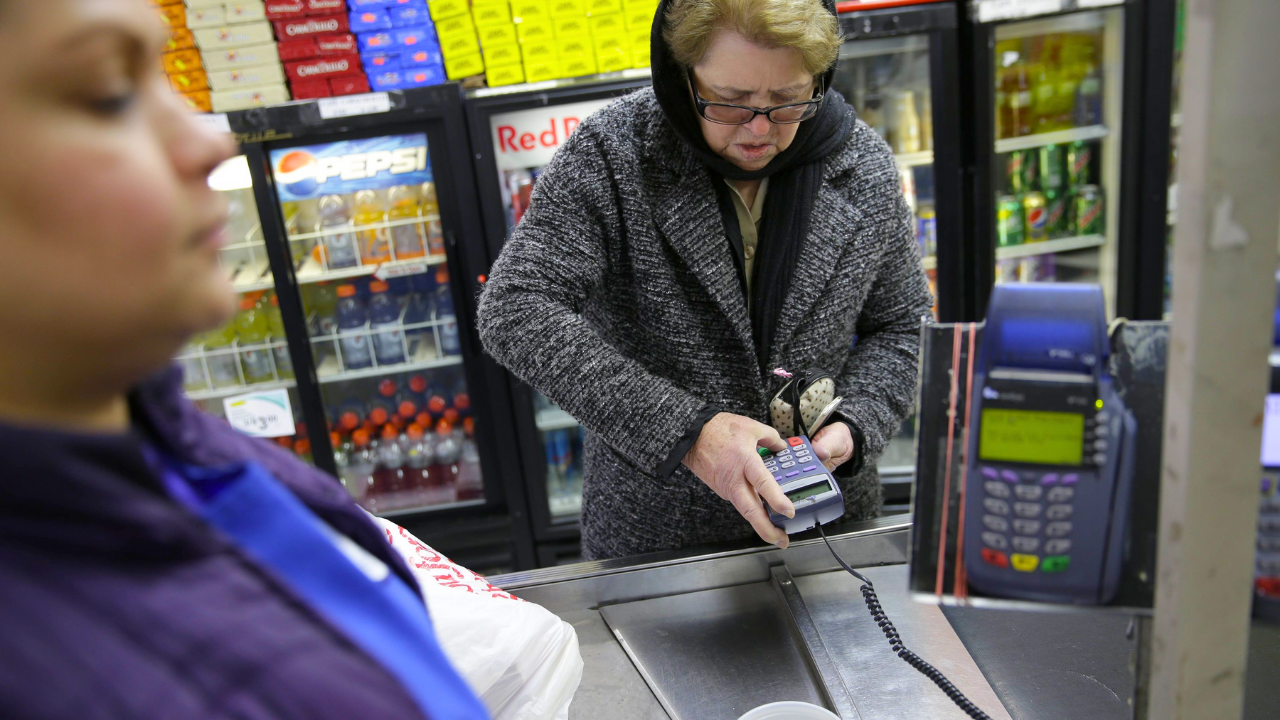
Starting January 1, 2026, five states—Indiana, Iowa, Nebraska, Utah, and West Virginia—became the first to block candy, soda, and energy drinks from being purchased with SNAP benefits.
For the 1.4 million people affected, grocery trips will never be the same. The question looms: will this reshape how low-income Americans shop, or will it spark backlash across the country?
Why States Are Cracking Down on ‘Junk’ Food
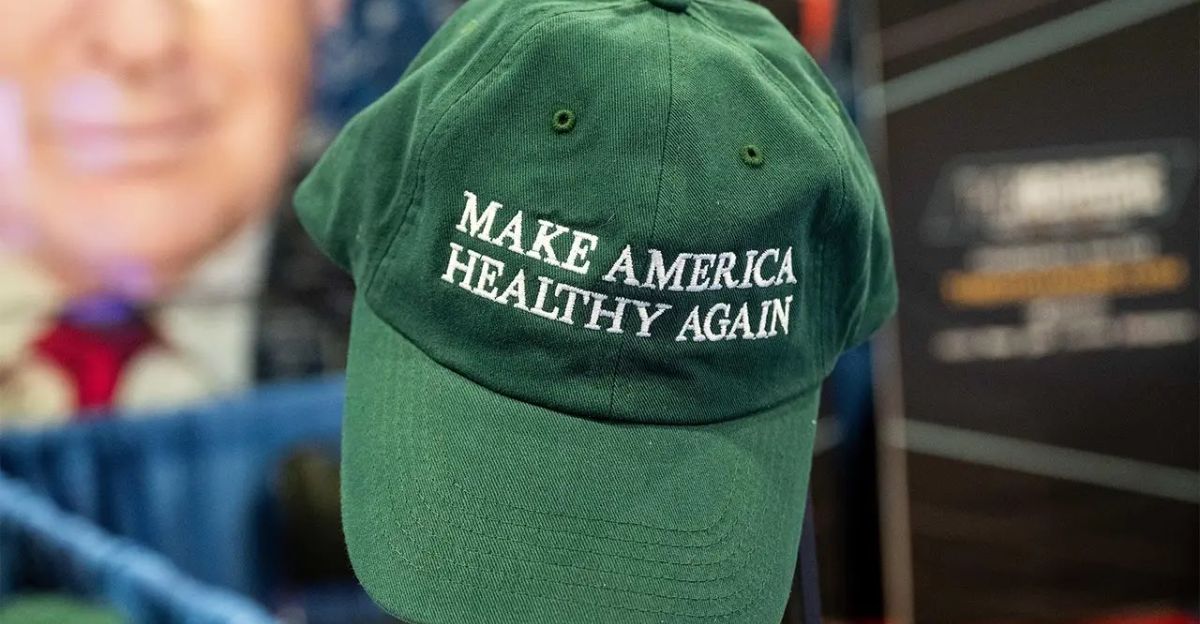
The new restrictions are part of the federal “Make America Healthy Again” initiative, aimed at curbing obesity and diet-related health issues. Governors argue that SNAP benefits should support nutritious food choices.
These actions follow a shift in federal policy, marking the first time states are given the power to exclude entire food categories from SNAP purchases.
SNAP Shoppers Discover New Restrictions at Checkout
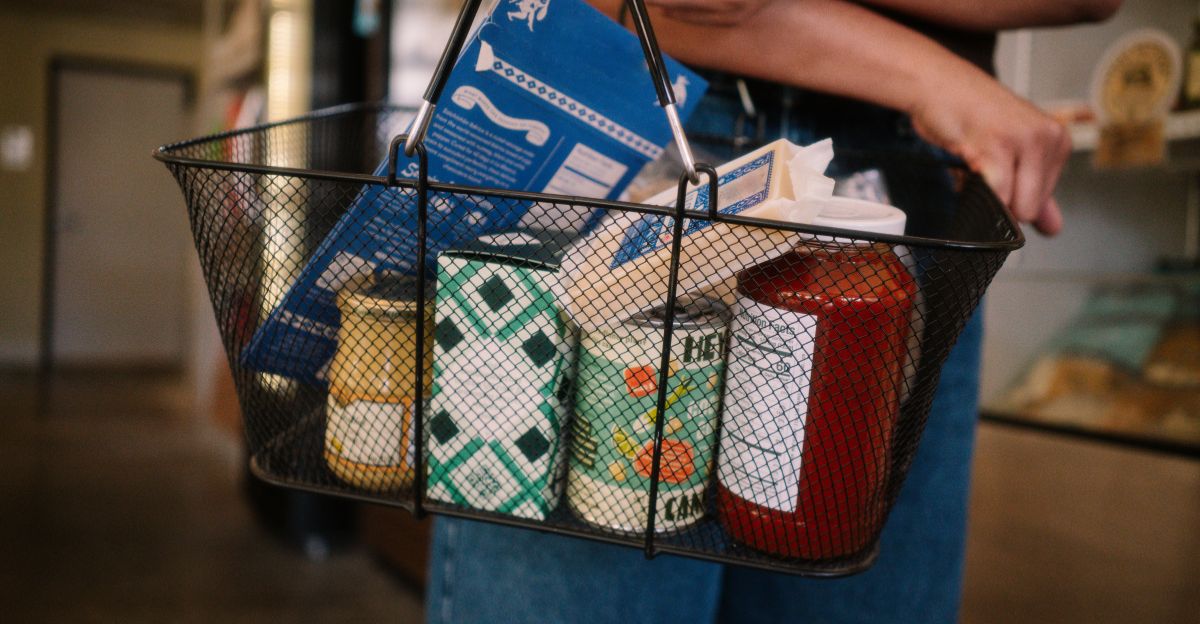
For many SNAP users, a trip to the store will look different in 2026. As new restrictions take effect in Indiana, Iowa, Nebraska, Utah, and West Virginia, families will find their cards rejected for items like soda and candy.
With 1.4 million people impacted, the move is a sudden shift for recipients who have relied on these products being covered by their benefits. Benefit amounts remain unchanged—only the eligible food categories are restricted.
Grocers Brace for Costly System Overhauls
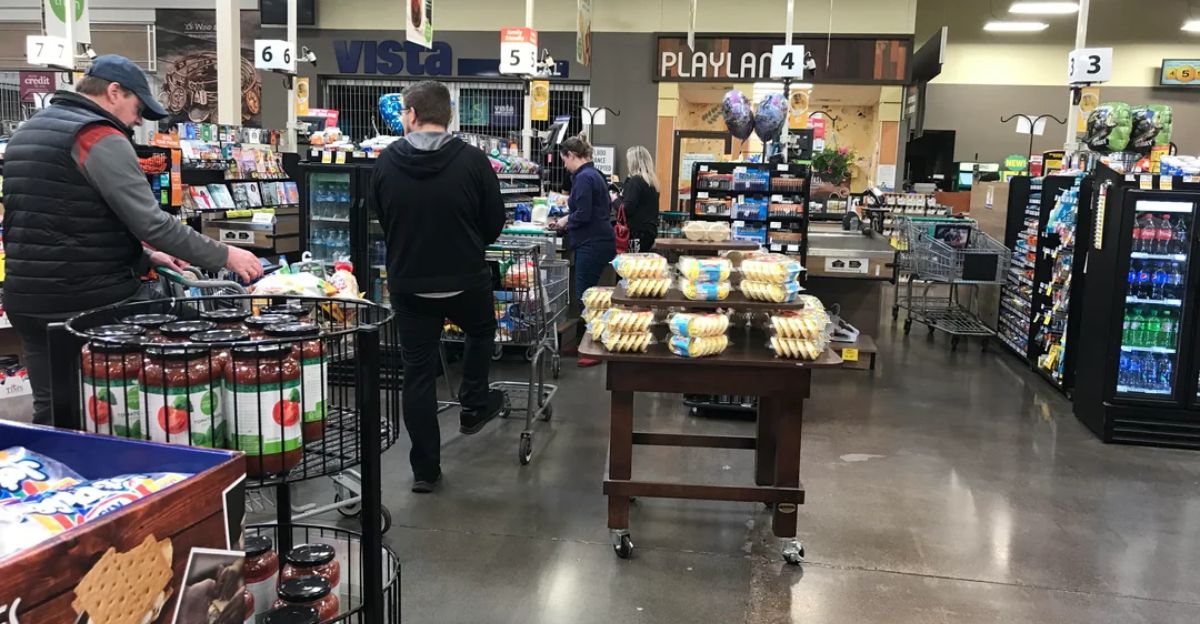
Retailers are preparing for a major financial burden, with the cost of reprogramming checkout systems estimated at $1.6 billion upfront.
Grocers will need to ensure products like soda, candy, and energy drinks are flagged correctly at the register. Retailers also face annual costs of $759 million as they adjust systems to meet the new rules.
Soda and Candy Makers Confront a New Ceiling on Sales
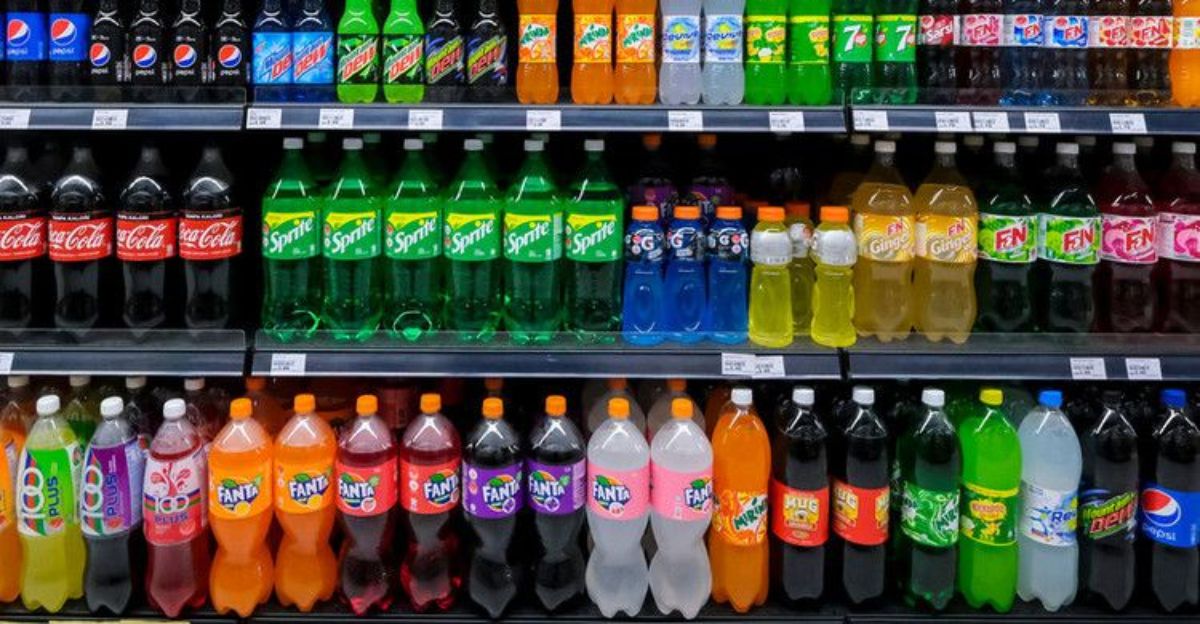
For soda and candy manufacturers, the new SNAP rules signal a major disruption. Losing access to the SNAP market in states like Florida, Texas, and Arkansas could impact millions in sales.
Brands may lose market share to healthier alternatives, with water, juice, and other non-restricted foods expected to benefit from the changes.
Ripple Effects: Supply Chains and Ingredient Markets
Industry observers anticipate the bans on soda, candy, and energy drinks may affect more than just grocery stores. If manufacturers see lower demand for sugar and corn syrup, production lines may slow.
This could impact everything from bottling companies to packaging suppliers, potentially setting off a chain reaction across the supply chain.
Human Stakes: Concerns About Stigma and Access
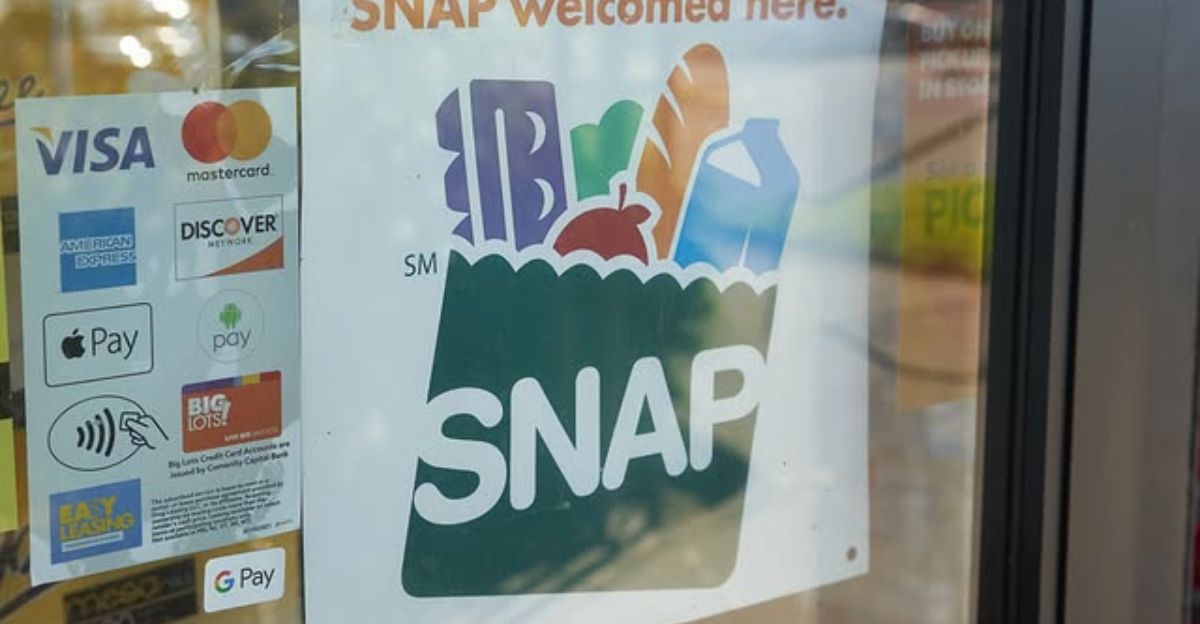
The emotional impact of these restrictions cannot be overlooked. Anti-hunger advocates worry about the stigma low-income families will face when their SNAP cards are declined for popular items.
Public health experts have raised concerns that such policies could create confusion at checkout, especially when healthier alternatives may be more expensive or less accessible.
Governors and Federal Officials Test SNAP’s Purpose
Eighteen states are testing whether stricter SNAP guidelines can improve health outcomes by eliminating “junk” foods.
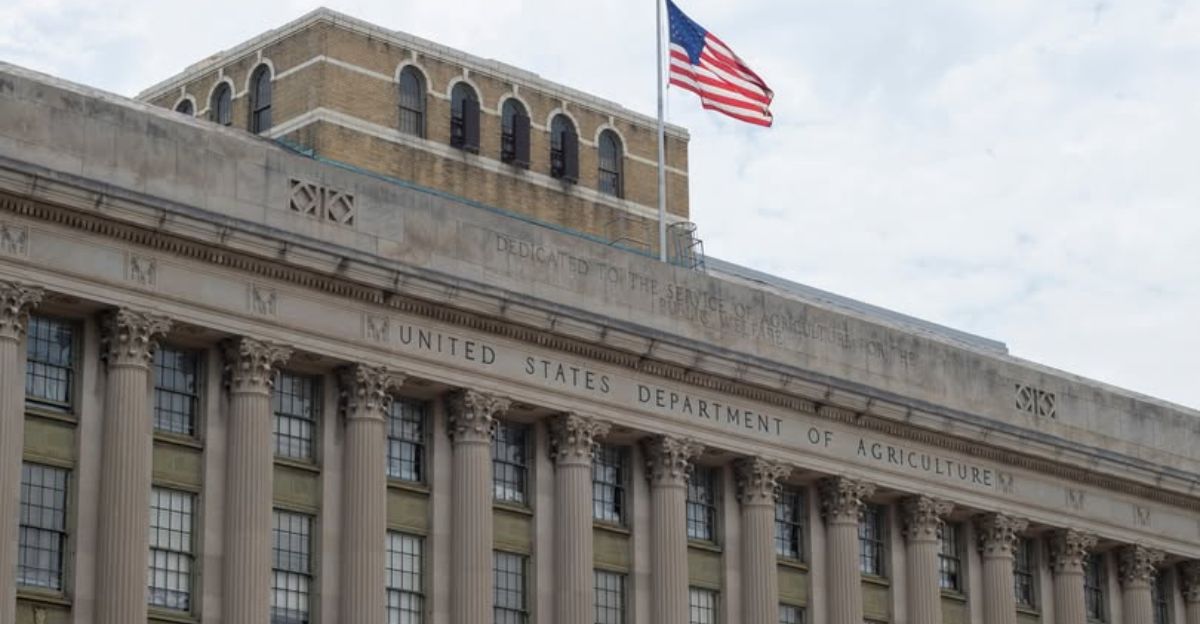
Some governors argue that taxpayers shouldn’t subsidize non-nutritious foods, while the USDA frames the new rules as a historic shift in SNAP policy. This will be tested through state-specific two-year “demonstration projects.”
SNAP: A $100 Billion Program Tweaked at the Edges
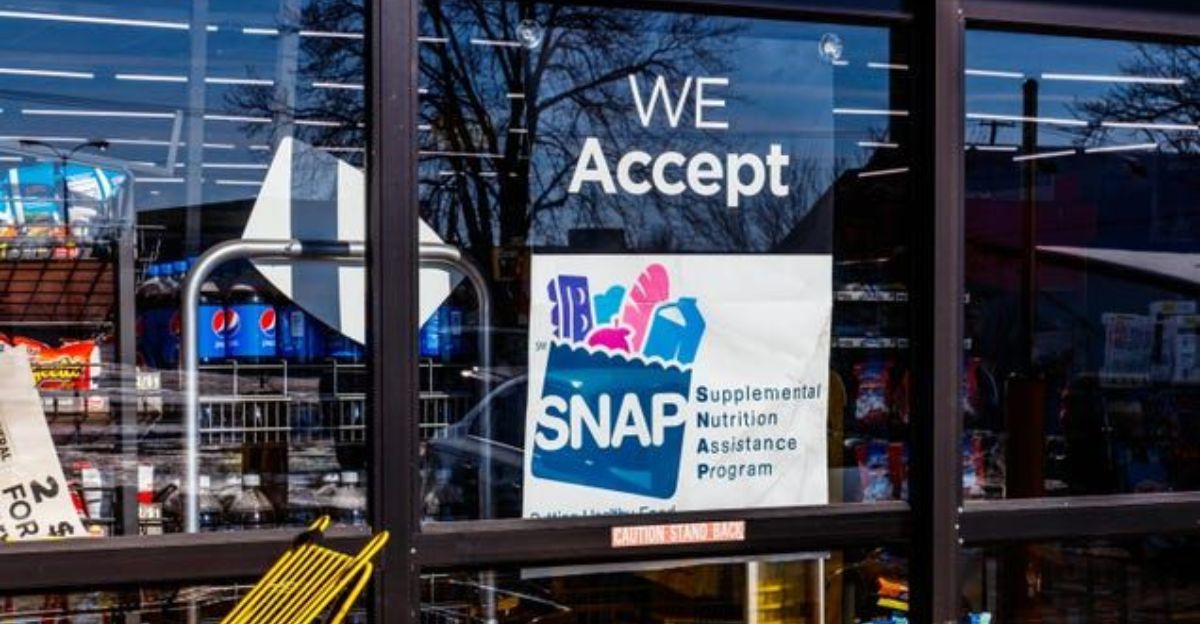
With an annual budget of approximately $100 billion, SNAP is a massive program serving over 42 million Americans.
These new restrictions represent a small but significant shift in how benefits are allocated. As purchasing patterns shift away from soda and candy, families will need to adjust their grocery spending, potentially impacting local prices and inventories.
How Retailers Are Redesigning the Checkout Experience
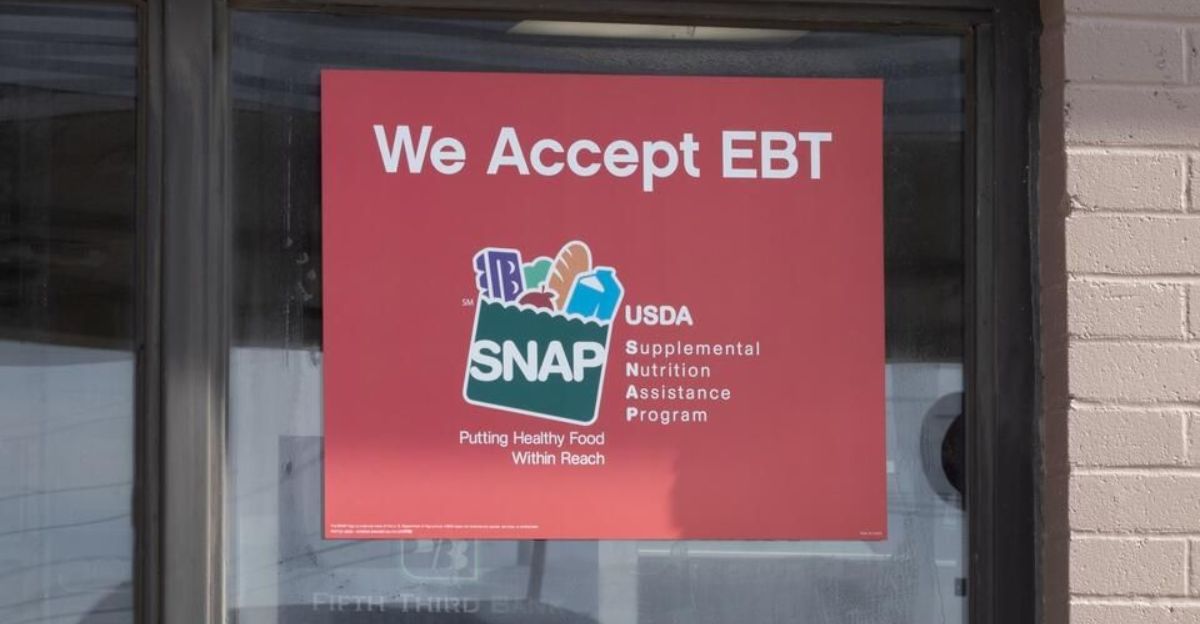
Retailers are making major adjustments to accommodate the new rules. Supermarkets are auditing shelf tags, updating software, and retraining cashiers.
Some stores may introduce separate promotions for eligible beverages, while others might move restricted items away from self-checkout machines to avoid confusion.
Restaurants Watch From the Sidelines
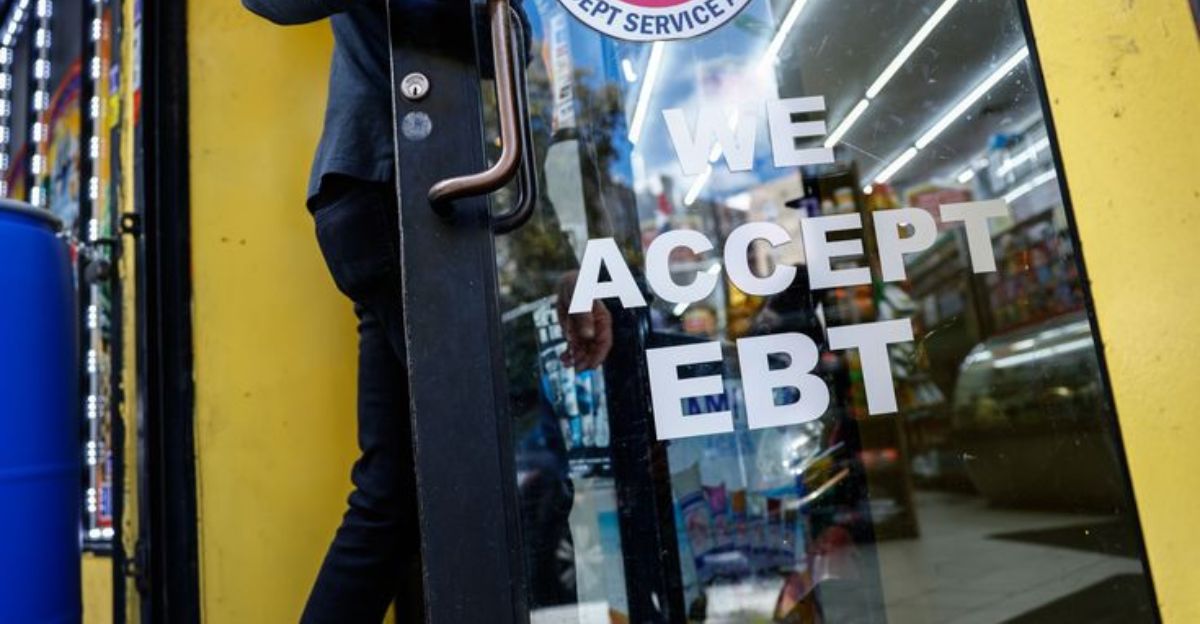
Though the new SNAP restrictions only apply to grocery items, restaurants could experience indirect effects.
As soda and candy sales fall in grocery stores, beverage brands may redirect marketing budgets toward restaurants, theaters, and stadiums, potentially influencing drink menus and combo deals, especially in lower-income areas.
Knock-On Effects: Packaging and Advertising Industries
Manufacturers in the beverage industry, including those focused on sugary drinks, could experience slower growth in states with SNAP restrictions.
Advertising agencies may turn to campaigns that emphasize “healthier” options like no-sugar drinks or non-restricted beverages, potentially rebranding products to fit the new criteria.
International Brands Face U.S. Patchwork Rules

International brands operating in the U.S. will have to navigate a patchwork of SNAP rules. In some states, only soda is restricted, while others will also exclude candy and energy drinks.
This inconsistency could lead to logistical challenges for companies trying to keep track of different rules across 18 states with varying implementation dates throughout 2026.
Could Diets and Health Outcomes Shift Over Time?
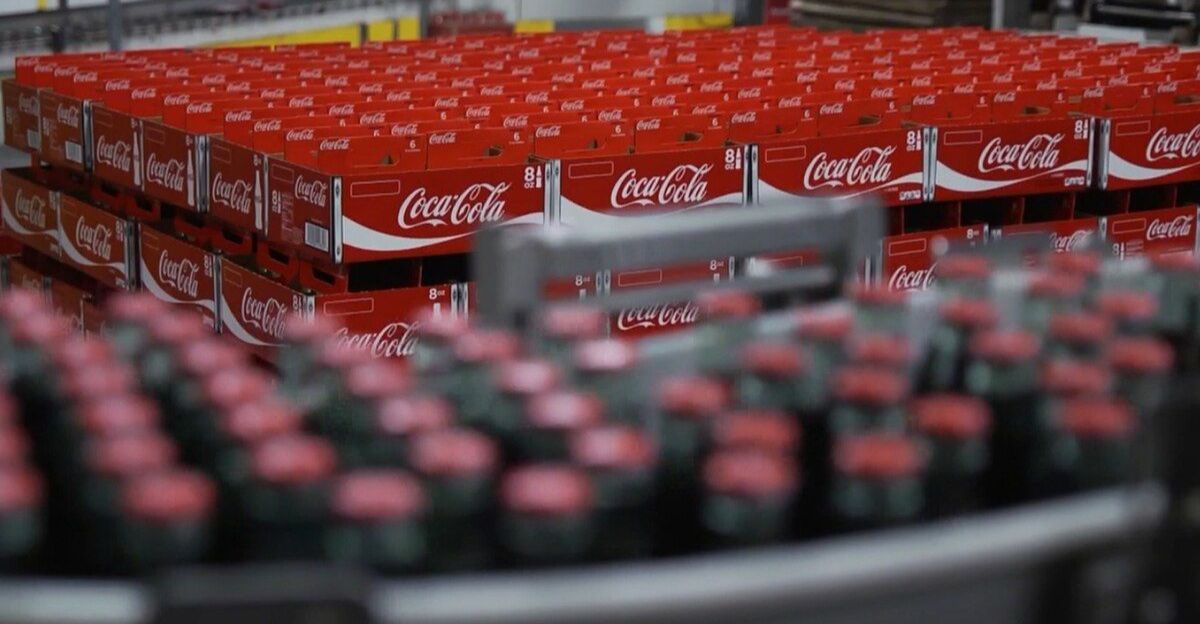
While public health officials hope the new rules will reduce sugar consumption among low-income families, experts warn that the success of the program will depend on whether affordable, nutritious alternatives are accessible.
Research suggests that restricting sugary products alone may not be sufficient to improve overall diets without ensuring access to healthier options.
The Cultural Fight Over Autonomy and Paternalism
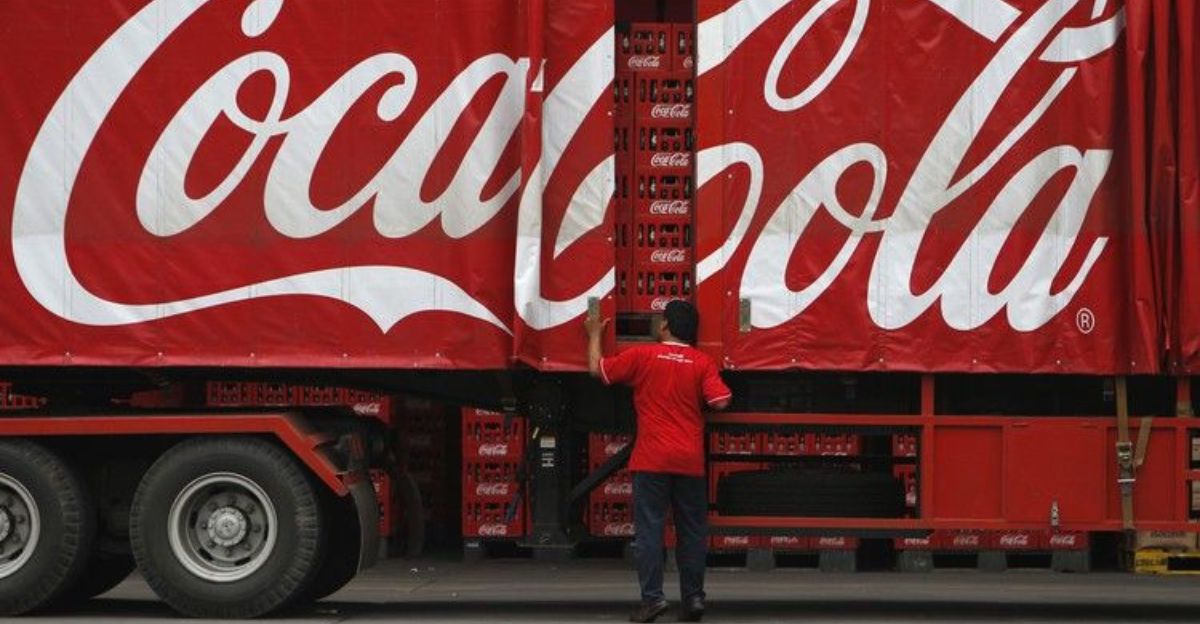
Critics argue that the new restrictions unfairly target low-income families while allowing wealthier individuals to buy whatever they want.
The debate raises questions about how the government defines “junk food” and whether these restrictions will lead to more confusion, resentment, and political backlash.
Unexpected Winners and Losers in the Aisles
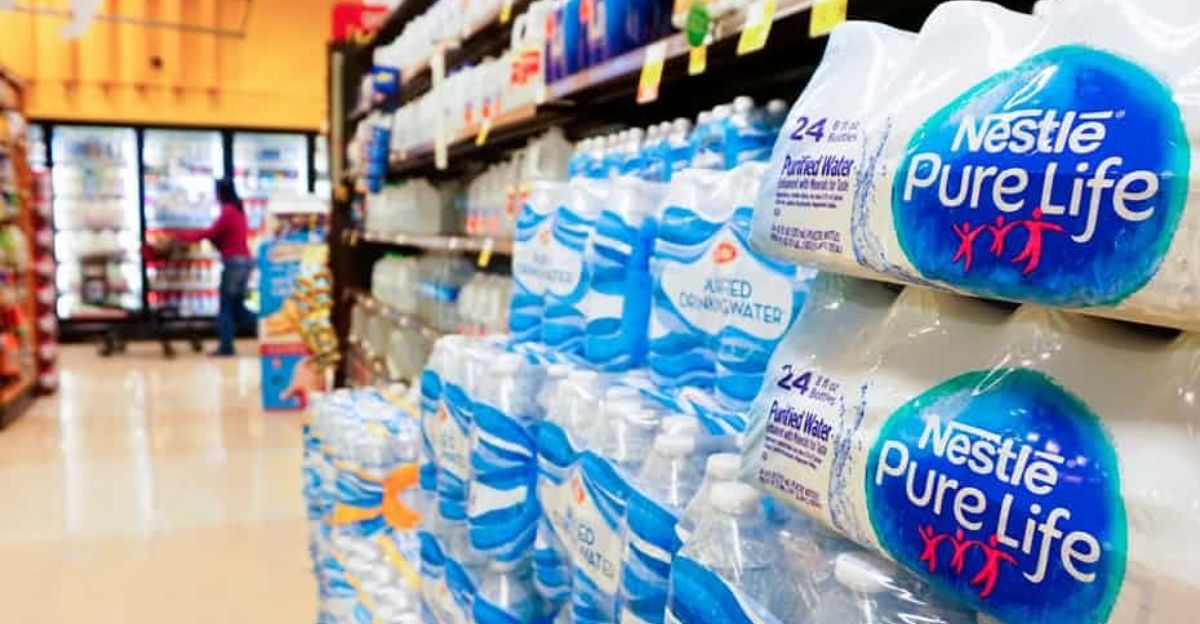
As SNAP recipients adjust to the new rules, certain products stand to gain, while others will see losses.
Bottled water, unsweetened teas, and 100% juice could see sales boosts, while smaller stores that rely on soda and candy sales to SNAP users may lose revenue.
How Investors Might Read the SNAP Shake-Up
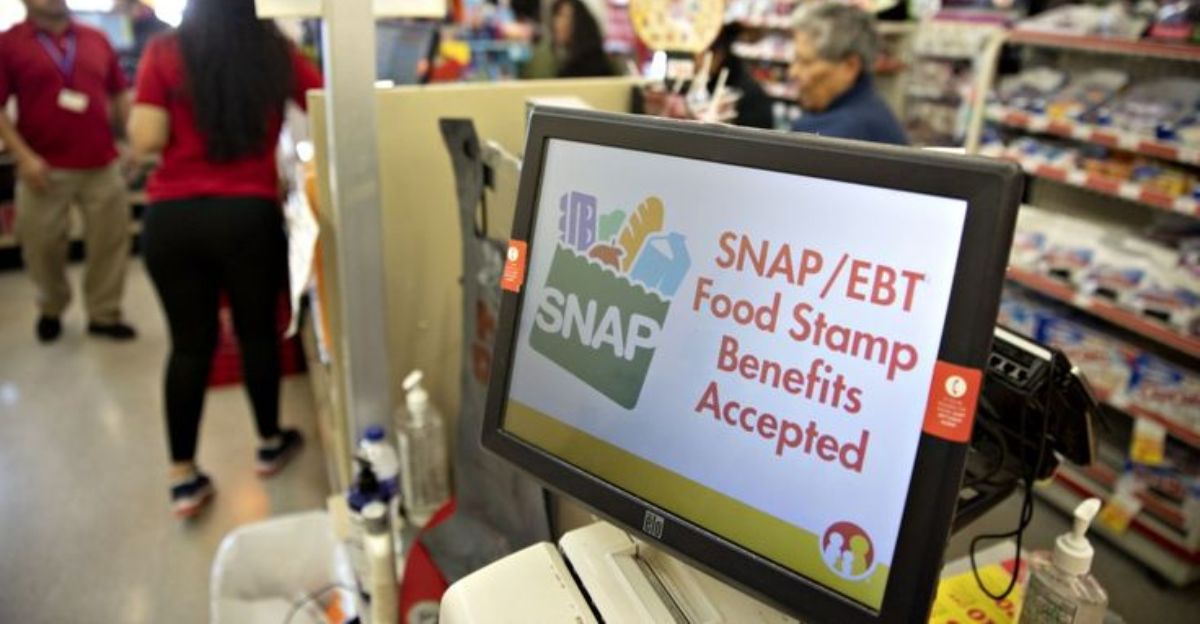
SNAP policy changes could influence investor sentiment in the beverage and grocery sectors. While major immediate stock price shifts are unlikely, companies that produce low-sugar or “healthier” alternatives might find a new selling point in SNAP eligibility.
Retailers in affected areas will also face higher compliance costs that could impact their bottom lines.
What SNAP Households Can Do Right Now
Recipients in the waiver states should stay informed about the new rules and what products are restricted.
Planning shopping trips around eligible foods, using coupons, and seeking help from local food banks can help maximize benefits. Implementation dates vary by state—not all 18 states begin restrictions on January 1, 2026.
More States, More Data, More Debate Ahead
As more states, like Florida (April 20) and Texas (April 1), begin implementing restrictions throughout 2026, researchers will track changes in purchasing patterns and health indicators.
Their findings will help determine if SNAP should continue to limit certain products, and could influence future legislation on federal food programs.
A Test of How Far Nutrition Policy Can Go
The 18-state junk-food experiment of 2026 is a defining moment for SNAP.
The way it unfolds could set new precedents for how public assistance shapes Americans’ diets, challenging the balance between personal choice, public health, and government intervention.
Sources:
“Snap bans on candy, soda to start in five US states.” BBC News, 31 Dec 2025.
“Make America Healthy Again Actions Taken by the Trump Administration.” U.S. Department of Agriculture, 5 Jan 2026.
“SNAP restrictions may cost $1.6B for retailers to implement.” Grocery Dive, 5 Oct 2025.
“SNAP restrictions on soda, candy, and more are coming in 2026. Here’s a map of what each state is doing.” Business Insider, 30 Dec 2025.