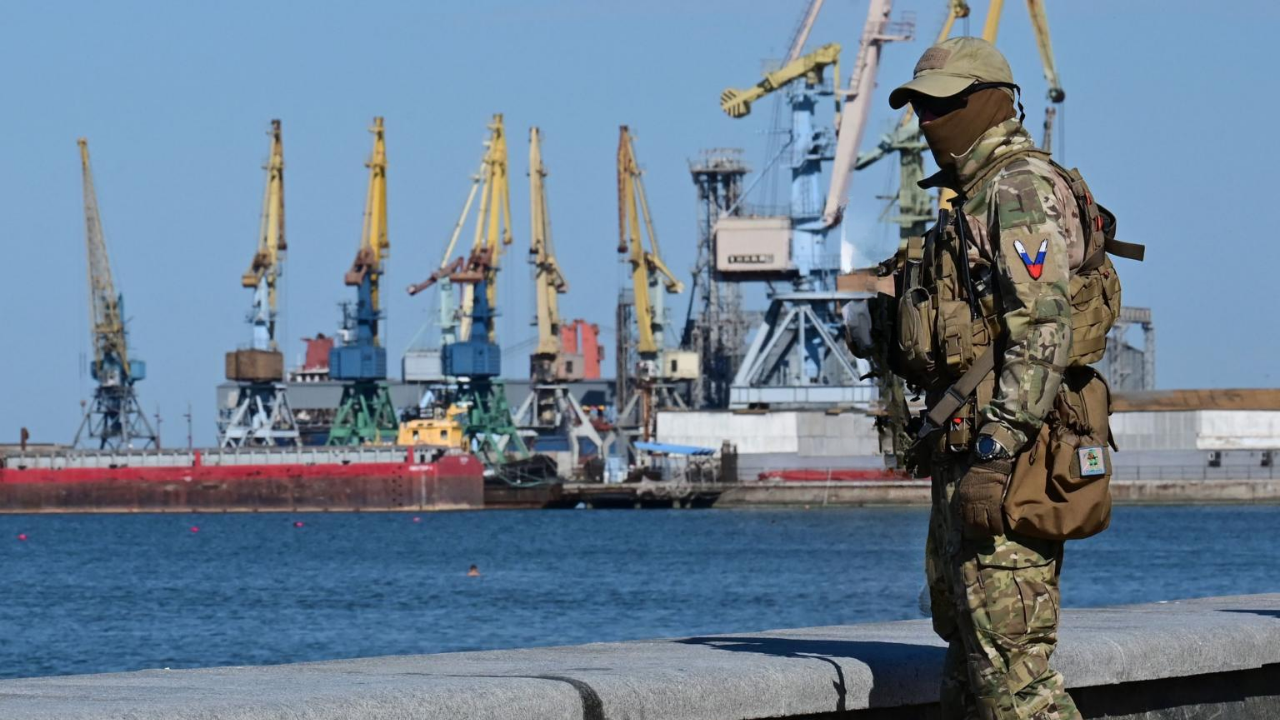
Russia’s “shadow fleet” is now central to avoiding sanctions and safeguarding Kremlin revenues. Between January and September 2025, 113 Russian-linked vessels shipped roughly 11 million tonnes of crude oil, valued at €4.7 billion—13% of Russia’s total exports.
These ships routinely falsify registrations, switch flags, and turn off tracking. By exploiting weak oversight and fragmented international law, Moscow transforms maritime loopholes into tools of geopolitical leverage, effectively weaponizing bureaucratic gaps to protect its war funding.
Exponential Growth—Six-Fold Expansion
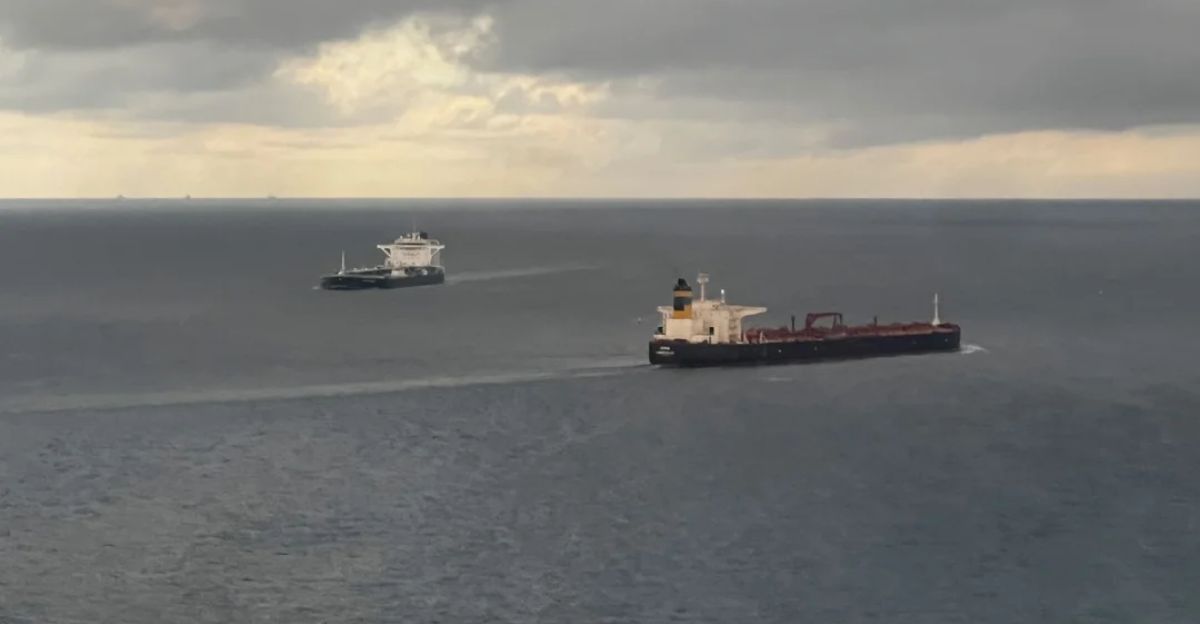
The shadow tanker fleet is expanding at unprecedented speed. From 15 false-flagged tankers in late 2024 to 90 by September 2025, the fleet has grown six-fold in nine months. CREA found that 96 sanctioned vessels used a false flag at least once, and 85 switched flags multiple times.
This rapid adaptation shows how Moscow leverages regulatory gaps: sanctions may intercept one vessel, but new ones quickly replace them, creating a systemic, self-replenishing fleet that remains largely impervious to enforcement.
Danish Straits—€1.4 Billion in a Month\
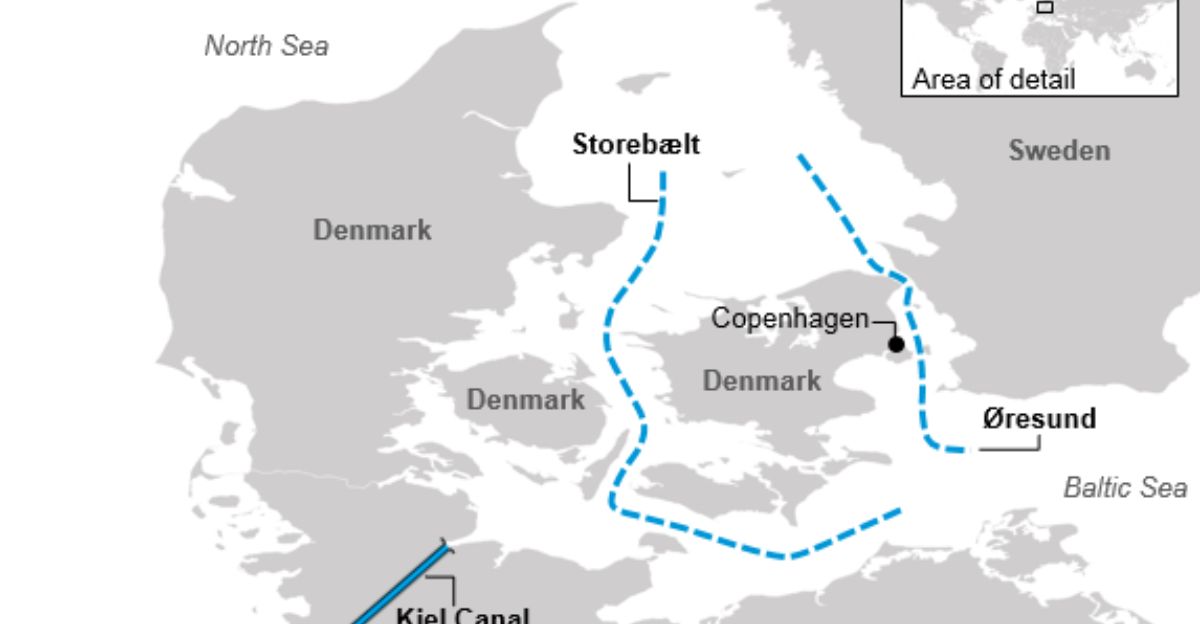
September 2025 saw €1.4 billion in Russian crude pass through the Danish Straits via false-flagged ships. This narrow maritime corridor, critical to global energy flows, experiences spot checks but rarely full interdiction. CREA reports 18 shadow vessels operating in European waters that month, moving €525 million worth of oil with near impunity.
Enforcement remains piecemeal, symbolic, and reactive, allowing Russia to maintain substantial revenue streams despite Western efforts to block sanctioned oil shipments.
India—Crude Spike, Political Risk
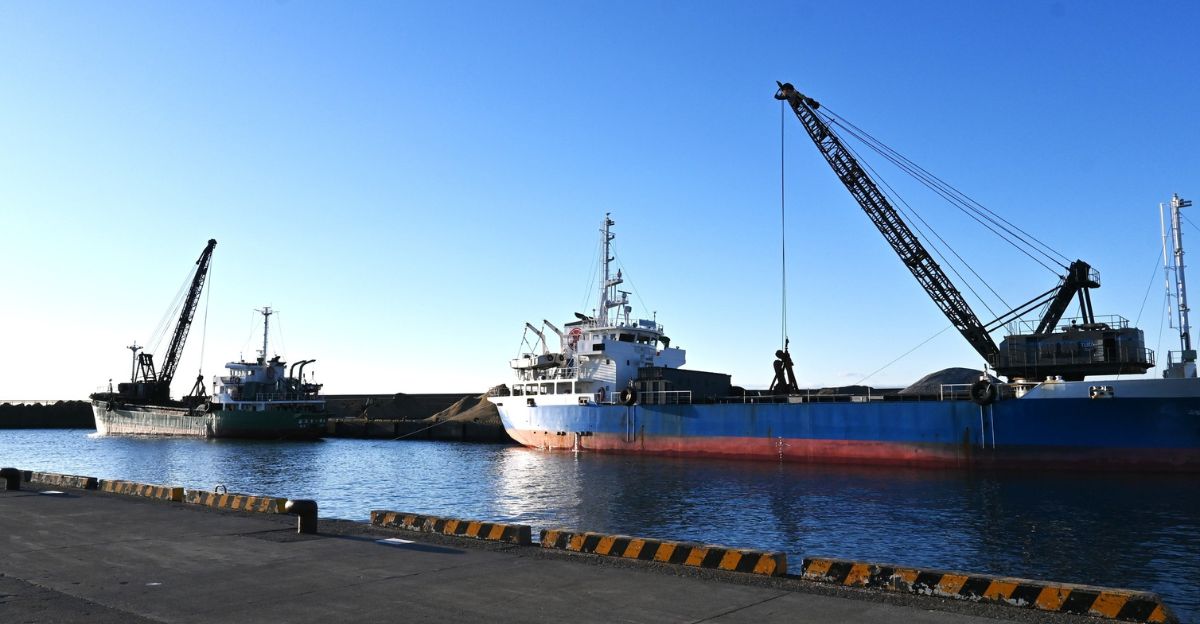
India has emerged as a major recipient of Russian crude, often delivered by shadow fleet tankers. From January to September 2025, 30 false-flagged vessels carried 5.4 million tonnes of oil worth €2.1 billion.
Russian crude now represents nearly 40% of India’s imports, up from under 1% in early 2022. This dependence exposes India’s refiners to political and sanctions risks while enabling Moscow to secure a reliable buyer. Energy security increasingly rests on a supply chain vulnerable to sudden regulatory or geopolitical shocks.
Flag Registries—Jurisdictional Arbitrage
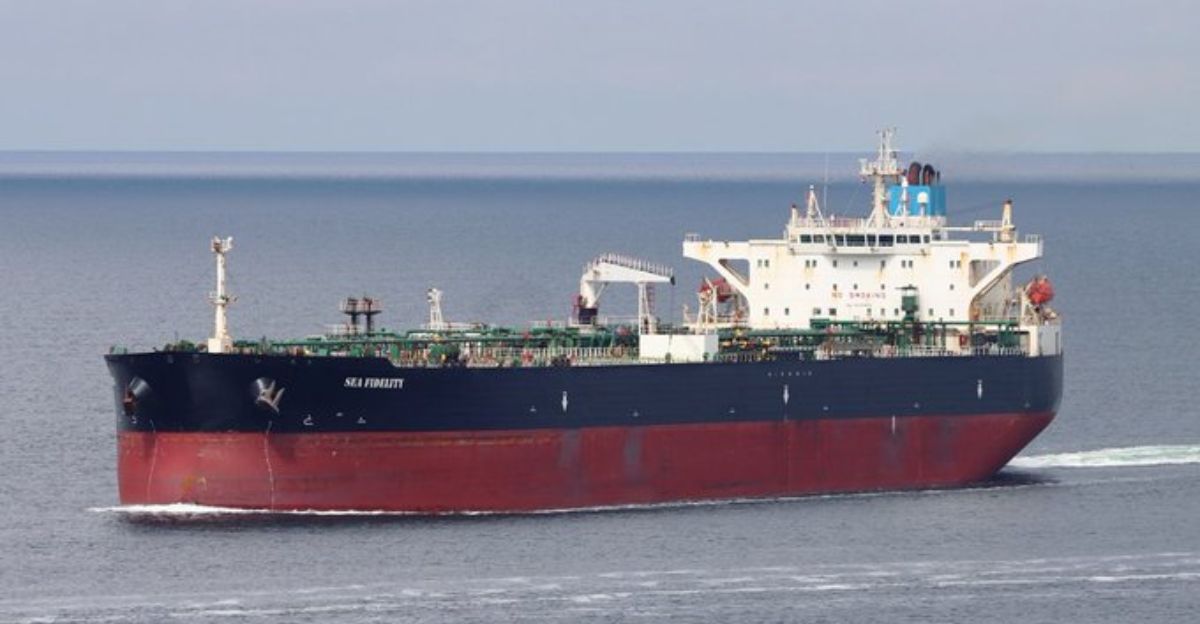
Small or economically vulnerable nations have become central to the shadow fleet’s operations. Six registries went from hosting zero Russian vessels in February 2022 to 162 by September 2025. CREA notes these registries profit from lax enforcement, charging $500–$5,000 per ship annually without meaningful oversight.
UNCLOS requires vessels to fly recognized flags, but enforcement is national. Many flag states lack resources or will to police violations, allowing Moscow to exploit systemic weaknesses in global maritime governance.
Insurance Void—Coastal States Pay the Price
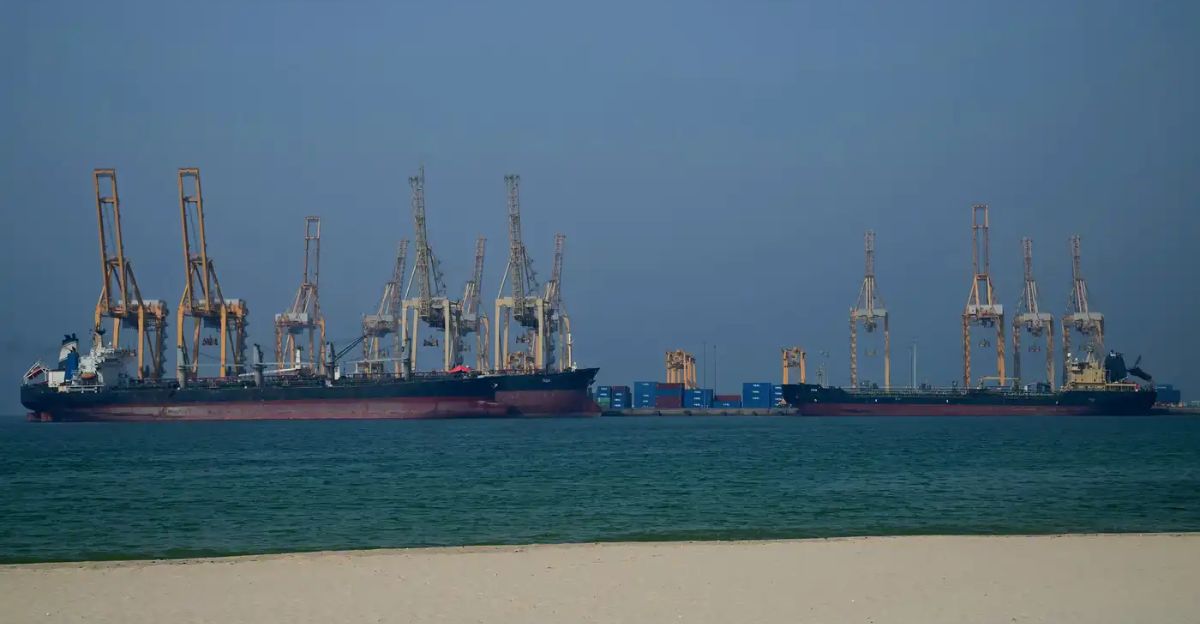
Many shadow fleet tankers operate without credible Western insurance, transferring environmental and financial risk to coastal nations. Uninsured vessels could trigger cleanup costs of hundreds of millions or billions in the event of spills, as past disasters demonstrate.
Russian insurers like AlfaStrakhovanie and Ingosstrakh offer opaque, limited coverage, effectively externalizing liability. EU, UK, and Indian taxpayers shoulder these risks while Moscow continues profiting, highlighting a systemic moral and regulatory imbalance in global oil shipping.
Ship-to-Ship Transfers—Invisible Logistics
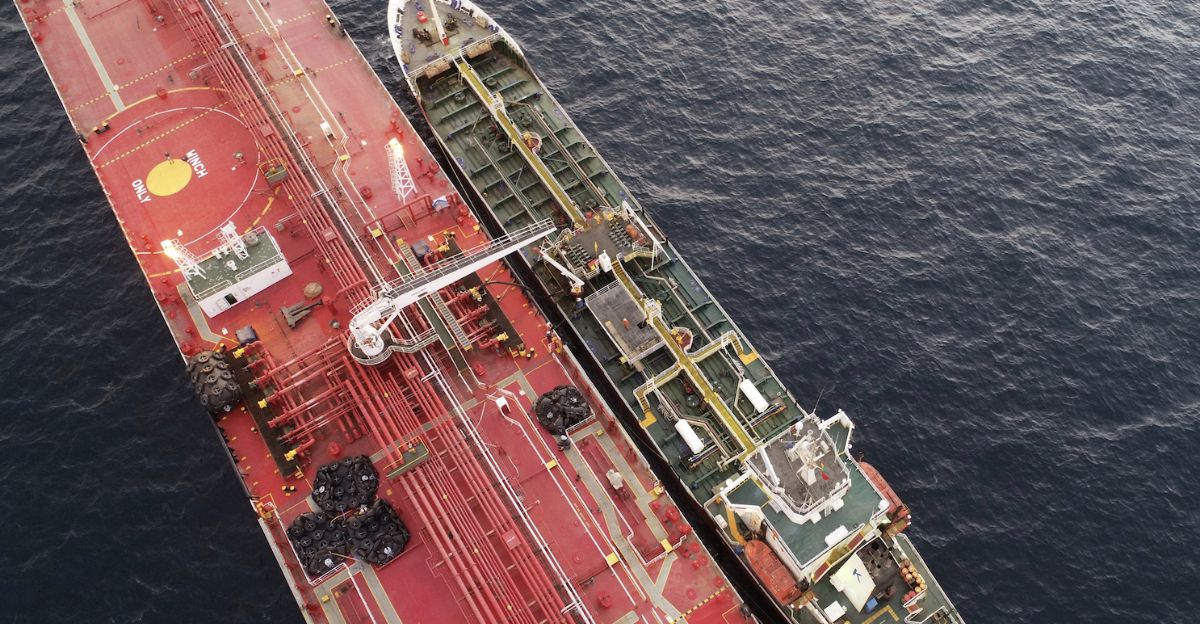
Ship-to-ship (STS) transfers are crucial to shadow fleet operations. Near Greece, Malta, and outside EU waters, up to €91 million in Russian oil changes hands daily.
STS transfers break audit trails, consolidate cargo, and obscure ownership and insurance status. Western-flagged vessels often participate in these operations, unintentionally aiding evasion. Complex regulations make prosecutions difficult, allowing Moscow to maintain operational resilience despite international efforts to enforce sanctions on individual vessels.
Iran’s Sanctions Playbook—Russia’s Upgrade
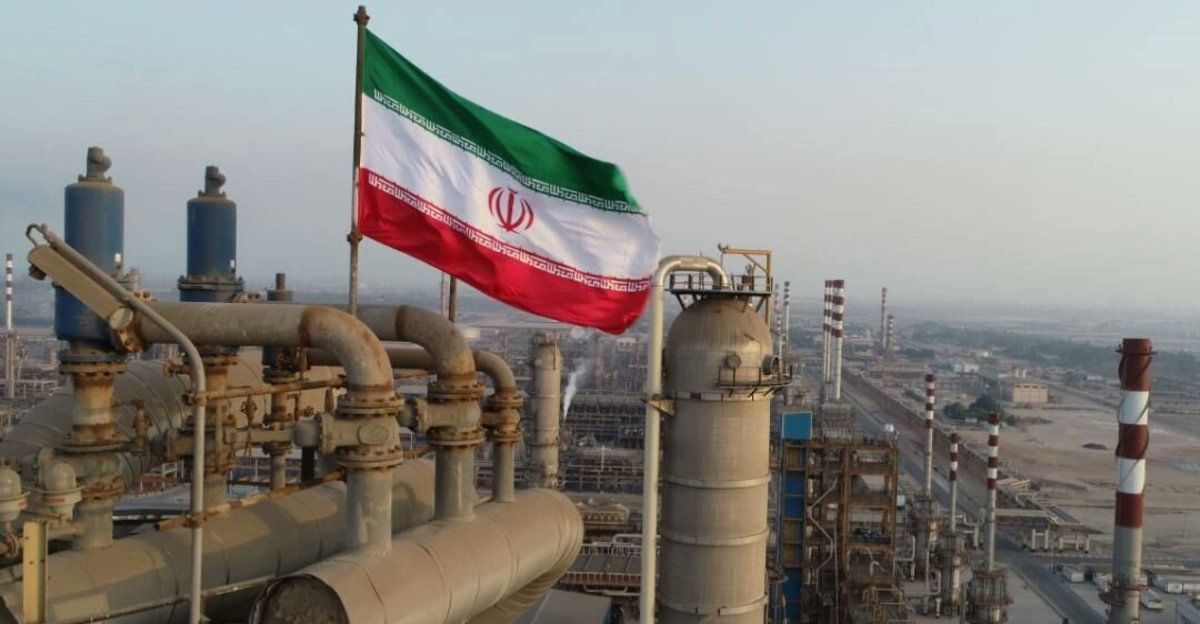
Russia has adapted and expanded Iran’s post-2012 evasion tactics. Back then, 15–20% of Iranian crude reached buyers via shadow vessels. With larger resources and major buyers like India and China, Russia has scaled this model dramatically.
Sanctions cannot fully block exports; they primarily increase logistical costs. Moscow’s operations demonstrate that as long as key importers remain politically indifferent, embargoes can delay, complicate, or increase operational costs, but cannot stop revenue flow entirely.
Human Cost—Shadow Fleet Crew Risks
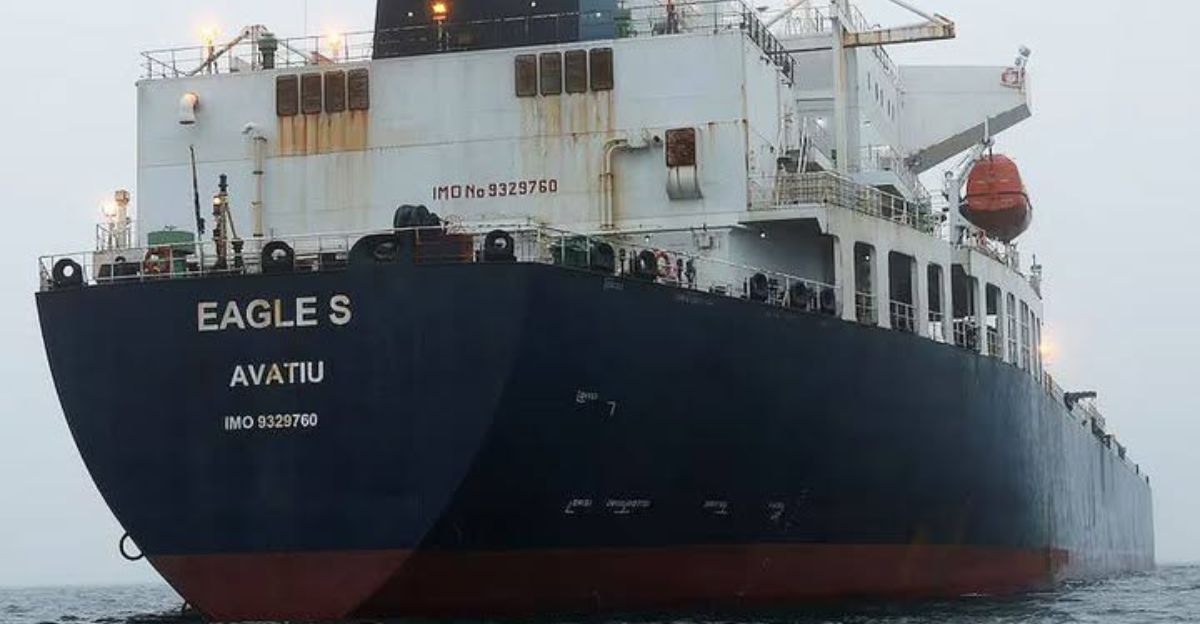
Crew welfare is a hidden cost of shadow fleet operations. Most tankers are aged, minimally maintained, and employ workers from Eastern Europe, South Asia, and Africa for 30–40% lower pay. Extended hours and poor safety raise accident risks.
Minimal insurance or oversight means injuries often go uncompensated. This human toll is rarely discussed in policy debates but is central to the ethical cost of sanctions evasion, exposing laborers to life-threatening conditions while protecting Moscow’s profits.
Registry Case Study—Benin & Palau
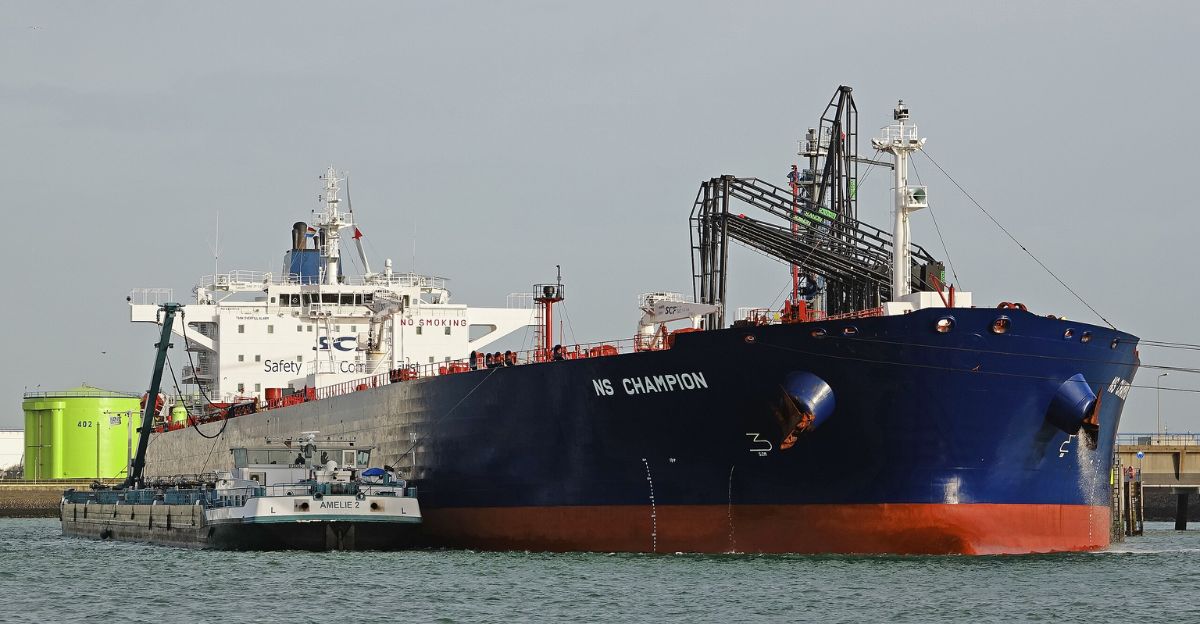
Benin and Palau exemplify registry exploitation. Benin’s registry hosted 12 Russian shadow tankers by September 2025, up from zero pre-2022.
Palau earns millions by registering ships without enforcing sanctions compliance. Weak economies monetize oversight credibility, undermining global sanctions regimes. This financial incentive erodes the legitimacy of maritime governance, enabling systemic evasion while providing immediate revenue to microstates at the expense of international regulatory effectiveness.
AIS Disabling—Obscured Movements
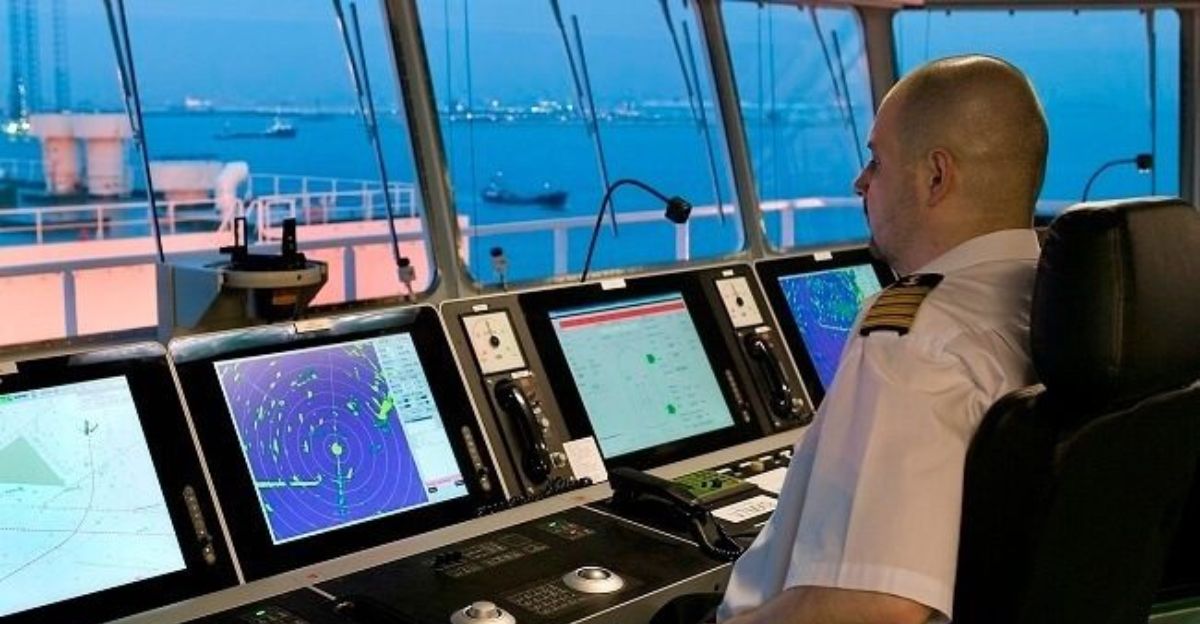
Automatic Identification Systems (AIS) are frequently disabled. CREA reports up to 60% of false-flagged vessels turned off AIS at least once between January and September 2025, disappearing for 18–36 hours on average.
This obscures port calls, STS transfers, and cargo tracking, complicating maritime safety and enforcement. Authorities and insurers rely on AIS for oversight; frequent disabling allows vessels to operate with minimal scrutiny, increasing collision risks and further insulating Moscow from accountability.
Financial Shells—Insurance, Banking, Sanctions Arbitrage
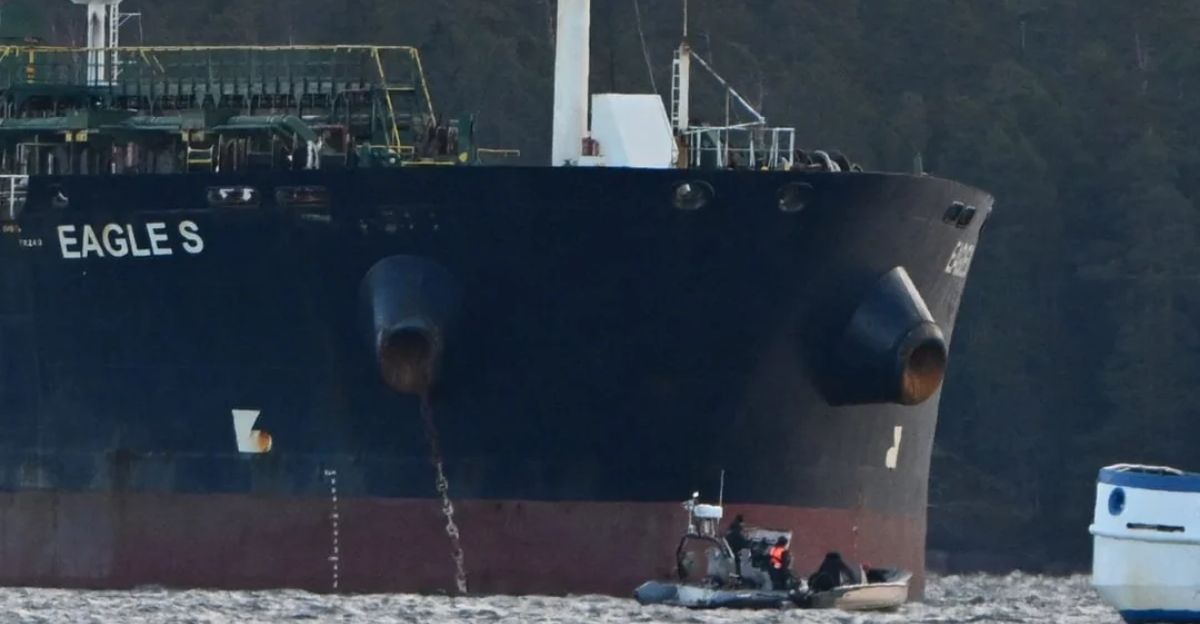
Shadow tankers employ complex financial structures combining Russian P&I coverage and intermediaries in Dubai or Hong Kong. Shell companies obscure ownership, liabilities, and insurance, making prosecutions difficult.
CREA finds only 15% of vessels with valid insurance, while profits are reinvested into fleet replacement. This financial opacity ensures that Western interdictions remain largely symbolic, allowing Moscow to sustain operations, quickly replace seized ships, and maintain a revenue pipeline largely unaffected by sanctions.
Geopolitics—Sanction Deterrence Fractured
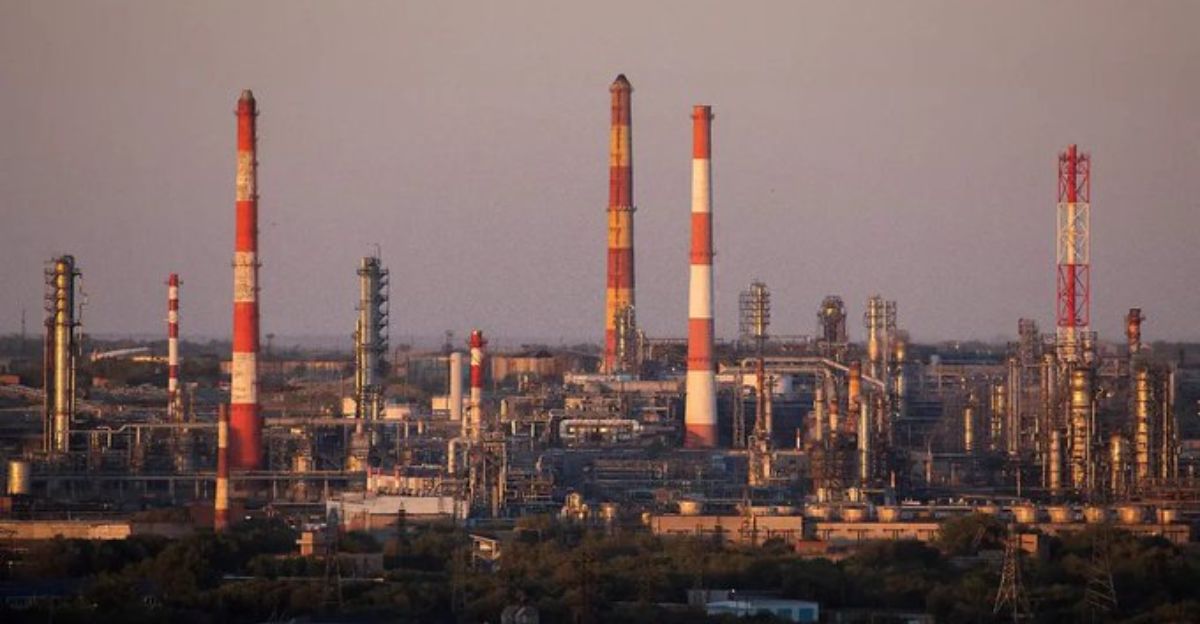
Russia’s ability to export 13%+ of its crude despite sanctions erodes Western deterrence. China observes and may adopt similar strategies, while India operates comfortably within the shadow logistics network. Moscow’s success signals that sanctions enforcement can be circumvented with systemic coordination and willing buyers.
This undermines the strategic credibility of embargoes and sets a global precedent: nations can sidestep trade restrictions if they effectively exploit maritime loopholes and global compliance gaps.
Enforcement Asymmetry—Why Tactics Fail
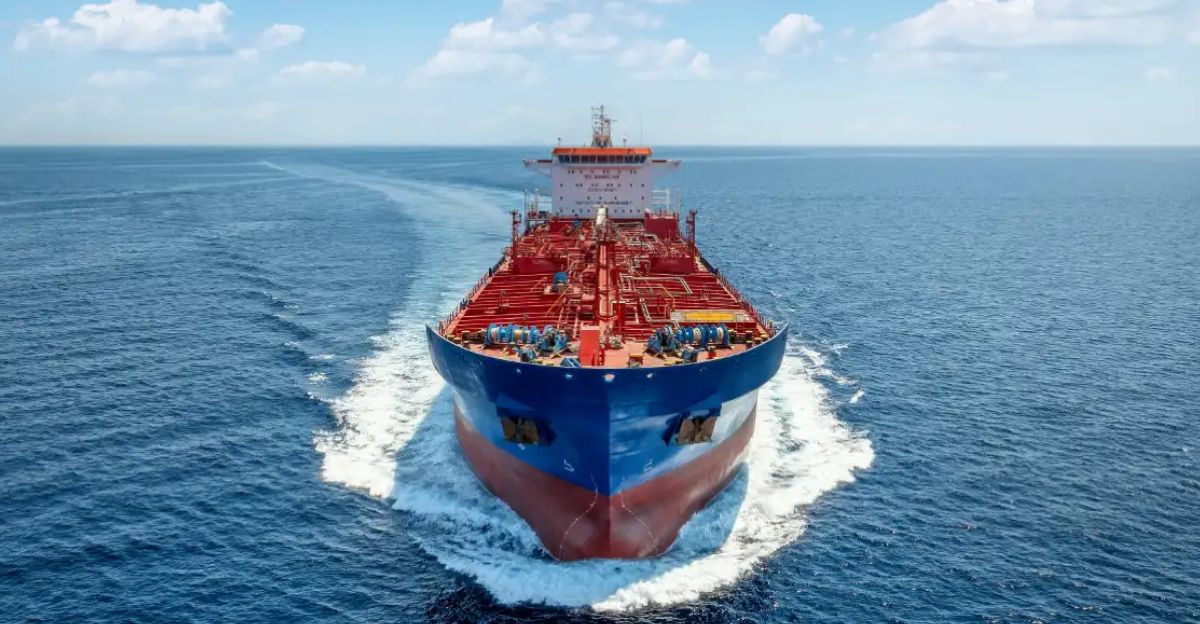
Western enforcement relies on detentions, seizures, and flag appeals, but CREA shows only 12–15 shadow tankers were detained in 2025, while the fleet grew over 400%. Seized ships are replaced quickly, usually older vessels.
Targeting individual ships fails against a networked, adaptive system. Each interdiction allows Moscow to “upgrade” its fleet, leaving enforcement perpetually behind. Regulatory tools aimed at single vessels cannot match the scale and speed of shadow fleet expansion, rendering most Western actions operationally ineffective.
Conclusion—Blood Oil Becomes the New Normal
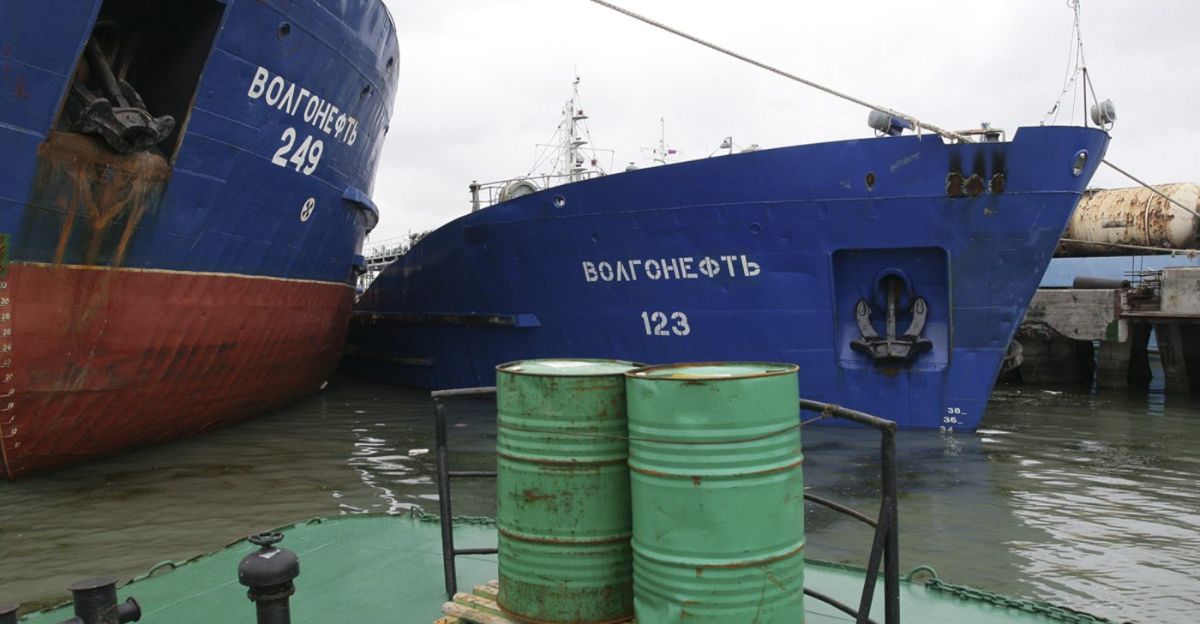
€1.4 billion in Russian crude slips through the Danish Straits monthly, with environmental and humanitarian costs offloaded to coastal states and maritime labor. The shadow fleet demonstrates scale, sophistication, and resilience, highlighting the limits of existing sanctions.
Without structural reforms—joint enforcement, technology-driven oversight, and end-consumer accountability—blood oil will remain entrenched. Western embargoes risk losing credibility and strategic weight, leaving Moscow’s revenue streams largely intact while creating global precedent for sanctions evasion.
Sources:
- Economic Times, “30 false-flag tankers shipped EUR 2.1 bn,” Nov 27, 2025
- New Indian Express, “EU think tank claims 30 false-flag tankers shipped €2.1 bn,” Nov 26, 2025
- BIMCO/Riviera, “India’s seaborne Russian crude imports hit 40%,” Aug 13, 2024
- Reuters, “India’s Russian oil imports rise,” Nov 3, 2025
- KSE, “Oil Spill Insurance and the Shadow Fleet,” Feb 13, 2025
- S&P Global, Quote/Interview Skuld CEO
- IMO, “Registration of ships and fraudulent registration matters,” Dec 2024