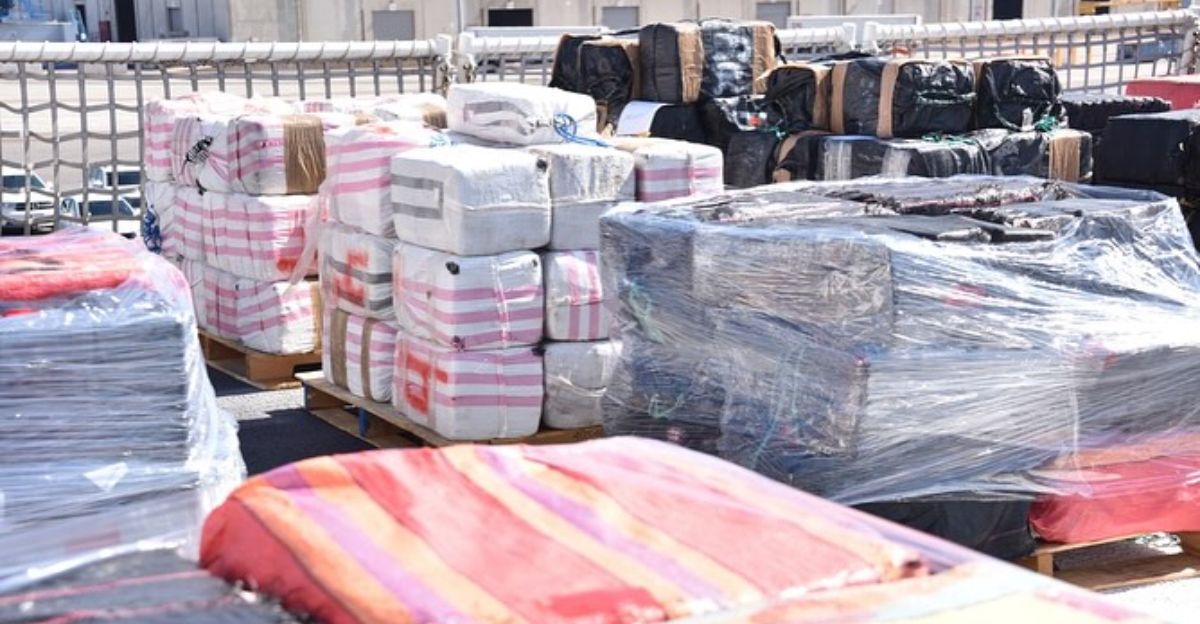
The US Coast Guard has achieved a significant victory in maritime narcotics interdiction with the recent seizure of a $1.4 billion drug fleet in the Eastern Pacific.
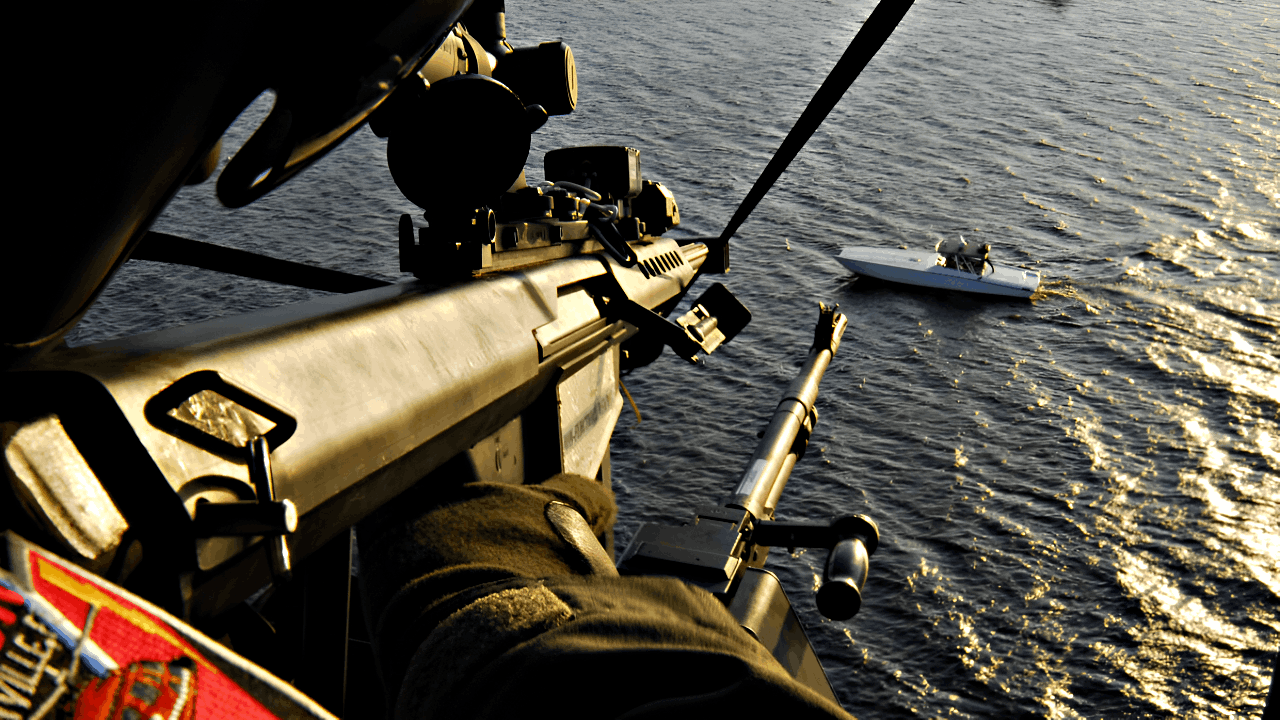
More than 100,000 pounds of cocaine have been seized as a result of Operation Pacific Viper, which was started in early August 2025 and accounts for 26% of the Coast Guard’s total seizures for FY 2025. The elite Helicopter Interdiction Tactical Squadron (HITRON), working with aircraft and cutters, disables smuggling vessels with precision rifle fire, enabling interdiction teams to board and seize drugs.
The Historical Background of Drug Interdiction at Sea
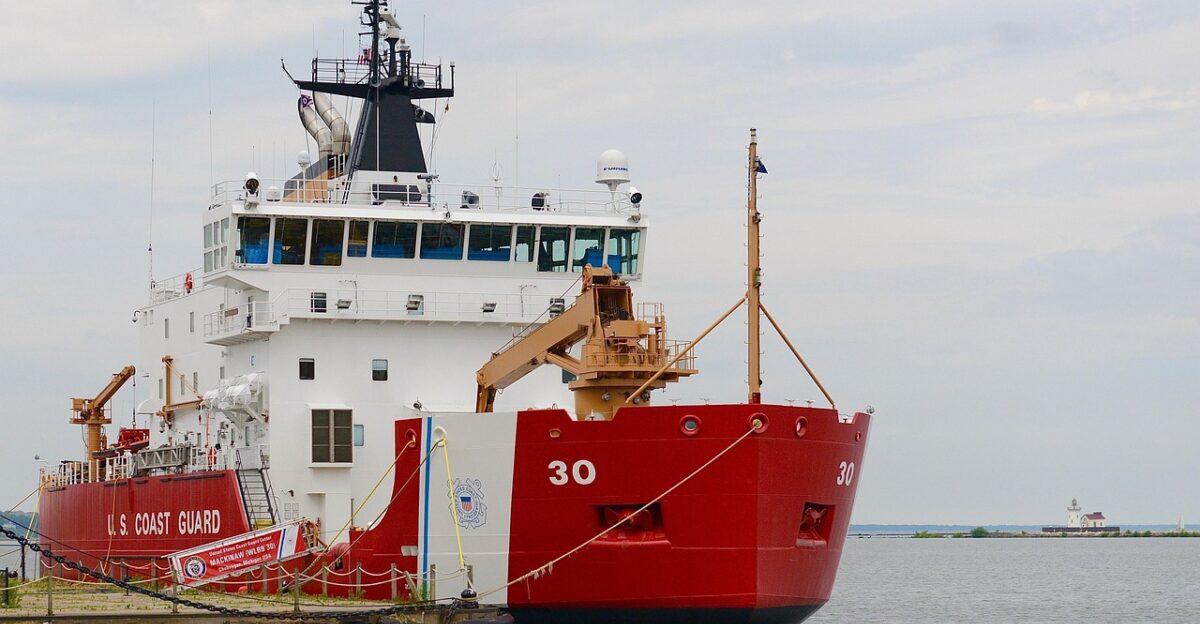
Since crude patrols were the standard in the late 20th century, maritime drug interdiction has undergone significant change. To improve the effectiveness of interdiction, the US Coast Guard has progressively incorporated tactical units and cutting-edge technologies.
Established in 1999, HITRON is a groundbreaking innovation that uses helicopter-based precision shooting techniques to neutralize speedboats, improving interdiction effectiveness and reducing risks to boarding teams.
The Strategic Plan for Operation Pacific Viper
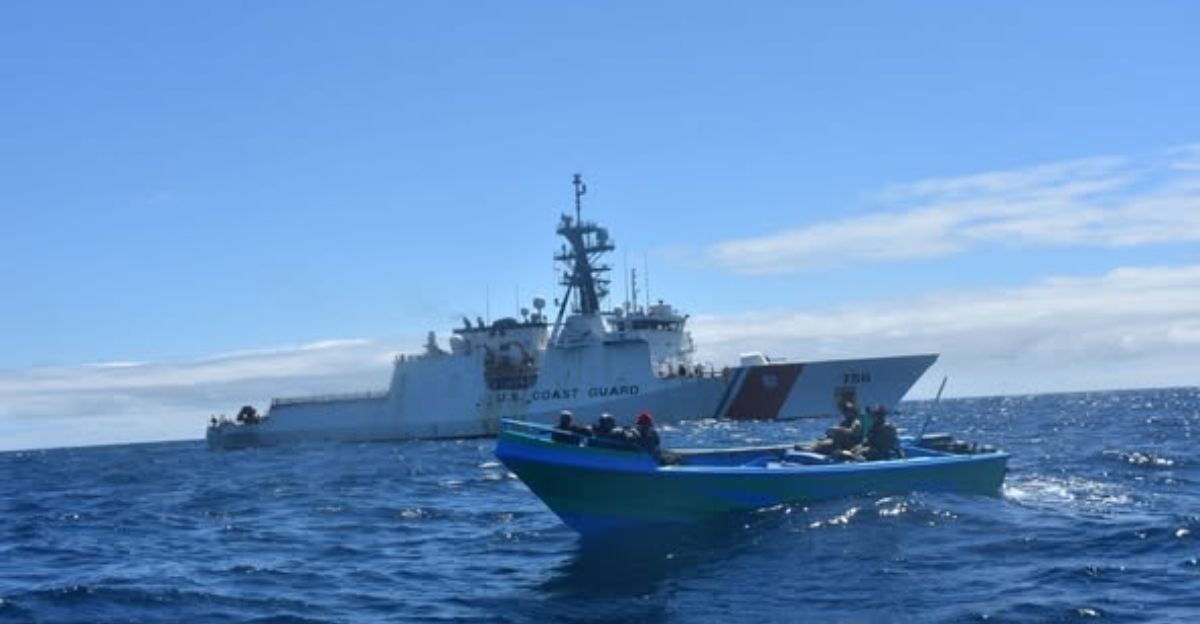
An example of a multifaceted strategy for drug interdiction in a vital maritime area is Operation Pacific Viper. For the past two and a half months, it has seized 1,600 pounds of cocaine every day on average since early August 2025.
Supported by P-8 Poseidon spy planes, V-BAT drones, and HITRON precision snipers, the operation uses a surge of specialized cutters, including Stone, Hamilton, Midgett, and Seneca. Throughout the Eastern Pacific drug routes, this multi-platform strategy optimizes surveillance and quick response capabilities.
The HITRON Snipers’ superior tactical skills
The tactical innovation of HITRON is its remote engine disablement of smuggling vessels using precision rifle fire from helicopters. By avoiding direct confrontations, this strategy lowers the risk to boarding teams and stops fast-paced escapes.
In August 2025, HITRON crews celebrated their 1,000th interdiction when they neutralized a vessel off the coast of Mexico that was carrying 3,600 pounds of cocaine worth $49 million. Because of its advanced weapons, real-time intelligence integration, and intensive training, HITRON has proven to be a powerful force multiplier in naval counter-narcotics operations, directly affecting narco-trafficking logistics and lowering illicit flow volumes.
Cocaine Trafficking Route Trends
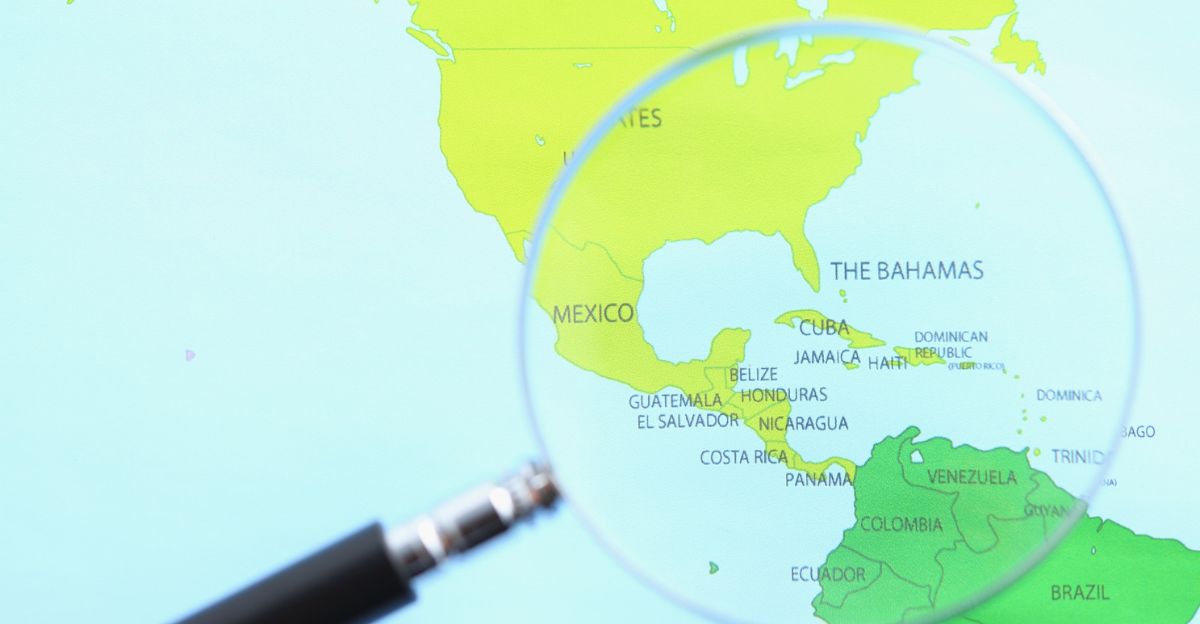
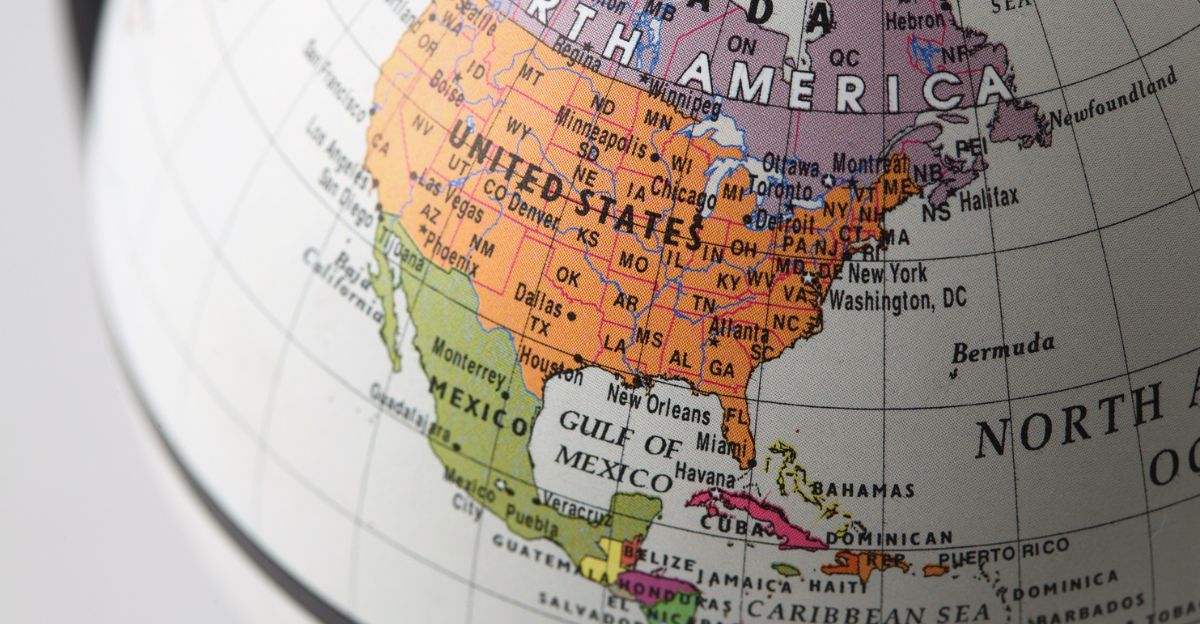
Colombian, Peruvian, and Ecuadorian drug cartels have historically controlled the Eastern Pacific, a key route for cocaine trafficking from South America to the U.S. market. In order to avoid land-based enforcement, traffic shifted to maritime routes.
The necessity of maritime dominance in counter-narcotics is reinforced by enhanced interdiction efforts such as Operation Pacific Viper, which demonstrate awareness of this evolution. Fast, low-profile vessels are widely used, which calls for technological intelligence and precision strike capabilities provided by assets like drones and HITRON. In order to combat the growing sophistication of traffickers in maritime smuggling, these adaptations are essential.
Maritime Drug Enforcement’s Difficulties
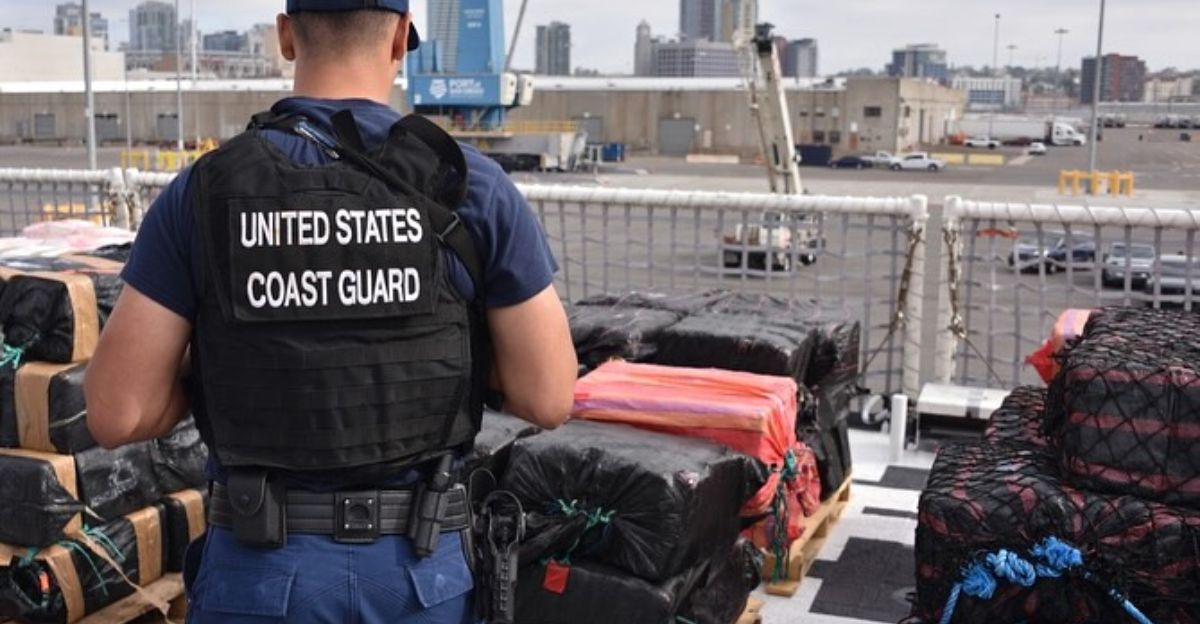
There are many obstacles to enforcing drug interdiction at sea, including large maritime areas, the swift and nimble designs of smuggling boats, and the clandestine nature of trafficking networks. Weather and sea conditions are examples of environmental factors that make surveillance and interception more difficult.
Operational scope is also restricted by legal restrictions and the need for international cooperation. Smugglers use strategies like using decoy vessels and jettisoning drugs to evade detection. These elements highlight the need for technologically sophisticated, flexible, and agile strategies as well as ongoing international intelligence sharing frameworks, which are exemplified by Pacific Viper and similar operations.
Effects on Narco-Traffickers’ Minds
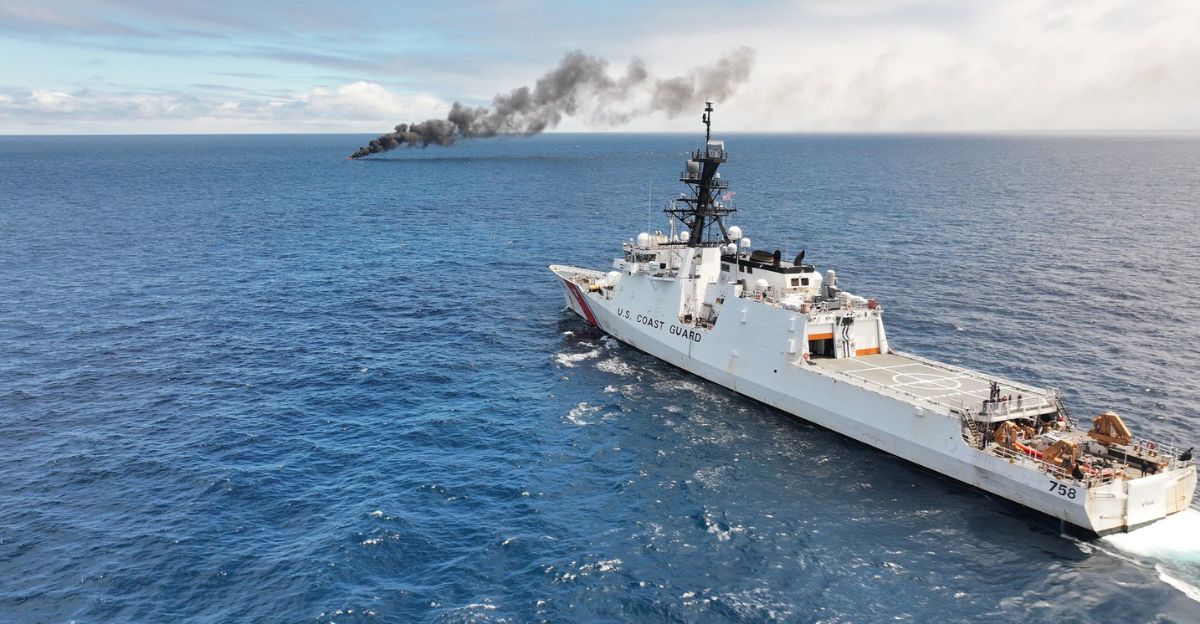
The ongoing effectiveness of interdiction efforts such as Pacific Viper undermines narco-traffickers’ trust in their safe transit routes by sending a strong psychological message.
Frequent interdictions have an impact on cartel logistics by increasing operational expenses and risk assessments, which could result in route changes or operational disruptions. Traffickers are made more cautious by the threat of precision strikes from aircraft like HITRON, which may discourage bold smuggling attempts. When paired with physical interdiction, this psychological warfare helps break up large-scale drug networks.
Wider Consequences for Security
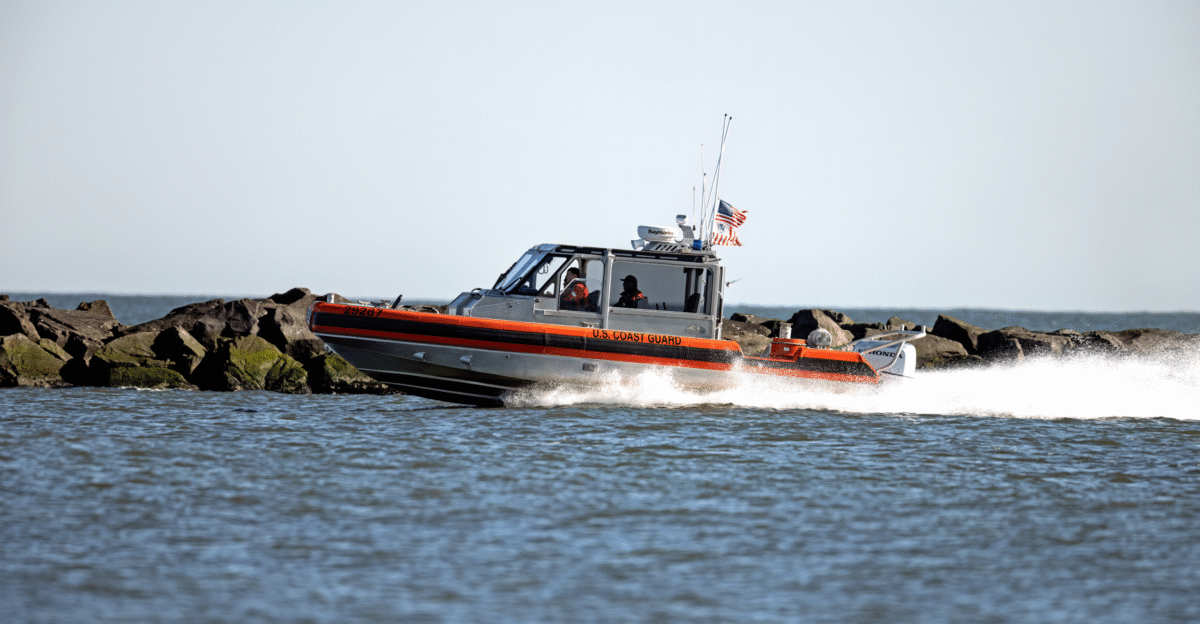
Wider security issues are also addressed by well-publicized interdiction operations. Narco-terrorist groups and drug trafficking networks frequently share operational similarities.
The Coast Guard assists in destroying the financial and logistical foundations of these violent organizations by interfering with cocaine shipments at sea. This improves national security by limiting the sources of funding for terrorism and organized crime in addition to decreasing the flow of drugs. The operation also improves collective maritime domain awareness and security in the Western Hemisphere by fortifying U.S. ties with regional allies.
Social and Economic Consequences
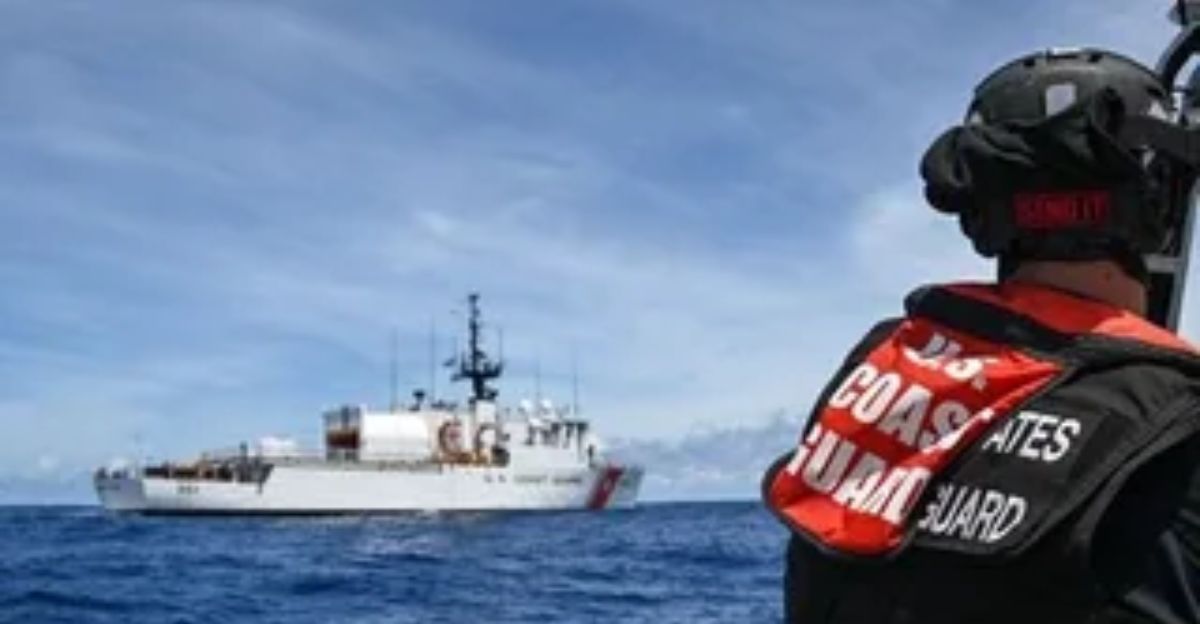
Seizing billions of dollars’ worth of cocaine shipments has an effect on the illegal drug trade by possibly reducing supply in American markets, which in turn influences drug use and harm.
Interdiction, however, also runs the risk of temporarily displacing trafficking routes, necessitating supplementary social and economic measures to lower demand and support alternate sources of income in areas that produce. Nevertheless, stopping drug flows lowers the number of public health emergencies and stops drug-fueled violence, demonstrating the many advantages of well-coordinated maritime interdiction tactics.
Cutting Edge Counter-Narcotics Technology
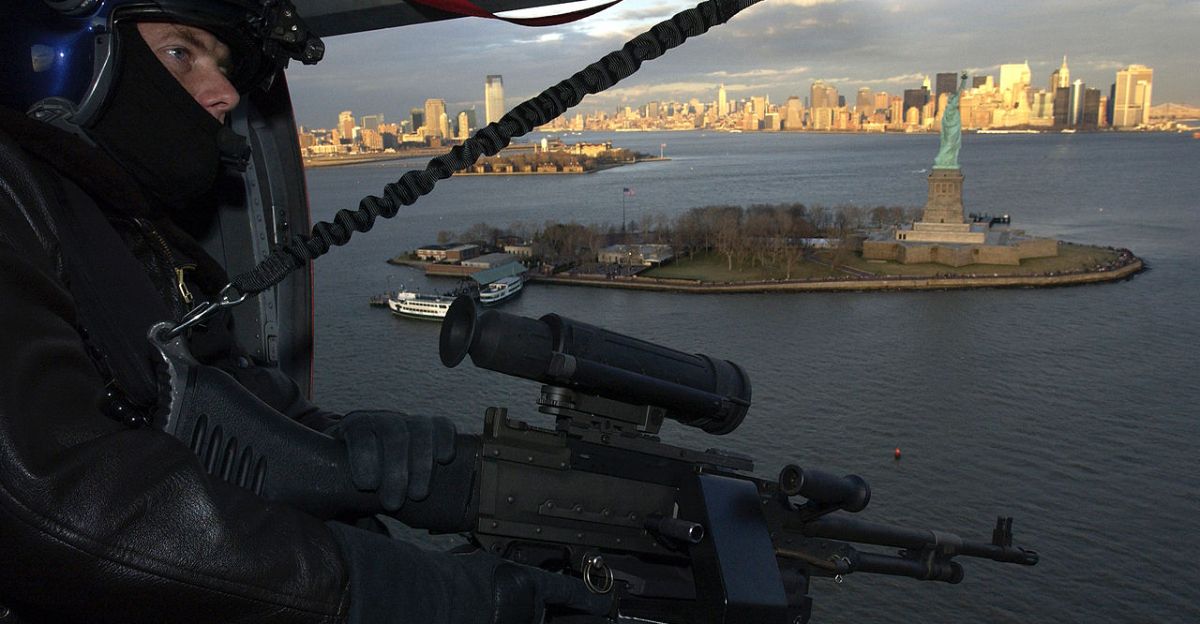
Operation The success of Pacific Viper largely depends on incorporating cutting-edge technology: HITRON’s sniper helicopters launch targeted attacks, V-BAT drones conduct prolonged unmanned reconnaissance, and P-8 Poseidon surveillance planes offer extensive aerial coverage.
By enabling quick interdiction and real-time situational awareness, these tools mark a change from reactive to proactive drug enforcement. Modern strategic maritime enforcement capabilities are exemplified by this technological synergy, which maximizes operational efficiency while reducing collateral risks.
An Analysis of the 1000th Interdiction of Hitron
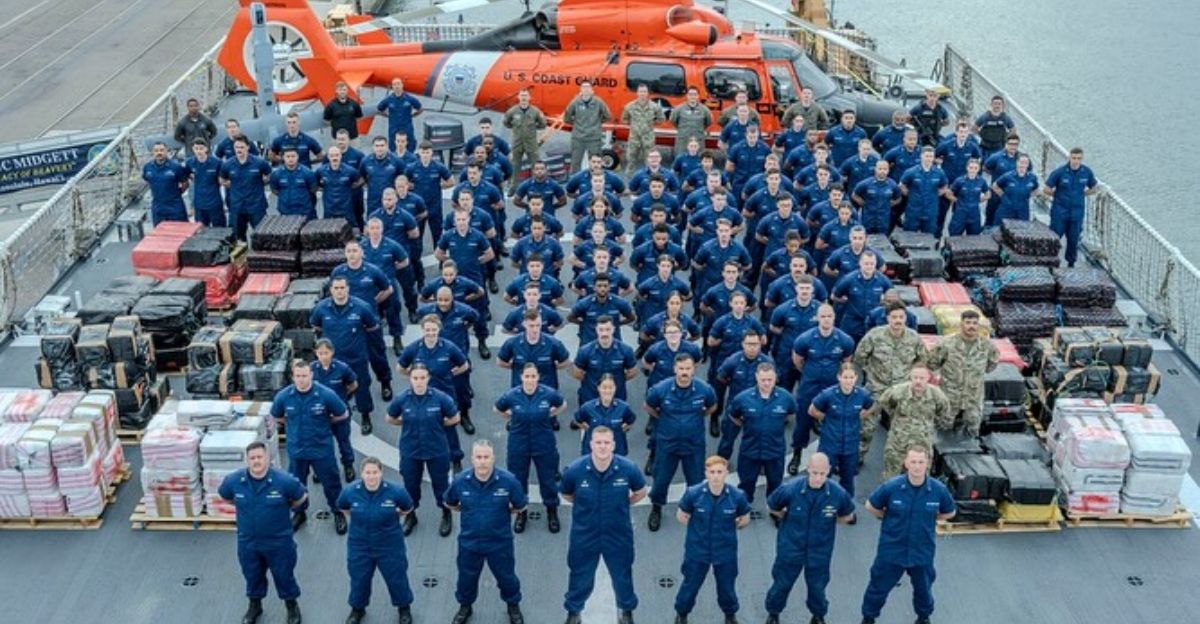
On August 25, 2025, 372 nautical miles southwest of Acapulco, HITRON disabled a smuggling vessel, marking its 1,000th interdiction milestone. The operation resulted in the seizure of 3,600 pounds of cocaine valued at $49 million.
The unit’s precision rifle tactics and cooperation with Coast Guard cutters to board the ship after the engine was disabled were demonstrated during the strike. This incident demonstrated how targeted interventions disrupt major drug shipments and cause traffickers to suffer significant financial losses, underscoring HITRON’s crucial role in operational success.
The Function of Global Collaboration
An international, networked response is necessary to combat drug trafficking. Operation Pacific Viper fosters intelligence sharing and cooperative patrols by operating under frameworks that involve regional partners throughout the Americas.
Such cooperation discourages traffickers, supports legal prosecution efforts, and expands the reach of detection and interdiction. The understanding that maritime drug enforcement crosses national borders and requires a concerted effort to combat complex trafficking networks that span several jurisdictions is reflected in multilateral naval cooperation.
An Alternative View of the Effectiveness of Enforcement
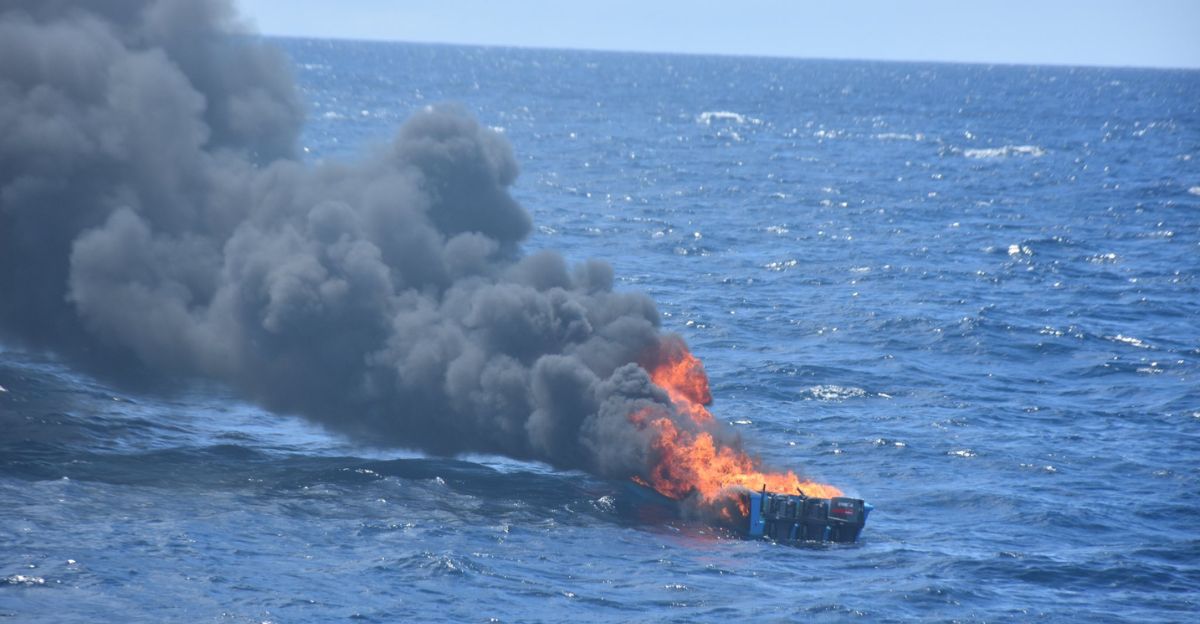
Opponents contend that maritime drug interdiction only serves to redirect trafficking routes or encourage violence in other locations. The size and effectiveness of operations like Pacific Viper show a noticeable disruption of supply chains and deterioration of cartel capabilities, despite the difficulty of route displacement.
By averting fast-paced pursuits and shootouts, HITRON’s precision interdictions reduce violent encounters. A comprehensive strategy that goes beyond simple criticisms of displacement is formed by effective enforcement combined with more extensive policy initiatives aimed at demand reduction and socioeconomic reforms.
Prospects for the Future and Strategic Adjustments
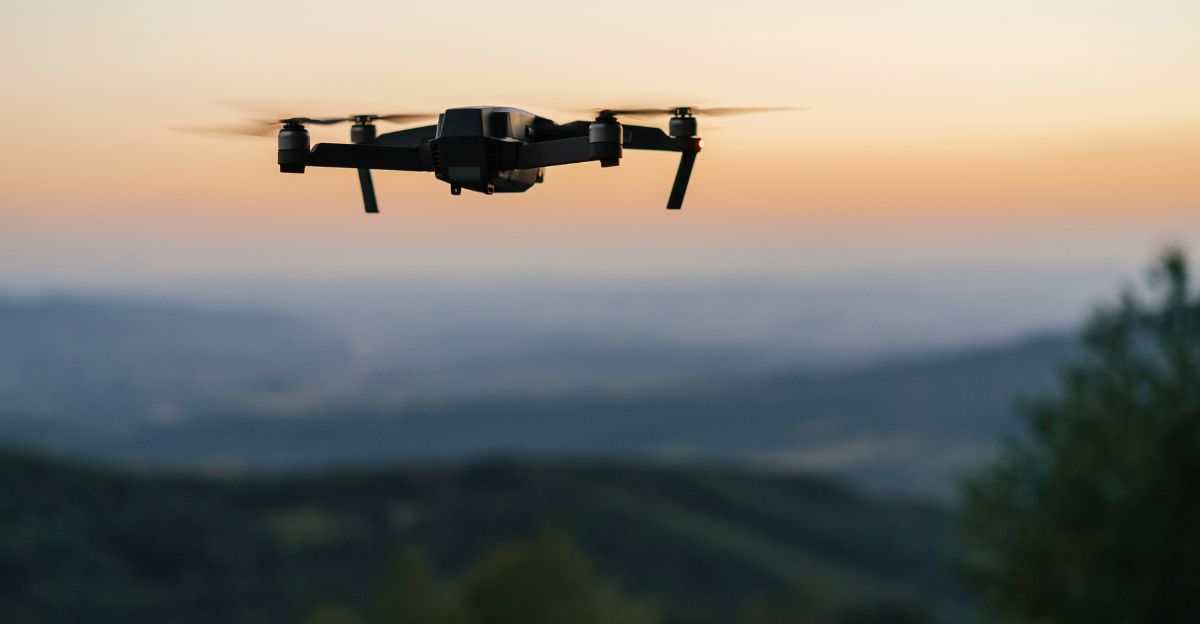
In order to combat increasingly complex trafficking techniques, such as semi-submersibles and encrypted communications, the Coast Guard and its allies must keep developing strategies and technologies.
The accuracy and timeliness of interception will be improved by increasing the use of drones, AI-driven analytics, and cyber capabilities. Through flexible, intelligence-driven operations, the continued commitment to maritime interdiction seeks to suppress narco-terror networks, maintain control over vital drug transit corridors, and safeguard national security interests.
In Conclusion
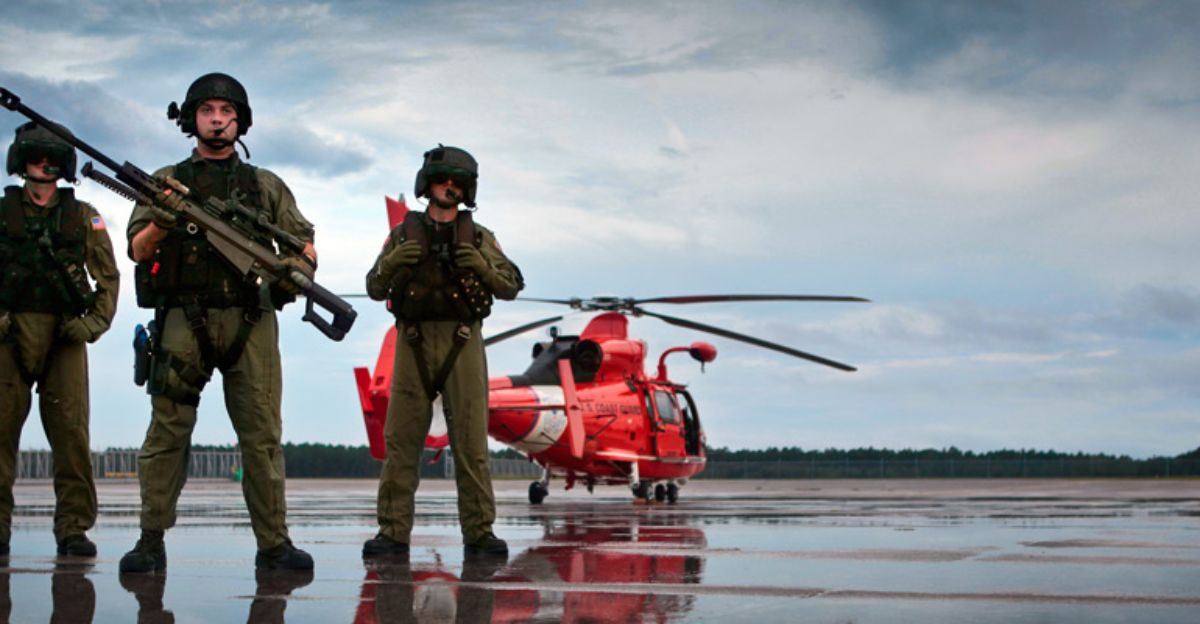
A sophisticated and extremely successful maritime counter-narcotics campaign is exemplified by the $1.4 billion drug fleet capture and the precision action of HITRON snipers off Colombia.
Operation Pacific Viper, which combines state-of-the-art technology, elite tactical units, and international collaboration, has had a major strategic, psychological, and economic impact while setting new standards for drug interdiction. Despite ongoing difficulties, the combination of creative approaches and unwavering operational dedication shows the way to long-term disruption of transnational drug trafficking, strengthening maritime security and collaboration initiatives in the Americas.