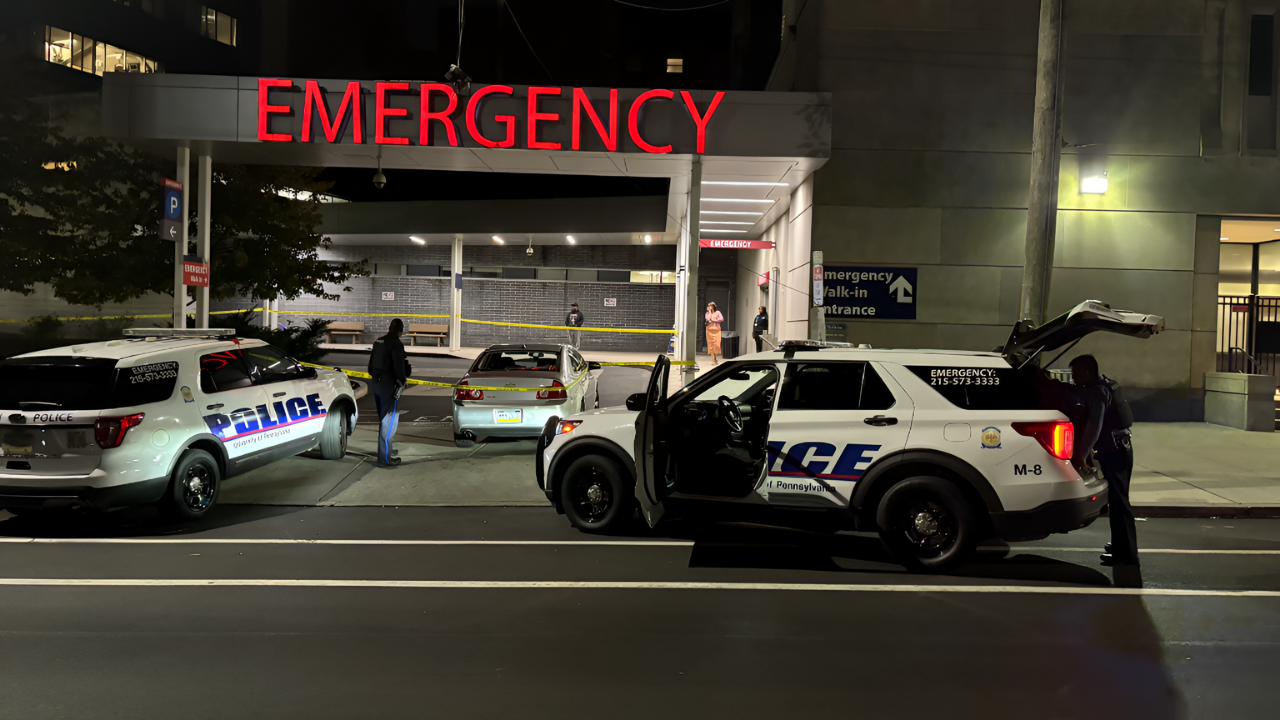
A cybercriminal group has claimed responsibility for one of the largest healthcare data breaches of 2025, announcing the theft of more than 1.24 million patient records from Doctor Alliance, a Dallas-based healthcare technology provider. The attackers released a 200 MB sample of the stolen data on public forums and are demanding a ransom for the deletion of the full dataset. This incident highlights the escalating threat facing the healthcare sector as cyberattacks surge nationwide.
Doctor Alliance and Its Role in Healthcare
Doctor Alliance operates as a key technology partner for healthcare providers across the United States, offering web-based platforms that manage sensitive patient information and billing services. Its clients include major organizations such as Intrepid USA Healthcare and AccentCare. The company’s systems process a wide array of confidential data, from prescriptions and treatment authorizations to administrative documents, making it a critical hub for medical facilities nationwide.
The Scale and Nature of the Breach
Cybersecurity researchers who examined the leaked sample confirmed that it contains authentic patient data, including names, addresses, phone numbers, and health insurance claim numbers. The attackers assert that the full archive is much larger than the posted sample, potentially affecting over 1.24 million individuals. The breach is part of a broader trend in 2025, with attacks on healthcare businesses rising by 30% compared to the previous year. In just the first nine months of 2025, 130 healthcare business attacks were recorded, underscoring the sector’s growing vulnerability.
The compromised files go beyond basic identification details. They include medical diagnoses, doctor names, treatment plans, check-up summaries, and hospital orders. Unlike passwords, this type of healthcare data cannot be reset, creating persistent risks for those affected.
How the Attack Unfolded

The precise method used by the attackers to infiltrate Doctor Alliance’s systems has not been publicly disclosed. What is clear is that unauthorized access was gained, allowing the exfiltration of vast amounts of patient health information. As of mid-November 2025, Doctor Alliance has not issued a public statement confirming the breach or notifying affected individuals. This silence has drawn scrutiny from industry experts, who note that healthcare technology providers are increasingly targeted due to their access to data from multiple facilities.
The hackers have posted their ransom demand alongside the leaked sample on underground forums, threatening to release or sell the full dataset if their demands are not met. The practice of paying ransoms remains controversial, as it funds criminal activity and offers no guarantee that stolen data will actually be deleted. Many healthcare organizations now refuse to pay, aiming to discourage future attacks.
Risks to Patients: Identity Theft, Fraud, and Extortion
The exposure of such detailed personal and medical information places over a million individuals at heightened risk of medical identity theft. Criminals can use stolen records to obtain medical services, prescription drugs, or file fraudulent insurance claims in victims’ names. These risks are long-term, as medical data cannot be easily changed or invalidated.
With access to health insurance claim numbers and policy details, attackers can file false claims, drain insurance benefits, and obtain expensive medications or controlled substances. Fraudulent procedures billed to victims’ insurance can exhaust coverage limits and damage credit scores, creating lasting complications for patients.
The breach also opens the door to extortion and blackmail. Sensitive diagnoses and treatment histories can be exploited by criminals who threaten to leak private health information unless victims pay. High-value targets, such as those with mental health or addiction treatment records, may be especially vulnerable to such schemes.
Additionally, the detailed data enables sophisticated social engineering attacks. Criminals can craft convincing phishing messages referencing real doctors, appointment dates, or prescriptions, increasing the likelihood that victims will fall for scams. Aggregating this breach data with information from previous leaks allows attackers to build comprehensive profiles, further enhancing their ability to bypass security measures and target individuals over the long term.
Regulatory and Legal Fallout
Doctor Alliance’s lack of public response has raised questions about compliance with federal regulations. Under HIPAA, healthcare organizations are required to notify affected individuals within 60 days of discovering a breach. Investigators are now examining whether Doctor Alliance met its legal obligations and whether affected patients may have grounds for class action lawsuits.
The Department of Health and Human Services Office for Civil Rights routinely investigates major breaches and can impose significant penalties for inadequate security measures. The outcome of these investigations could have far-reaching implications for Doctor Alliance and similar technology providers.
A Sector Under Siege

The Doctor Alliance breach is part of a wider epidemic of healthcare cyberattacks in 2025. In the first nine months of the year, healthcare providers suffered 293 ransomware attacks, while healthcare businesses like Doctor Alliance experienced 130—a sharp increase from previous years. The sector’s reliance on legacy systems and the critical nature of its services make it an attractive target for cybercriminals.
Experts are calling for industry-wide reforms, including mandatory security upgrades and more robust disaster recovery planning. For patients, the advice is clear: monitor insurance statements, place fraud alerts with credit agencies, and remain vigilant for suspicious activity. As healthcare data becomes ever more valuable to criminals, the stakes for both organizations and individuals continue to rise.