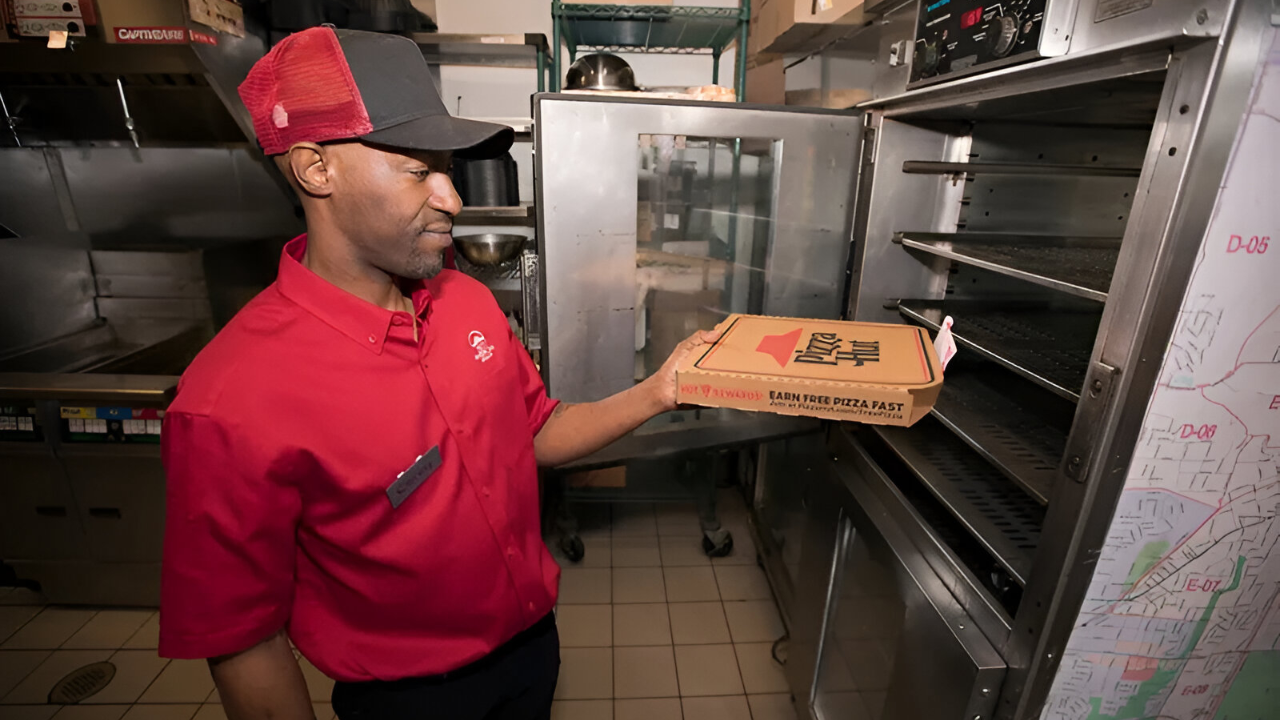
When Pizza Hut workers arrived at dozens of UK restaurants on a Monday morning, they found the doors locked and the lights off. By midday, 79 locations had closed permanently, leaving 1,210 employees jobless with no warning. Chairs were stacked, delivery counters emptied, and a familiar brand had vanished from high streets and retail parks almost overnight.
Unraveling a Collapse
The abrupt closures followed months of mounting financial strain. The UK franchise, recently acquired by DC London Pie in January 2025 after the previous owner collapsed under nearly £40 million in debt, struggled with soaring energy costs, rising wages, and a sharp decline in dining out since the pandemic. Cash flow dried up, tax bills went unpaid, and suppliers were left waiting. Within a year, two different owners had failed to keep the business afloat, exposing deep vulnerabilities in the UK’s casual dining sector.
For many employees, the news came as a shock. Workers across Manchester, Cardiff, and other locations reported learning of the closures only when they arrived for their shifts. Union representatives described the layoffs as “devastating,” warning that displaced workers now face a crowded job market with few openings and tightening budgets across the hospitality industry.
Emergency Rescue and a Shrinking Brand
In a rare move, Pizza Hut’s parent company, Yum! Brands, intervened to prevent a total collapse. The corporation bought back 64 franchised stores, transferring 1,276 employees under UK employment protections. “Our priority is to protect jobs where possible and stabilize the brand,” said Nicolas Burquier, Managing Director for Pizza Hut Europe and Canada.
Yet the scale of the retrenchment is stark. The UK network has shrunk from 139 restaurants to just 64, erasing more than half of Pizza Hut’s presence in the country. Surviving locations now face intense pressure to prove their profitability and relevance in a rapidly changing market.
The Human and Community Cost
The timing of the closures, just ahead of the winter holidays, has deepened the impact. Many workers learned of their job loss only when administrators arrived to shutter the stores. Staff members described the sudden nature of the closures, with concerns about mortgage payments and holiday expenses now compounded by unexpected unemployment. Local economies are also feeling the strain: suppliers have lost contracts, retail parks are seeing less foot traffic, and vacant restaurant spaces threaten to drag down neighboring businesses.
For customers, the closures have erased a familiar part of community life. Families arriving for weekend meals or birthday parties found locked doors and darkened dining rooms across Edinburgh, London, and other cities. Delivery-only neighborhoods have turned to rival apps, accelerating a shift in local dining habits.
Winners and Losers in a Changing Market
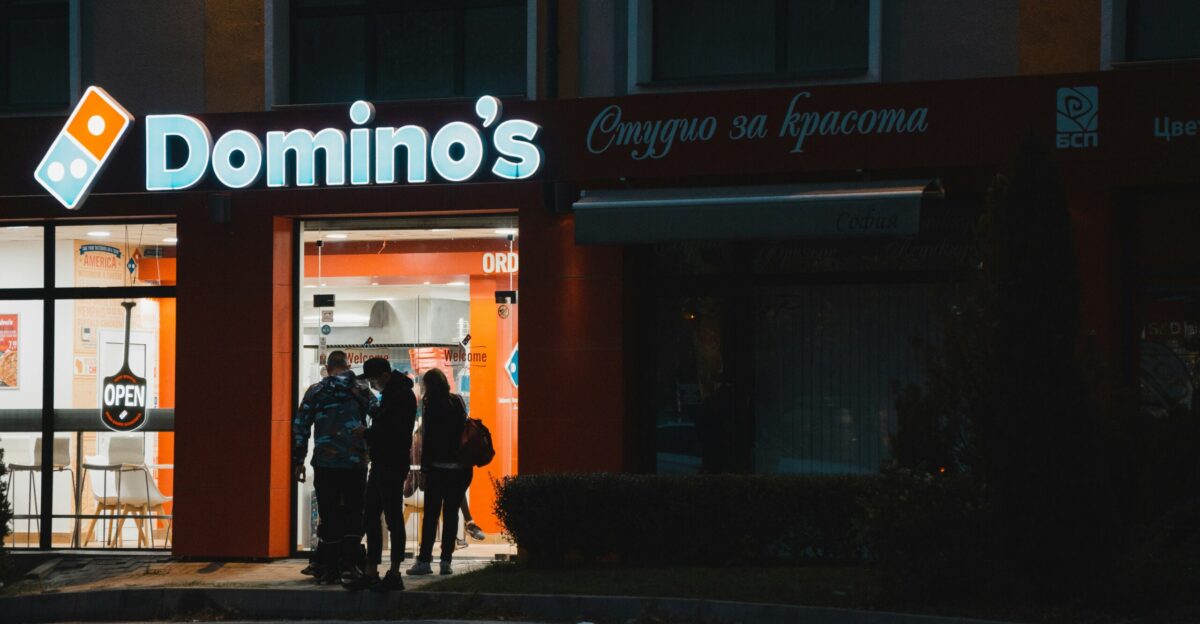
Pizza Hut’s sudden retreat has created opportunities for competitors. Domino’s, Papa John’s, and independent pizzerias are moving quickly to fill the gap, with delivery platforms targeting former Pizza Hut strongholds. Industry analysts note that the closures represent a significant shift in the UK pizza market, with competitors poised to capture displaced customers.
The closures are part of a broader crisis in UK hospitality. Chains like Frankie & Benny’s and Prezzo have also scaled back or disappeared, squeezed by high operating costs and cautious consumers. Industry leaders warn that the era of large, sit-down casual dining brands may be ending, replaced by leaner, delivery-focused models.
Global Lessons and the Road Ahead
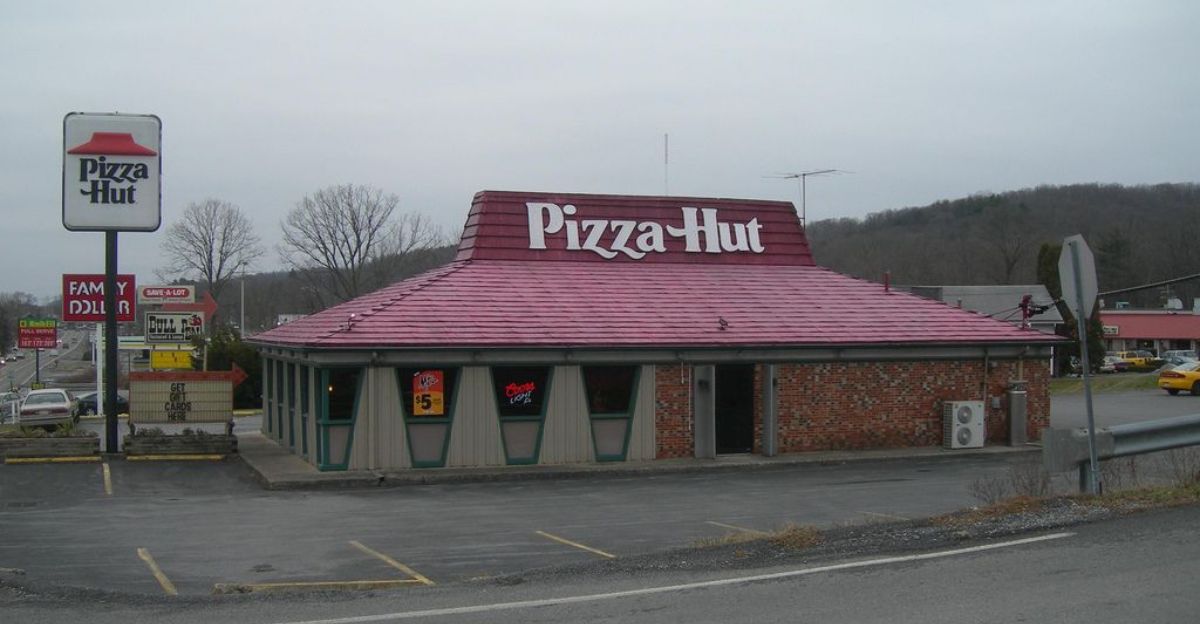
Pizza Hut’s troubles in the UK echo challenges faced by American restaurant chains worldwide. The franchise model, once a pillar of global expansion, is under pressure as costs rise and consumer preferences shift toward speed, value, and digital convenience. Restaurant industry experts note that when profitability falters and costs surge, parent corporations must either step in or risk losing the brand entirely. In the US, fast-casual pizza faces stiff competition from cheaper delivery brands and supermarket options—a trend that could threaten more franchises if economic headwinds persist.
For now, Yum! Brands has bought Pizza Hut UK a final chance. The 64 remaining restaurants must quickly restore customer trust and prove they can operate profitably. There will be no third bailout. Displaced workers are being urged to seek support from job centers, while loyal customers are left searching online to see if their local Pizza Hut survived.
The collapse of a once-iconic brand is a warning for the global industry: nostalgia alone cannot sustain a business model outpaced by economic reality and changing tastes. As the red roof fades from British towns, the fight for survival—and reinvention—has only just begun.