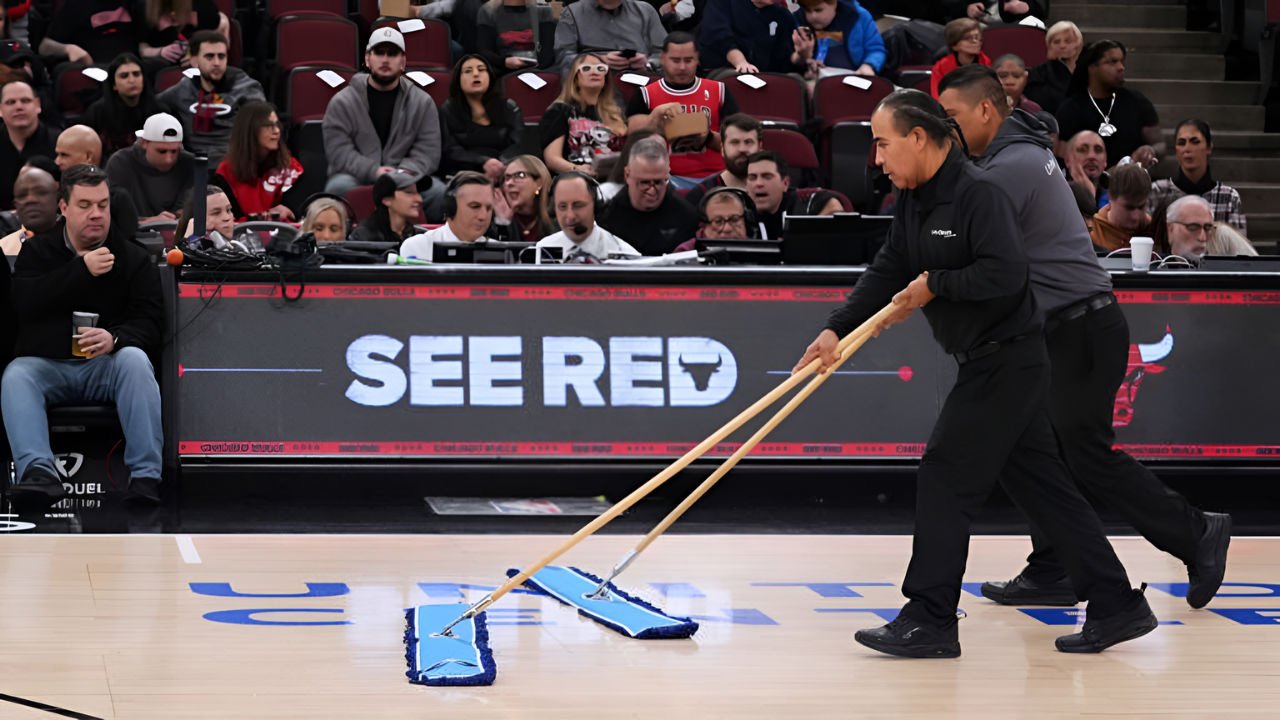
At 8:53 p.m. on January 8, 2026, Chicago’s United Center saw an unexpected turn of events. The Chicago Bulls’ game against the Miami Heat was canceled—not due to a malfunction or damage, but weather-induced condensation.
Marking a highly unusual occurrence in NBA history, extreme weather led to a game being postponed. This marked an eerie silence as the court became unplayable from moisture caused by extreme weather. How did the NBA react to this unusual challenge?
A Surprising Factor
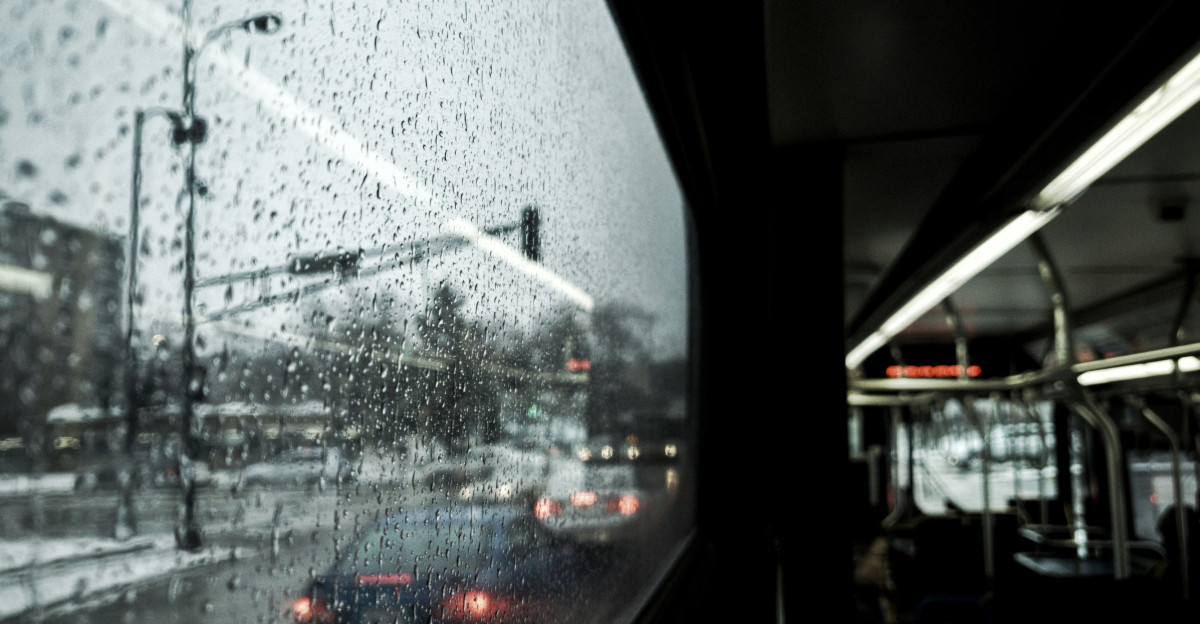
On January 9, Chicago reached a 60°F high at midnight, tying a 146-year-old record set in 1880. Meteorologist David Yeomans said, “Winter is Chicago’s fastest warming season.”
This unexpected warmth transformed into rainfall, intensifying flood risks in the city. With weather patterns mirroring summer’s extremes, what role did the warming winter play in escalating the chaos?
A Precedent of Extreme Weather
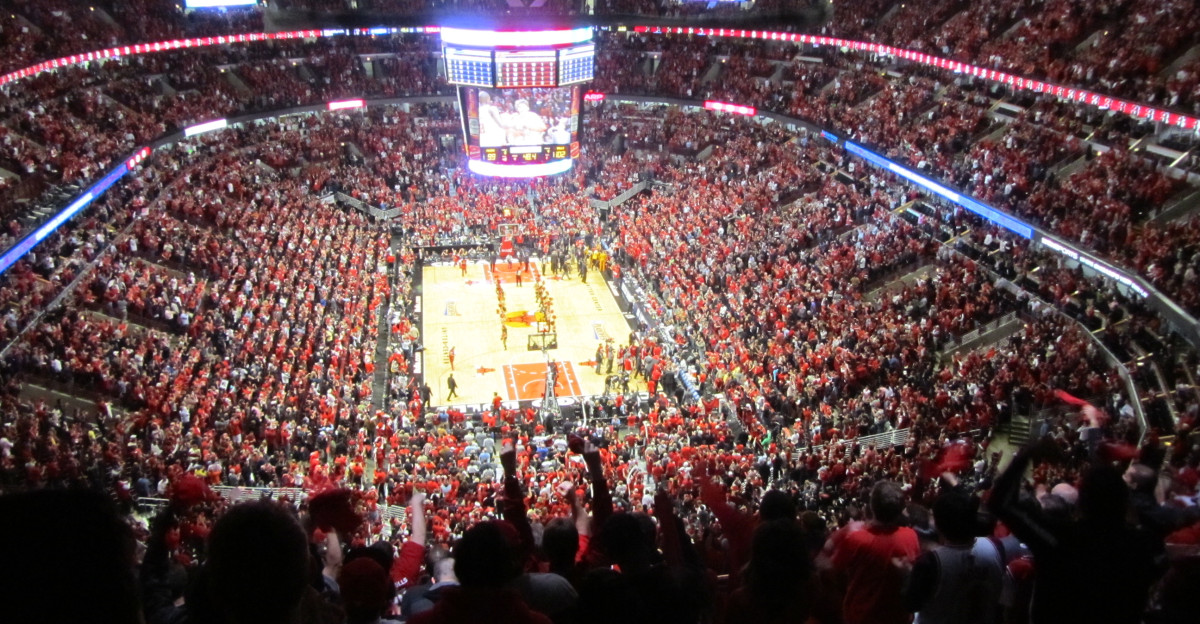
Chicago’s weather history became infamous in the summer of 2025, with two rare rainstorms—500-year and 1,000-year events—striking in quick succession. These events, with a 0.1% annual chance, suggested a shifting climate.
Now, even winter storms were producing record rainfall, and the January 8 deluge—Chicago’s third-wettest January day on record with 1.92 inches—further exemplified these alarming trends. Could this signal even worse extremes in the future?
The Strain on Infrastructure
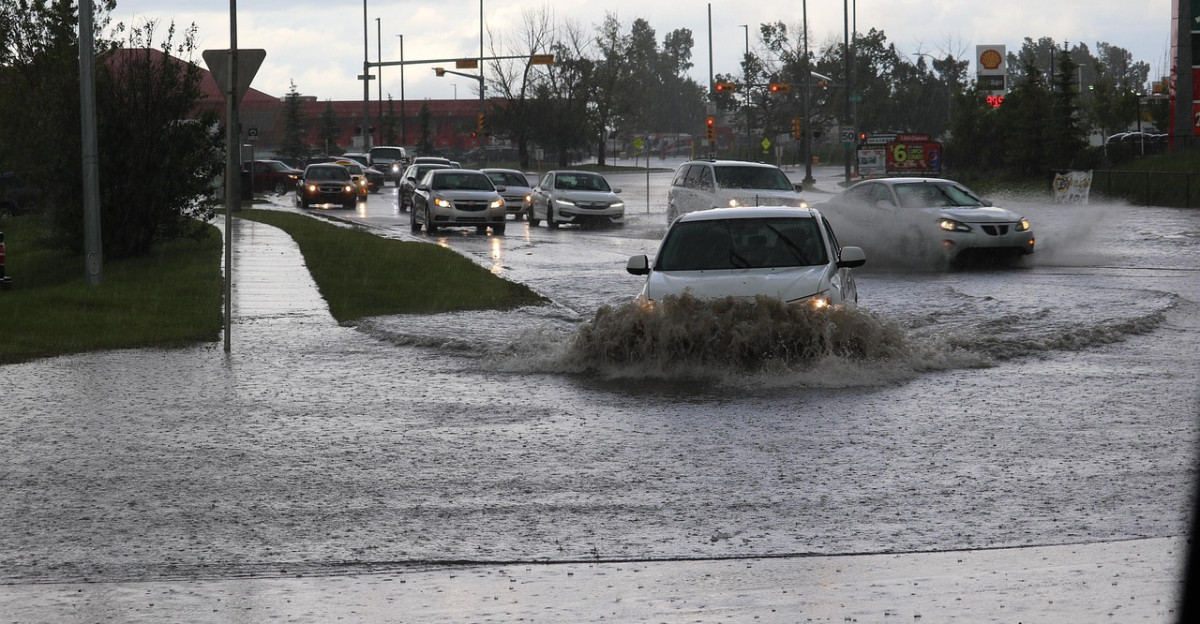
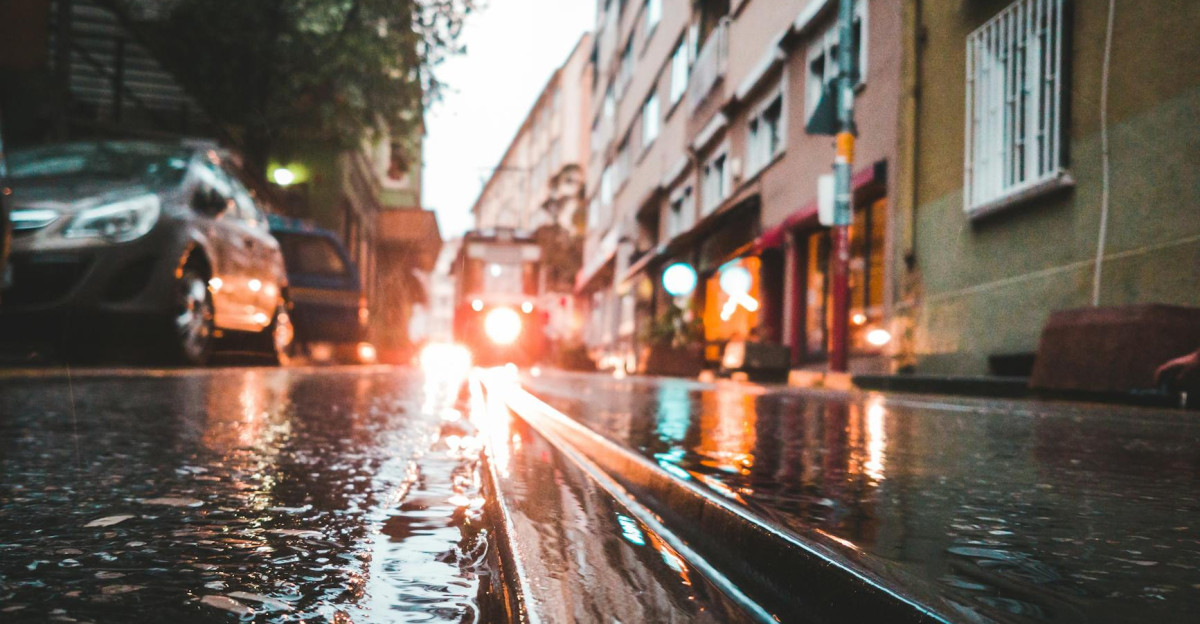
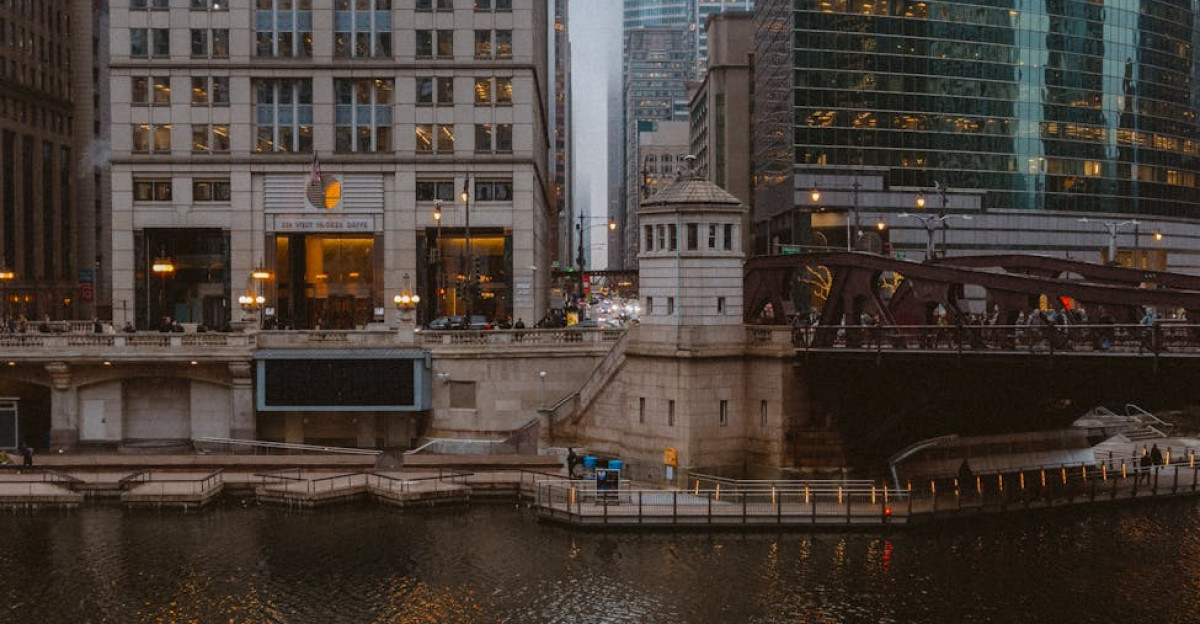
Chicago’s infrastructure struggled under the pressure of relentless rainfall. Major streets across the city were submerged.
The Chicago Department of Streets and Sanitation worked overtime to mitigate damage, while the Office of Emergency Management coordinated responses. With the flood risks growing, how did residents and drivers adapt to the chaos?
A Rare Occurrence for the NBA
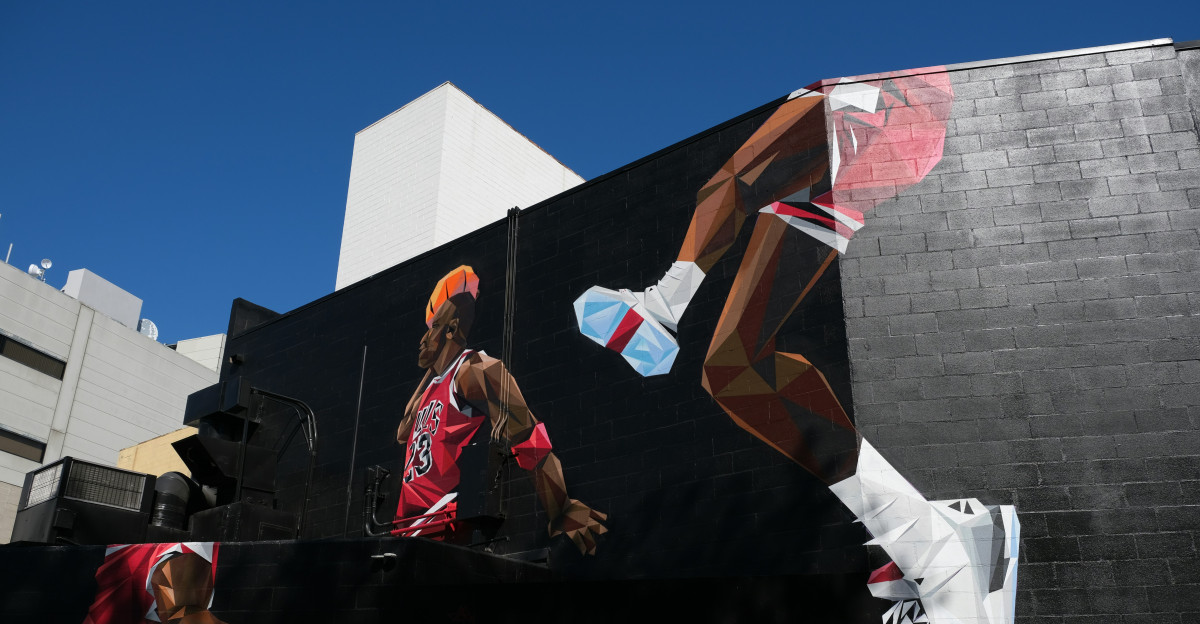
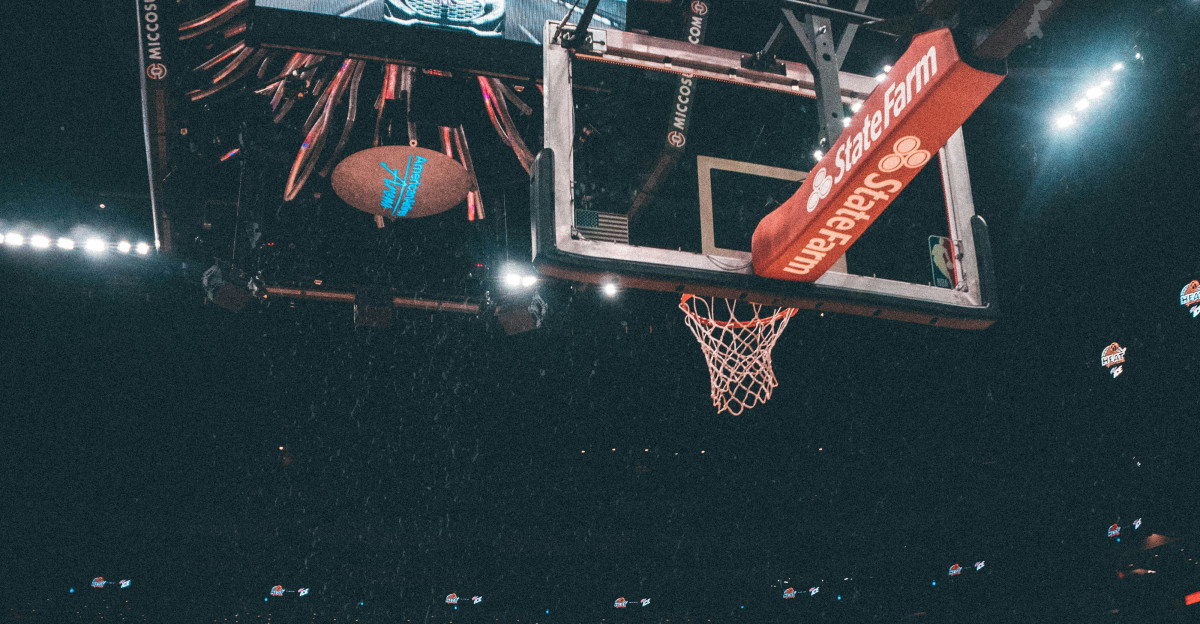
The cancellation of the Bulls-Heat game at 8:53 p.m. marked a highly unusual moment in NBA history. The slick court, caused by the combination of warm weather and high humidity, became unsafe.
While not the first weather-related NBA postponement—Seattle experienced an indoor rainout in 1986, Philadelphia dealt with condensation in 2016, and Minnesota faced similar issues in 2017—the interaction of extreme weather conditions with the arena’s ice-court setup in January was unprecedented. How did the league adapt to this new reality?
Flash Flooding Hits Hard
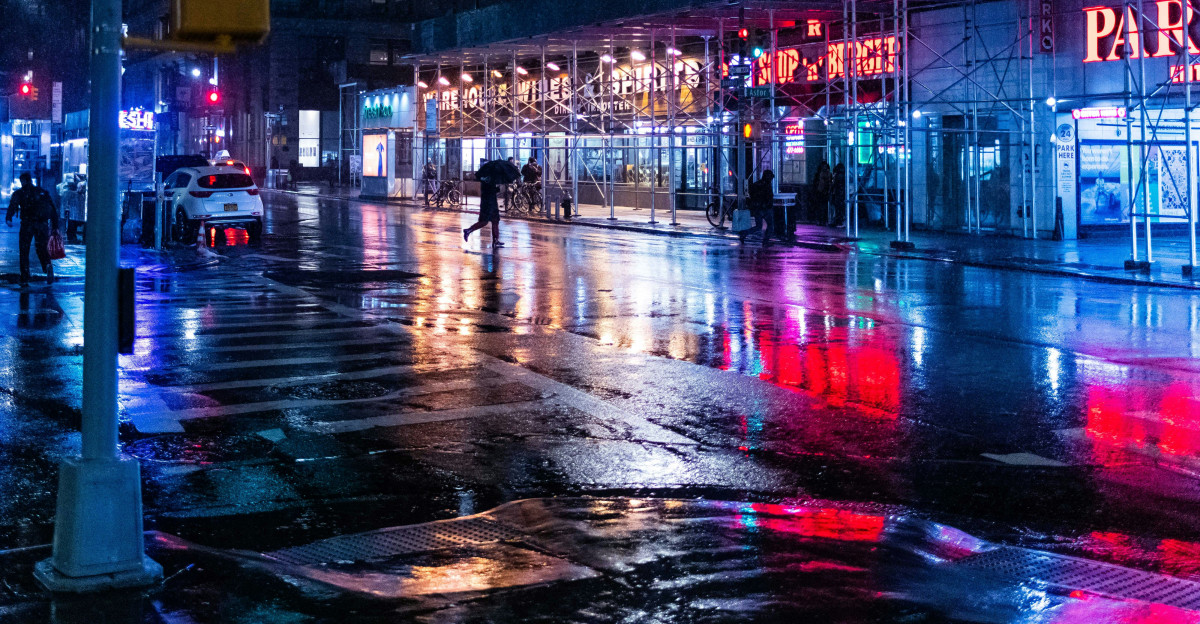
Flash flooding inundated Chicago’s streets on January 8, worsening traffic congestion and stranding drivers. The storm’s intensity was felt across the city, with the infrastructure failing to keep pace.
As roads were closed and transportation ground to a halt, what long-term effects did the flooding have on residents and commuters?
A Waiting Game
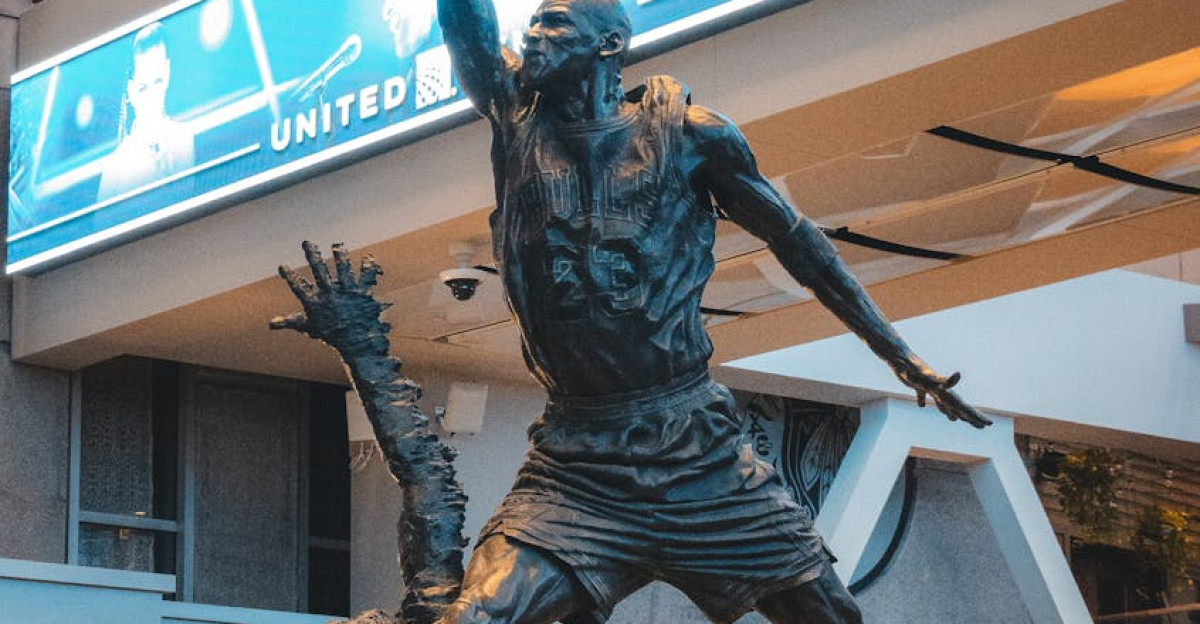
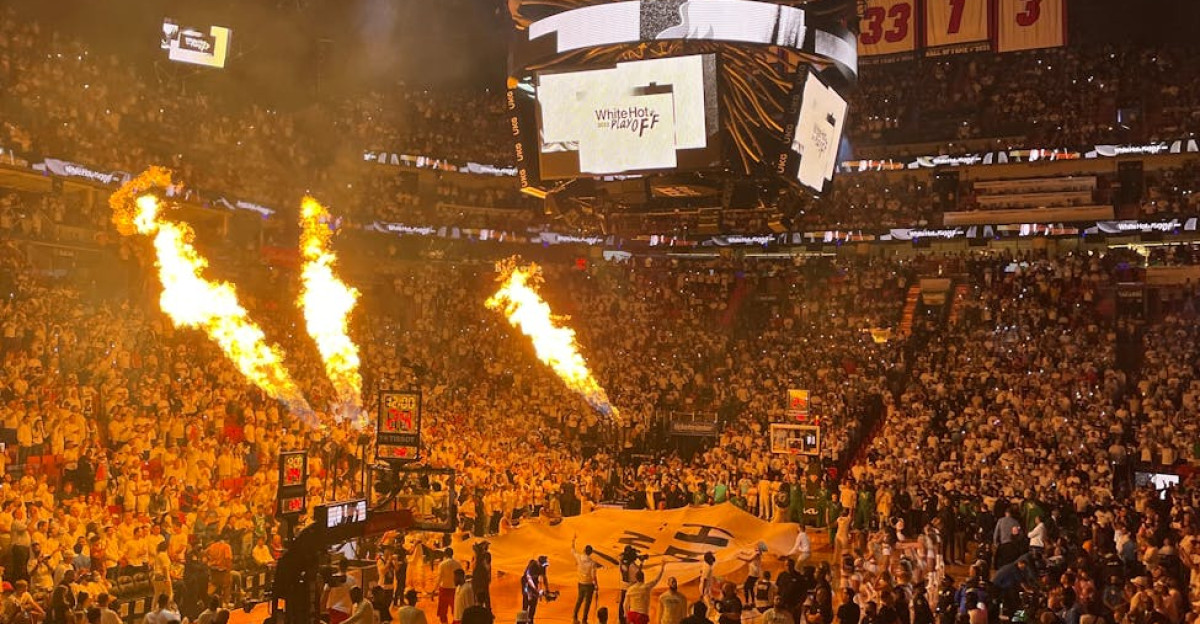
As the Bulls-Heat game was called off, fans who arrived at the United Center were left in confusion. Heat coach Erik Spoelstra reported that players complained about the slippery court during warmups.
For many, the delay became a waiting game, leaving fans unsure about when or if the game would ever be rescheduled. How did the fan base react to this unexpected disruption?
A Key Problem
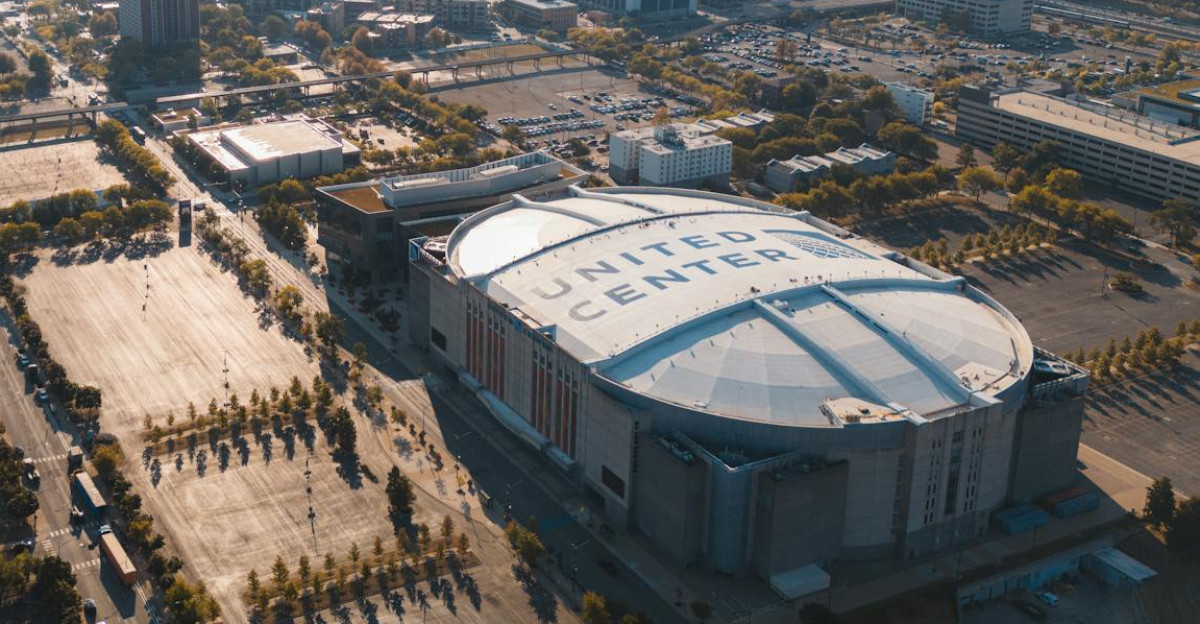
The United Center’s dual-use arena, with its court built over the Blackhawks’ ice rink, played a significant role in the postponement. Condensation formed as warm air and humidity collided with the ice-court setup.
This was a recurring issue seen in other cities like Minnesota and Philadelphia. Could this be a sign that arena designs need to evolve to handle extreme weather better?
Flash Flooding as a Climate Signal
Yeomans said, “Winter is Chicago’s fastest warming season,” which could be a significant factor in the rising flood risks.
The combination of warmer winters and heavier rainfall points to a new era of extreme weather patterns. How will urban planning and infrastructure need to change in response to this new reality?
Four Games in Five Days for Miami
The postponement of the Bulls-Heat game created a scheduling nightmare, with the game pushed to January 29, 2026.
This grueling stretch left the Miami Heat facing four games in five days, posing challenges for the team and forcing adjustments to rosters and strategies. How will this back-to-back schedule impact the Heat’s performance?
The Waiting Game
As the condensation issue dragged on, tensions rose among the players. Heat coach Erik Spoelstra noted that the delay was taking longer than usual to resolve.
How did this delay affect the players’ mental and physical readiness?
A Historic Postponement
The NBA’s intervention marked a turning point in how the league handles extreme weather. Players raised concerns about the slippery court at 9:13 on the warmup clock, prompting referee Sean Wright to inspect the floor.
Wright then contacted the NBA Replay Center to consult on the situation. Prioritizing player safety, the league made the decision to call off the game. Could this postponement set a new precedent for NBA weather-related cancellations in the climate change era?
A Strain on the Heat
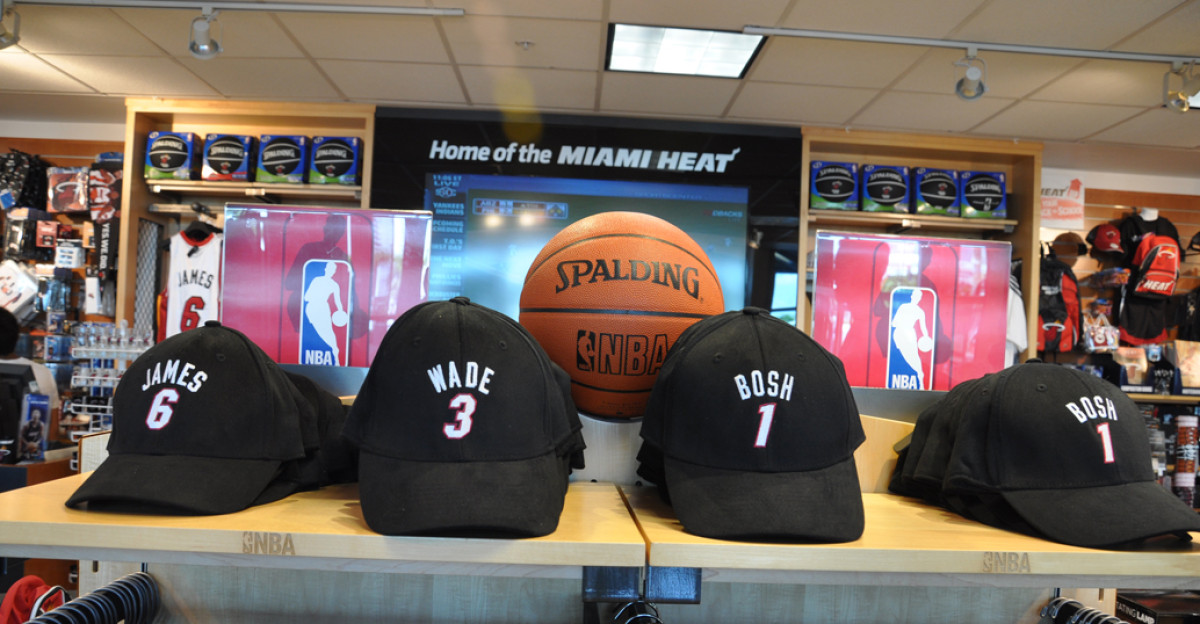
The rescheduled game, set for January 29, 2026, would leave the Miami Heat dealing with a compressed schedule.
With four games in five days, the team faced additional stress in managing player fatigue and strategizing. How will this intense schedule affect the players’ performance and the team dynamics?
A Dangerous Continuation of Weather Extremes
Experts, including Yeomans and AccuWeather’s Peyton Simmers, tied the event to a warming trend. While the January storm was extreme for winter—ranking as the third-wettest January day on record—it was part of a larger pattern of increasingly extreme precipitation.
“Chicago is now experiencing extreme weather events across all seasons,” Yeomans noted. How long will these extreme weather events continue?
Schedule Shifts and Playoff Implications
The game’s rescheduling affected the Eastern Conference standings, requiring teams to adjust their strategies for back-to-back games.
These changes could impact playoff positioning, forcing teams to rethink their long-term strategies. What effect will these unexpected schedule shifts have on the teams’ playoff aspirations?
Increased Push for Infrastructure Upgrades
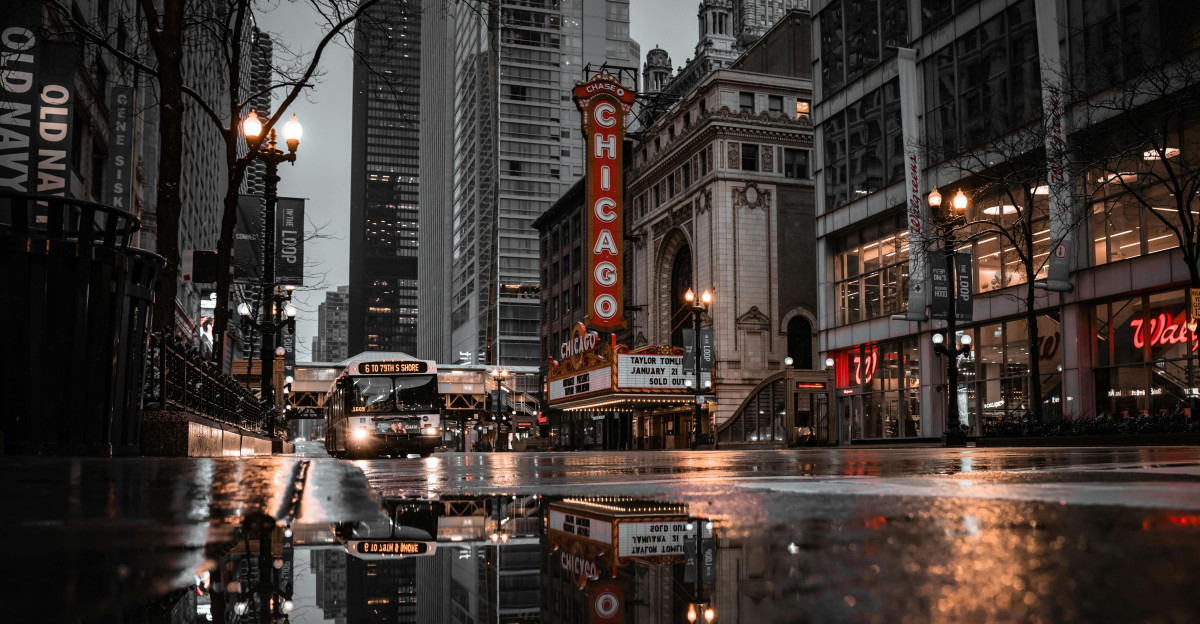
The city’s agencies are already calling for better flood infrastructure to cope with the rising frequency of extreme weather events.
With Chicago seeing more record-breaking rainfall, the city is increasing its budget for climate adaptation. How will these calls for better urban planning shape the city’s future?
A National Wake-Up Call
The condensation and ice-related issues experienced in Chicago are not unique to the city. Other cold-weather states, like Minnesota, have dealt with similar problems.
Chicago’s recent deluge has sparked national attention, prompting other cities to review their infrastructure. How will this event prompt cities across the nation to rethink their approach to climate resilience?
Arena Staff Under Scrutiny
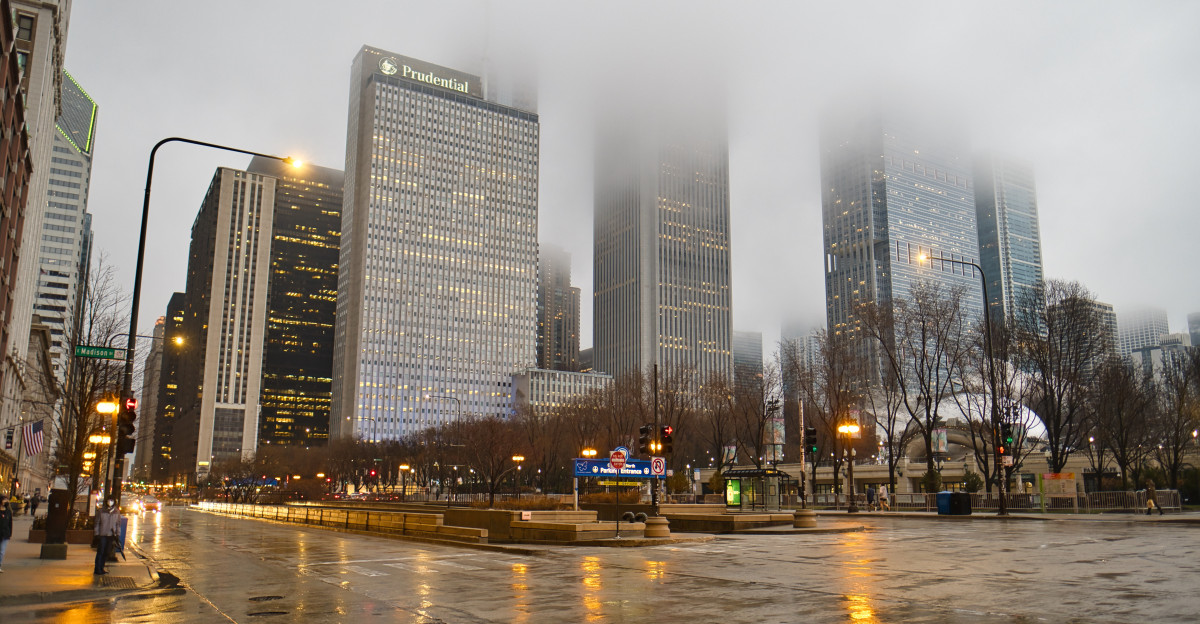
Despite quick adjustments by the United Center staff, condensation remained an issue. Referee Wright noted that the conditions were unsafe for players.
Could this situation lead to legal claims or insurance issues for the arena? Will other arenas update their safety protocols based on this scenario?
A Shift in Expectations
The “indoor weather postponement” became a viral sensation, sparking conversations about the intersection of sports and climate change.
Younger fans are linking the disruption to climate change, while older generations view it as an anomaly. How will fan expectations evolve as unpredictable weather patterns continue to affect the sports world?
A Shift in How We See Storms
This deluge marks a shift in our understanding of winter storms. From record-breaking rainfall to warmer temperatures, Chicago’s experience signals that extreme weather events will become more common.
As cities like Chicago face these shifts, how should we prepare for the winters of the future?
Sources:
“Rare January Flash Flooding and Strong Winds.” National Weather Service Chicago, 9 Jan 2026.
“Pool Report on Postponement of Tonight’s Heat at Bulls Game.” NBA Official, 8 Jan 2026.
“Chicago hit by 1000-year and 500-year rain events less than three weeks apart.” CBS News Chicago, 6 Aug 2025.
“Chicago Bulls Vs. Miami Heat NBA Game Postponed Due To Condensation On Court.” The Weather Channel, 9 Jan 2026.