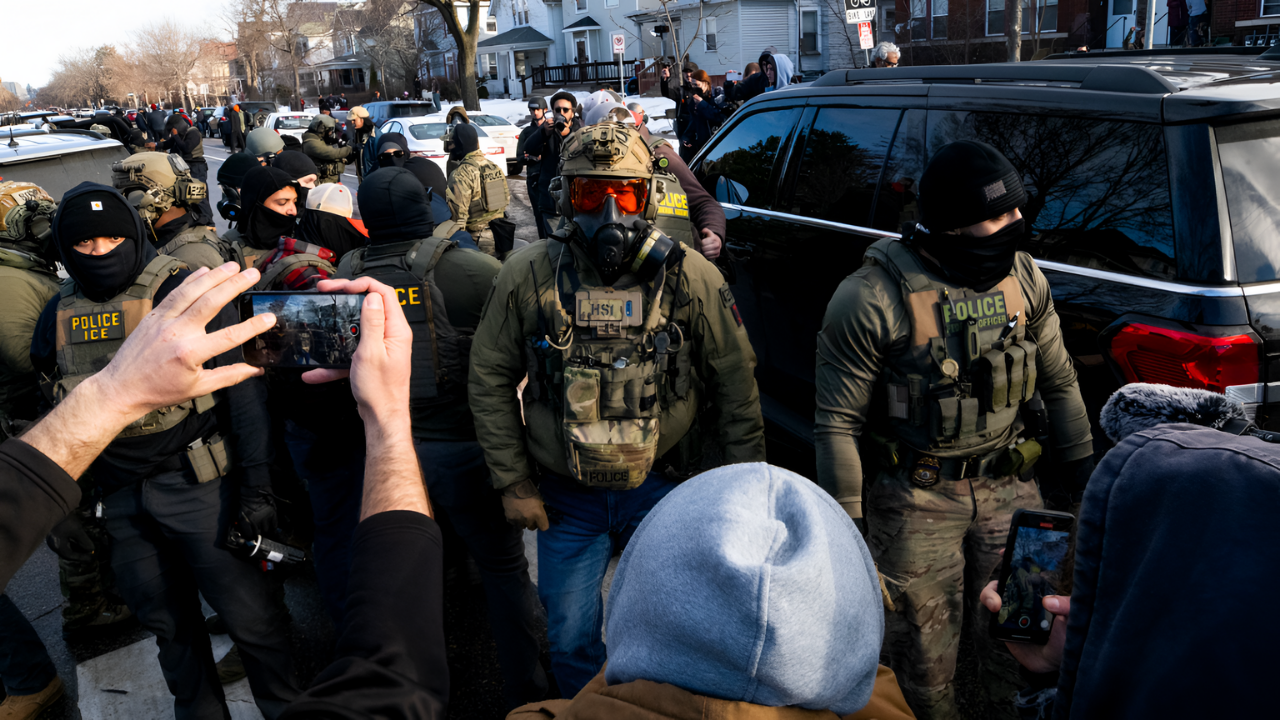
On January 7, 2026, Renée Nicole Good, 37, who had been observing and reportedly recording federal agents from her SUV, was struck multiple times by shots fired by ICE agent Jonathan Ross. While federal authorities maintain that Ross acted in self-defense, Minnesota officials, along with witnesses, have publicly questioned the account, demanding a thorough investigation.
The shooting spurred widespread protests and activism, with local and out-of-town activists mobilizing against ICE’s presence.
The Rise of Surveillance Networks
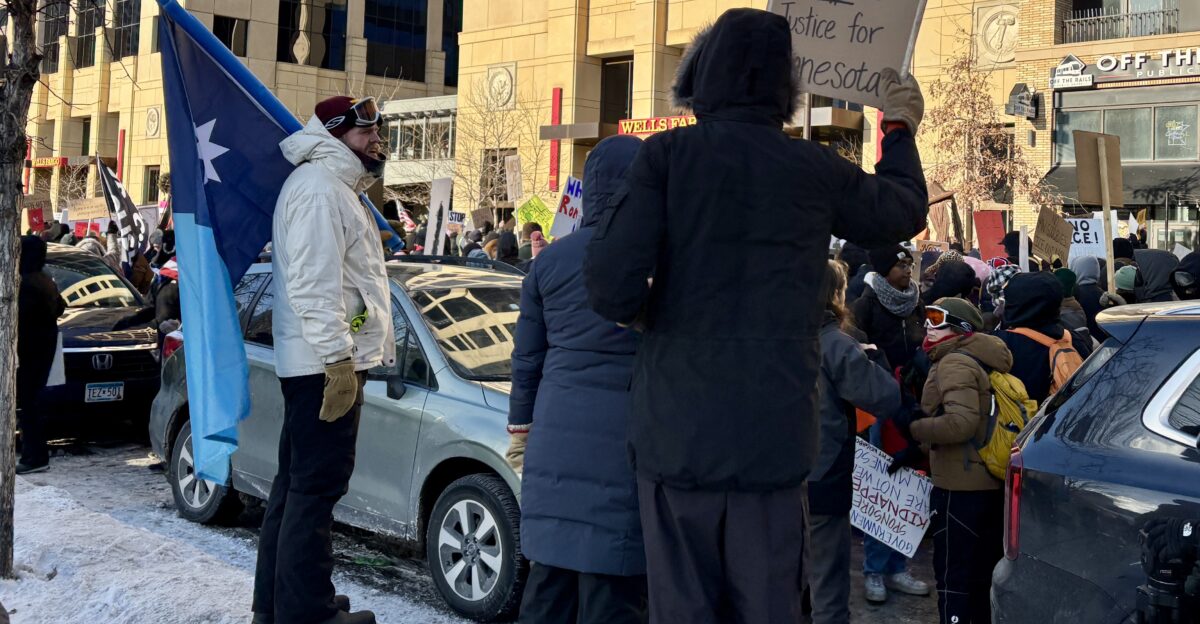
Activists began organizing early-morning surveillance efforts targeting ICE agents as part of a broader resistance to immigration enforcement in Minneapolis. Participants, using Signal and encrypted messaging platforms, have gathered in the dark, often around 5 AM, to track ICE vehicles leaving facilities such as the Whipple building.
This loose network has attracted hundreds of participants, including local organizers and national groups, amplifying their voices and actions against federal immigration authorities.
Legal and Political Tensions Escalate

In the wake of Good’s death, both local and national debates grew more intense. Minnesota Governor Tim Walz criticized the federal government’s handling of the incident and ICE’s activities, echoing concerns from civil rights groups.
Meanwhile, ICE has defended its actions, with top officials in the Trump administration describing the law enforcement efforts as necessary. The tension highlights the growing divide between federal and local authorities over immigration enforcement practices.
Activist Tactics and Community Involvement
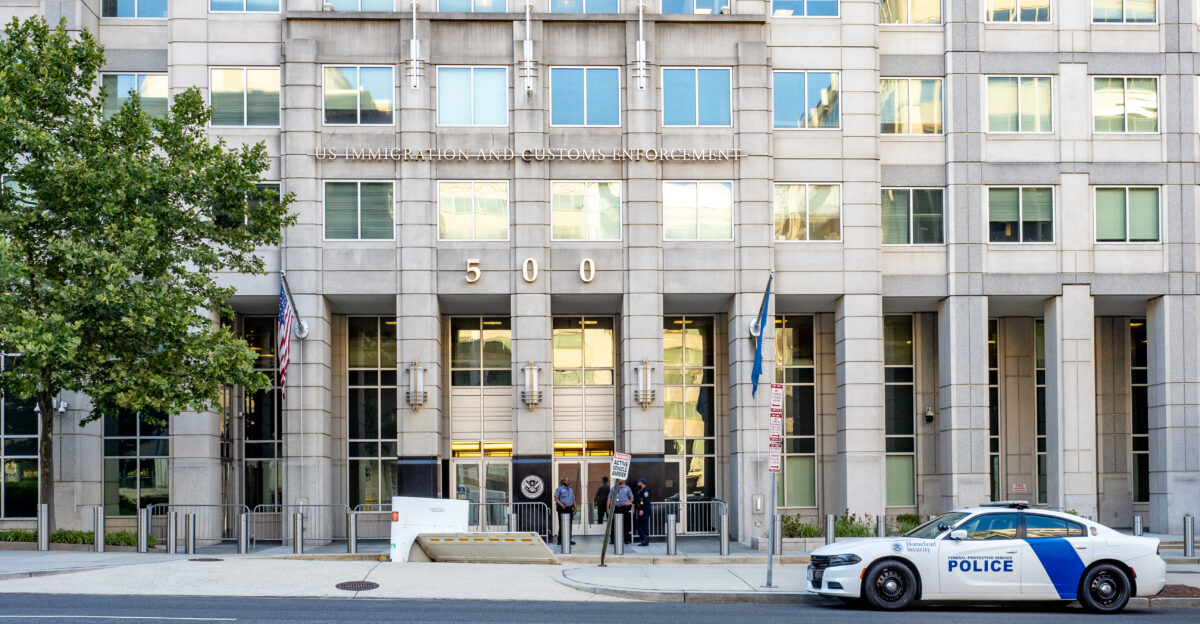
Through encrypted communication channels, activists in Minneapolis have coordinated detailed surveillance efforts. They log license plates and monitor vehicle movements around ICE facilities, aiming to disrupt federal operations.
Their actions reflect a growing national trend of localized resistance movements focused on federal surveillance and protest, influenced by a wider pattern of citizen-led initiatives against government enforcement.
A Cross-Country Template Emerges
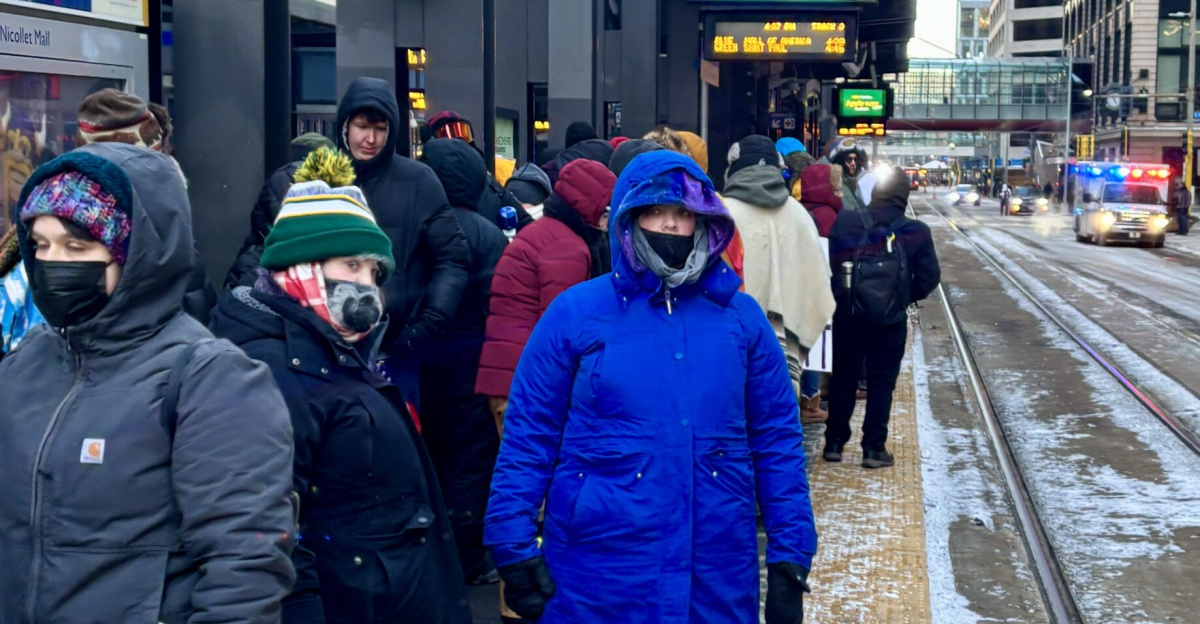
Activist efforts in Minneapolis have already helped shape similar movements in other U.S. cities. Organizers discuss adapting the city’s surveillance model, leveraging encrypted communication for decentralized action.
As tensions rise and further actions are planned, this expanding model of resistance could reshape how communities engage with federal law enforcement, especially in immigration-related issues.
Eyewitness Accounts of Good’s Shooting
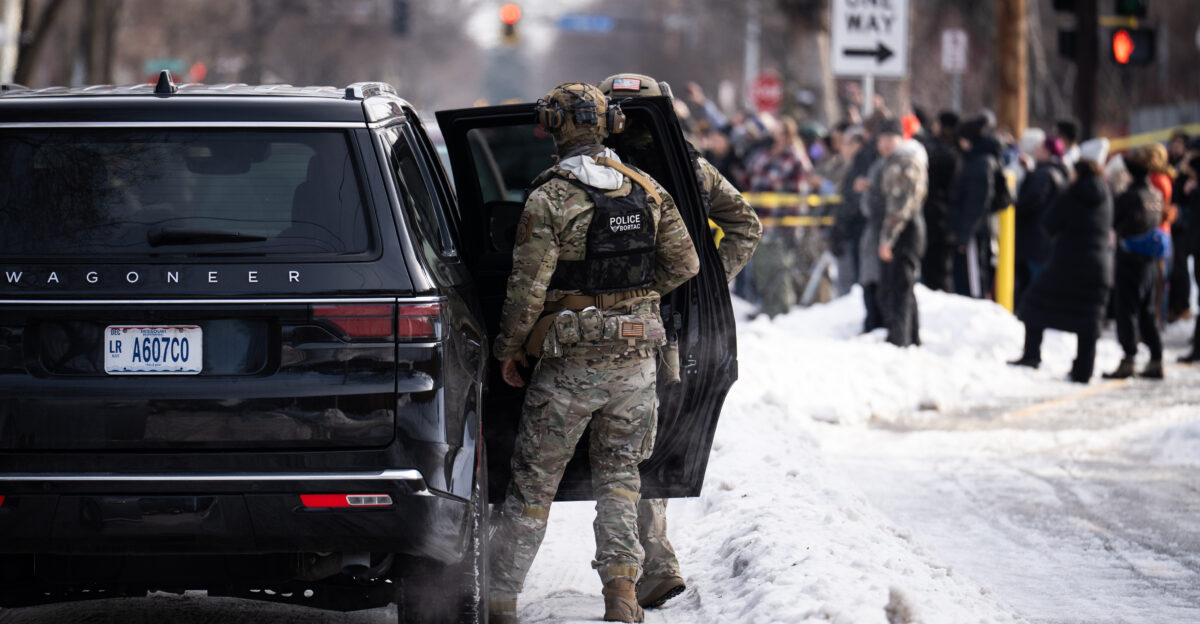
Eyewitnesses to Renée Good’s shooting have provided crucial testimony. Attorneys, neighbors, and activists have described Good as observing or recording ICE activity from her vehicle when the shooting occurred, with reports of conflicting commands, a rapid escalation, and limited time to respond.
The activist collective CrimethInc and other national groups later amplified the incident and sent or encouraged supporters to go to Minneapolis to connect with the resistance to ICE’s actions. Their stated aim was to support local communities pushing back against federal immigration enforcement.
The Legal Battle
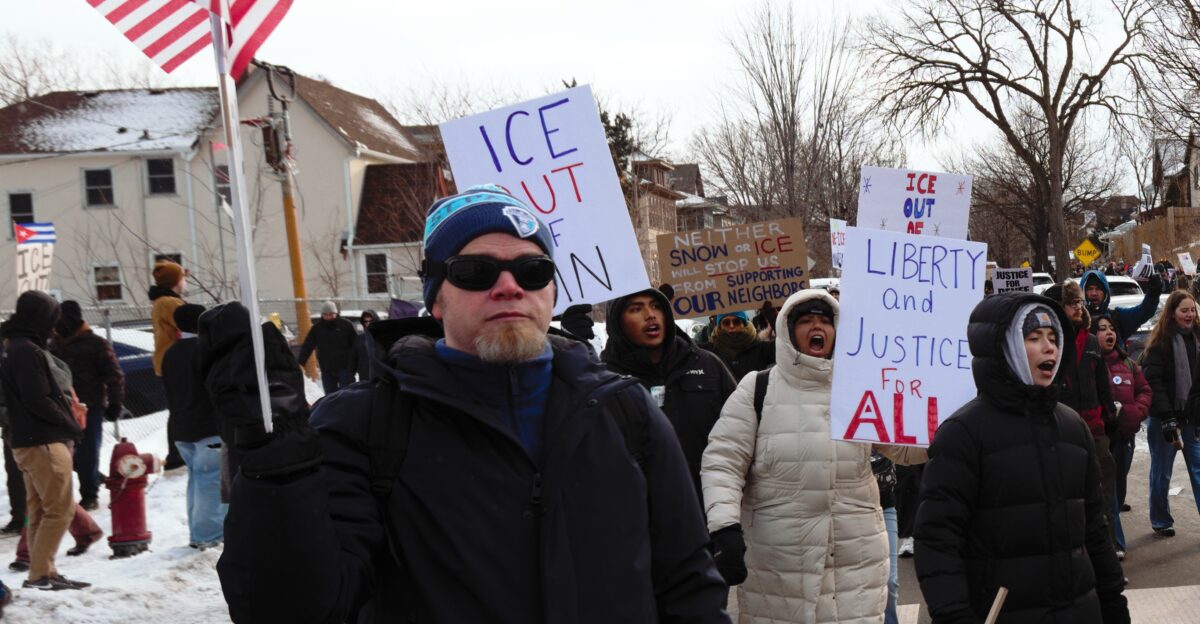
The aftermath of Good’s death has fueled a political and legal battle. Federal authorities, including President Trump and top DHS officials, have defended ICE’s actions as necessary for national security and law enforcement.
Minnesota’s Attorney General Keith Ellison and other state leaders have demanded evidence and called for transparent investigations into the shooting and broader federal operations. This clash underscores a widening divide between some local leaders and federal authorities over immigration enforcement practices.
Escalating Activist Efforts
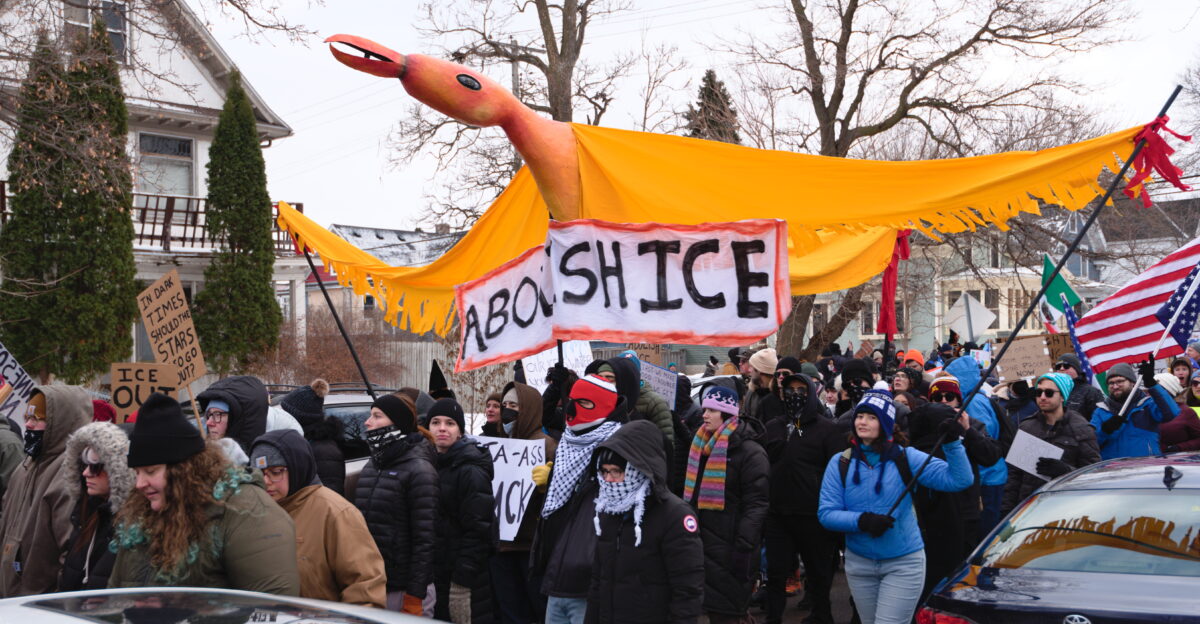
Minneapolis activists have become more organized in their surveillance tactics. Using shared plate lists and community-maintained documents, they often track federal enforcement vehicles, including unmarked SUVs and pickup trucks observed at raids, courthouse transfers, and stops at gas stations or apartment complexes, according to organizers and legal observers.
Volunteers from the local community and beyond contribute significant time to monitoring ICE operations, focusing on key infrastructure such as deportation flights and transfer routes.
A Nationwide Pattern Emerges
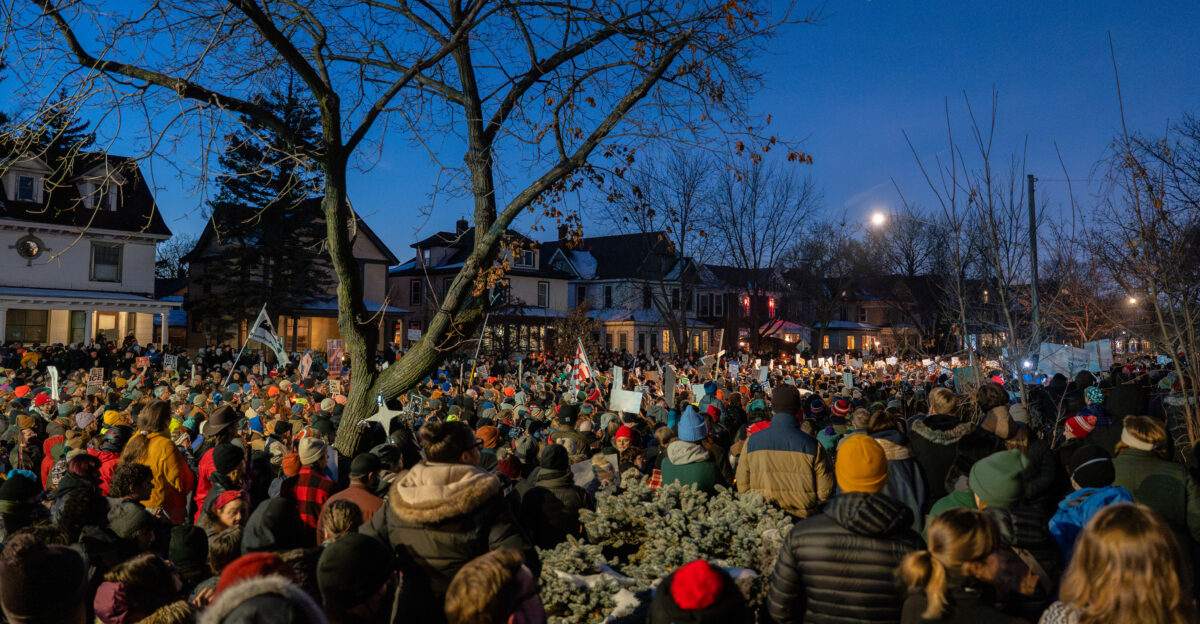
Renée Good’s death is one of several controversial use-of-force incidents linked to immigration enforcement reported in recent years across the United States.
Similar confrontations have prompted protests in multiple cities, including major metropolitan areas and communities in border states, where activists have sought to block or delay deportation flights or closely monitor ICE activities.
A Growing Conversation About ICE
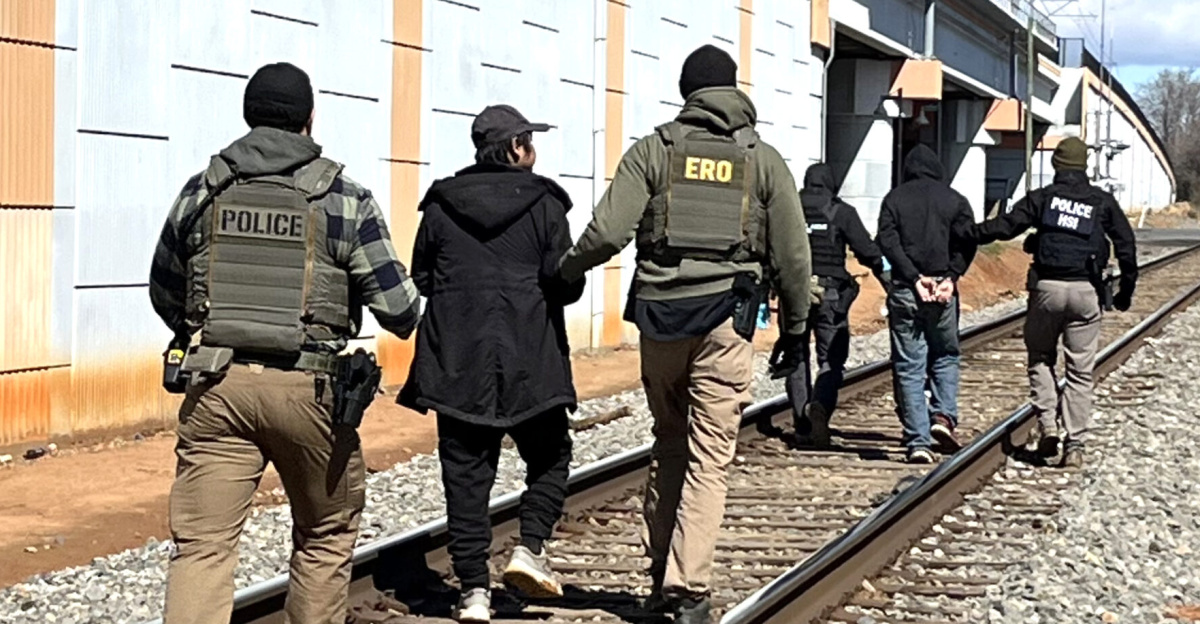
In some of these locations, rapid-response hotlines and encrypted chats mirror aspects of the Minneapolis model, suggesting what advocates and analysts describe as a loosely connected national pattern of citizen surveillance of ICE.
Good’s case, alongside these other incidents, has contributed to a growing national conversation about federal immigration enforcement.
Federal Backlash to Protests
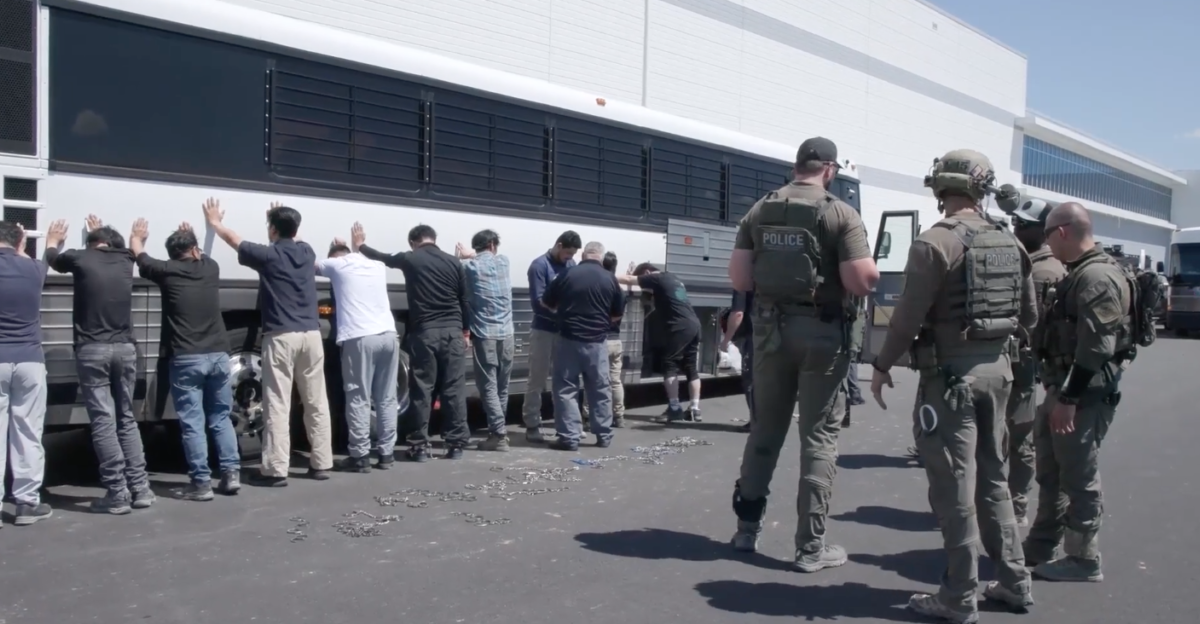
In response to the protests and surveillance, federal officials have hardened their rhetoric.
DHS leaders and allied commentators have described certain acts of violence against federal agents as “domestic terrorism” and accused Minnesota officials or local leaders of encouraging resistance to federal officers.
Language of Domestic Terrorism
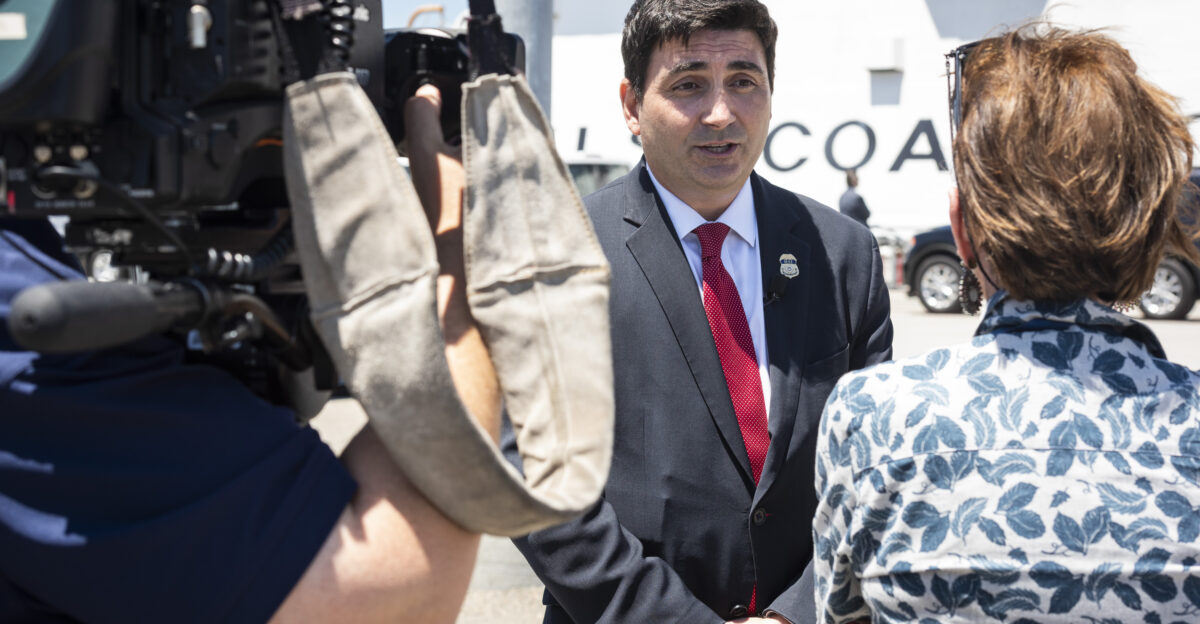
Commentators and officials aligned with the Trump administration, including Vice President JD Vance, have used similar language in public debates over Good’s case and the protests.
ICE and CBP spokespeople have blamed what they call “anarchist” or extremist elements for some of the violence and disruption during demonstrations, further escalating tensions between local and federal authorities.
Evolving Tactics and Lessons Learned
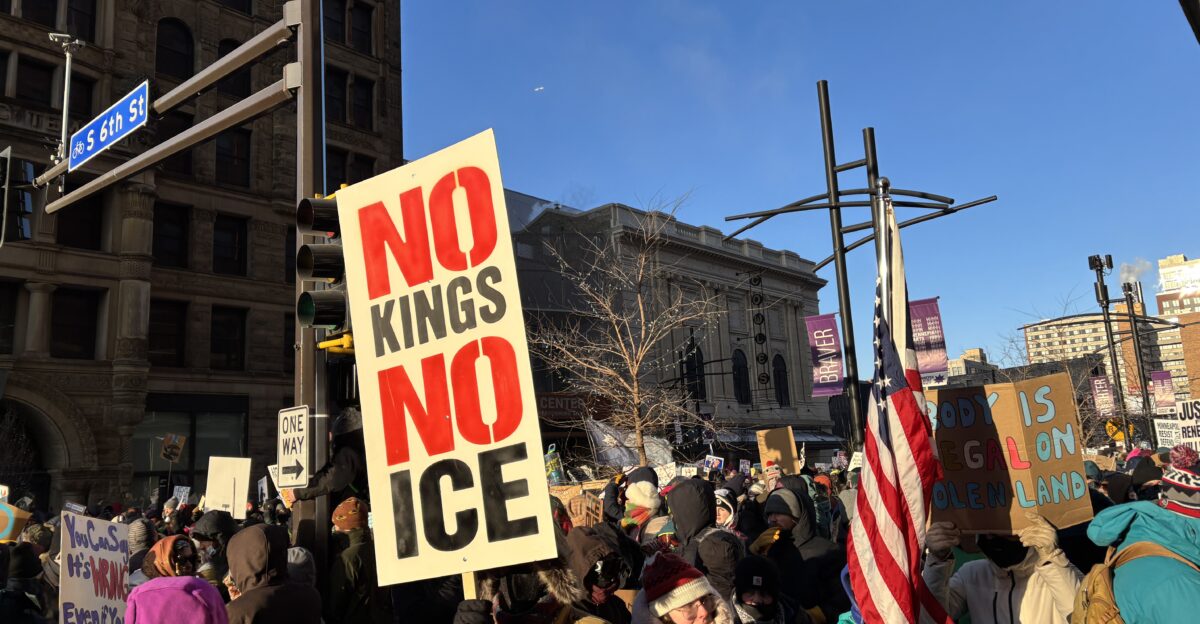
Activist groups are refining their tactics, drawing lessons from the 2020 Minneapolis uprising and more recent rapid-response models.
They have adopted encrypted communication, decentralized decision-making, and secure coordination of surveillance to reduce the risk of infiltration and arrests.
Disrupting Deportation Flights
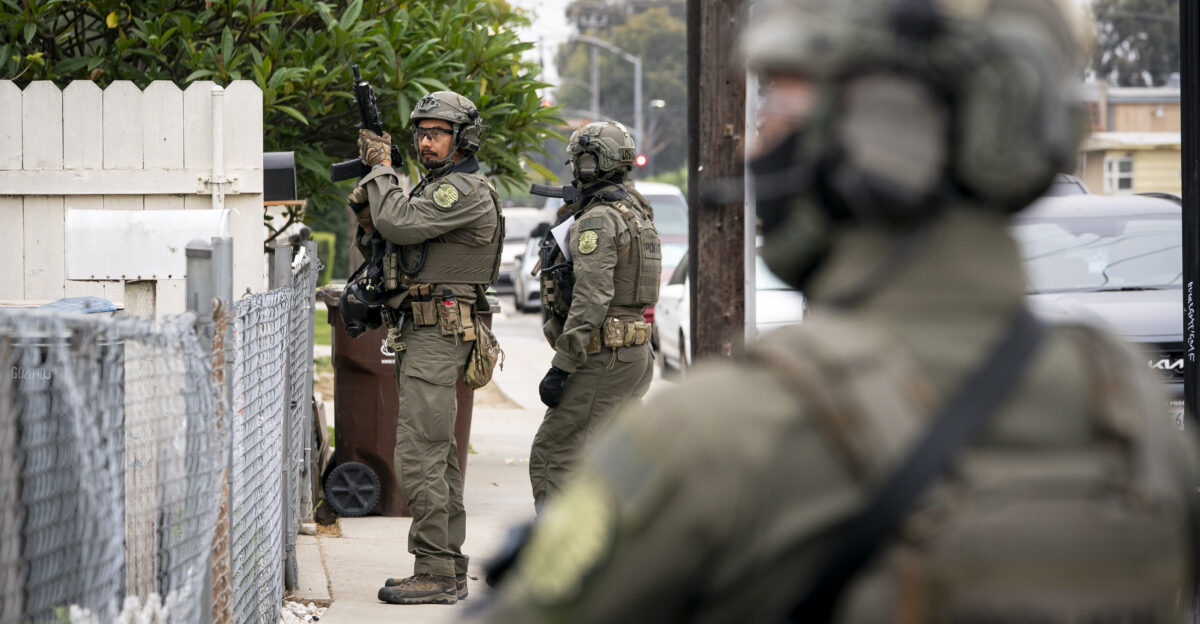
As monitoring of ICE movements has expanded, organizers have actively discussed strategies to disrupt or delay deportation flights at Minneapolis–St. Paul Airport.
In some cases, these plans have been tested, with the goal of encouraging similar rapid-response networks in other cities, according to activist statements.
Minneapolis Schools and Businesses Respond
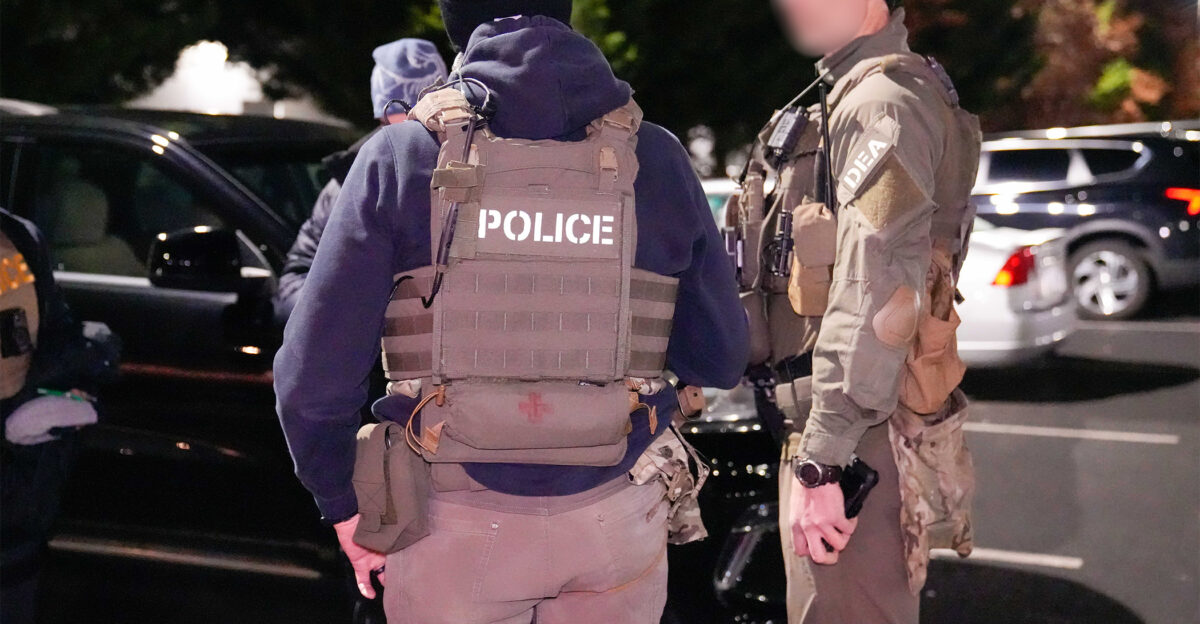
As protests and demonstrations intensified, some local schools and businesses adjusted to the unrest and calls for a day of “no work, no school, no shopping.” Certain schools and universities temporarily shifted schedules or moved classes online, while some businesses closed or reduced hours in solidarity with protests.
These actions were cited by organizers as signs of growing support for efforts to limit or challenge ICE enforcement in Minnesota.
Sources:
Minnesota Public Radio (MPR News), “Renée Good Shooting and Community Response,” January 8, 2026
The Guardian, “Activists Mobilize Against ICE Presence in Minneapolis,” January 10, 2026
The New York Times, “Legal and Political Tensions Escalate After Minneapolis Shooting,” January 9, 2026
NBC News, “Surveillance Networks Organized by Activists Against ICE in Minneapolis,” January 11, 2026
Washington Post, “Eyewitnesses Share Accounts of Renée Good’s Shooting Incident,” January 10, 2026
Associated Press, “Federal Backlash and Growing National Resistance to ICE Enforcement,” January 12, 2026